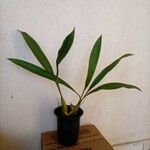
Coelogyne flaccida
Loose Coelogyne · Bearded Coelogyne
Description
Source: leafsnapCoelogyne flaccida is a species of orchid that is native to southeast Asia and northeastern South Asia. Cultivated as an ornamental plant, it is also known as the bearded Coelogyne and the loose Coelogyne.
Care Guide
💧 Water
Coelogyne flaccida flourishes in humid environments, similar to its native tropical rainforest habitat. It typically requires watering once a week to stay hydrated and is often grown indoors. During the dry season, it enters a dormant phase to conserve resources until conditions become favorable again.
☀️ Light Partial sun
Coelogyne flaccida naturally occurs in habitats such as forest understories or rocky sites, where it is subject to natural shade. It favors partial sun but can tolerate full sun or full shade, illustrating its hardy and adaptable nature.
🌡️ Temperature 20–37.8°C
Coelogyne flaccida is fairly adaptable to temperature, capable of withstanding higher heat and large temperature swings. In hot weather, attention should be paid to irrigation and providing adequate shade to avoid sunburn. On the other hand, Coelogyne flaccida is relatively intolerant of low temperatures. While it can tolerate a certain amount of cold, overly frigid conditions may result in frost damage.
💨 Humidity
🪴 Soil 5-6
🌱 Fertilizer
For Coelogyne flaccida, a single fertilizer application in spring is generally adequate, though multiple feedings can optimize growth. Apply fertilizer about every one to one-and-a-half months. Fertilizing improves the leaves' appearance and function, helping maintain even color and a healthy texture. It also encourages root development and nutrient uptake, supporting the plant's long-term health.
🪴 Pot & Repot
When repotting Coelogyne flaccida, select a slightly larger pot with good drainage, ideally a clear orchid pot. Use an orchid-specific, well-draining medium that includes bark or moss. Carefully clean the roots and cut away any that are dead or rotting. Repot after flowering, typically in spring or fall, water thoroughly, and keep the plant in bright, indirect light. Once repotted, avoid disturbing the roots.
✂️ Pruning
Coelogyne flaccida is known for its cascading flower spikes and dense foliage. For best results, prune the plant in early spring. Focus on removing dead leaves and thinning out overcrowded areas to improve air circulation and prevent disease. Be sure to use sterilized tools and regularly check the plant for any signs of stress or disease.
🌿 Propagating
🐛 Diseases & pets
☠️ Toxicity
Characteristics
- Plant Type
- Herb
- Life Cycle
- Perennial
- Genus
- Coelogyne
- Family
- Orchidaceae
- Hardiness Zone
- 10-12
- Mature Height
- 30 cm to 40 cm
- Mature Spread
- 30 cm to 40 cm
- Leaf Color
- Forest Green
- Leaf Type
- Evergreen
- Flower Color
- White, Yellow
- Flower Size
- 5.08 cm to 6.35 cm
- Bloom Time
- Early spring, Mid spring
- Planting Time
- Spring
- Harvest Time
- Late spring, Early summer