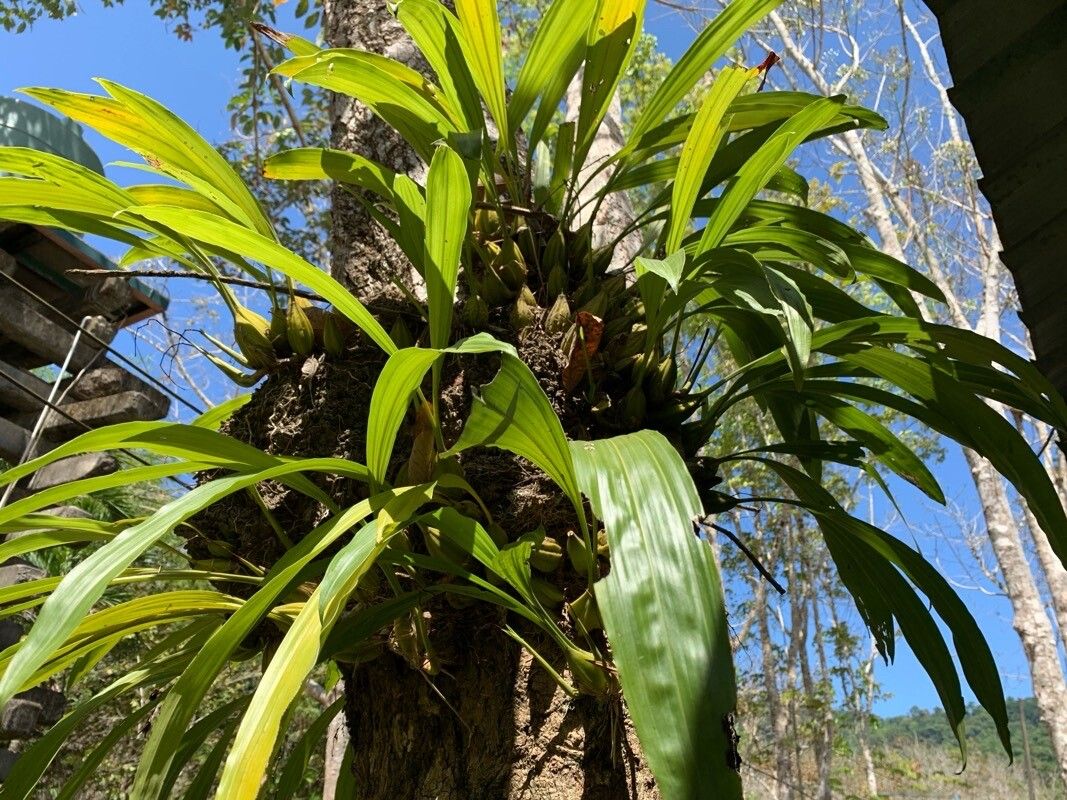
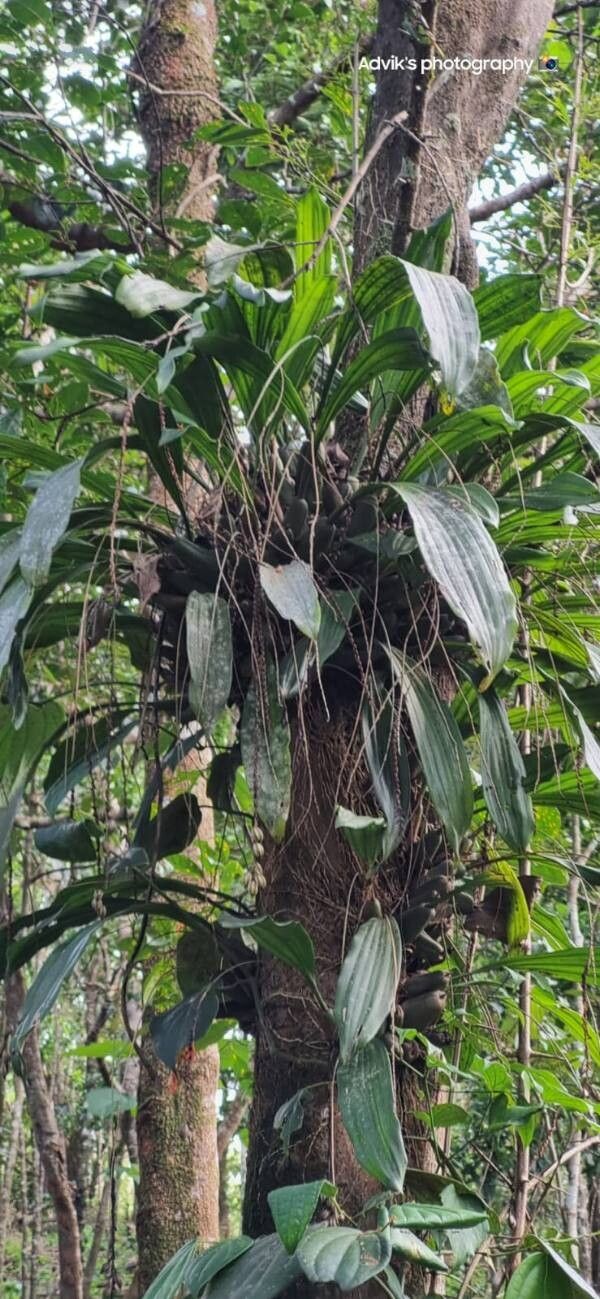
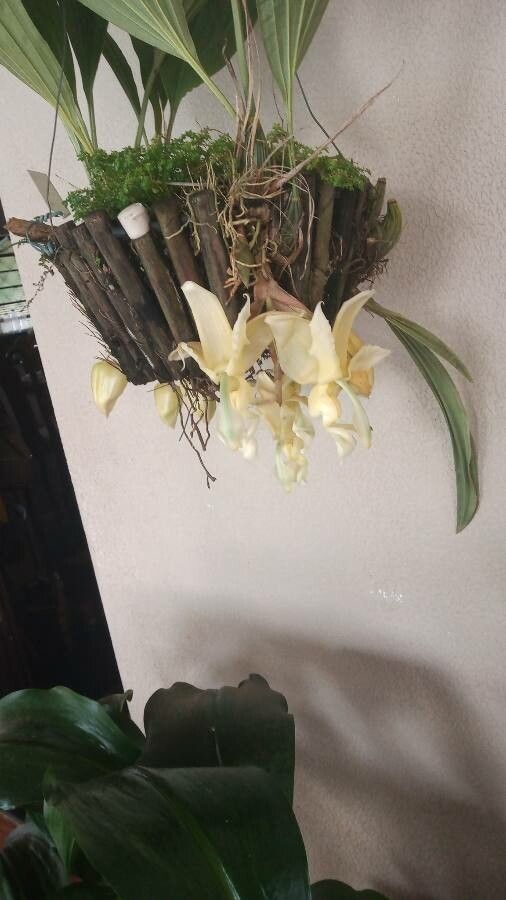
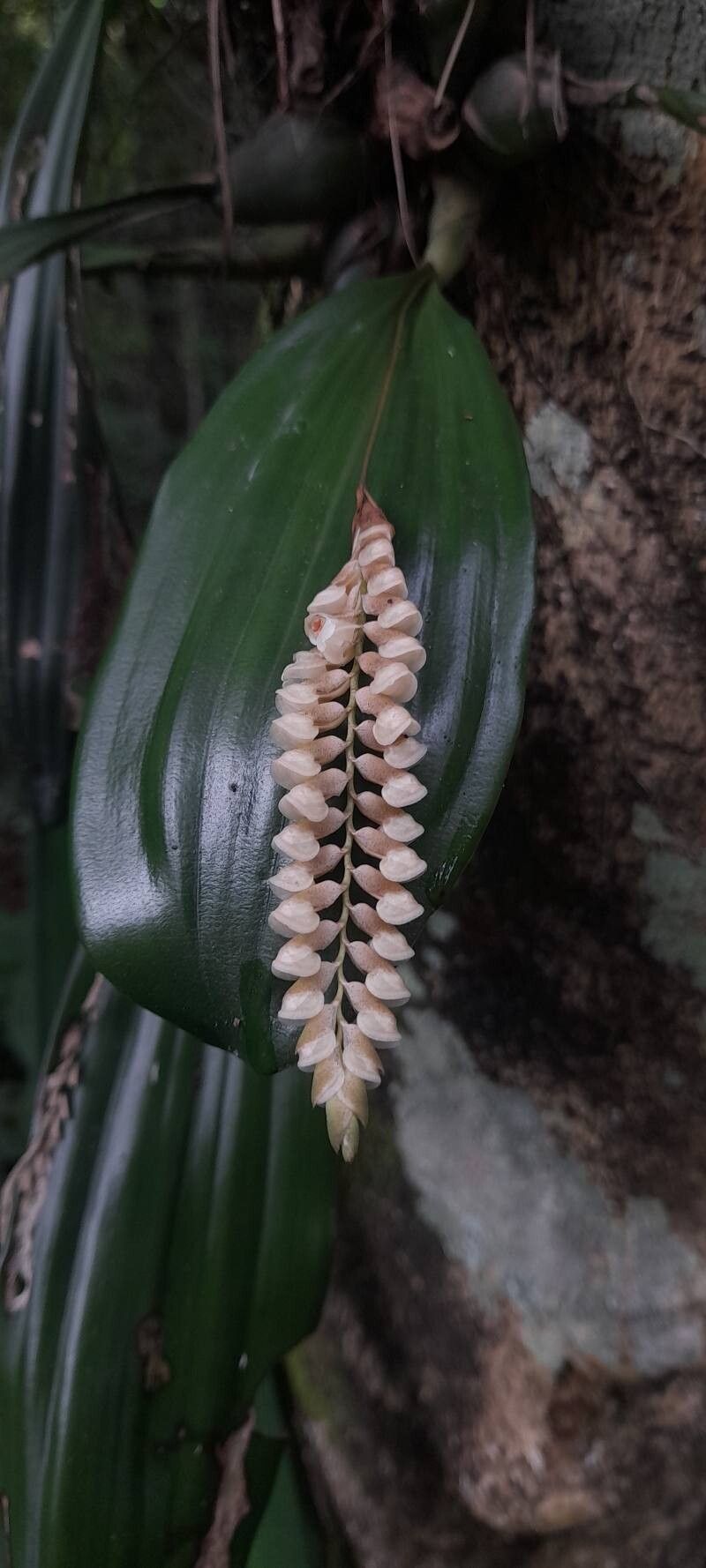
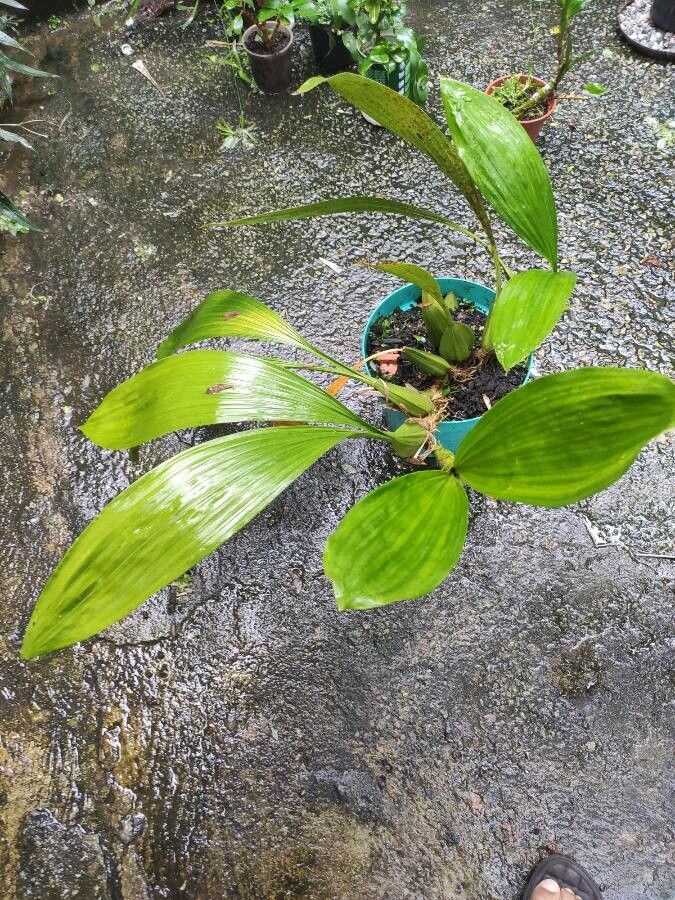
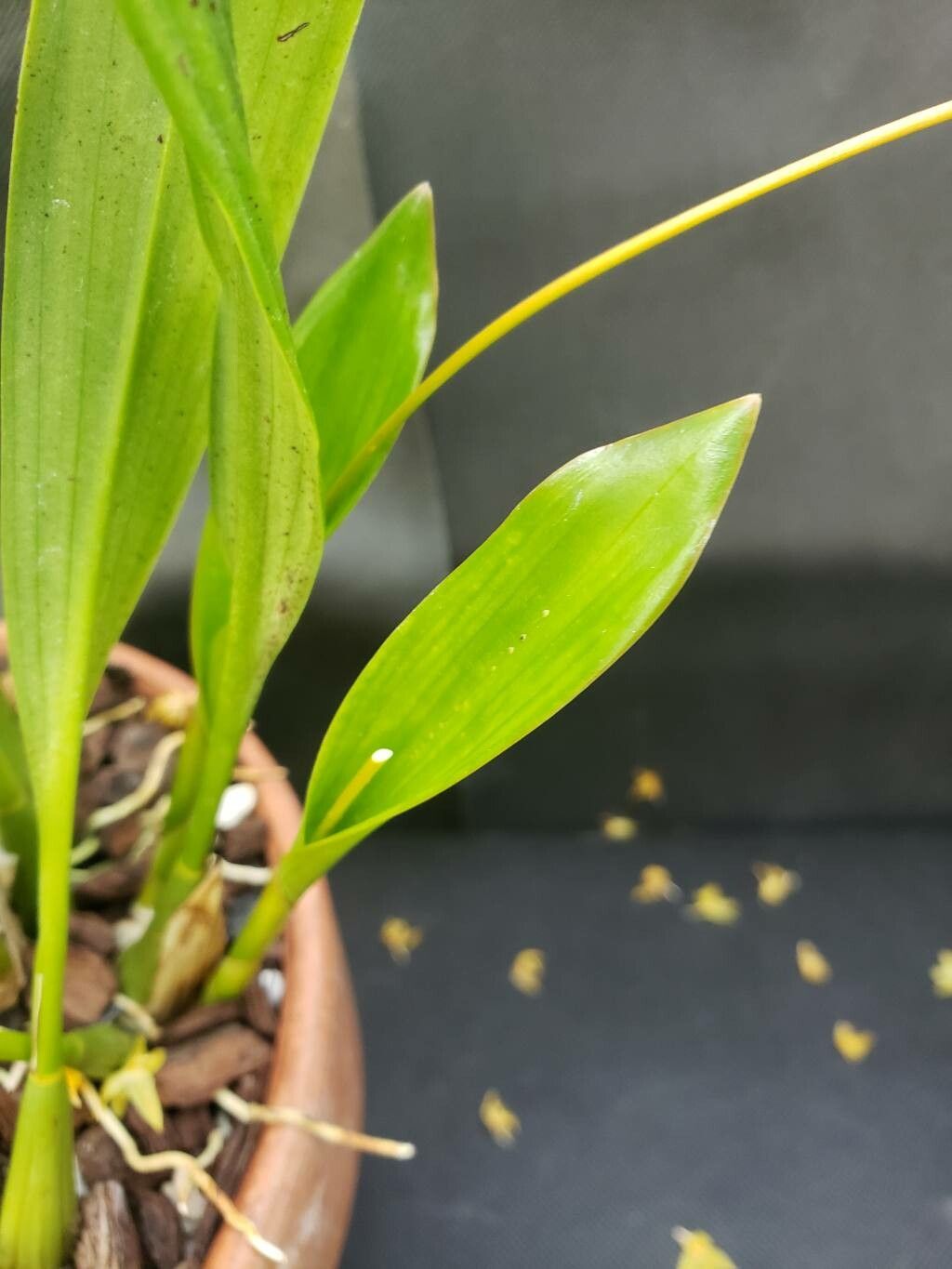
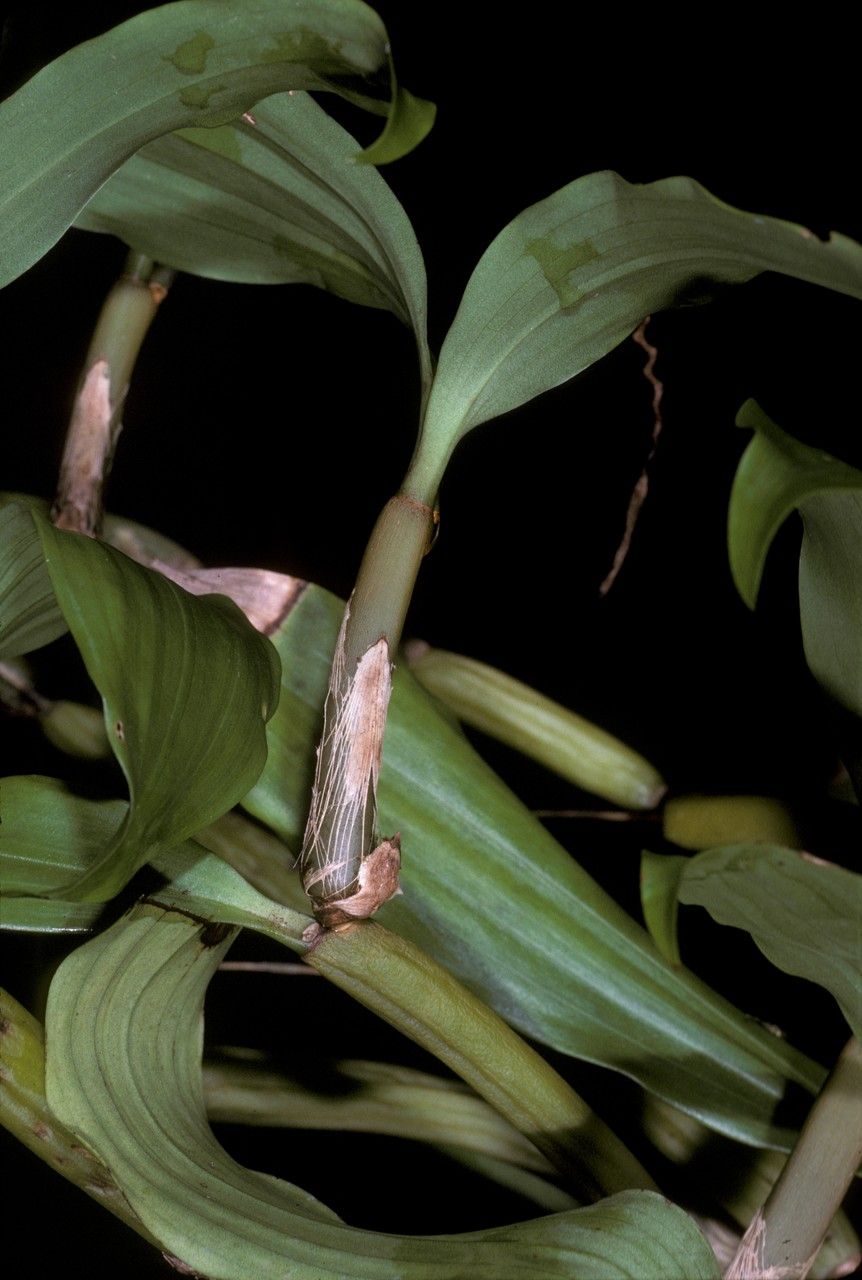
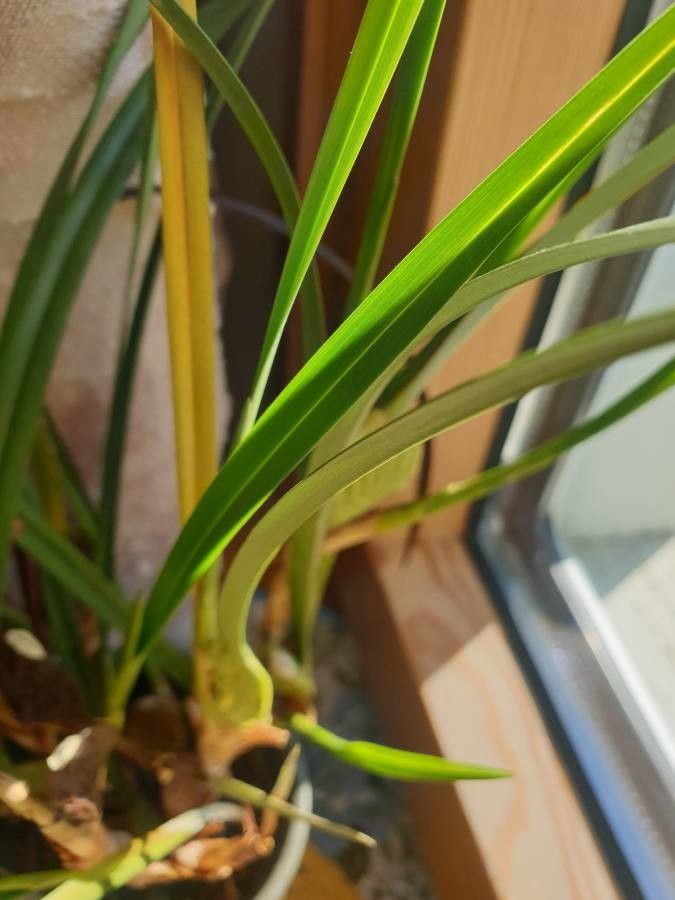
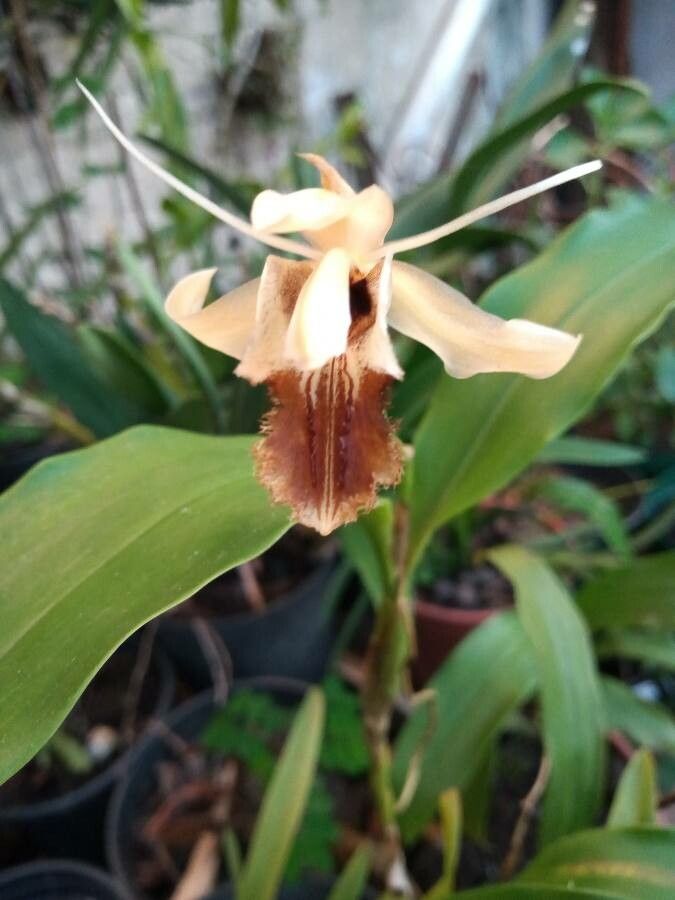
Pale pholidota is generally resistant to disease and is affected by relatively few insect pests. Its care is considered difficult because it requires a high-humidity yet well-ventilated environment with minimal harmful pathogens. Overwatering can cause root rot. Although anyone can grow Pale pholidota, maintaining its health and encouraging it to flower again requires more cultivation experience.
How to keep Coelogyne Pallida.
Temperature
Pale pholidota prefers warm conditions. It develops best in moderately high temperatures but not in excessively hot, humid weather. Sunlight helps warm the plant and encourages flowering. However, extended direct sun in summer can cause sunburn, so its sunlight exposure should be managed during that season. The plant is generally intolerant of cold, so it needs adequate protection and warmer conditions in winter to prevent freezing.
Fertilizer
Pale pholidota needs the most fertilizer during its active growth period, which takes place mainly in spring, summer, and early fall. Fertilizing provides essential nutrients the soil may lack, supporting healthy root and stem growth and encouraging the attractive foliage that is a key trait of this plant.
Botanical profile.
- Plant Type
- Herb
- Life Cycle
- Perennial
- Genus
- Coelogyne
- Family
- Orchidaceae
- Hardiness Zone
- 9-11