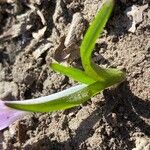
Colchicum bulbocodium
Spring meadow-saffron · Autumn crocus · meadow saffron · naked lady or colchicum
Description
Source: leafsnapColchicum bulbocodium, the spring meadow saffron, is a species of alpine bulbous plant native to mountain ranges across Europe from the Pyrenees to the Caucasus (Spain, France, Italy, Switzerland, Austria, Hungary, Romania, the former Yugoslavia, Ukraine and southern European Russia). It is cultivated as an ornamental plant in many places. It has flowers considered ideal for the rock garden, which is beautiful en masse. The plant is a hardy spring flower bulb, very small in size, reaching about 7–10 cm high. From April to June, the strap-shaped leaves emerge with pink-to-purple crocus-like flowers, 3–8 cm in diameter. As all the species of the genus Colchicum, the species is a poisonous plant.
Care Guide
💧 Water
Spring meadow saffron thrives in Mediterranean climates where it benefits from seasonal rainfall. While it can tolerate moderate drought, it prefers a balance of moisture. For best results, water the plant weekly. As a bulbous plant, spring meadow saffron stores water in its bulbs, which helps it survive through the dry periods common in its natural habitat.
How should I water my Spring meadow saffron plant?
When watering the Spring meadow saffron, it is important to use filtered water at room temperature or slightly warmer. Tap water may contain harmful particles for this plant. Cold water can be a shock to the plant, so it is best to use water that is not too cold. Avoid overhead watering, as it can cause problems with the foliage. Instead, apply filtered room temperature water directly to the soil until it is completely soaked. This helps to moisten the roots and support their spread through the soil to collect the necessary nutrients.
What should I do if I give my Spring meadow saffron plant too much or too little water?
Both overwatering and underwatering can harm the health of your Spring meadow saffron, but overwatering is more common. Too much water can cause wilting, yellowing, and diseases like root rot, mold, and mildew. Underwatering is less common due to the plant's drought tolerance, but it can lead to brittle, brown leaves. It's important to recognize the signs of overwatering early and react accordingly by reducing watering and improving soil drainage. If underwatering is the issue, simply increase watering until symptoms disappear.
How often do I need to water my Spring meadow saffron?
If your Spring meadow saffron is in a pot, the most precise way to determine if it needs water is by checking the soil with your finger. If the top two to three inches of soil are dry, it's time to water it. For outdoor plants in the ground, use the same method. When the first few inches of soil have dried out, it's time to water. Normally, watering once a week is sufficient during spring and early fall. However, in very hot weather, you may need to water two or more times a week. Keep in mind that mature Spring meadow saffron plants can handle drought well.
How much water does my Spring meadow saffron require?
To properly water your Spring meadow saffron, don't hold back on the amount of water you give. When the top two to three inches of soil are dry, it's time for a thorough watering. Make sure to moisten the soil completely, allowing excess water to flow out of the pot's drainage holes. If you don't see any excess water draining, you've likely not given enough water. However, be cautious not to let water accumulate in the soil, as that can harm the plant. On the other hand, if water doesn't drain well after watering, it means the soil isn't draining properly, which is not good for the plant's health. If the plant is outside, receiving 1 inch of rain per week should be enough.
How do I water my Spring meadow saffron as it grows?
The water needs of the Spring meadow saffron can vary depending on different growth stages. When the plant is in its early years or has just been transplanted, it requires more water than usual. During these stages, the focus is on developing new roots that will support future growth, and to ensure their optimum performance, they need more moisture. As the plant matures, it will require less water. Another stage that may require increased watering is during the bloom period, as flower development requires a significant amount of moisture.
☀️ Light Full sun
Spring meadow saffron is a perennial, herbaceous species native to open environments and typically found growing in meadows and grasslands. It thrives in full sun but can cope with partial sun as well.
What are the sunlight requirements for Spring meadow saffron?
Spring meadow saffron requires full sun, defined as receiving more than 6 hours of sunlight daily, but it can also thrive in partial sun conditions, which involve about 3-6 hours of sunlight. It's essential to observe your garden's sunlight exposure closely to ensure that you choose locations offering the right balance of light and shade, as this contributes significantly to the plant's health and happiness.
How does artificial lighting support plant growth indoors?
Indoor plants, including Spring meadow saffron when grown indoors, may require artificial lighting to ensure optimal growth, especially in conditions where natural sunlight is insufficient, such as during winter or in less sunny spaces. LED lights are recommended for indoor plant lighting due to their ability to provide specific wavelengths needed for plant growth. Full sun plants typically need an artificial light intensity of 30-50W/sq ft, partial sun plants require 20-30W/sq ft, and full shade plants need 10-20W/sq ft. The light source should be placed 12-36 inches above the plant, mimicking the natural sunlight's distance, and should be kept on for 8-12 hours per day to simulate natural daylight conditions.
What are the symptoms of light deficiency in Spring meadow saffron?
Symptoms of light deficiency in Spring meadow saffron include smaller new leaves indicating restricted growth, leggy or sparse growth showing the plant's strained effort to reach light, faster leaf drop as a conservation measure, slower or halted new growth, lighter-colored new leaves due to insufficient chlorophyll, chlorosis leading to yellow leaves, sunscald showing damage from intense light, leaf curling as a defense mechanism against extreme sunlight, wilting from increased water loss, and leaf scorching from excessive sunlight. These symptoms highlight the crucial balance needed in light exposure for the health of Spring meadow saffron.
What solutions are recommended for Spring meadow saffron facing light deficiencies?
For indoor Spring meadow saffron facing light deficiencies, gradually moving the plant to a location with at least 6 hours of direct sunlight daily is recommended, using a south-facing window for natural light, or artificial lighting for additional support. Outdoor plants requiring more sunlight should be moved gradually to avoid shock, ensuring adaptation to increased light. Solutions also include minimizing environmental obstructions, like pruning trees that block sunlight, and transplanting smaller plants to sunnier locations with ample sunlight and good drainage. These practices aim to improve sunlight exposure for healthier plant growth and development.
🌡️ Temperature 5–32.2°C
💨 Humidity
🪴 Soil 6-7
🌱 Fertilizer
For Spring meadow saffron, the primary time to apply fertilizer is in early spring when the flowers are forming. The proper fertilizer promotes improved blooms and helps Spring meadow saffron produce attractive flowers. Fertilizing in early spring ensures excellent flowers throughout the season and supplies energy for dormant growth phases.
Why should I put fertilizer on my Spring meadow saffron?
Fertilization is important for the Spring meadow saffron because it provides essential nutrients for the plant's growth both above and below ground. While the fertilization needs of the Spring meadow saffron are generally low, annual fertilization can greatly benefit the plant by keeping it alive and promoting the production of better and longer-lasting flowers. Therefore, for those who want their Spring meadow saffron to look its best, regular fertilization is recommended.
When should I fertilize my Spring meadow saffron?
The best time to fertilize a Spring meadow saffron is in late winter to early spring. This is when the plant is transitioning from dormancy to active growth. Fertilizing during this time promotes healthy growth and sets the plant up for a good season. It is also possible to fertilize in the fall, but it is not recommended during summer or winter.
When is it not a good idea to put fertilizer on my Spring meadow saffron?
To properly care for your Spring meadow saffron, it is best to only fertilize during late winter and early spring. This plant has minimal fertilization needs, so a single annual feeding is sufficient. Avoid fertilizing throughout spring, summer, and fall to prevent overfertilization and its associated complications. The only exception would be if you skipped fertilizing in spring, in which case it is acceptable to fertilize in the fall. Additionally, there is no need to fertilize during the winter when the plant is in a dormant growth phase and not actively producing new growth.
What fertilizer should I use for my Spring meadow saffron?
When choosing a fertilizer for your Spring meadow saffron, a general-purpose fertilizer with balanced nutrients will do the job. However, there are specific nutrient blends that can be even more beneficial. Some gardeners believe that higher phosphorus levels promote stronger roots and better flowers, making it a good choice for a flowering plant like Spring meadow saffron. Whether in granular or liquid form, the important thing is that there are plenty of nutrients available. Additionally, you can also use organic methods like compost and manure to improve the soil and create a healthy growing medium for your Spring meadow saffron.
How can I give nutrients to my Spring meadow saffron?
To fertilize a Spring meadow saffron, the most common approach is to use either granular or pellet fertilizer. It's important to time the fertilization correctly, when the plant is transitioning from its dormant phase to active growth. In early spring, you should wait until the plant starts to send shoots through the soil, then apply the fertilizer. Alternatively, you can use liquid fertilizer, but ensure you dilute it with water before applying. Regardless of the fertilizer type, it's recommended to moisten the soil before, during, and after fertilization.
🪴 Pot & Repot 2-3 years
Spring meadow saffron should be repotted every 2 to 3 years, ideally in the spring after the plant's dormancy period. When repotting, choose a container that is one size larger than the current pot and make sure it is deep with good drainage. Use soil that allows excess water to escape easily. Water moderately and ensure the plant is not exposed to direct sunlight, as this will help encourage healthy blooming.
✂️ Pruning
To maintain the health and vigor of your spring meadow saffron, prune it in early to late spring after the flowers have bloomed. Remove any spent blooms and damaged foliage to encourage healthy growth. Be careful not to prune too heavily, as this can affect flowering. Regular pruning helps boost the plant's resistance to disease and promotes robust blooms for the following season.
🌿 Propagating
🐛 Diseases & pets
☠️ Toxicity
Characteristics
- Plant Type
- Herb
- Life Cycle
- Perennial
- Genus
- Colchicum
- Family
- Colchicaceae
- Hardiness Zone
- 4-7
- Mature Height
- 15 cm to 23 cm
- Mature Spread
- 5 cm
- Leaf Color
- Green
- Leaf Type
- Semi-evergreen
- Flower Color
- Pink
- Flower Size
- 2.54 cm to 7.62 cm
- Bloom Time
- Late winter, Early spring
- Planting Time
- Autumn, Winter, Spring
- Harvest Time
- Mid spring, Late spring