Collinsonia canadensis
Northern horsebalm · Stoneroot · Richweed · Canada Horsebalm · Citronella Horse Balm
Description
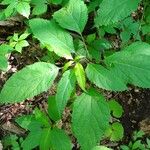
Source: leafsnapCollinsonia canadensis, commonly called richweed or stoneroot, is a perennial herb in the mint family. It is native to eastern North America, primarily east of the Mississippi River, where it is widespread. It is the most broadly distributed member of the genus Collinsonia, ranging north to Quebec and south to Florida. Its natural habitat is nutrient-rich mesic forests, most often in rocky, calcareous areas. Collinsonia canadensis can grow up to 4 feet (1.2 m) tall and has terminal clusters of tiny, tubular yellow flowers. Leaves are green, large, sharply toothed, and ovate.It produces lemon-scented flowers in mid-summer, a time when little else is in bloom in densely shaded forests.
🎭 Compassion
Care Guide
💧 Water
Richweed is native to the moist woodlands of North America and prefers environments that remain consistently damp. It should be watered weekly, ensuring the soil stays evenly moist without becoming waterlogged. Mulching is useful as it helps retain soil moisture and mimics the leaf litter found in its natural habitat.
How should I water my Richweed plant?
To properly water the Richweed plant, it's important to use filtered water at room temperature. Tap water may contain harmful particles for this plant's well-being. The Richweed plant is accustomed to warm conditions, so it's best to avoid using cold water as it can be a shock to its system. Additionally, it's recommended not to water the plant from above to prevent any issues with its foliage. Instead, apply filtered room temperature water directly to the soil until it is completely soaked. This method of watering is beneficial as it moistens the roots, allowing them to spread through the soil and absorb necessary nutrients.
What should I do if I give my Richweed too much or too little water?
Overwatering is a common problem for Richweed plants and can cause wilting, yellowing, and even deadly diseases like root rot, mold, and mildew. Underwatering is less likely, but can still happen and will cause brittle, brown leaves. To prevent overwatering, be vigilant for early signs and reduce watering if necessary. Replace poorly draining soil with a loose, well-draining potting mix. If underwatering is suspected, simply water more regularly until the signs improve.
How frequently do I need to water my Richweed?
If your plant is in a pot, the most accurate way to determine if it needs water is by checking the moisture level of the soil. Stick your finger into the soil and if the top two to three inches are dry, it's time to water. If your Richweed is planted outdoors in the ground, you can use a similar method. Check the first few inches of soil and if it's dry, water the plant. Usually, during spring and early fall, watering once a week is sufficient. However, during extremely hot weather, you may need to water twice or more per week. It's worth noting that mature, well-established Richweed has the ability to withstand drought conditions.
How much water does my plant Richweed need?
To water your Richweed effectively, don't hold back on the amount of water you give. Make sure the top two to three inches of soil are dry before watering, and then give the plant a nice, deep soak. It's important to add enough water to fully saturate the soil and allow excess water to drain out through the pot's drainage holes. If you don't see any excess water draining, you may have not watered enough. However, be careful not to let water accumulate inside the soil, as this can harm the plant. If the water isn't draining properly, it could be a sign of poorly draining soils, which can be harmful to the plant's health. If the plant is located outside, approximately 1 inch of rain per week should be enough.
How do I water my Richweed as it grows?
The water needs of the Richweed can vary depending on its growth stages. When the Richweed is young or recently transplanted, it requires more water to support root development and future growth. As the plant matures, it will require less water. Additionally, during the bloom period, the Richweed may need additional water to support flower development.
☀️ Light Partial sun
Richweed has adapted to flourish in the dappled light typical of forest undergrowth. It can also tolerate darker conditions for extended periods without significantly affecting its growth or health, though it fares best with some filtered light, particularly during its development stage. Overexposure to harsh sunrays may negatively affect its wellbeing.
What are the sunlight requirements for Richweed?
Richweed, or Collinsonia canadensis, requires partial sun to full shade to thrive. This means it does well with about 3-6 hours of sunlight (partial sun) and can also manage with less than 3 hours of sunlight (full shade) daily. It's important to observe how sunlight moves through your garden to find the ideal spots that provide the necessary balance of light and shade for these plants, ensuring their health and happiness.
How does Richweed adapt to light conditions and what are the essentials for its growth?
Richweed has adapted to grow in dappled light conditions typically found in forest undergrowth, capable of enduring darker settings for extended periods without significantly impacting its growth or health. Ideally, it benefits from some filtered light, particularly during its development stage. However, extended exposure to harsh sunlight can negatively affect the plant's wellbeing. When natural sunlight is insufficient, especially in winter or in less sunny spaces, artificial lighting can supplement growth. LED lights are a recommended choice for indoor planting, providing customized wavelengths needed by plants. Depending on the type of plant, the amount of artificial light required varies: full sun plants need 30-50W/sq ft, partial sun plants 20-30W/sq ft, and full shade plants 10-20W/sq ft. The light source should be placed 12-36 inches above the plant, with a duration mimicking natural daylight hours, generally around 8-12 hours per day.
What are the important symptoms of light deficiency in Richweed?
When Richweed does not get enough light, several symptoms can manifest. These include smaller new leaves compared to previous ones, leggy or sparse growth, faster leaf drop, slower or no new growth, and lighter-colored new leaves. Excessive sunlight can lead to chlorosis (leaves turning yellow and losing green color), sunscald (damage from intense sunlight showing as bleached areas), leaf curling (to minimize water loss and damage), wilting (loss of turgor pressure), and leaf scorching (brown, dry edges on leaves). Recognizing these symptoms can help in adjusting the plant's light exposure.
What are the solutions for managing light conditions for Richweed?
To optimize Richweed's growth in varying light conditions, consider gradually shifting them to sunnier spots to receive 3-6 hours of direct sunlight daily, which encourages gradual adaptation. If the plant is too large or not easily movable, supplementing with artificial light such as desk, ceiling lamps, or professional plant grow lights for at least 8 hours daily can provide the additional light needed. For outdoor plants, moving them gradually to sunnier locations helps avoid sunburn from sudden changes in light intensity. If sunlight is blocked, pruning obstructive trees or transplanting smaller plants during their dormant period to a location with ample sunlight and good drainage can improve light exposure. Note that parts of the plant affected by insufficient sunlight may not recover, but new growth following increased light will be healthy.
🌡️ Temperature 5–32.2°C
Richweed is found naturally in areas where temperatures are between 41 and 90 °F (5 to 32 ℃). It prefers more moderate climates. Seasonal temperature changes might be needed to reproduce its native habitat.
What is the native temperature range for Richweed (Collinsonia canadensis)?
Richweed, or Collinsonia canadensis, naturally thrives in environments where the temperature ranges between 41 to 90 °F (5 to 32 °C). It prefers milder climates, adjusting well to seasonal temperature variations typical of its native habitat. The plant displays a robust resistance to cold, generally eliminating the need for special frost protection measures during winter. Nonetheless, protection from extremely cold temperatures below -30°C is advisable through tactics such as covering the plant with soil or straw. To further prepare it for winter conditions, it's suggested to water the plant abundantly before the first freeze in autumn to maintain soil moisture, thereby preventing drought and water scarcity for the plant during the colder seasons.
How does Richweed react to temperatures below its tolerance level?
Richweed, known for its cold tolerance, fares best when temperatures remain above 5°C. However, it requires protection when winter temperatures are expected to dip below -25°C. At extreme lows beneath -30°C, the plant may not show immediate damage during the winter months, but a decrease in sprouting, or complete lack thereof, might be observed come spring. To mitigate this, in spring, it's advised to remove any parts of the plant that have failed to sprout, encouraging healthier growth and productivity in the upcoming season.
What measures should be taken if Richweed is exposed to high temperatures?
Richweed should ideally be situated in locations where summer temperatures do not exceed 32°C. Exposure to temperatures above 35°C can cause the plant's leaves to lighten in color, become prone to curling, and may lead to sunburn. In severe cases, the plant might wilt and dry out completely. To address these issues, it's recommended to trim away any sunburned or dried-up parts of the plant. If positioned in an area receiving intense midday and afternoon sun, relocating the plant to a shaded spot or employing a shade cloth can offer necessary protection. Furthermore, watering the plant during the cooler morning and evening hours helps maintain optimal soil moisture, safeguarding the plant's health against high temperature stress.
💨 Humidity
🪴 Soil 6-7
🌱 Fertilizer
The best time to fertilize a Richweed is in early spring, as it breaks dormancy and starts active growth. Fertilization supplies essential nutrients needed for healthy development. Although Richweed requires relatively little fertilizer, applying it annually can improve survival and encourage better, longer-lasting flowers.
Why should I put fertilizer on my Richweed plant?
To keep your Richweed healthy and vibrant, proper fertilization is crucial. The leaves of the Richweed are integral to its structure, so ensuring they look great and serve their purpose is essential. Fertilization not only helps maintain consistent leaf color and texture, but also promotes the growth of new roots and strengthens the existing ones. By fertilizing your Richweed, you not only keep it healthy in the present but also ensure its ability to absorb essential nutrients from the soil moving forward.
What is the best time to fertilize my Richweed plant?
If you choose to grow your Richweed outdoors, you'll notice new growth in early spring. This is the time to start fertilizing for the year. Typically, a single application of fertilizer is enough for a healthy Richweed. However, if you want to maximize its growth, you can use fertilizer multiple times during the spring and early summer. In this case, feed your Richweed about once every month to a month and a half.
When should I not put fertilizer on my Richweed plant?
During the late fall and winter, your Richweed goes into a dormant phase. It stops producing new growth, so it's important not to fertilize it during this time. In the spring and summer, if you choose to fertilize multiple times, gradually reduce the amount of fertilizer as summer approaches because the Richweed's growth rate will decrease as well. It is never a good idea to fertilize your Richweed when the weather is unexpectedly hot or the soil is very dry. Fertilizing in these conditions can stress the plant and lead to premature death.
What kind of fertilizer does my Richweed plant need?
Choosing the best fertilizer for a Richweed is easy. Use a general-purpose garden fertilizer with equal parts nitrogen, phosphorus, and potassium, like a 10-10-10 ratio. Avoid high-nitrogen fertilizers. Granular fertilizers are ideal for Richweed, especially slow-release ones. Organic soil amendments like compost can also be beneficial for feeding your Richweed.
How should I add fertilizer to my Richweed?
To ensure optimal growth of your Richweed, wait until early spring when you see the first leaves poking through the soil. Once you spot this, apply a granular slow-release fertilizer with a balanced formula to the soil surrounding the plant's base. If desired, you can repeat this process later in the season. Remember to always apply the fertilizer to the soil at the base of the plant rather than directly on the plant itself. This may involve moving some leaves to access the soil above the roots. Additionally, it's beneficial to water your Richweed before and after applying the fertilizer.
🪴 Pot & Repot
✂️ Pruning
Richweed, a plant celebrated for its aromatic leaves and yellow flowers, benefits significantly from pruning in the spring. To promote healthy growth and improve air circulation, it's important to trim away dead stems and shape the plant appropriately. This process enhances blooming. Always use clean, sharp tools to prevent the spread of disease, helping richweed thrive throughout the growing season.
🌿 Propagating
🐛 Diseases & pets
☠️ Toxicity
Characteristics
- Plant Type
- Herb
- Life Cycle
- Perennial
- Genus
- Collinsonia
- Family
- Lamiaceae
- Hardiness Zone
- 4-8
- Mature Height
- 0.61 m to 1.22 m
- Mature Spread
- 30 cm to 91 cm
- Leaf Color
- Green, Blue
- Leaf Type
- Deciduous
- Flower Color
- Yellow
- Flower Size
- 2.54 cm
- Bloom Time
- Mid summer, Late summer, Early fall
- Planting Time
- Spring, Summer, Autumn
- Harvest Time
- Mid fall, Late fall