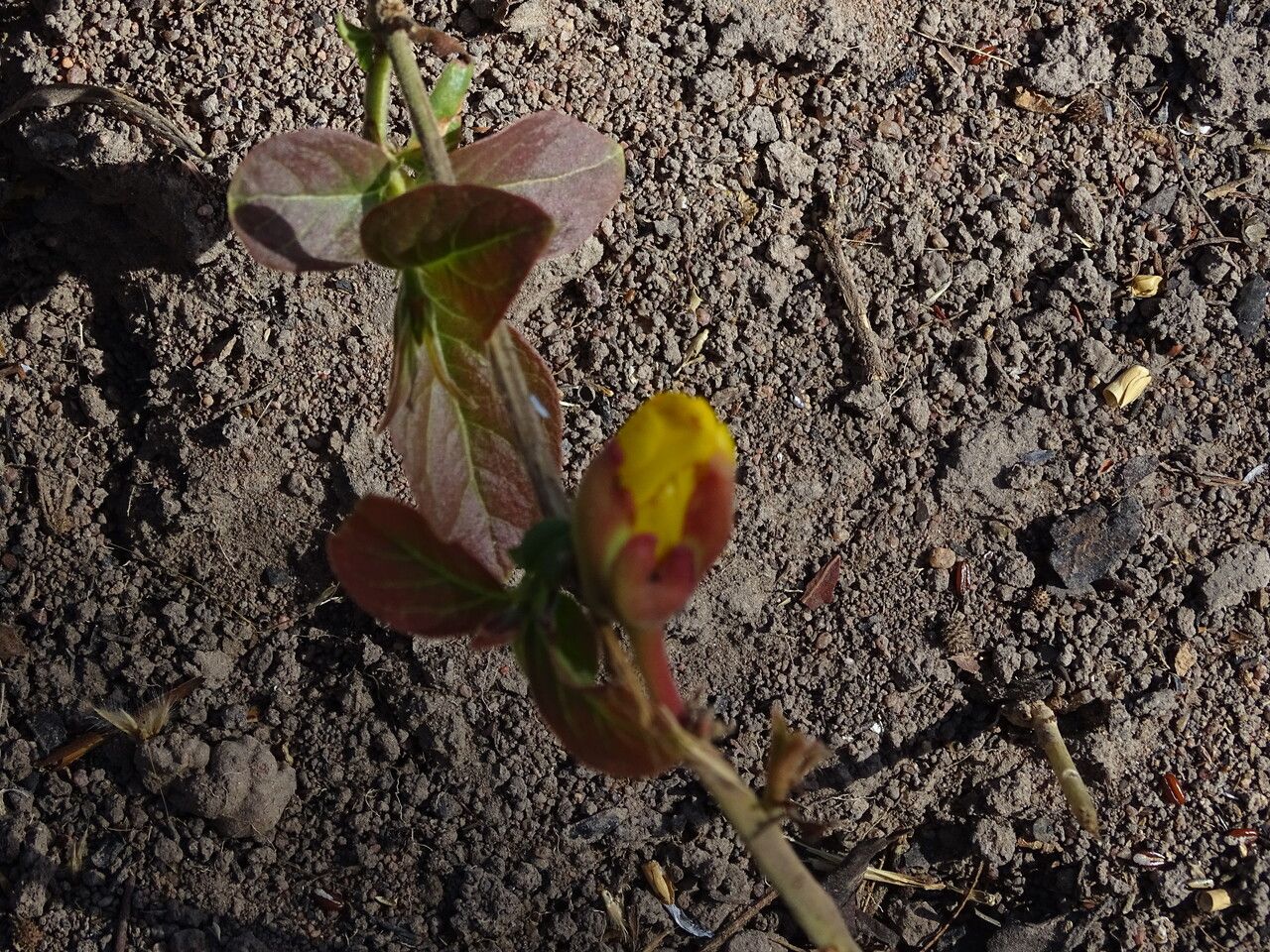
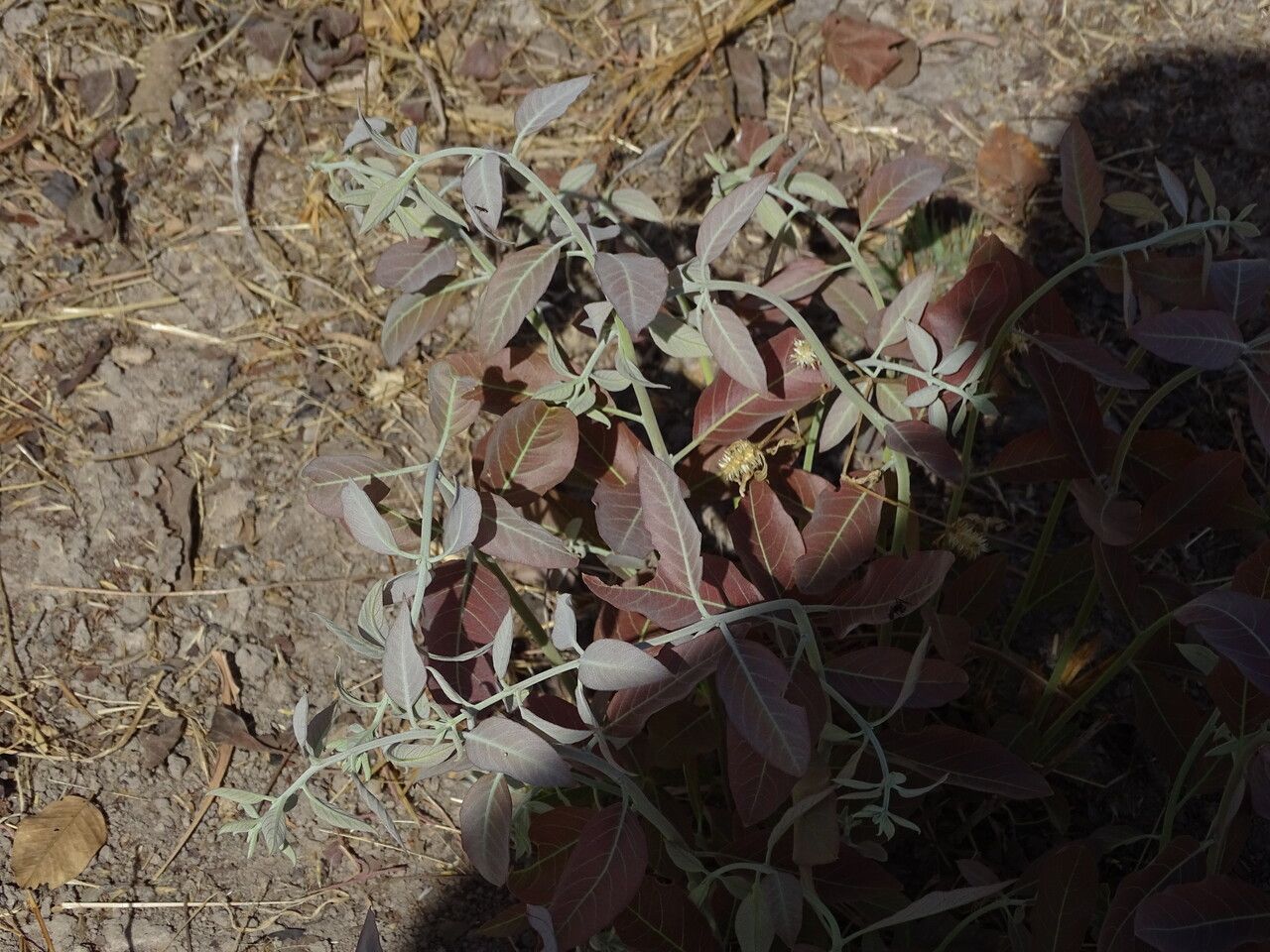
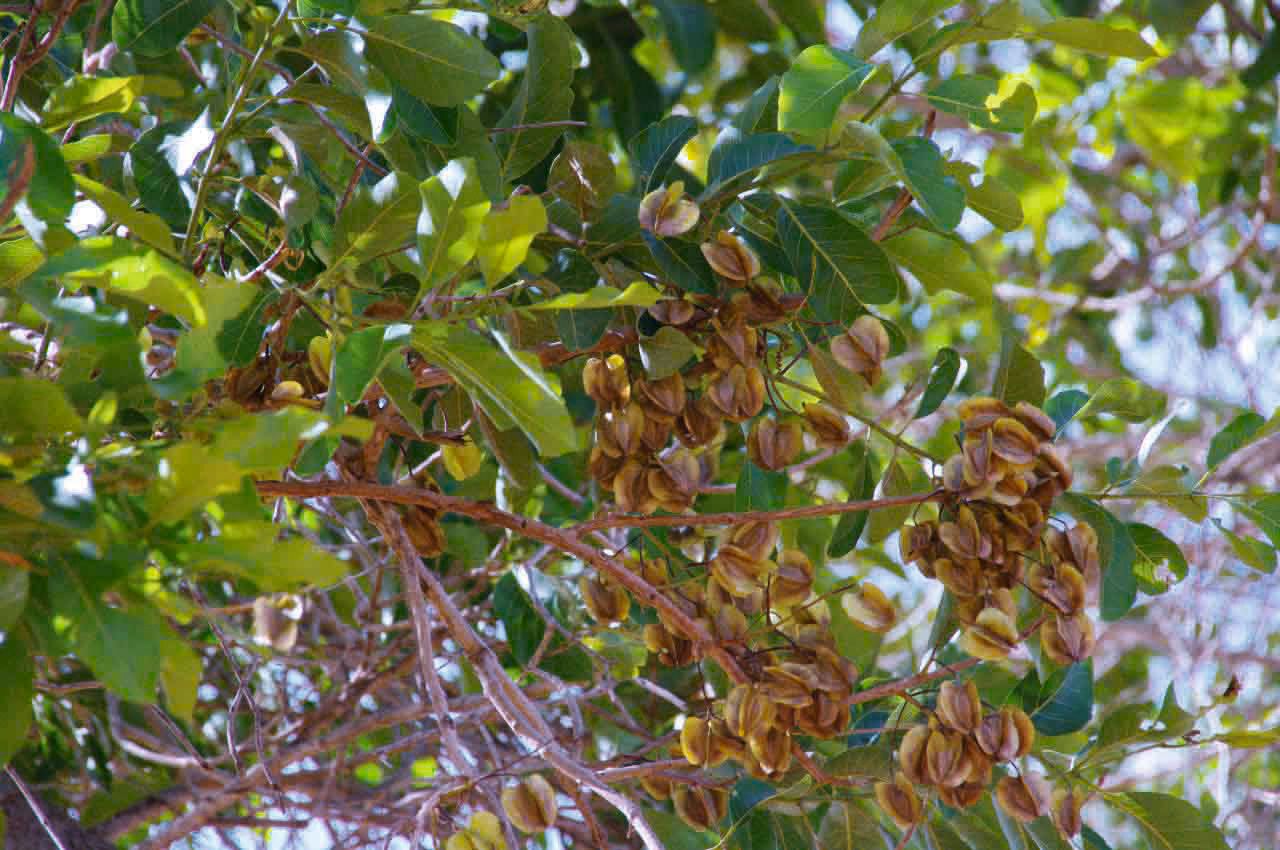
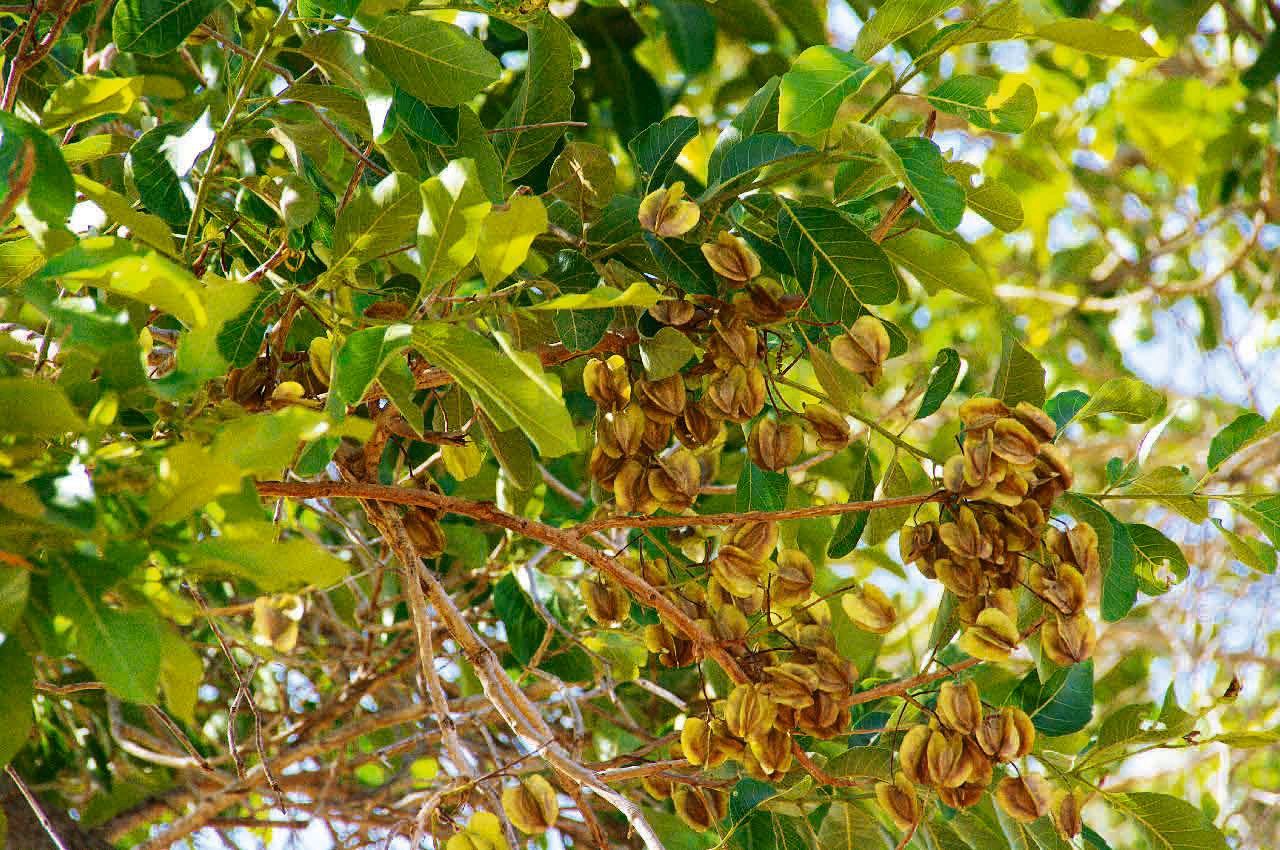
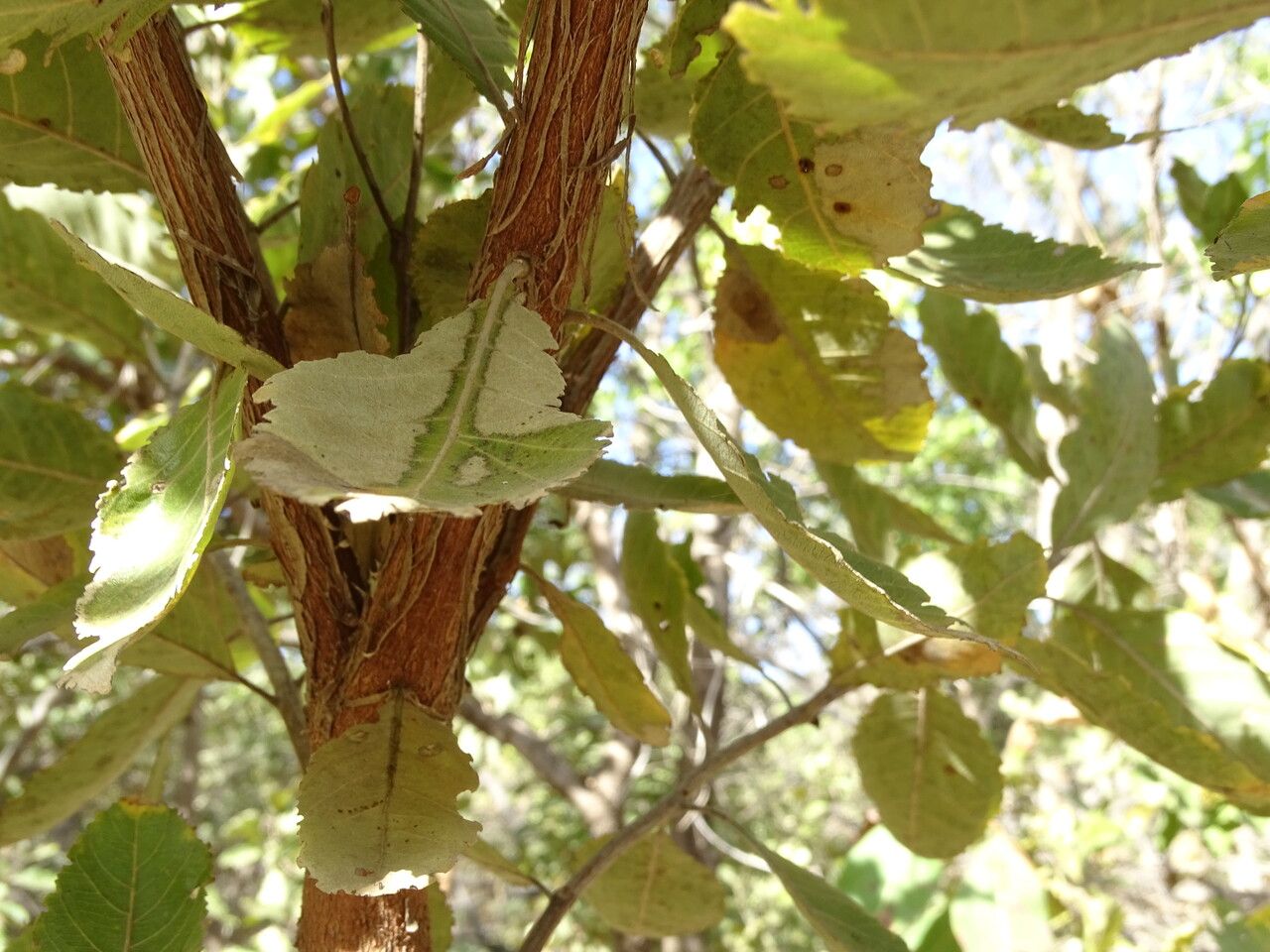
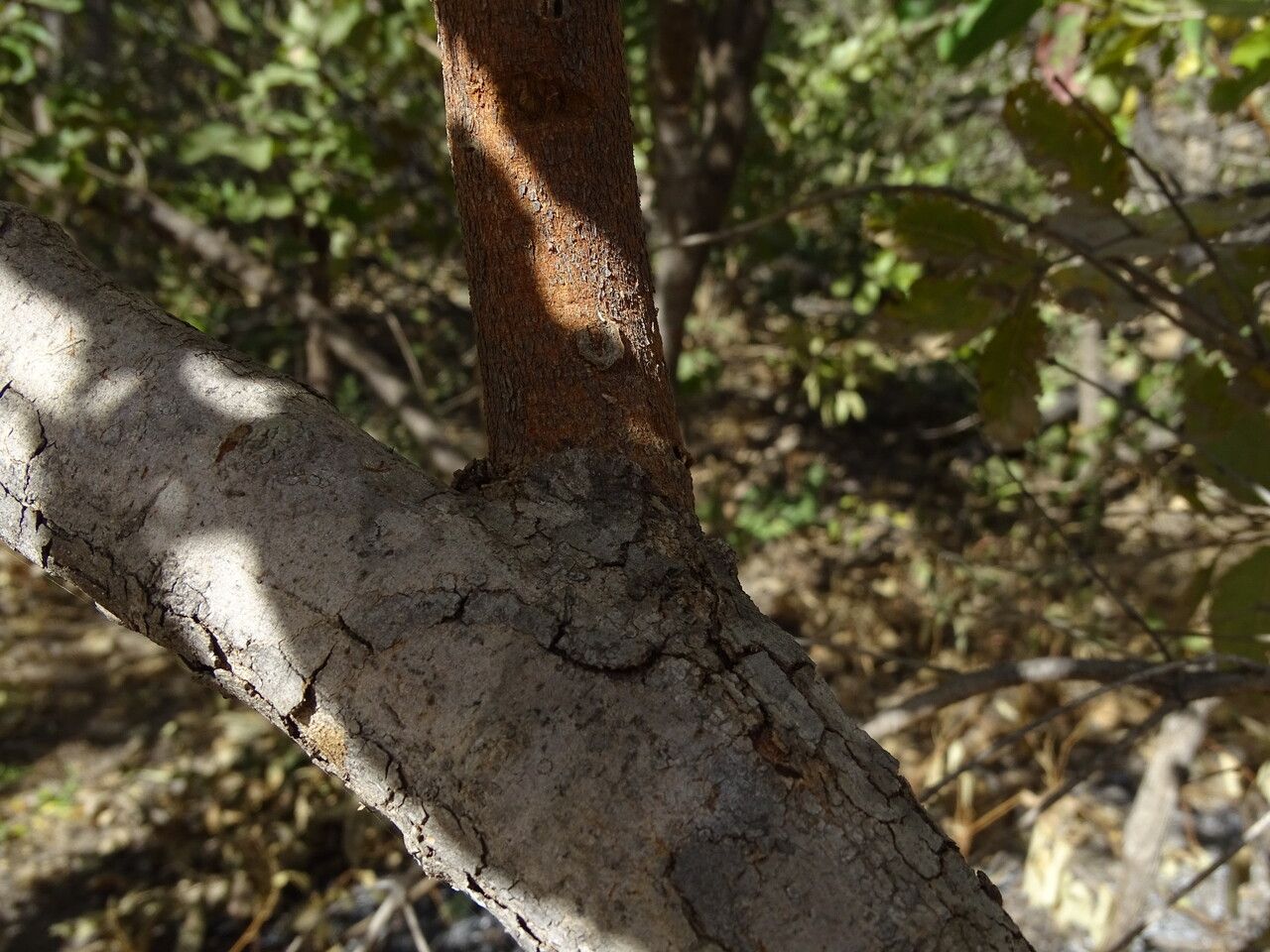
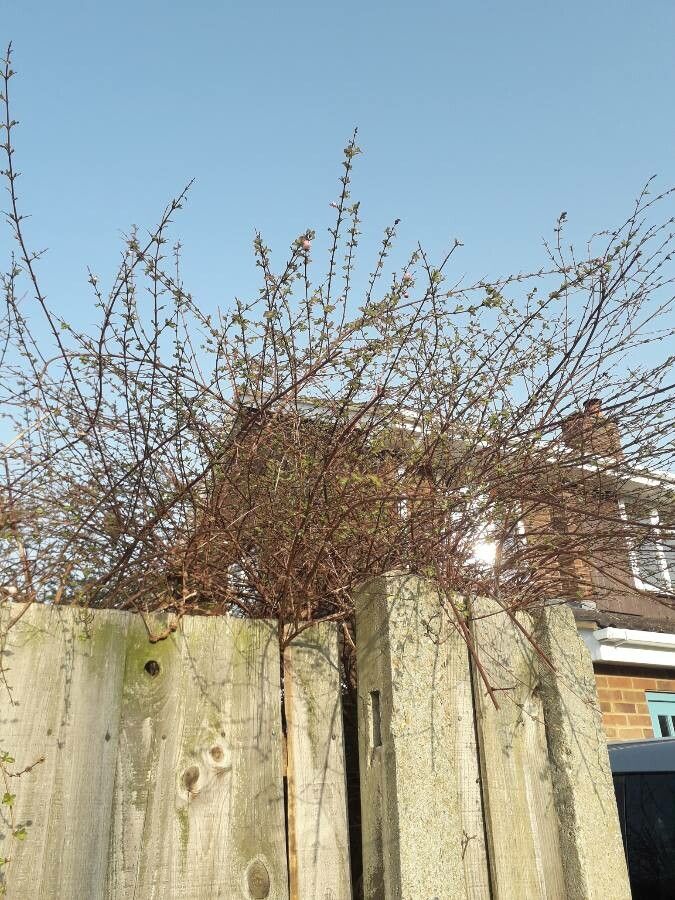
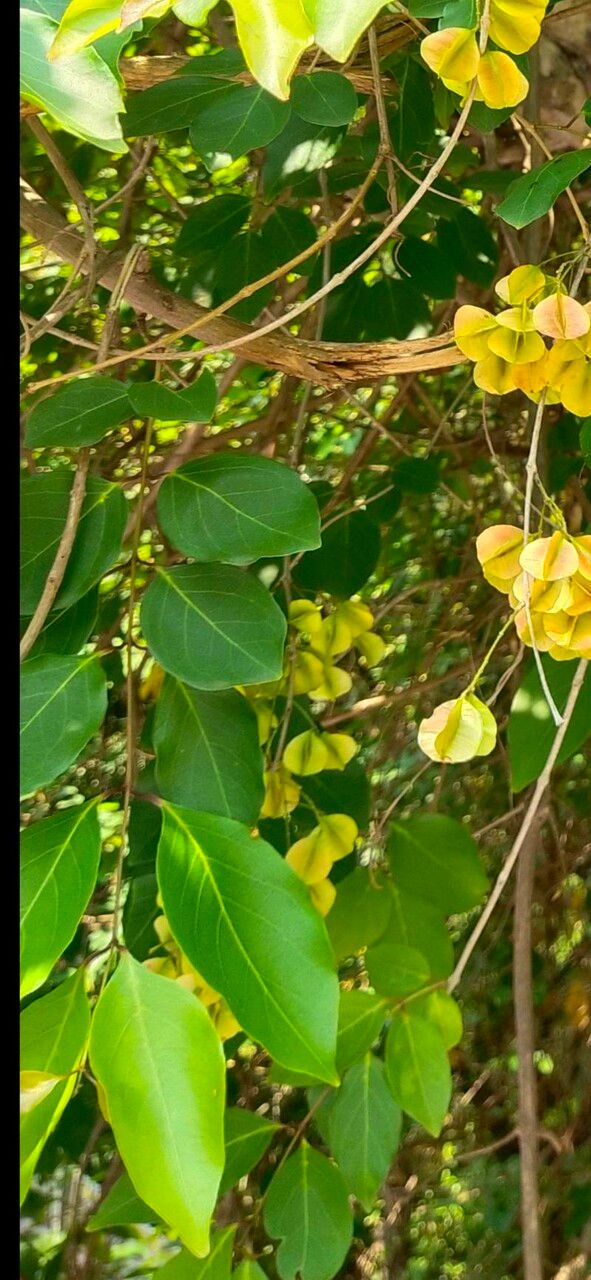
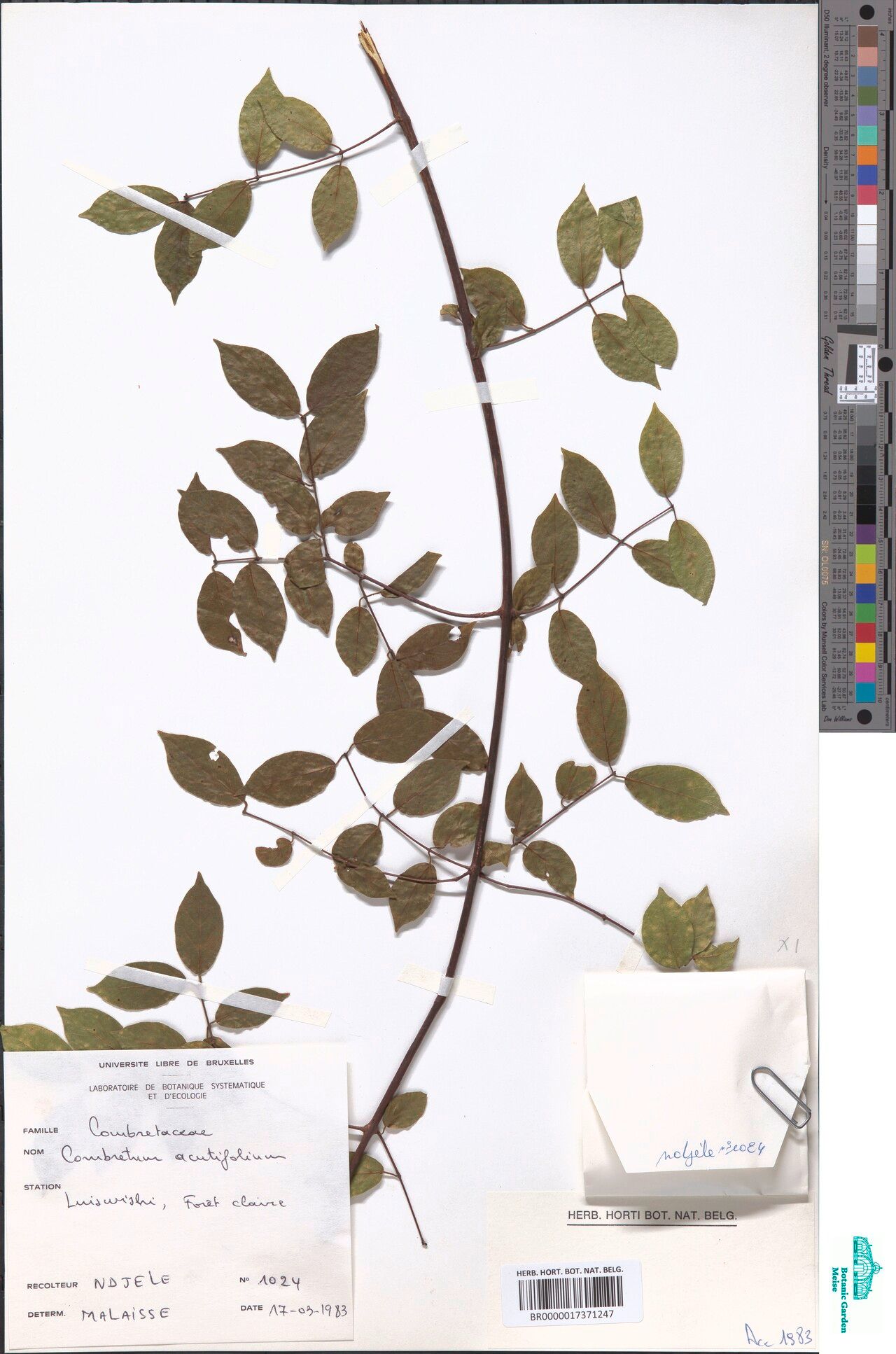
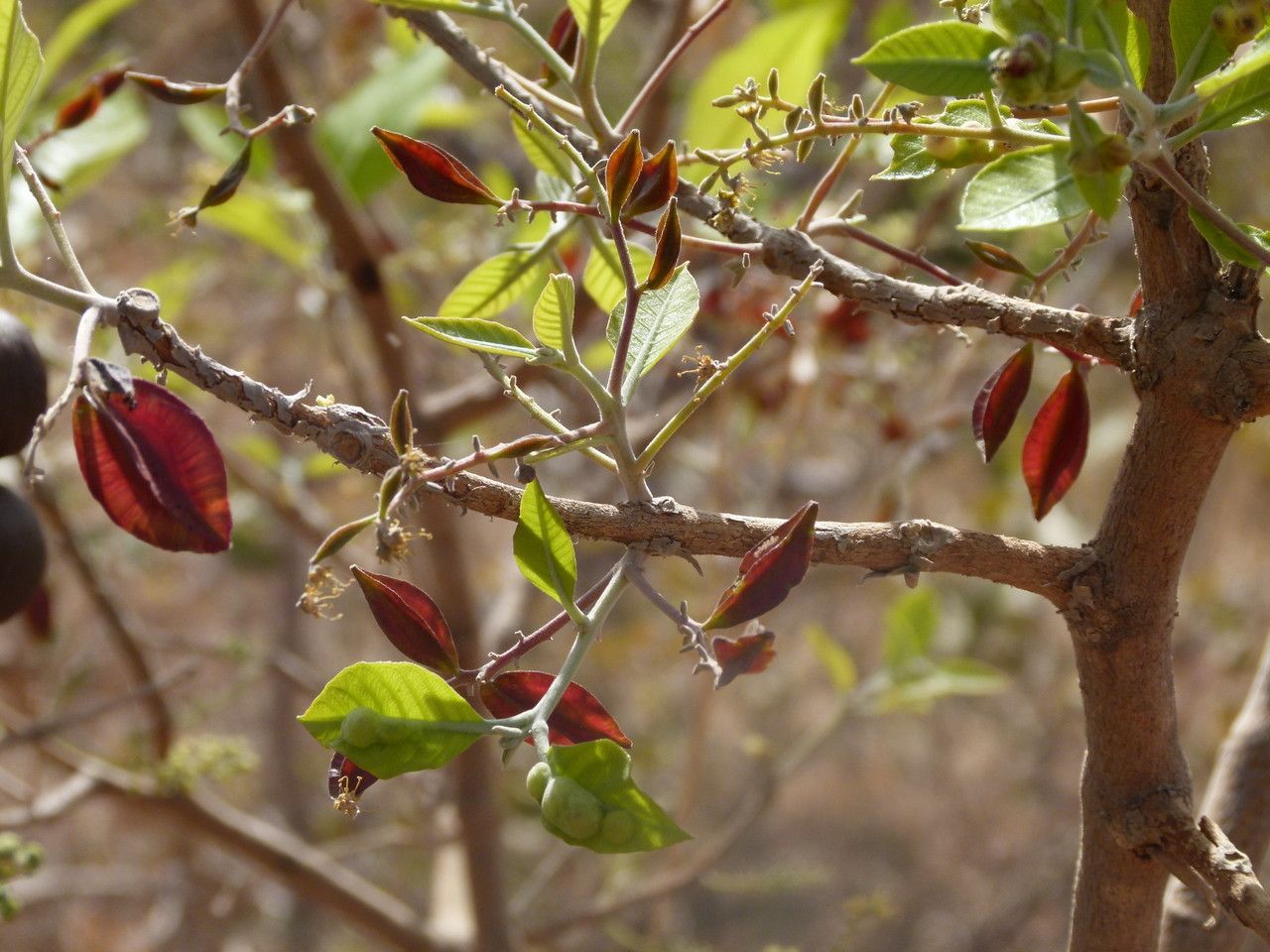
Combretum glutinosum is a shrub species of the genus Combretum, found in the Sahel belt in parts of Senegal, Burkina Faso, Ghana, Mali, the Gambia, Niger, Nigeria and Cameroon, across to parts of Sudan. It is known as dooki in Pulaar, Kantakara in Hausa, rat in Wolof and jambakatan kè in Maninka. Its synonyms are Combretum cordofanum Engl. & Diels, C. passargei Engl. & Diels, C. leonense Engl. & Diels.
Combretum glutinosum is resistant to diseases and typically not susceptible to them. In terms of care, this species is fairly low-maintenance. Planted outdoors it needs only light watering, and larger specimens usually do not require pruning. Smaller plants, however, should be pruned after flowering. Combretum glutinosumt is well suited to anyone with an outdoor area, such as a garden or deck, and does not demand extensive gardening experience.
How to keep Combretum Glutinosum.
Light
Combretum glutinosum is native to open habitats, such as sunlit meadows and forest margins, which offer plenty of light. It grows best in full sun but can also withstand partial sun, adapting well to varying light conditions.
Temperature
Combretum glutinosum comes from tropical areas where the climate is generally warm and humid. Consequently, it is well suited to high temperatures and moisture. It is sensitive to abrupt temperature changes and prefers a steady thermal environment, so indoor temperature swings should be avoided. It typically cannot tolerate cold and needs relatively warm conditions for growth. If the surrounding temperature falls too low, the plant may stop growing or even perish.
Fertilizer
Fertilization is essential to the care of Combretum glutinosum. Consistent feeding during the growing season helps maintain the energy required for its showy leaves and supports overall growth. Failing to fertilize can lead to unhealthy foliage, reduced ornamental value, and stunted or weak growth that is prone to breaking.
Pruning
Combretum glutinosum is known for its vibrant foliage and rapid growth. To keep the plant healthy and looking its best, it is important to prune it in early spring. This involves removing dead branches, thinning crowded areas, and shaping the plant for an attractive appearance. Proper pruning promotes health and encourages flowering. It's crucial to use sharp, clean tools during this process to prevent disease. Taking care of the plant in early spring helps enhance its overall vitality and appearance throughout the growing season.
Botanical profile.
- Plant Type
- Tree
- Life Cycle
- Perennial
- Genus
- Combretum
- Family
- Combretaceae
- Hardiness Zone
- 10-12
- Mature Height
- 4.88 m to 10.06 m
- Mature Spread
- 3.96 m to 7.92 m
- Leaf Color
- Dark Green, Olive Drab
- Leaf Type
- Deciduous
- Flower Color
- Yellow, White
- Flower Size
- 0.51 cm to 0.76 cm
- Bloom Time
- Mid winter, Late winter, Early spring, Mid spring
- Planting Time
- Spring, Summer, Autumn
- Harvest Time
- Mid spring, Late spring, Early summer, Mid summer
- Native Area
- Burkina Faso, Sudan, Mauritania, Nigeria, Guinea, Guinea-Bissau, Niger, Chad, Benin, Mali, Sierra Leone, Cameroon, Togo, Senegal, Ghana, Gambia, Central African Republic
Other names.