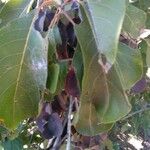
Combretum kraussii
Forest bushwillow
Description
Source: leafsnapCombretum kraussii, the forest bushwillow, is a medium-sized to large tree of eastern South Africa, Eswatini and southern Mozambique, which is found within, or in the vicinity of forests. The specific name commemorates Dr. F. Krauss who undertook a collecting trip to South Africa from 1838 to 1840.
Care Guide
💧 Water
☀️ Light Partial sun
Forest bushwillow occurs naturally in habitats such as forest understories and rocky sites, where it grows in natural shade. It favors partial sun but can tolerate full sun or full shade, reflecting its hardy and adaptable nature.
🌡️ Temperature 20–37.8°C
Forest bushwillow is quite adaptable to temperature, able to tolerate higher heat and larger swings in temperature. During hot periods, it is important to maintain proper watering and provide suitable shade to prevent sunburn. On the other hand, Forest bushwillow has relatively low tolerance for cold. Although it can endure some chill, excessively cold conditions can result in frost damage.
💨 Humidity dry (<40%)
This plant prefers dry conditions, so don't mist it. However, watering it less often can also thrive in higher humidity.
🪴 Soil 6-8
🌱 Fertilizer
The timing of fertilization is important for Forest bushwillow. Apply fertilizer in early spring and continue monthly until early summer. Fertilizer encourages attractive blooms and supplies energy during both dormant and active growth periods.
🪴 Pot & Repot
✂️ Pruning
🌿 Propagating
🐛 Diseases & pets
☠️ Toxicity
Characteristics
- Plant Type
- Tree
- Life Cycle
- Perennial
- Genus
- Combretum
- Family
- Combretaceae
- Hardiness Zone
- 9-11
- Mature Height
- 10.06 m to 14.94 m
- Mature Spread
- 4.88 m to 7.92 m
- Leaf Color
- Forest Green, Dark Green
- Leaf Type
- Evergreen
- Flower Color
- White
- Flower Size
- 0.51 cm to 0.76 cm
- Bloom Time
- Mid fall, Late fall, Early winter
- Planting Time
- Spring
- Harvest Time
- Mid winter, Late winter, Early spring
- Native Area
- South Africa, Eswatini, Mozambique