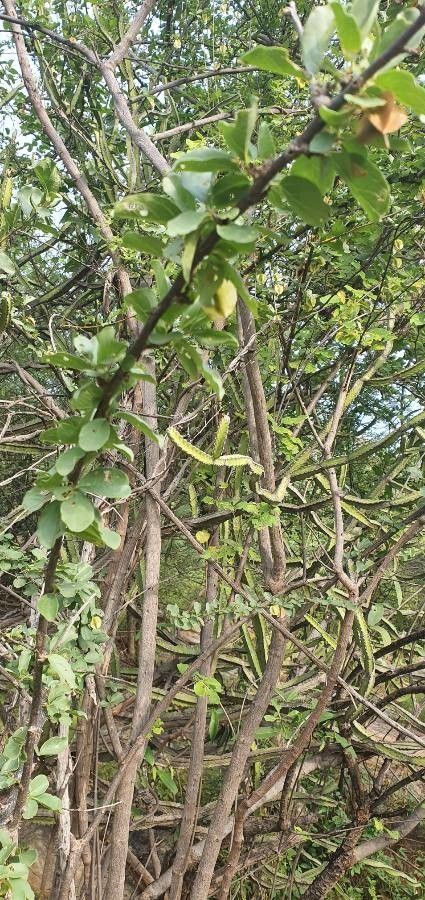
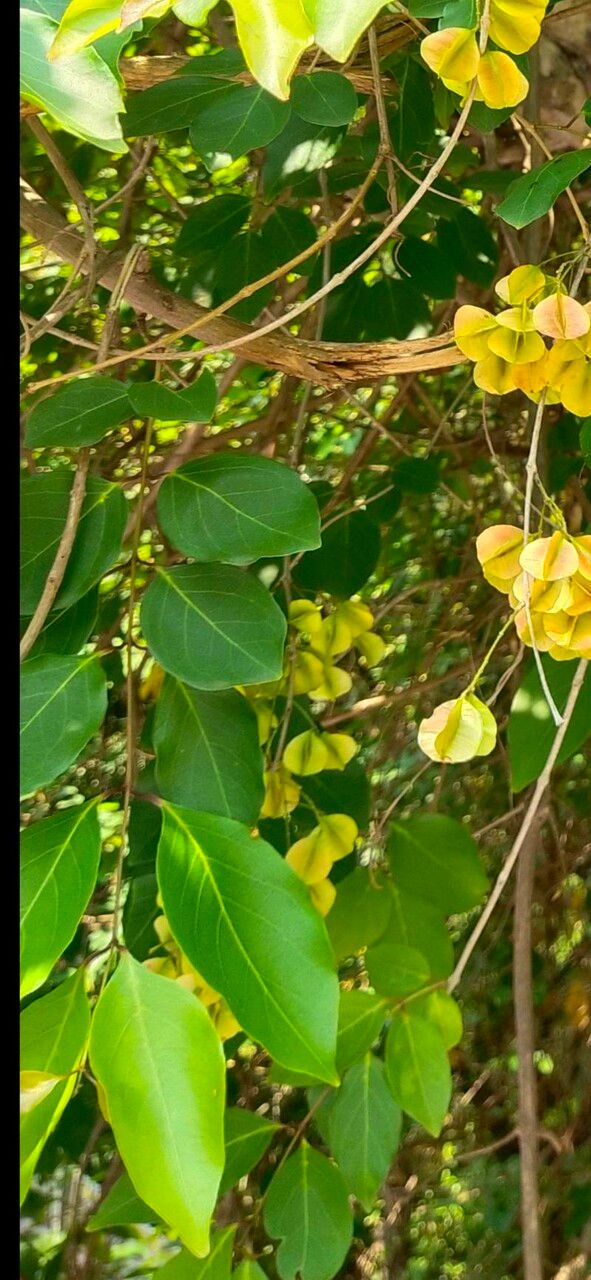
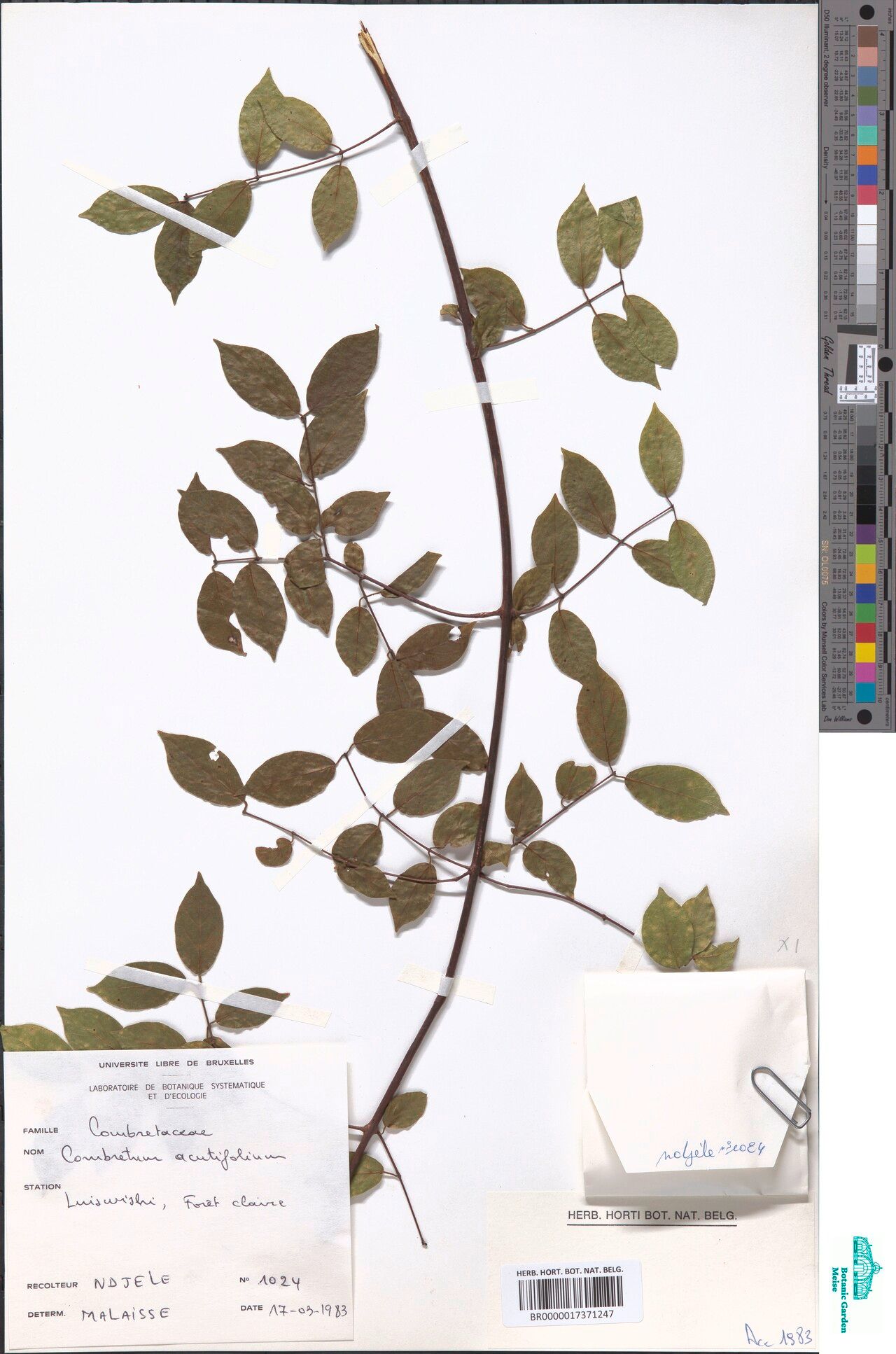
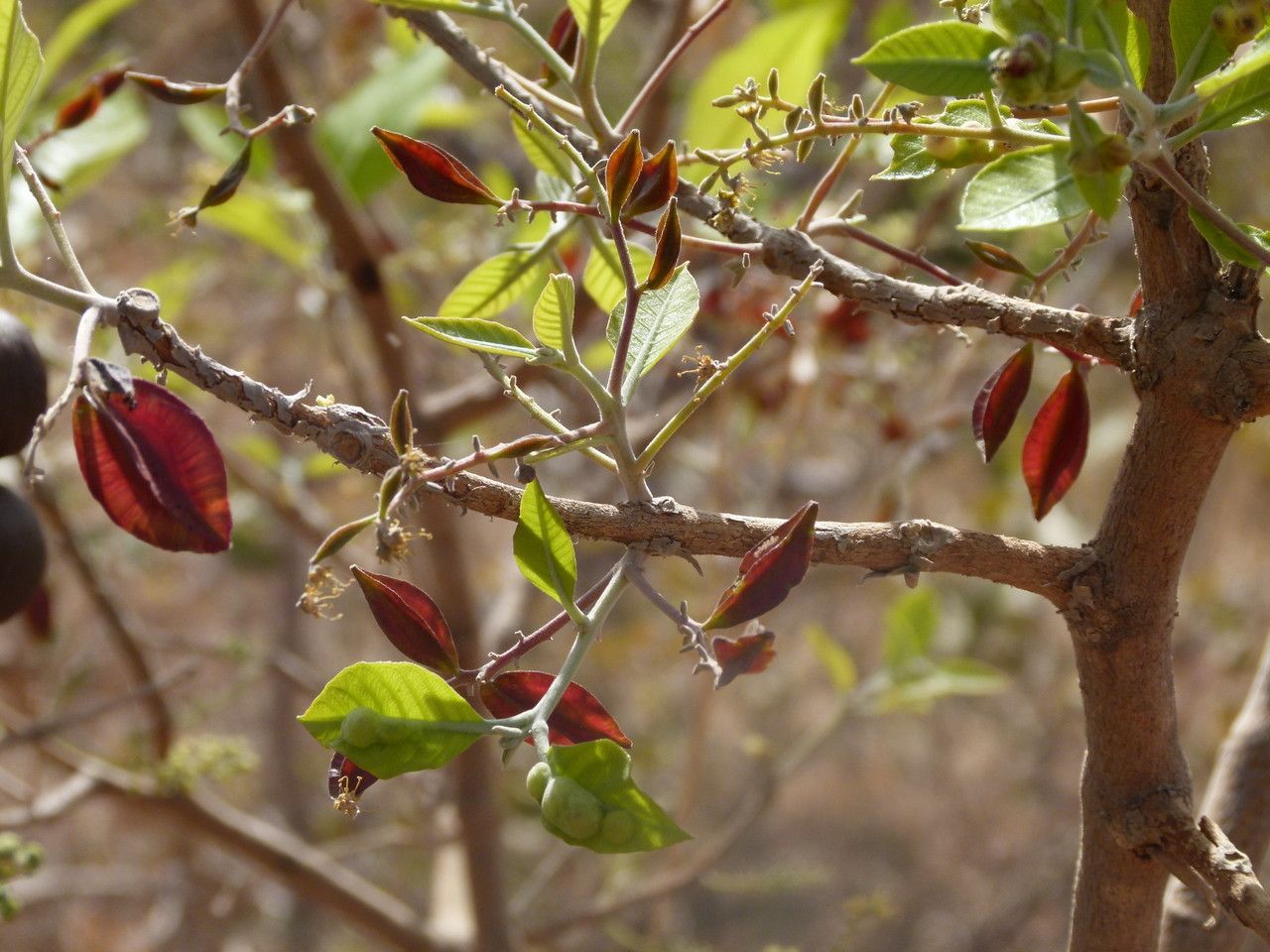
Combretum mossambicense, commonly known as the Mozambique Combretum, is a species of flowering plant in the Combretaceae family. It is native to southern Africa, particularly Mozambique, Zimbabwe, and South Africa. This plant typically grows as a shrub or small tree, reaching up to 5 meters in height.
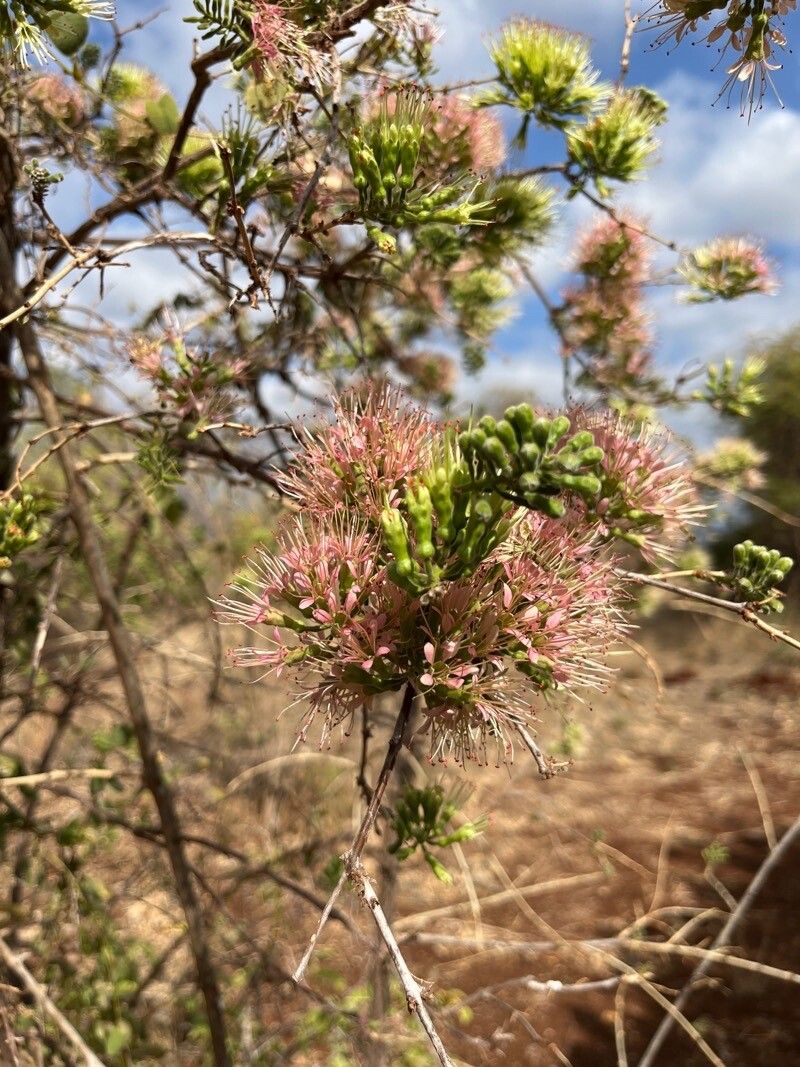
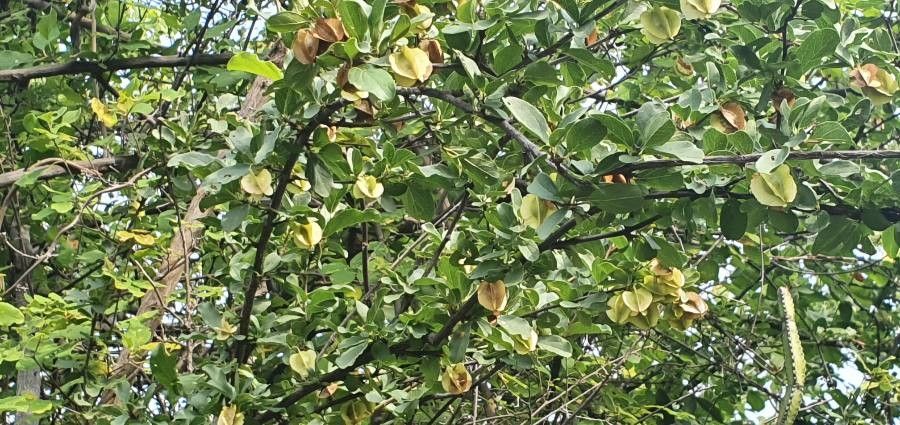
The leaves of Combretum mossambicense are simple, alternate, and oval-shaped. They are dark green and glossy on the upper surface, while paler on the underside. The flowers are small, white or cream-colored, and have five petals arranged in clusters at the ends of branches.
The fruit of this species is a woody capsule containing a single seed. When mature, the capsules turn brown and split open to release their seeds, which can be dispersed by wind or animals.
Combretum mossambicense prefers well-drained soils but can tolerate various soil types, including sandy coastal soils. It thrives in full sun but can also tolerate partial shade.
This plant holds various medicinal uses among indigenous communities, such as treating fever, diarrhea, and stomach ailments, due to its anti-inflammatory properties found in its bark extracts, which have been used for centuries in traditional medicine.
Overall, Combretum mossambicense offers both ornamental value with its attractive flowers and medicinal properties, making it an important species within the southern African ecosystems where it naturally occurs.
How to keep Combretum Mossambicense.
Pruning
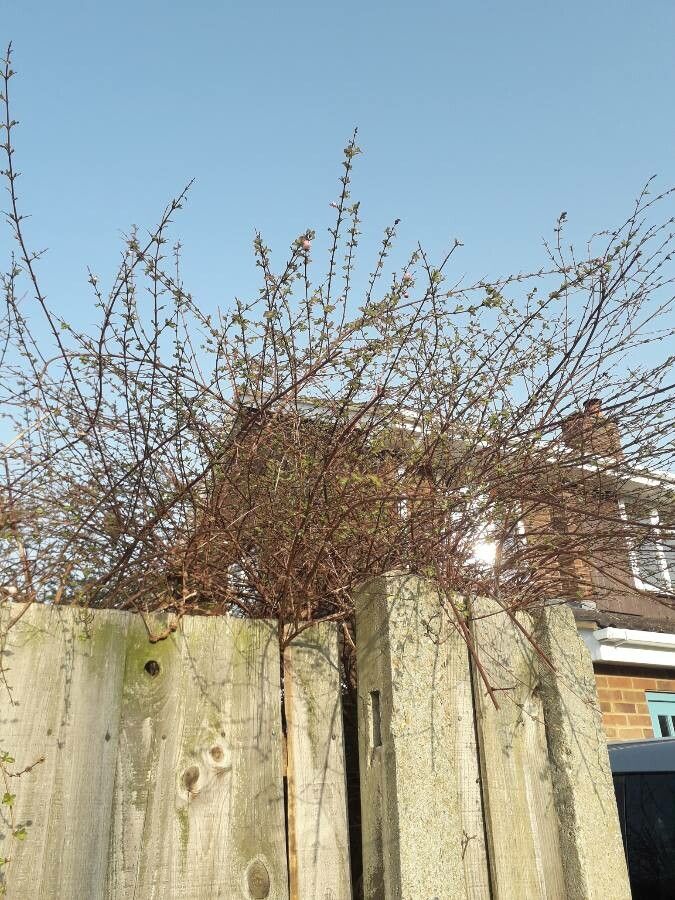
Early spring is the ideal time to prune the knobbly climbing bushwillow. During this period, you can remove dead wood, thin out branches to improve airflow, and shape the plant. Pruning at this time aligns with the plant's new growth phase, which encourages healthier development, increased flowering, and a better overall structure. It also helps prevent overcrowding and reduces the risk of disease.
Botanical profile.
- Life Cycle
- Perennial
- Genus
- Combretum
- Family
- Combretaceae
Other names.