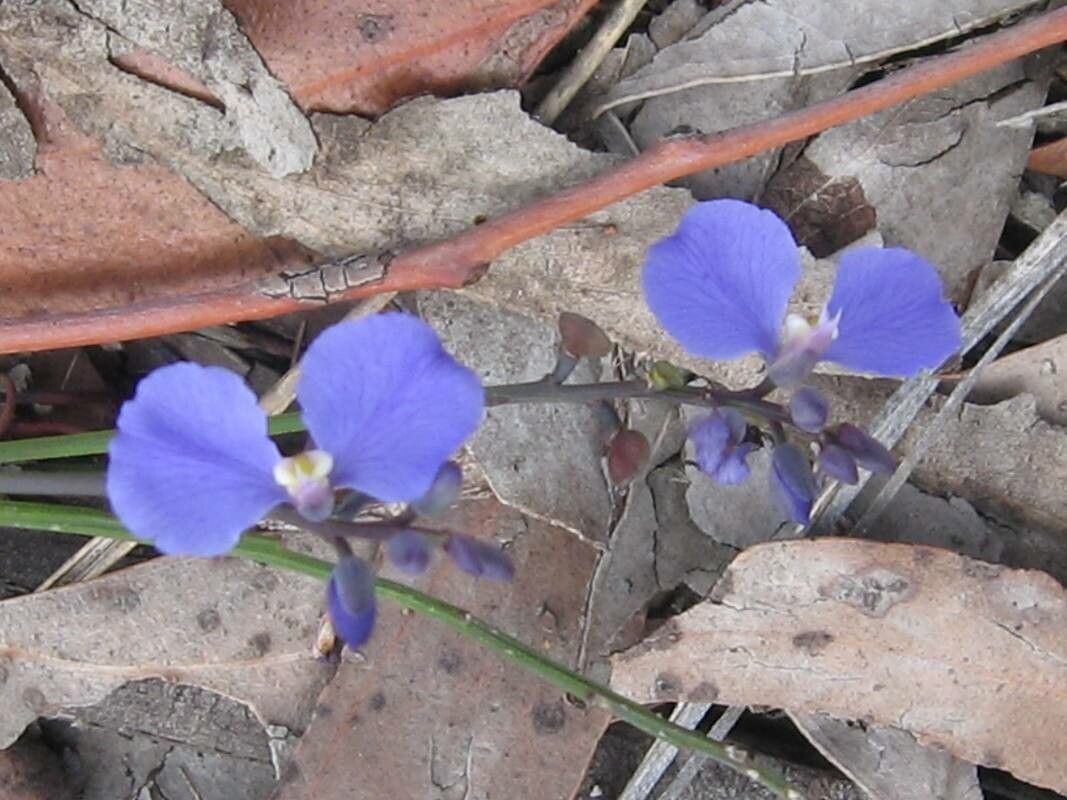
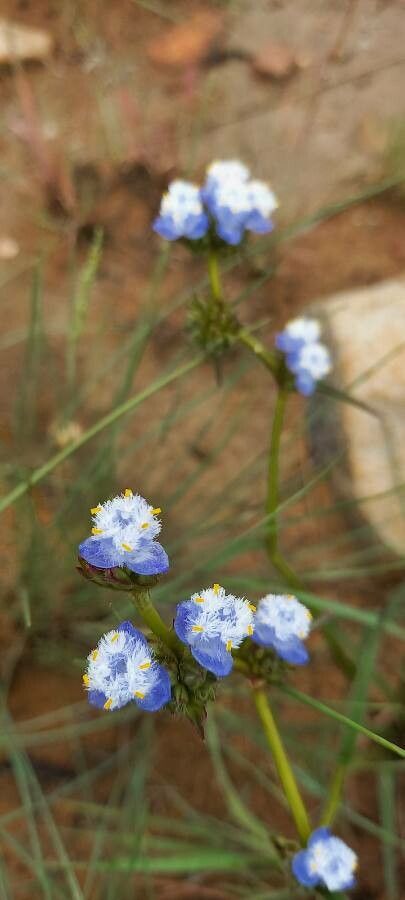
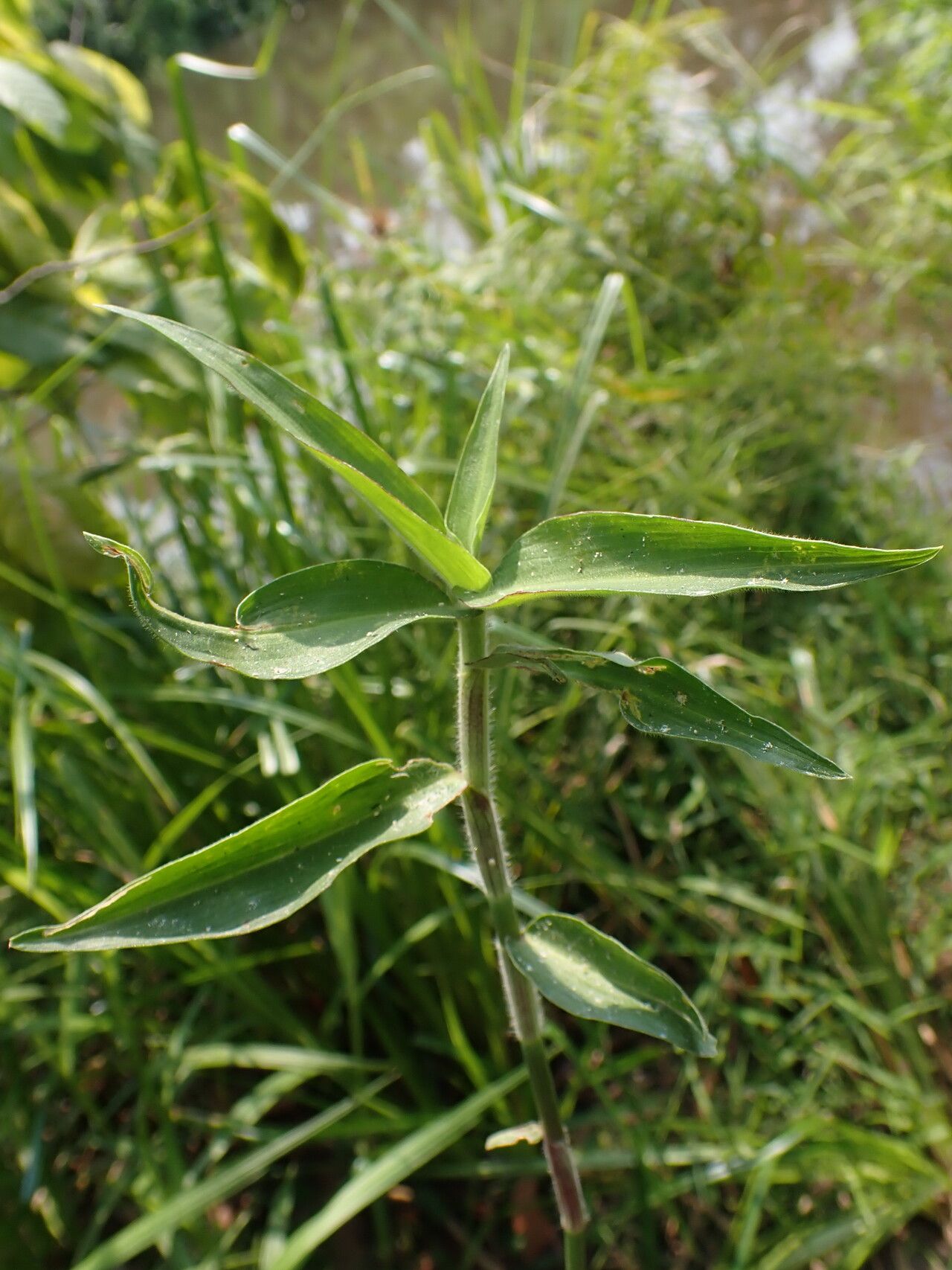
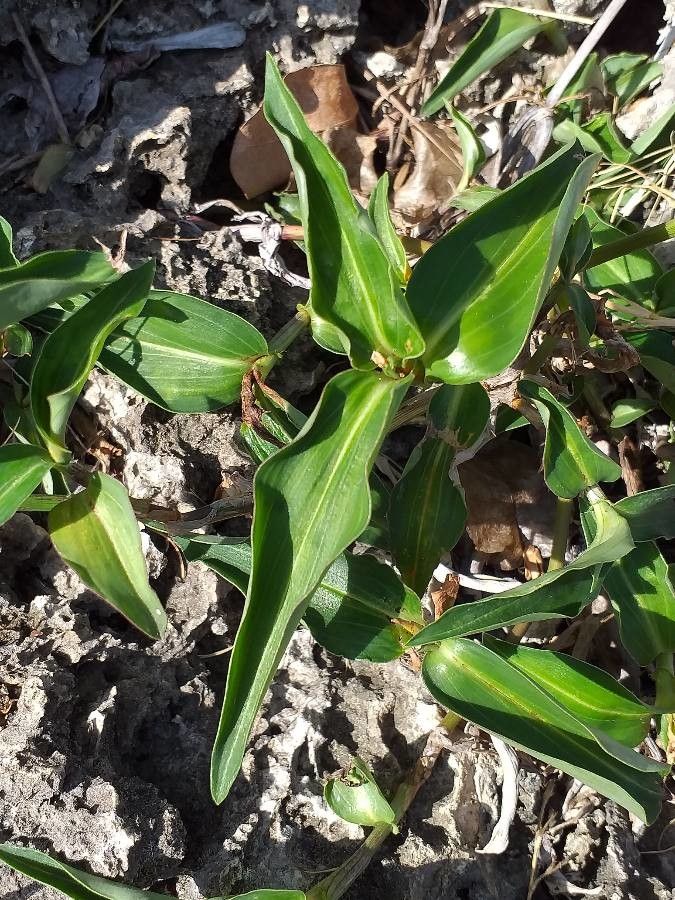
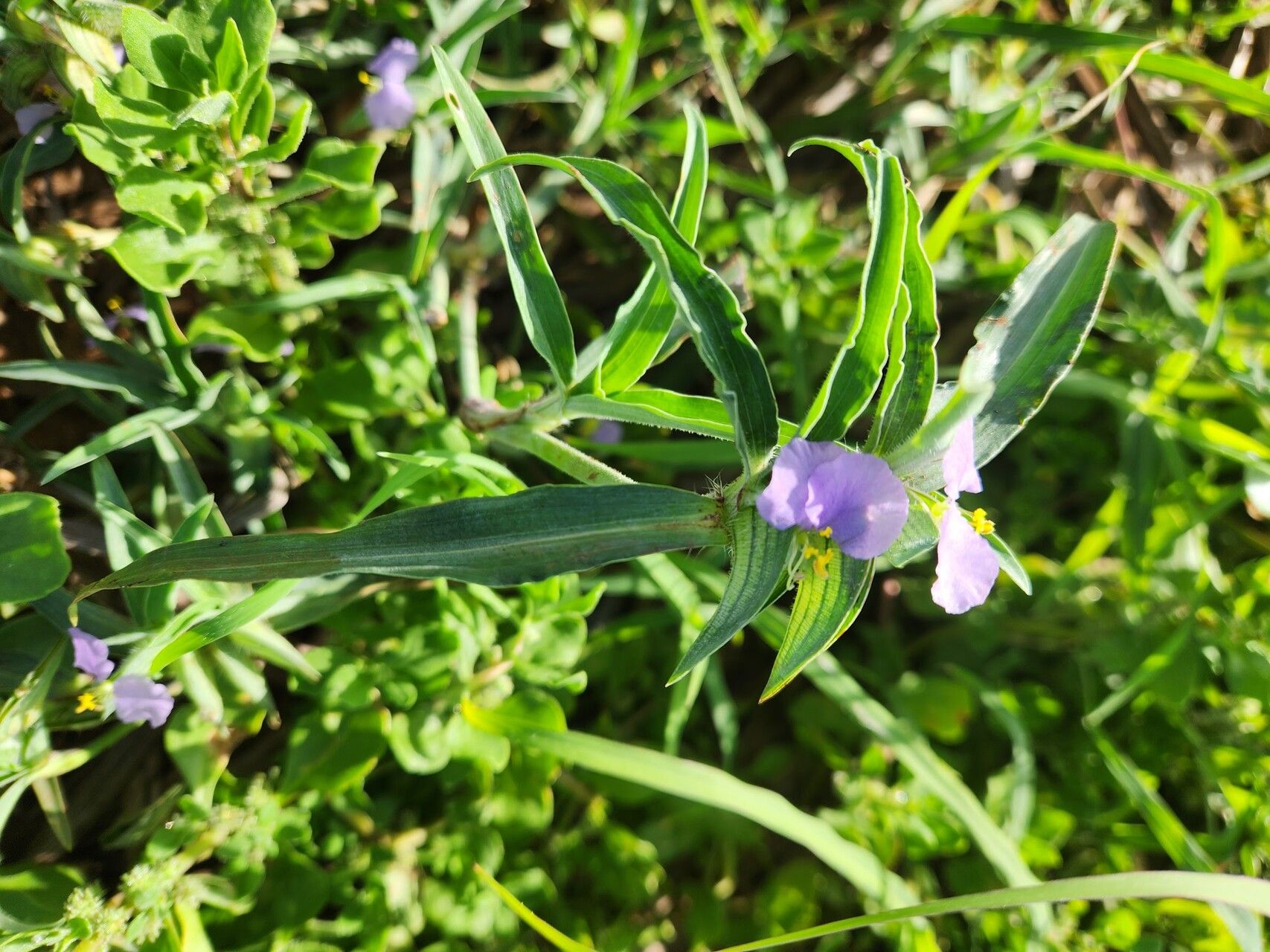
Commelina dianthifolia, known as the birdbill dayflower, is a perennial herb native to the south-western United States (Arizona, Colorado, New Mexico, Texas) and northern Mexico. Petals are blue while sepals are green. The inflorescence is a scorpioid cyme and it is subtended by a boat-like spathe.
Birdbill dayflower is generally resistant to disease and usually not prone to illnesses. However, it can be vulnerable to pests or diseases present in its surroundings. Such infections are typically not severe. In terms of care, this plant needs moderate maintenance. It requires regular pruning to maintain a tidy appearance and support healthy growth. Fertilizing can also help encourage flowering. Birdbill dayflower is appropriate for anyone with outdoor space, such as a garden or patio, and does not demand extensive care experience. It may need more attention when grown indoors.
How to keep Commelina Dianthifolia.
Light
The birdbill dayflower prefers sites bathed in sunlight throughout the day, yet it can also do well with only occasional sun exposure. In its natural surroundings it flourishes in locations that receive steady, uninterrupted sunlight. However, either too much or too little sun can adversely affect its growth.
Water
The Birdbill dayflower thrives in moist environments, needing consistent hydration without becoming waterlogged. To maintain its health, especially during the growing season, it requires weekly watering. While it is typically grown outdoors and benefits from natural rainfall, efficient irrigation practices are essential for its optimal growth.
Temperature
Birdbill dayflower can tolerate a wide range of temperatures, but its distribution may still be restricted by specific combinations of moisture and heat. It does best in warm summer conditions with sufficient rainfall or watering. Extended periods of cloudy, rainy weather, as well as prolonged high temperatures, can raise the chances of the plant dying. In winter, protecting it from cold can increase its survival rate.
Fertilizer
The best time to fertilize a Birdbill dayflower is in early spring, when it is coming out of dormancy and starting active growth. Fertilizing supplies the essential nutrients needed for healthy development. Although Birdbill dayflower has relatively low fertilizer requirements, giving it fertilizer once a year can improve its survival and encourage better, longer-lasting blooms.
Pruning
The birdbill dayflower is a perennial herb characterized by its blue flowers and lance-shaped leaves. To encourage new growth and maintain its shape, it's best to prune in early to late spring. Remove any dead stems and thin out overcrowded areas to improve airflow. Make sure to use clean, sharp tools for more effective pruning and to enhance the plant's vigor.
Pot & Repot
Repot the birdbill dayflower every 2 to 3 years during the spring season to encourage healthy growth. Use a slightly larger pot to give its roots more space. Ensure the soil remains moist, but avoid letting it become waterlogged. Position the plant in bright, indirect light. While the birdbill dayflower is resilient, it thrives with attentive care.
Botanical profile.
- Plant Type
- Herb
- Life Cycle
- Perennial, Annual, Biennial
- Genus
- Commelina
- Family
- Commelinaceae
- Hardiness Zone
- 7-10
- Mature Height
- 30 cm
- Mature Spread
- 30 cm
- Leaf Color
- Green
- Leaf Type
- Semi-evergreen
- Flower Color
- Blue
- Flower Size
- 2.03 cm to 3.05 cm
- Bloom Time
- Summer, Early fall, Mid fall
- Planting Time
- Spring, Summer
- Harvest Time
- Late summer, Fall, Early winter
Other names.
Reader questions.
What are the sunlight requirements for birdbill dayflower?
Birdbill dayflower thrives in locations that are bathed in sunlight throughout the day, making it ideal for areas that receive full sun, defined as above 6 hours of direct sunlight daily. However, it can also grow well in partial sun, which means it gets about 3-6 hours of sunlight. It's crucial to observe how sunlight moves through your garden to ensure you're providing your plants with the right balance of light and shade to meet their needs.
What is the Birdbill dayflower also known as?
The Birdbill dayflower is also known by its botanical name, Commelina dianthifolia.
Can birdbill dayflower grow with artificial lighting?
Yes, in scenarios where natural sunlight is not ample, especially for indoor plants during winter or in spots that don't get enough sun, artificial lighting can be a lifesaver. Indoor plants, including birdbill dayflower, require adequate lighting for optimal growth. Using artificial lights, such as LED lights which can be tailored to provide specific light wavelengths needed by plants, help promote healthier and faster growth. For full sun plants, 30-50W per square foot is necessary, 20-30W per square foot for partial sun plants, and 10-20W per square foot for full shade plants. The artificial light should be placed 12-36 inches above the plant for 8-12 hours per day to mimic natural daylight conditions.
What are the signs of inadequate lighting for birdbill dayflowers?
Birdbill dayflowers showing signs of inadequate lighting may exhibit symptoms such as new leaves growing smaller in size, leggy or sparse growth, faster leaf drop, slower or halted growth, and the development of lighter-colored or chlorotic leaves. Additionally, too much direct sunlight can cause issues like sunscald, leaf curling, wilting, and leaf scorching, which appear as damage to leaves or stems from intense exposure.
How can I remedy light deficiency symptoms in birdbill dayflowers?
To address light deficiency in birdbill dayflowers, gradually move your plant to a spot where it receives at least 6 hours of direct sunlight daily. For indoor plants, consider using a south-facing window or additional artificial light sources, such as desk lamps or professional grow lights, keeping them on for at least 8 hours daily. For outdoor plants, it's crucial to adjust them to brighter locations gradually to prevent sunburn. Removing obstructions that block sun and transplanting smaller plants during their dormant period to sunny spots with good drainage are effective strategies. It's important to note that while affected parts may not recover, new growth will be healthy with appropriate light exposure.