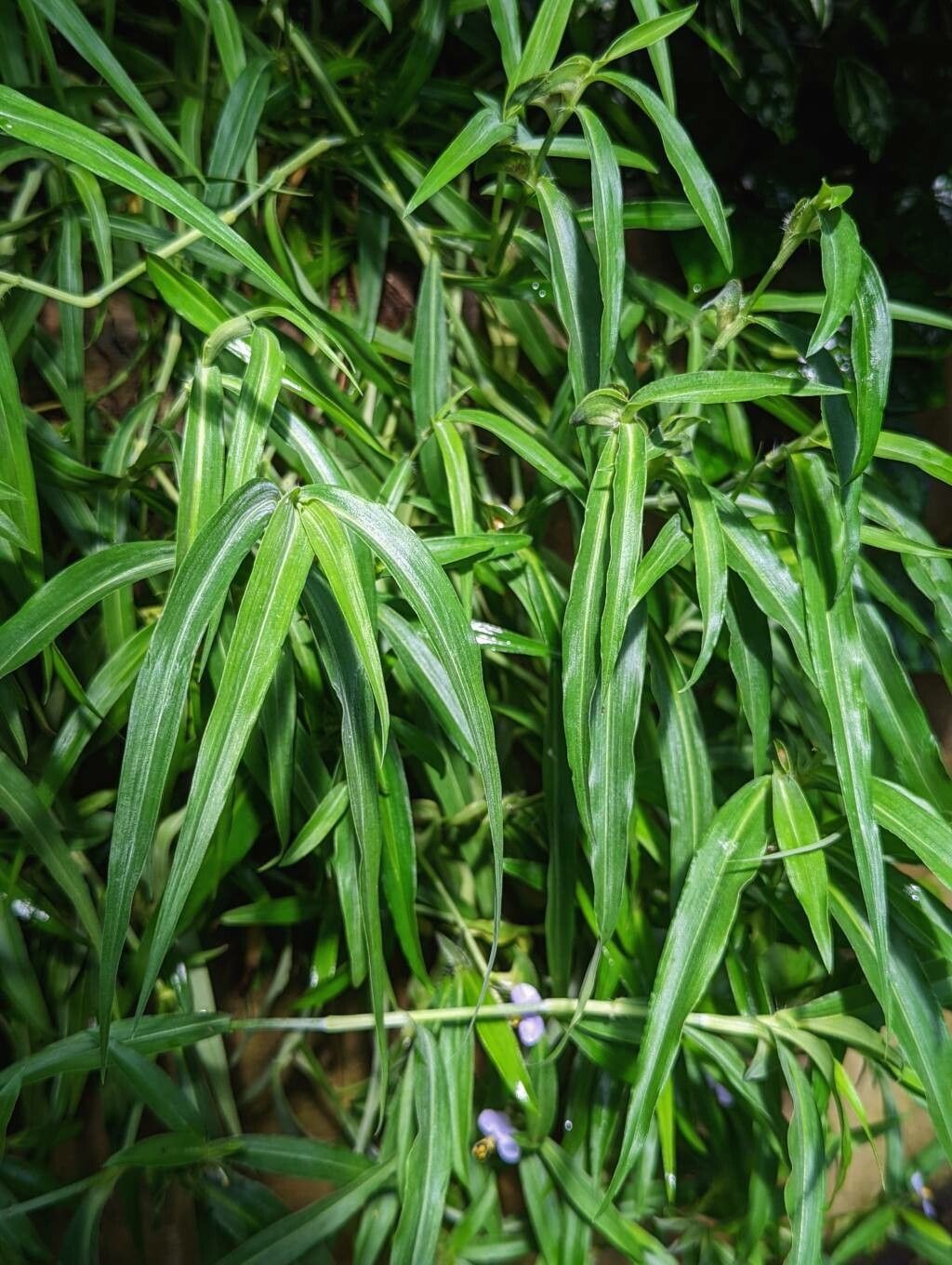
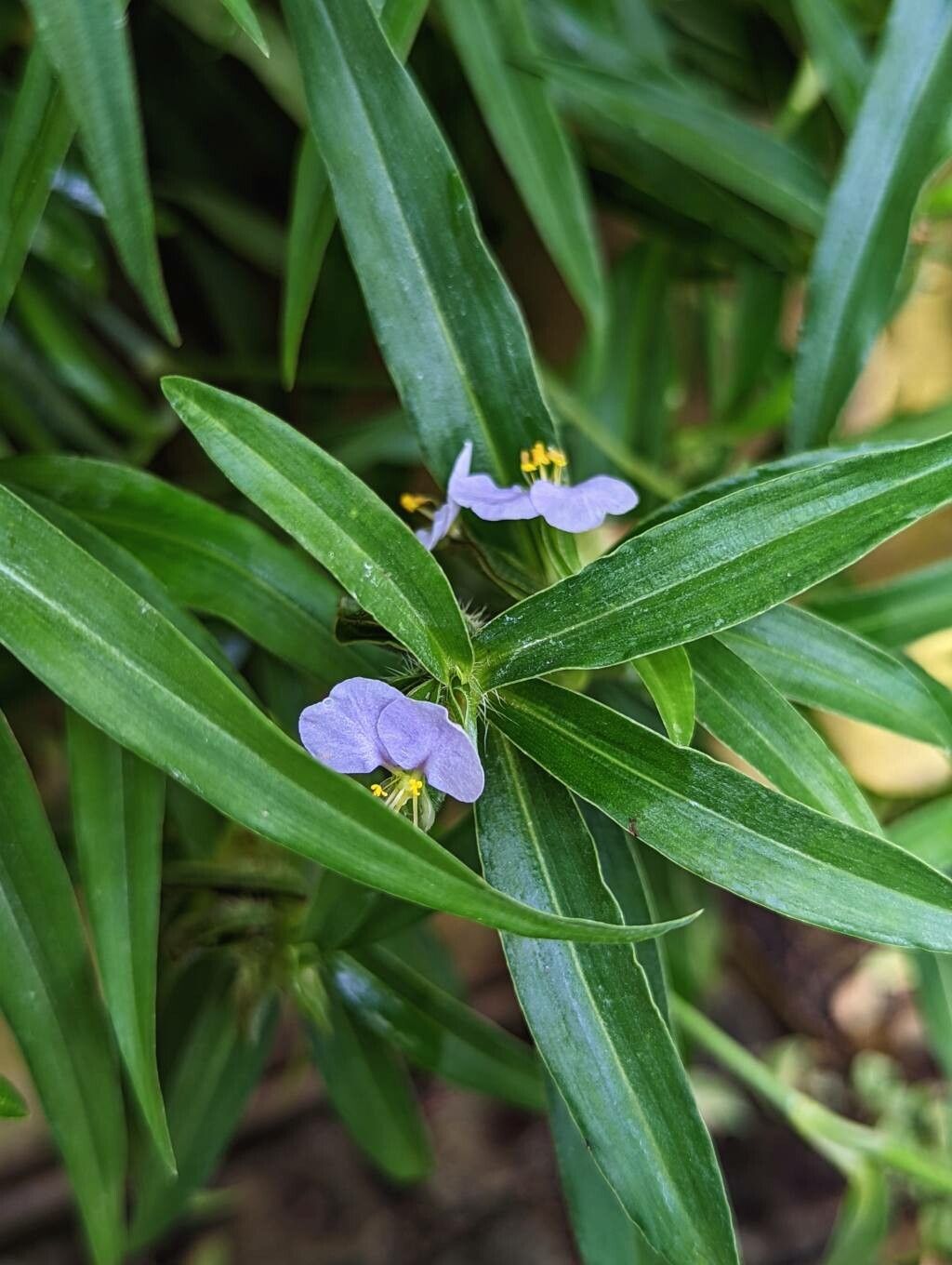
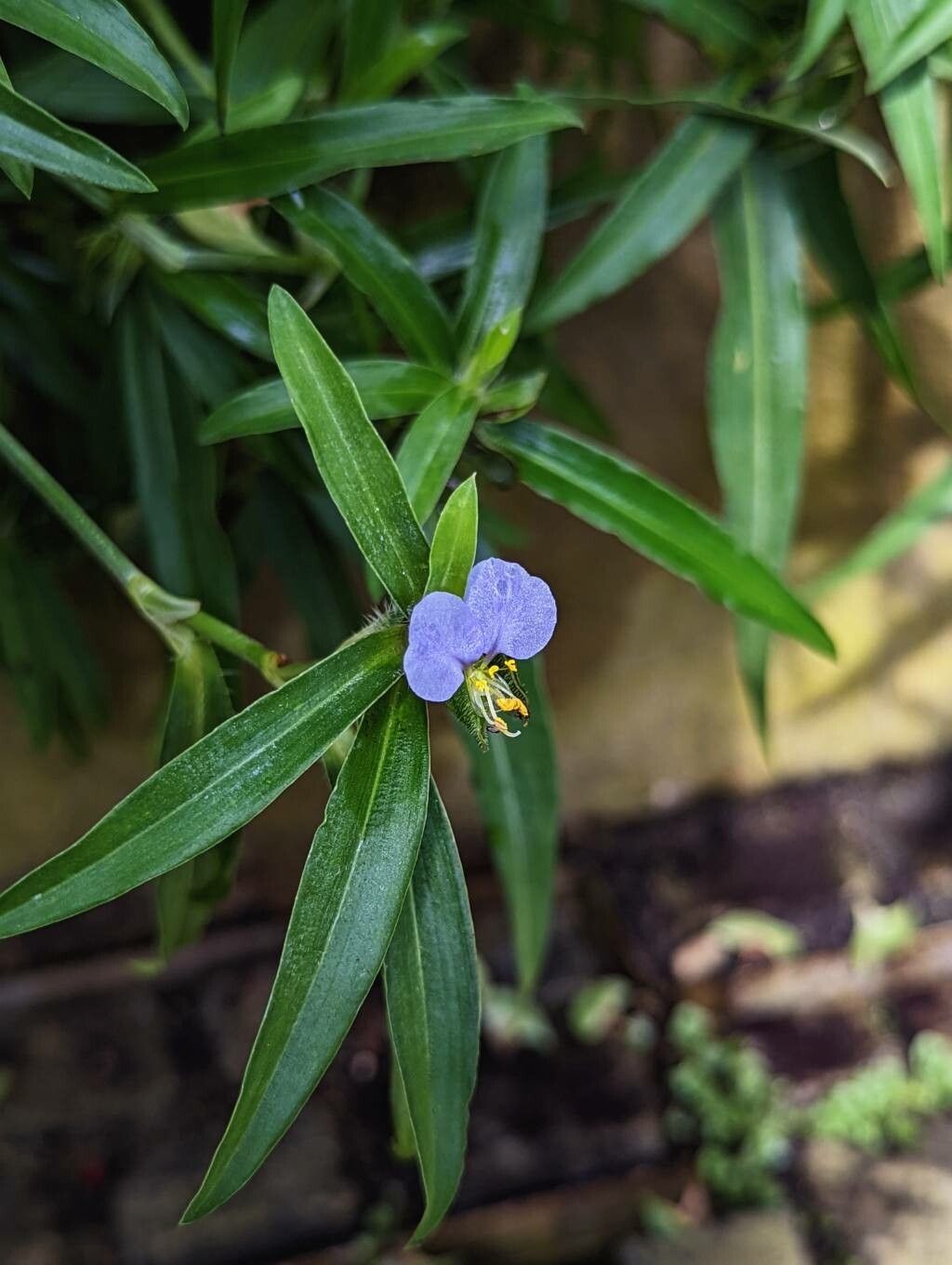
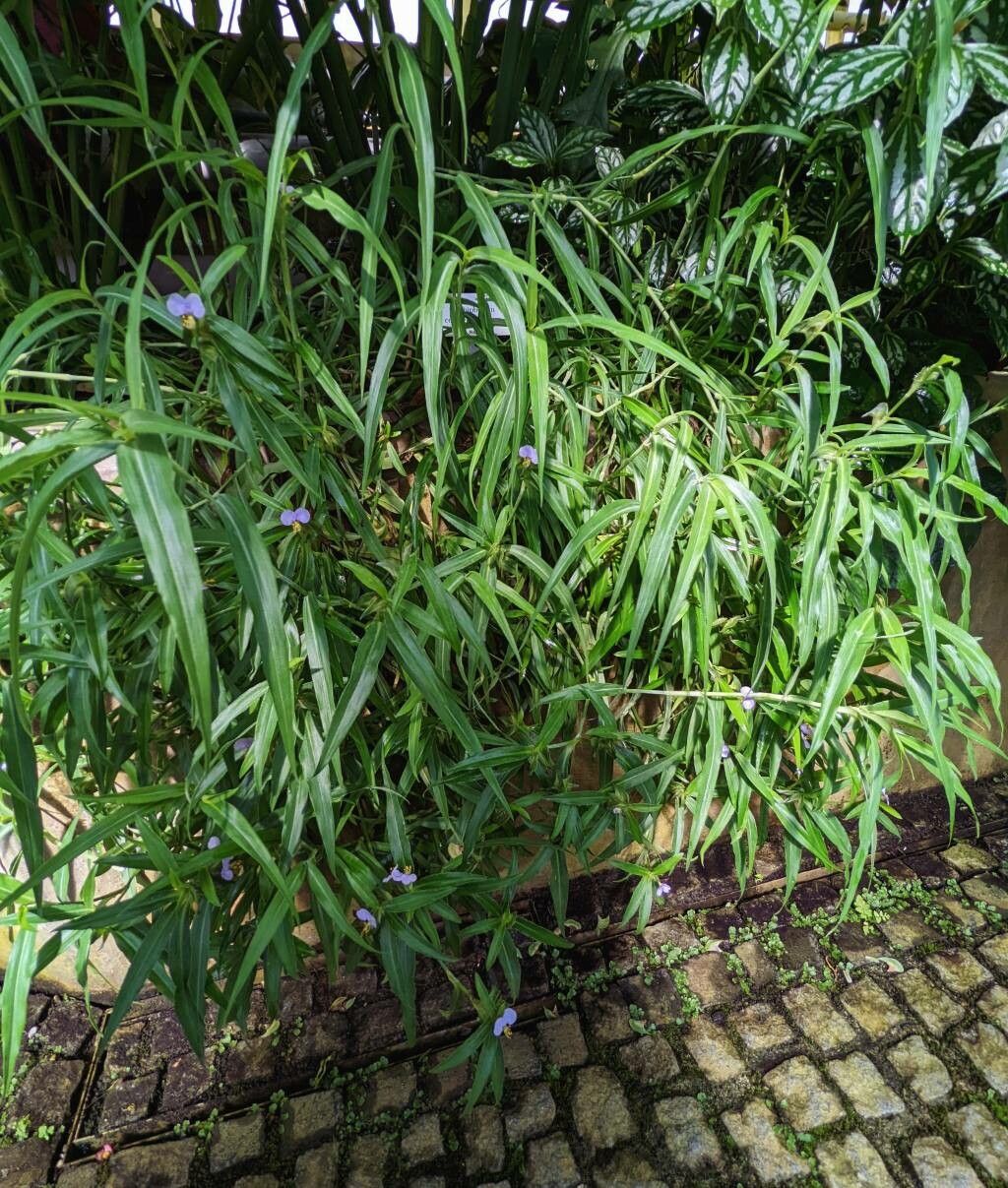
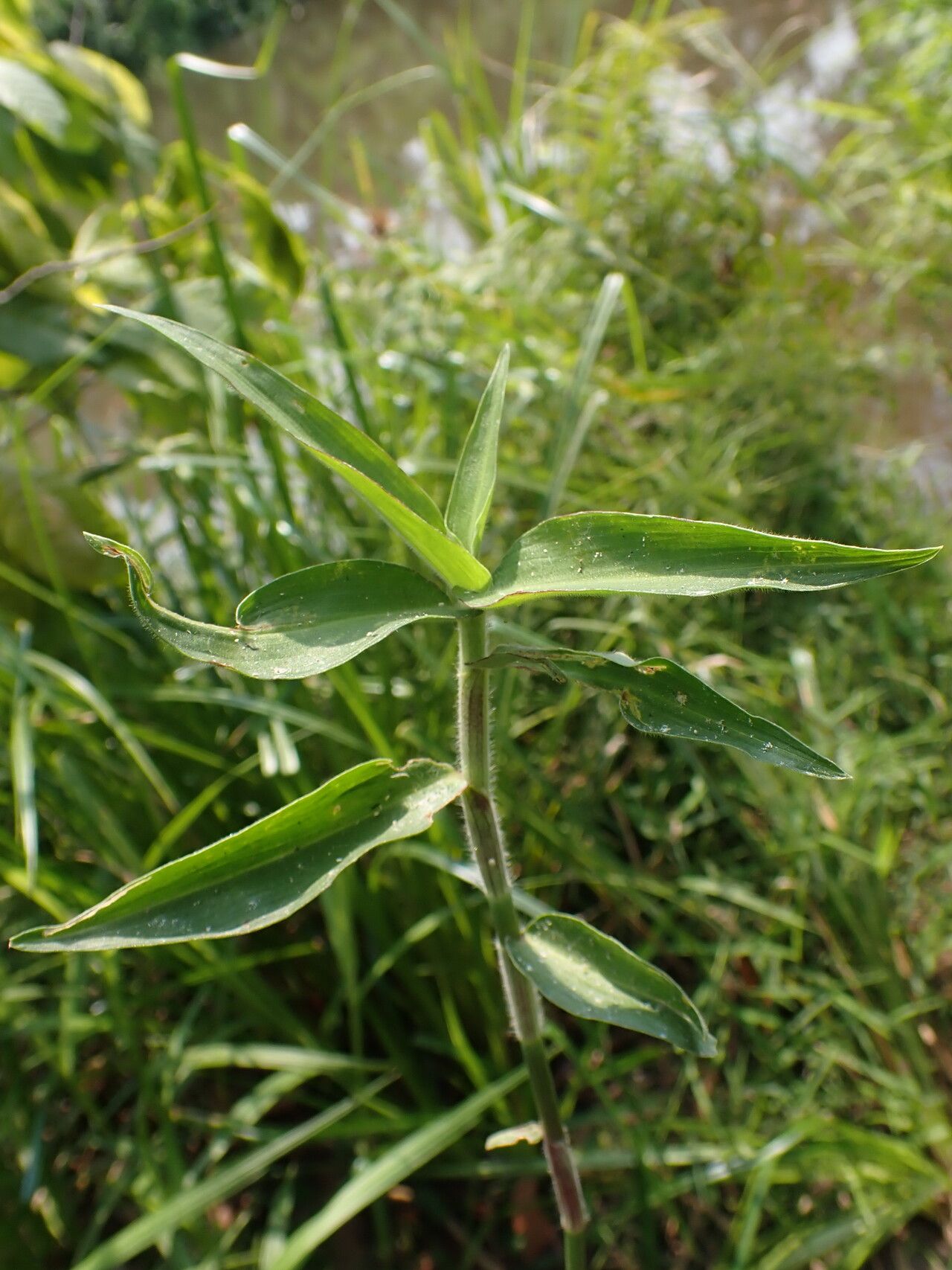
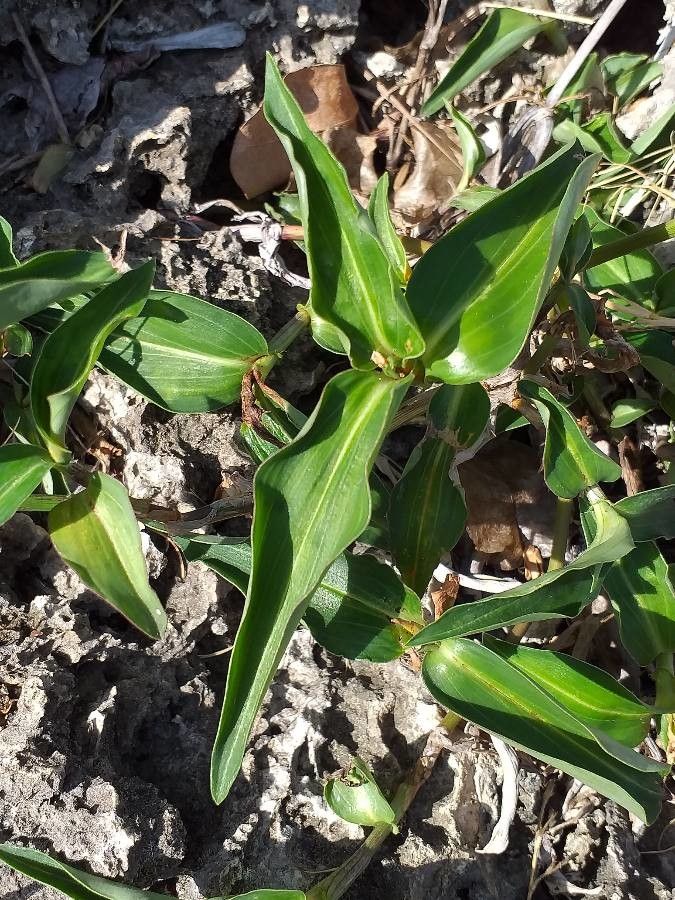
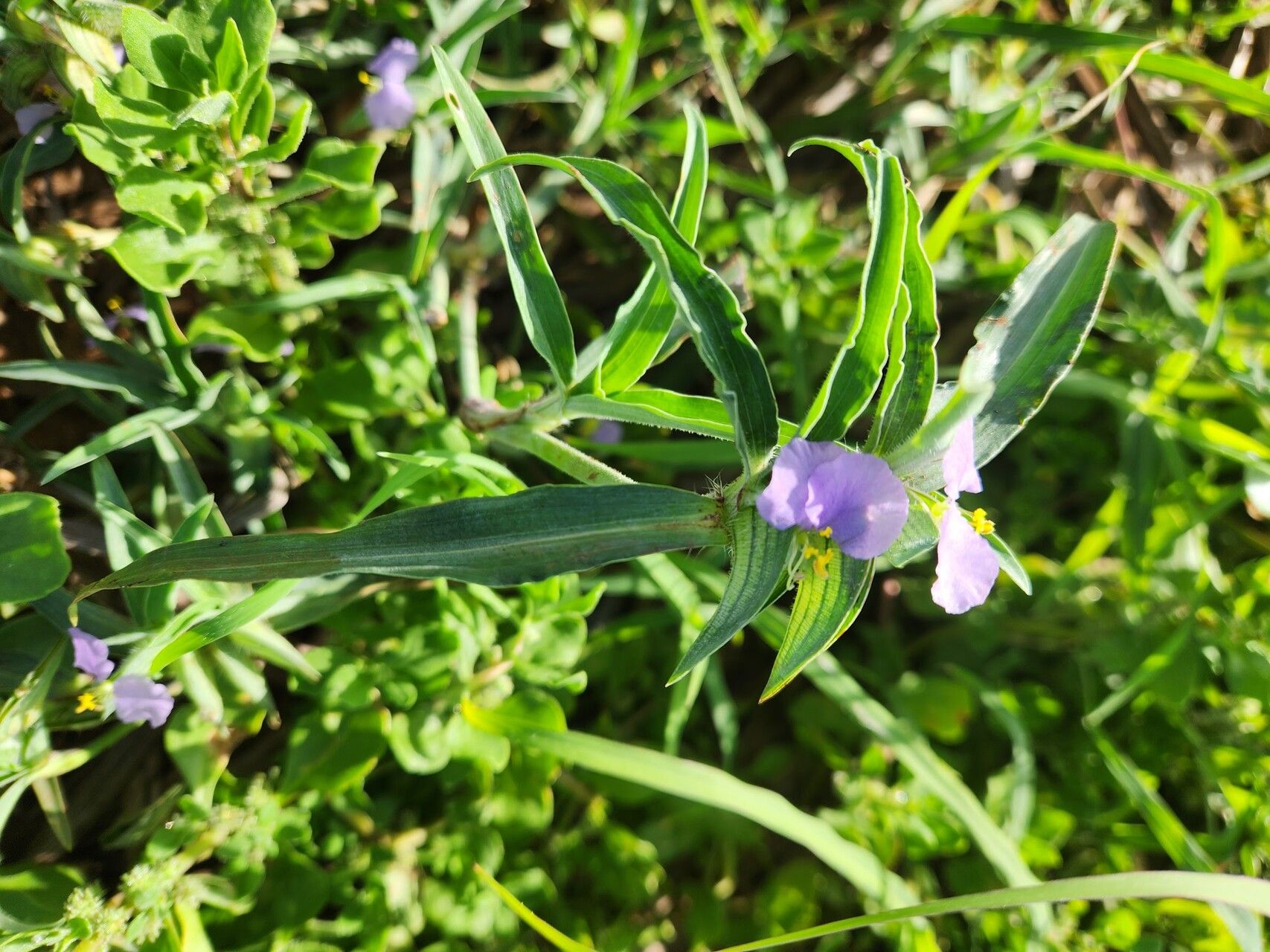
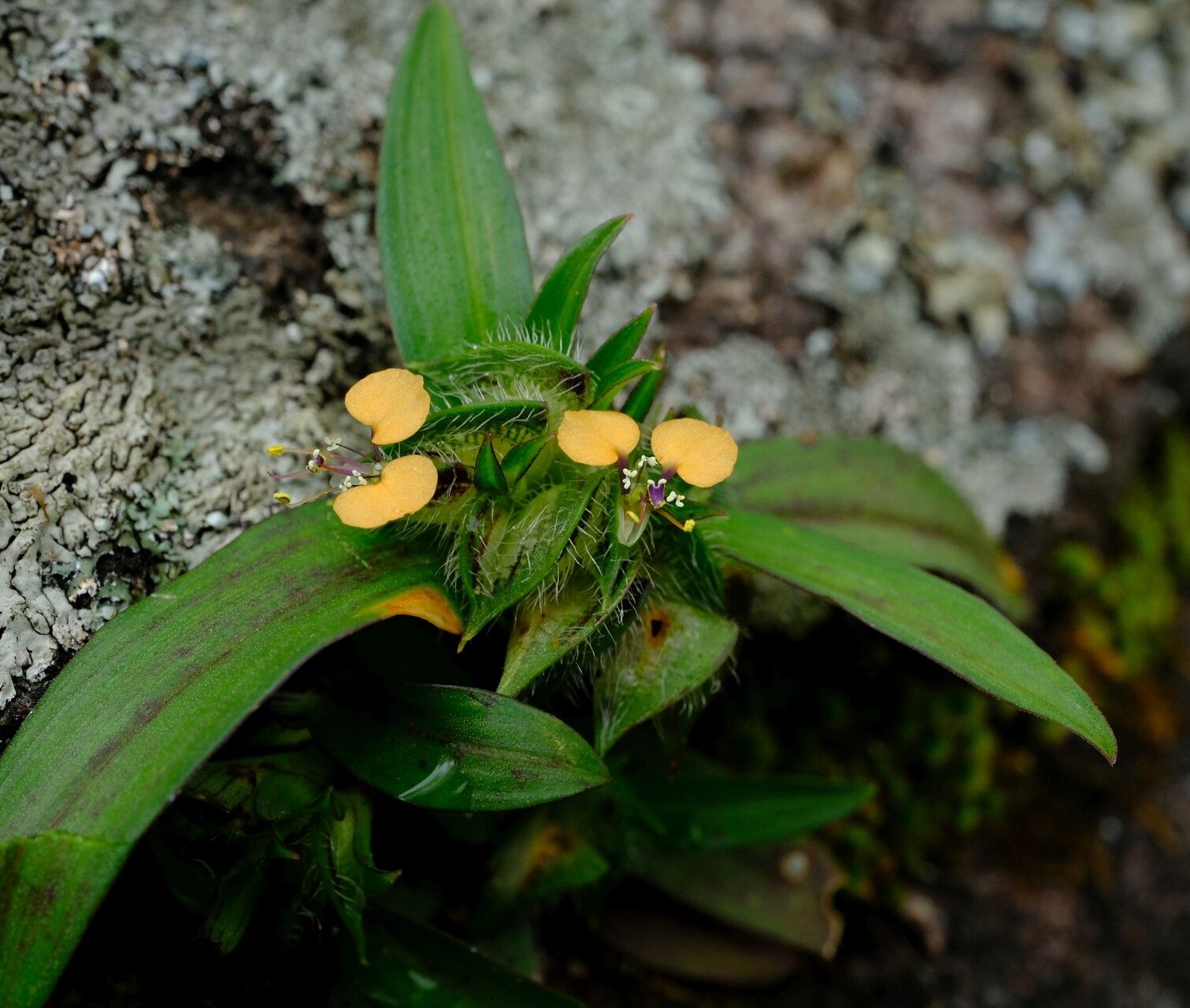
Virginia dayflower has strong disease resistance and is generally not prone to illnesses. Still, it can be vulnerable to pests and diseases found nearby, though such infections are typically mild. Regarding care, the plant needs a moderate level of maintenance. It should be pruned regularly to preserve its appearance and promote healthy growth, and fertilizing can help encourage flowering. This plant is well suited to anyone with outdoor space, such as a garden or patio, and does not demand extensive care experience. It may need more attention when cultivated indoors.
How to keep Commelina Longifolia.
Light
The Virginia dayflower exhibits healthy growth when it gets extended periods of sunlight each day, so it thrives best in places with plentiful sun. It can also tolerate lower light levels. However, too much sun can scorch the leaves, while too little light can stunt growth or make the plant appear leggy.
Temperature
Virginia dayflower occurs naturally in habitats with temperatures between 68 and 95°F (20 to 35℃). It favors mild temperatures, which are essential for its best growth. Adjusting the temperature seasonally to mimic these natural conditions is advantageous.
Fertilizer
The primary time to fertilize Virginia dayflower is in early spring while the flowers are forming. Using the appropriate fertilizer promotes better blooms and helps the Virginia dayflower produce attractive flowers. Fertilizing in early spring ensures strong flowering through the season and supplies energy for its dormant growth phases.
Botanical profile.
- Plant Type
- Herb
- Life Cycle
- Perennial, Annual
- Genus
- Commelina
- Family
- Commelinaceae
- Hardiness Zone
- 9
- Mature Height
- 1.22 m
- Mature Spread
- 30 cm to 46 cm
- Leaf Color
- Green, Dark Green
- Leaf Type
- Deciduous
- Flower Color
- Blue
- Flower Size
- 1.52 cm to 2.54 cm
- Bloom Time
- Summer, Early fall, Mid fall
- Planting Time
- Spring
- Harvest Time
- Late summer, Fall, Early winter
- Native Area
- Mexico
Other names.