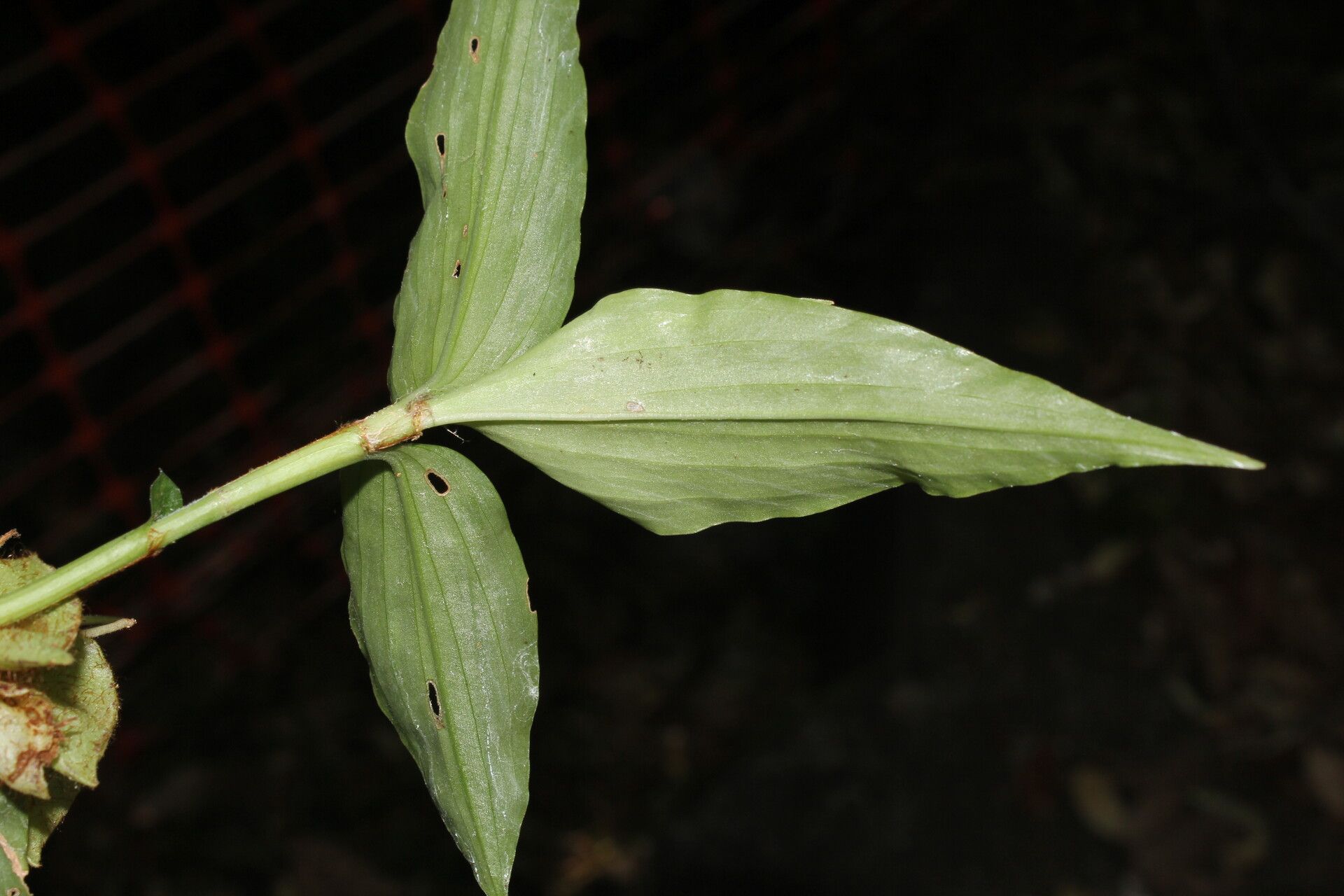
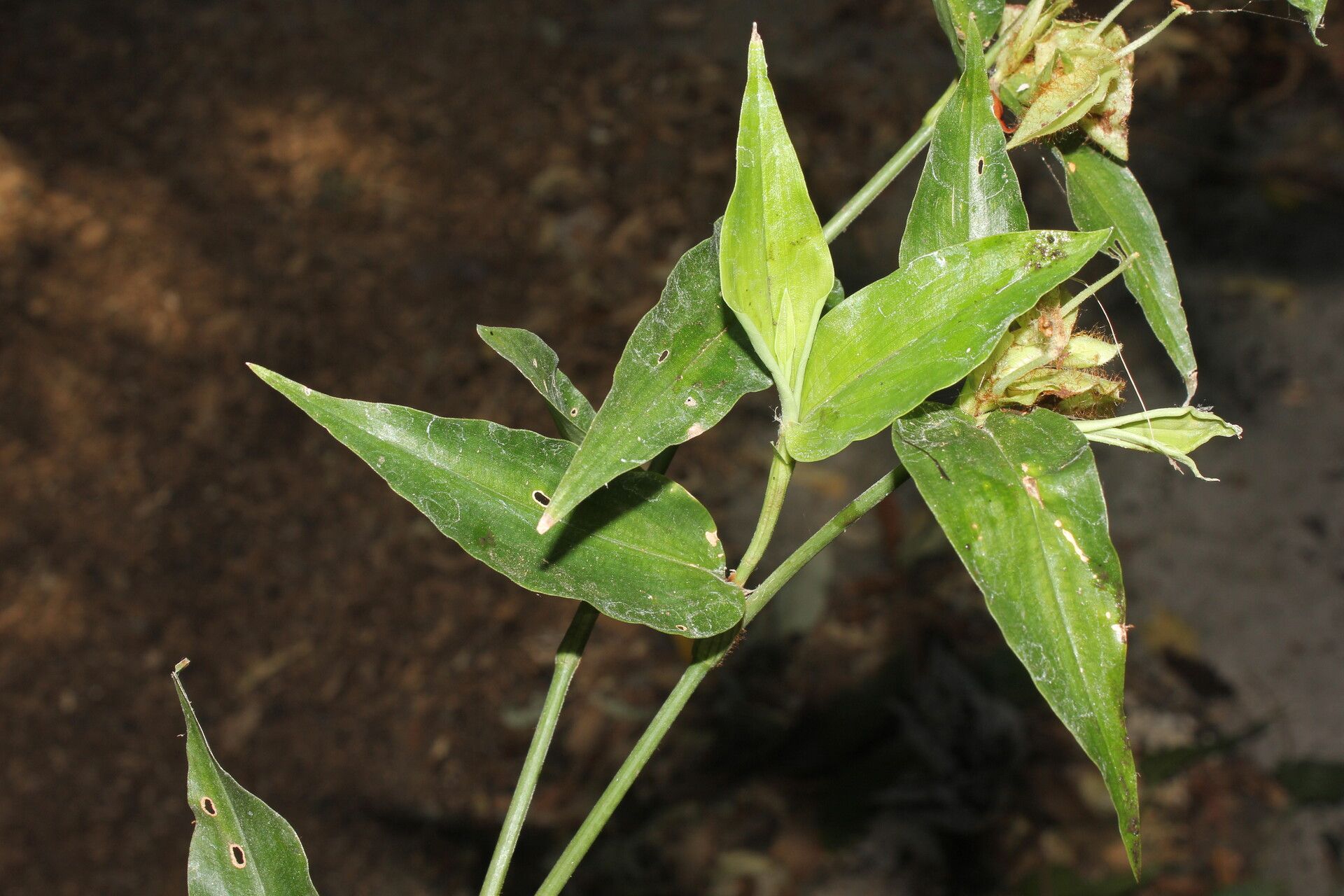
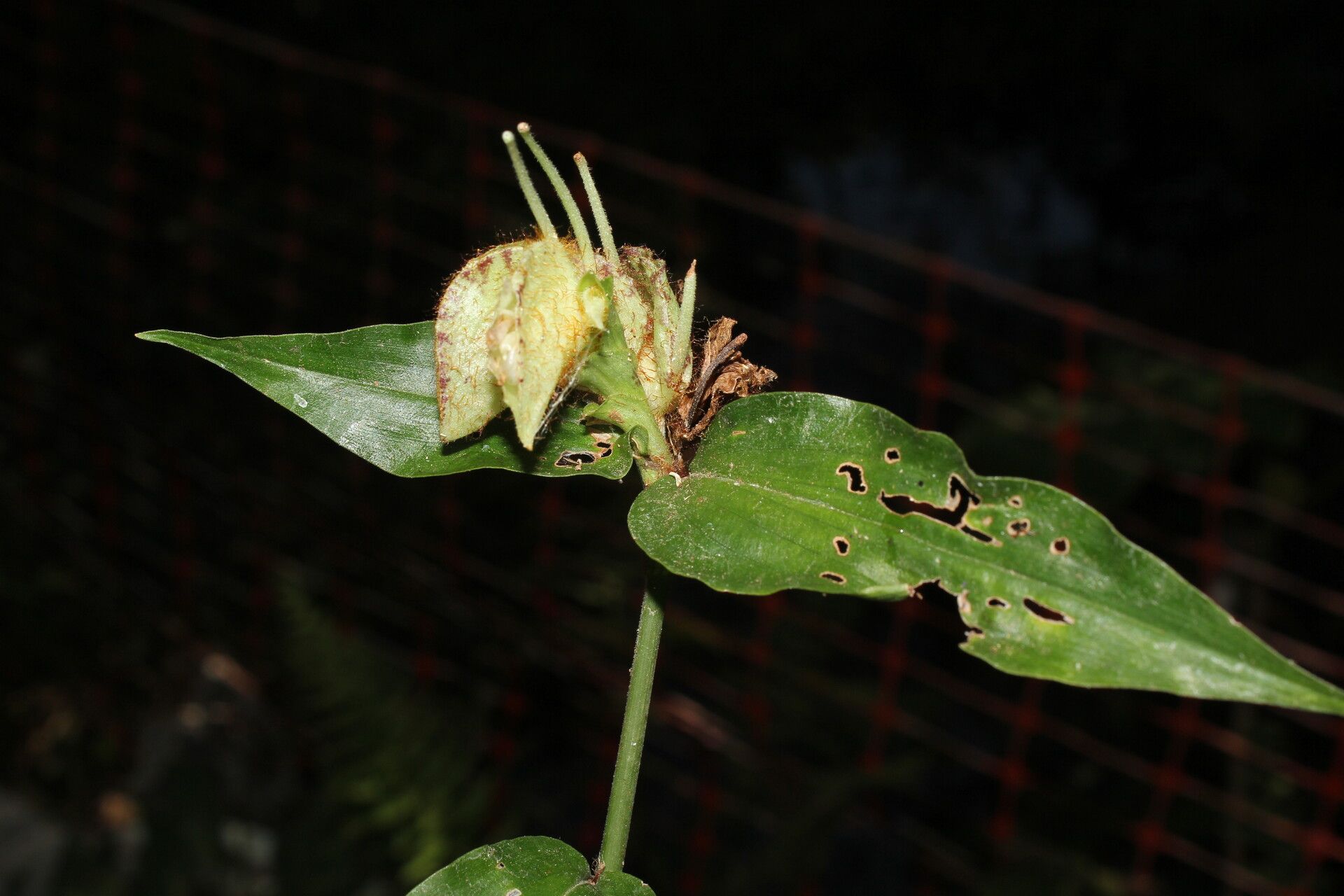
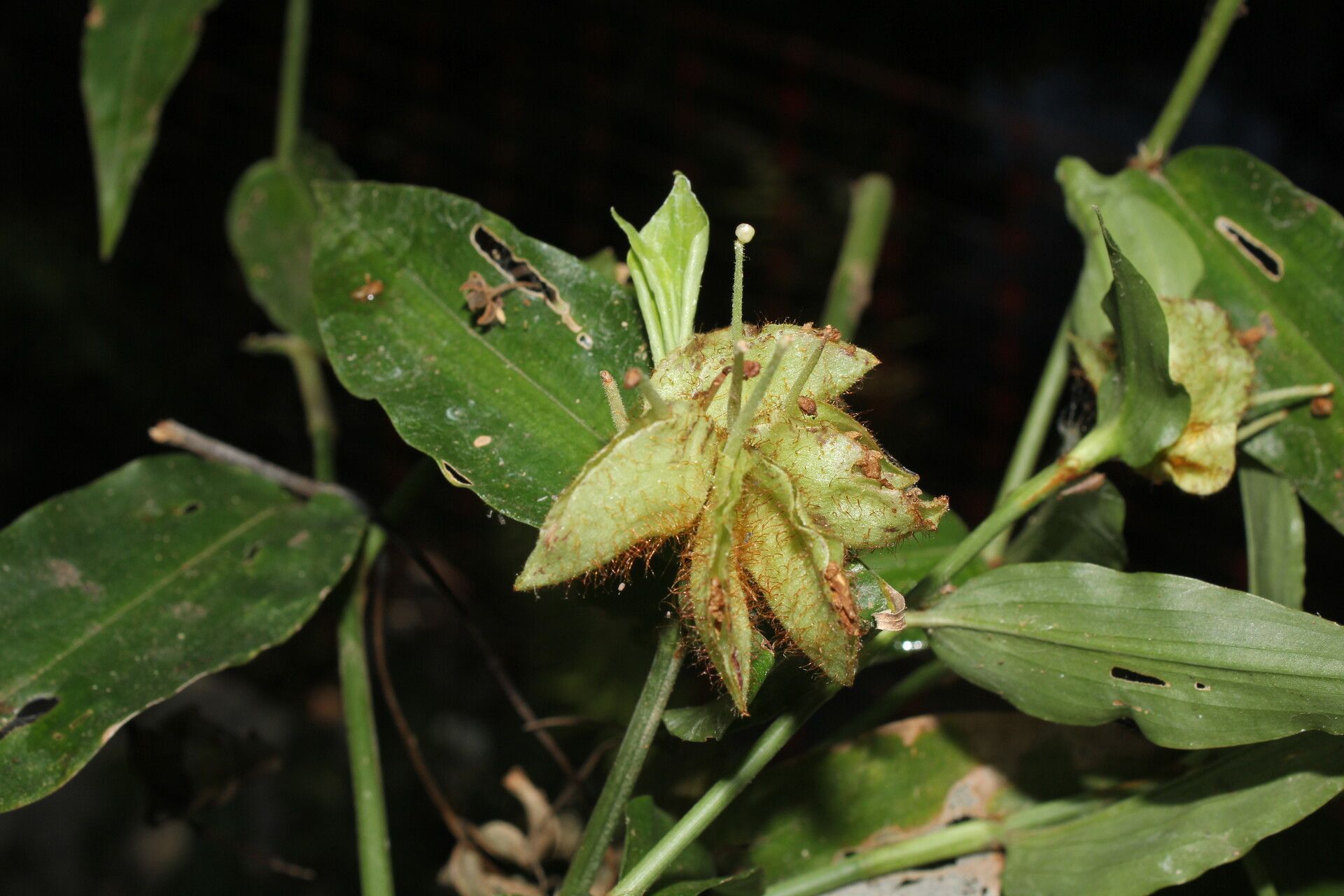
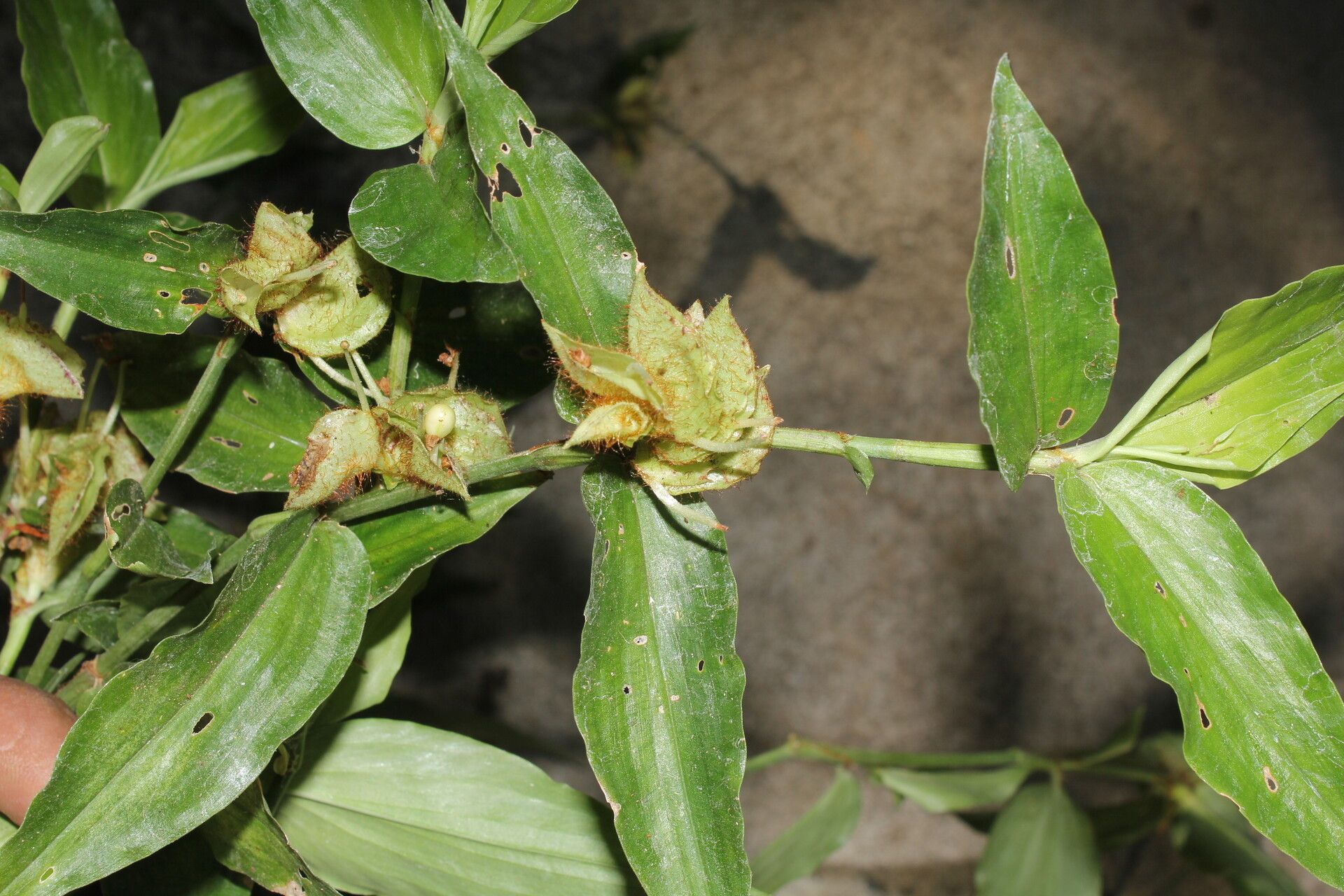
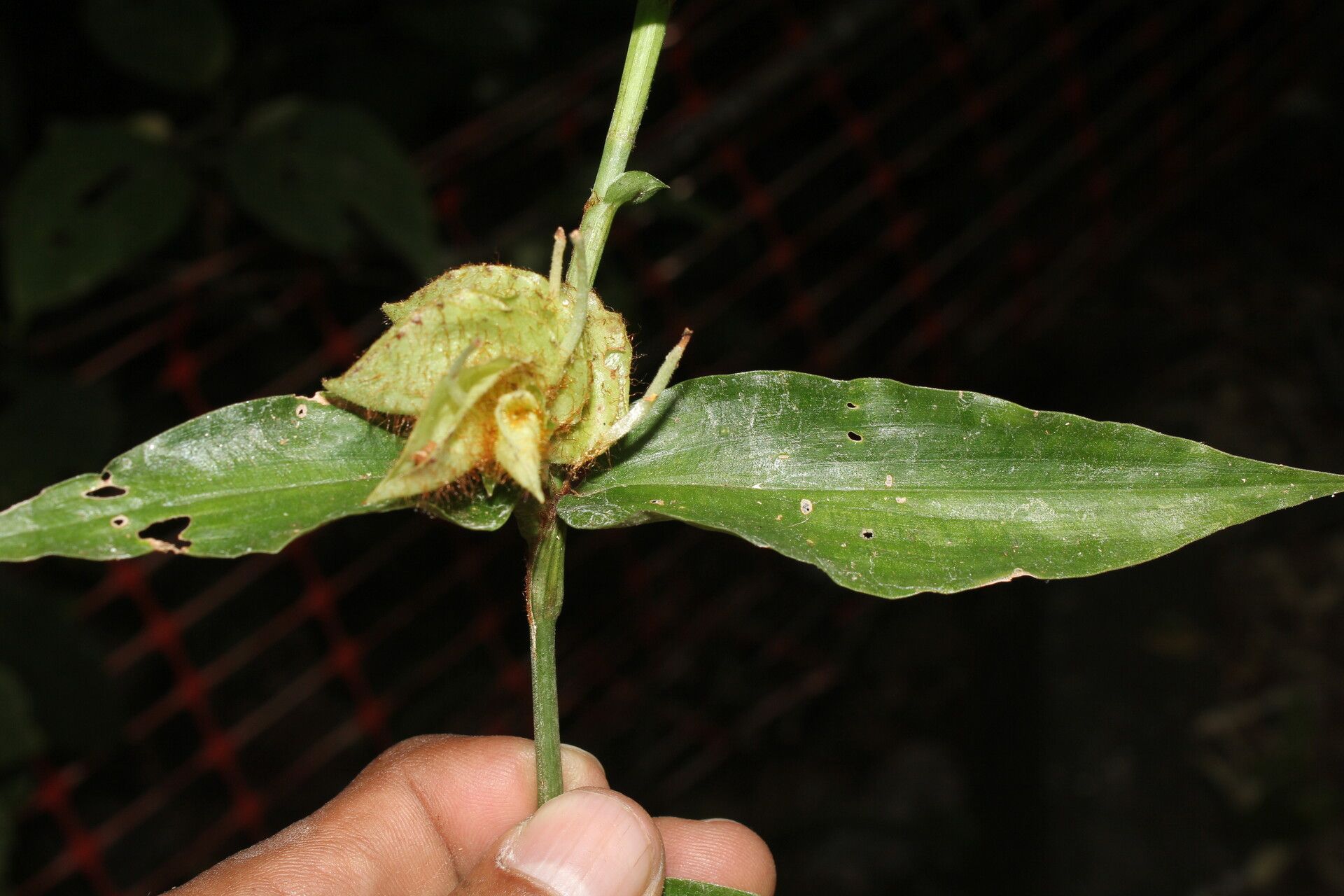
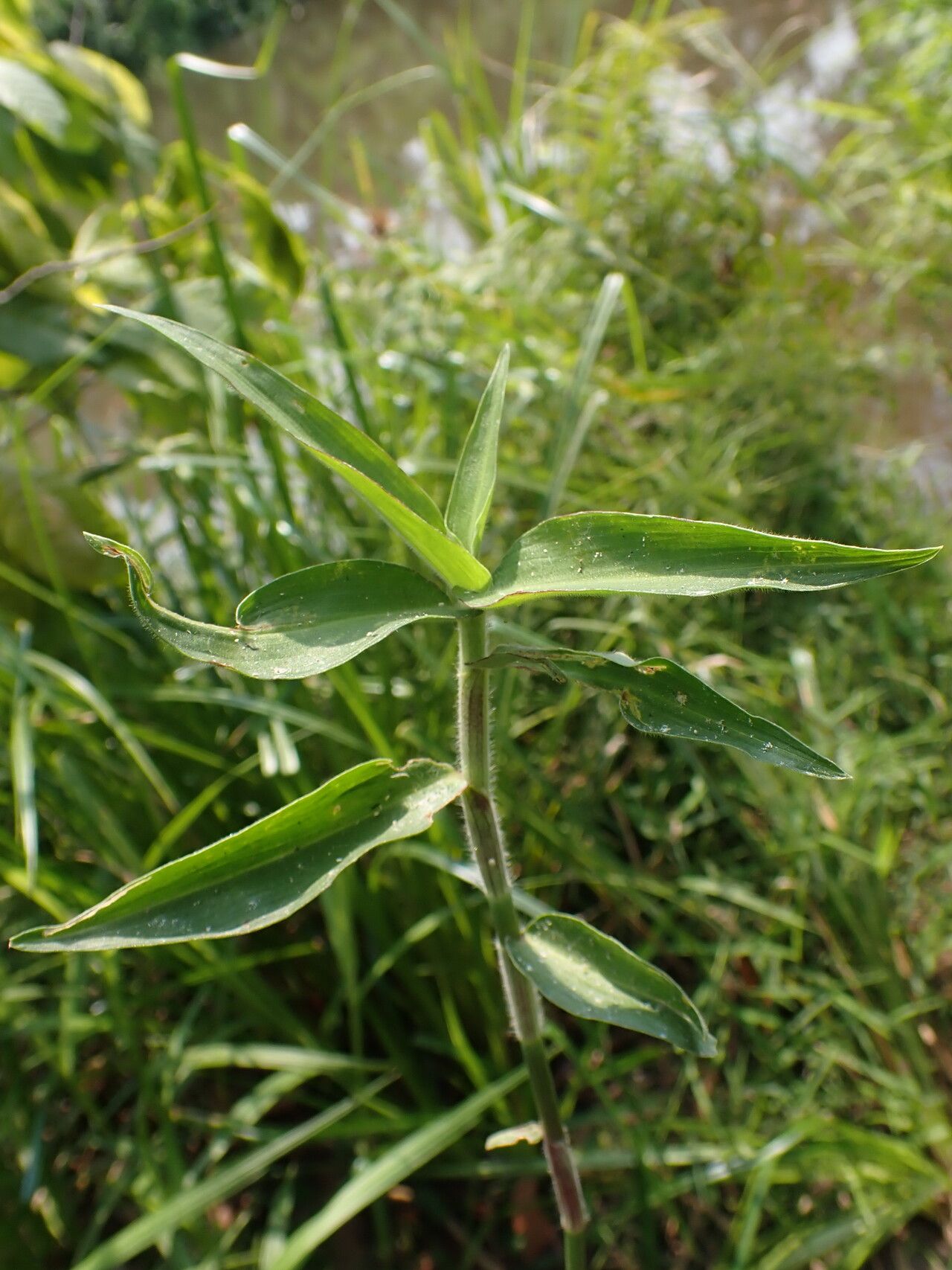
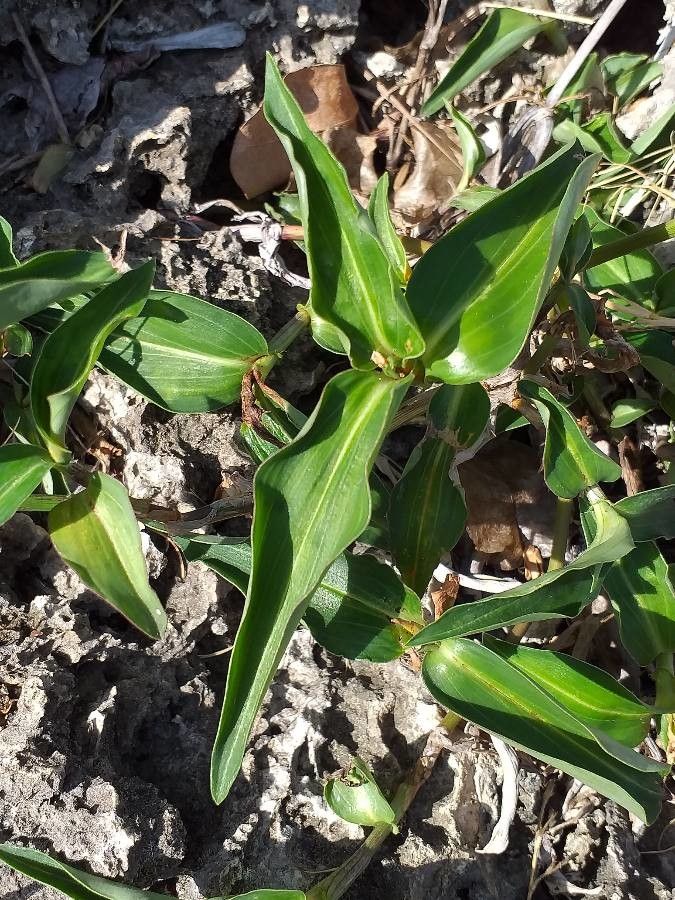
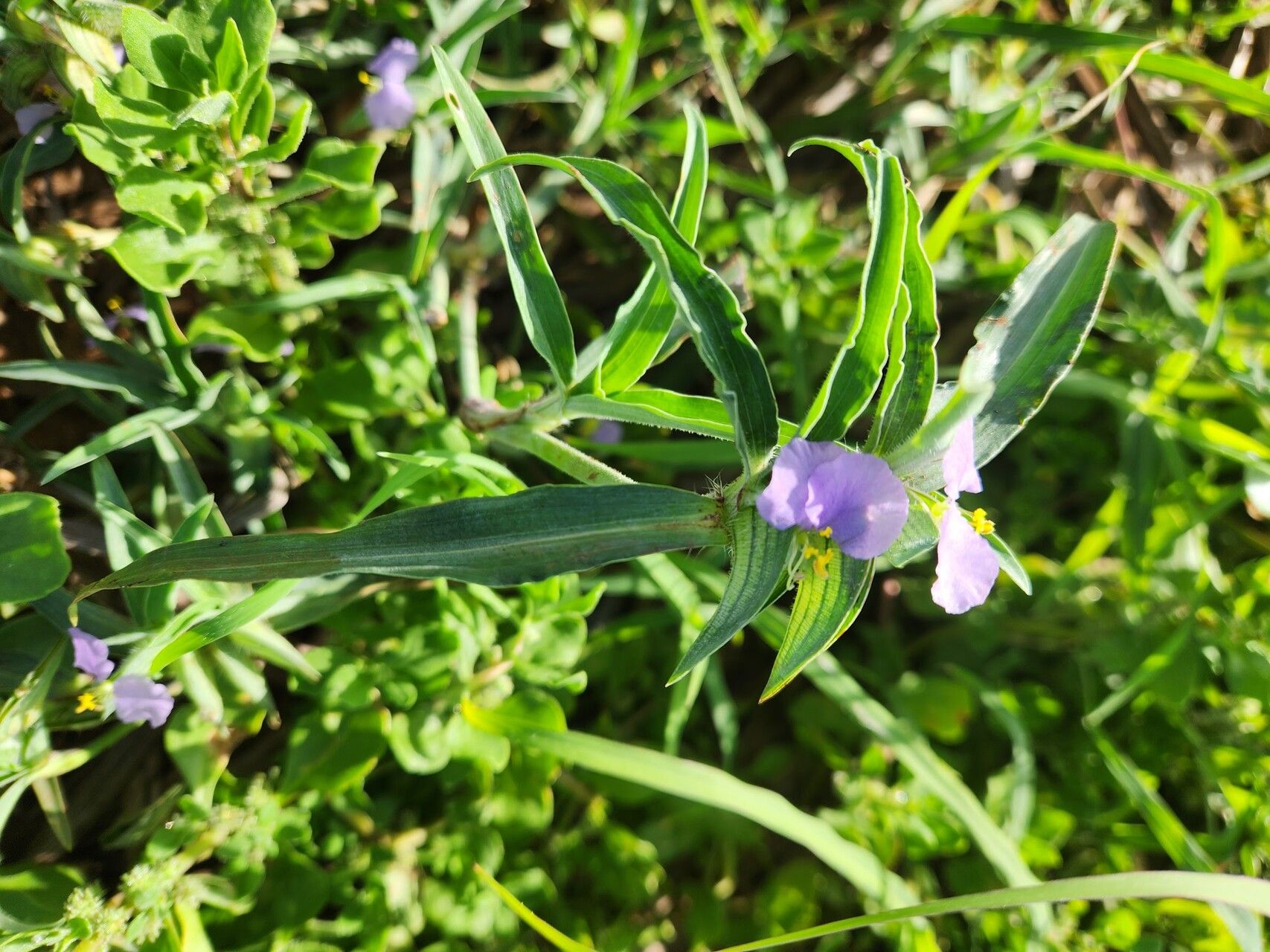
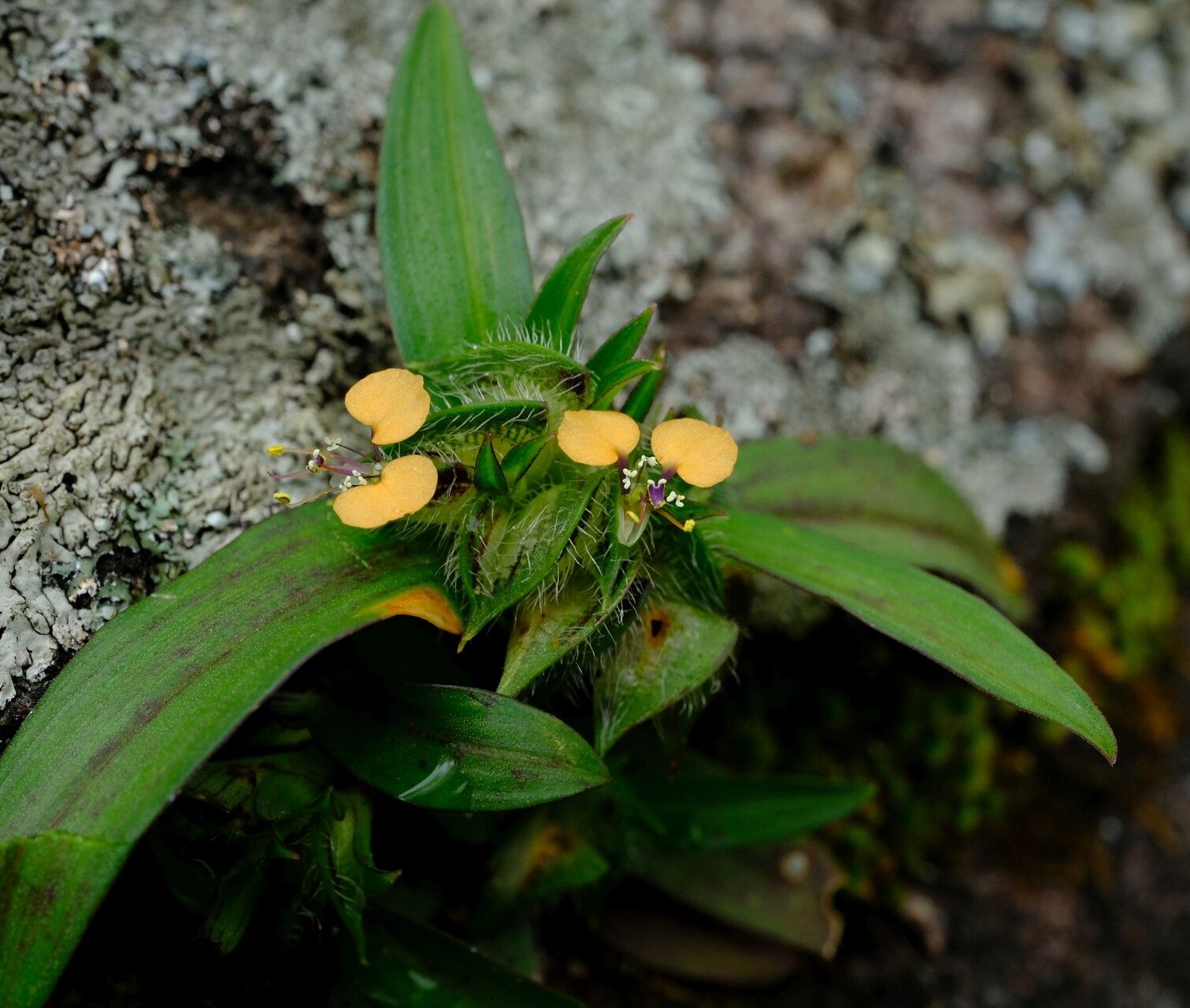
Swamp dayflower shows strong resistance to disease and is generally not prone to illnesses. Still, it can be affected by pests and diseases found in its surroundings. Such infections are generally not severe. Regarding care, this plant needs moderate maintenance. It should be pruned regularly to keep a neat appearance and encourage healthy growth. Fertilizing can also aid in promoting blooms. Swamp dayflower is appropriate for anyone with an outdoor area, like a garden or patio, and does not demand extensive care experience. It may need more attention if grown indoors.
How to keep Commelina Obliqua.
Light
The swamp dayflower is indigenous to habitats like forest understories and rocky terrains, where it naturally receives shade. Though it thrives best in partially sunny environments, it has the ability to acclimatize to either full sunlight or complete shade, displaying its robust and adaptable character.
Temperature
The swamp dayflower hails from the tropical zones reputed for their heat and humidity, and has therefore evolved to thrive in warm, moist conditions. It does not respond well to abrupt shifts in temperature, favouring a consistent thermal setting. This necessitates the prevention of sudden temperature swings when kept indoors. The plant typically struggles to endure cooler climates, needing higher temperatures to foster growth. Should the ambient temperature fall excessively, the plant may halt growth or even perish.
Fertilizer
During its growth phase, which primarily takes place in spring, summer, and the beginning of fall, the swamp dayflower needs the most fertilizer. The fertilizer provides vital nutrients that the soil might not have, aiding in the development of robust roots and stems, as well as the plant's appealing foliage - a standout characteristic of this specific plant.
Pruning
Commelina obliqua is known for its striking blue flowers and lush foliage. To encourage vigorous growth, prune the plant in early spring, removing any dead stems and thinning out dense areas to improve air circulation. Regular light pruning throughout the season will help maintain its shape and size. For detailed techniques, refer to horticultural guides or sources.
Botanical profile.
- Plant Type
- Herb
- Life Cycle
- Perennial
- Genus
- Commelina
- Family
- Commelinaceae
- Hardiness Zone
- 7-10
- Mature Height
- 91 cm
- Mature Spread
- 20 cm to 40 cm
- Leaf Color
- Green
- Leaf Type
- Semi-evergreen
- Flower Color
- Blue
- Flower Size
- 1.02 cm to 2.03 cm
- Bloom Time
- Summer, Early fall, Mid fall
- Planting Time
- Spring, Autumn
- Harvest Time
- Late summer, Fall, Early winter
- Native Area
- Nepal, Sri Lanka, India, Malaysia, Philippines, Bangladesh, Pakistan, Laos, China, Indonesia, Cambodia, Vietnam, Myanmar, Japan, Bhutan, Thailand
Reader questions.
What is Commelina obliqua?
Commelina obliqua, also known by its botanical name Commelina obliqua, is a plant species. Unfortunately, there's no further information provided about its essentials or symptoms related to it.