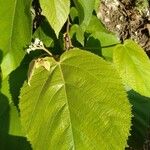
Commersonia bartramia
Brown kurrajong · Scrub Christmas tree
Description
Source: leafsnapCommersonia bartramia, commonly known as brown kurrajong, is a species of flowering plant in the family Malvaceae and is native to Southeast Asia, the Northern Territory, Queensland and New South Wales. It is a small tree or shrub with egg-shaped leaves, sometimes with irregular teeth on the edges and much paler on the lower surface.
Care Guide
💧 Water
☀️ Light Full sun
Brown kurrajong thrives in places where sunlight bathes the area for most of the day. It can, however, tolerate sites where moonlight filters through the surrounding vegetation. Too much sun can cause leaf scorching, while too little may impede its growth.
How much sunlight does Brown kurrajong require?
Brown kurrajong thrives best when it receives more than 6 hours of direct sunlight a day, categorizing it as a full sun plant. However, it can also grow in conditions where it receives about 3-6 hours of sunlight, known as partial sun. The balance of light is crucial for its growth and health, making it essential to observe how sunlight moves through your garden to pick the optimal location for your plant.
What are the optimal conditions for growing Brown kurrajong?
The optimal growth of Brown kurrajong occurs in locations bathed in sunlight for a significant part of the day. It's adaptable to areas with filtered light as well. However, too much direct sunlight can result in leaf scorching, whereas inadequate sunlight may impede its growth and lead to various symptoms of light deficiency. For indoor plants, artificial lighting can be a vital solution, especially when natural sunlight is insufficient. Choose the right type of artificial light, like LED, and ensure it provides 30-50W/sq ft for full sun plants, 20-30W/sq ft for partial sun plants, and 10-20W/sq ft for full shade plants. The artificial light should be placed 12-36 inches above the plant and turned on for 8-12 hours per day to mimic natural daylight hours.
What are the symptoms of light deficiency in Brown kurrajong?
When Brown kurrajong does not receive enough light, it shows several symptoms, including the growth of smaller new leaves, leggy or sparse growth, faster leaf drop, slower or no new growth, lighter-colored new leaves, chlorosis, sunscald, leaf curling, wilting, and leaf scorching. These symptoms indicate the plant is either not getting enough sunlight or is receiving too much, affecting its ability to photosynthesize and stay healthy.
How can I ensure my Brown kurrajong gets enough light?
To ensure your Brown kurrajong receives enough light, gradually move it to a sunnier spot each week until it gets at least 6 hours of direct sunlight daily. For indoor plants, use a south-facing window and consider artificial lighting if necessary, ensuring the plant is exposed to light for a minimum of 8 hours daily. For outdoor plants, it's crucial to adjust their location gradually to prevent sunburn. If your plant is ground-based and experiencing obstructions, identify and minimize these obstructions, possibly through pruning or transplanting to a more sunlit area. Remember, affected parts of the plant may not recover, but new growth should be healthy with increased light exposure.
🌡️ Temperature 20–37.8°C
Brown kurrajong is native to habitats where temperatures typically range from 68 to 100 °F (20 to 38 ℃). The plant performs best within this range, so carefully adjust temperatures with the seasons to mimic its natural habitat.
What is the ideal temperature range for Brown kurrajong?
Brown kurrajong thrives in environments with temperatures ranging from 68 to 100 °F (20 to 38 °C). It is crucial to adjust the temperature depending on the season to mimic its natural habitat. Brown kurrajong is particularly heat-loving, and exposure to cold temperatures can be harmful. During autumn, if grown outdoors, it is advisable to bring the plant indoors, placing it near a bright window but away from heaters to avoid damage. Keeping temperatures above 20°C during winter supports the plant's growth, while temperatures nearing 0°C can be detrimental.
What are the symptoms of low temperature exposure in Brown kurrajong?
Brown kurrajong prefers warm climates and does not tolerate low temperatures well. It flourishes when the temperature remains above 20°C. In winters, it is essential to keep the temperature above 0°C to prevent damage. Exposure to temperatures below -5°C may cause the leaves to lighten in color. Following frost damage, the color can change to brown or black, accompanied by wilting and drooping of the plant.
How can you protect Brown kurrajong from low temperature damage?
To protect Brown kurrajong from low temperature damage, trim off the frost-damaged parts immediately and move the plant to a warm setting indoors. Placing the plant near a south-facing window ensures it receives sufficient sunlight. It's also important to avoid placing it near heaters or air conditioning vents as they can cause the air to become too dry, further harming the plant.
What are the symptoms of high temperature exposure in Brown kurrajong?
During summer, it is crucial to ensure that the temperature around Brown kurrajong does not exceed 38°C. When temperatures rise above 43°C, the leaves may lighten in color, indicating the plant is under stress and increasing its risk of sunburn.
How can you protect Brown kurrajong from high temperature damage?
To protect Brown kurrajong from damages caused by high temperatures, remove the sunburned and dried-up parts. Relocate the plant to an area that provides shade during the intense midday and afternoon sun. It is also beneficial to water the plant in the morning and evening to maintain moisture in the soil and help it stay cool.
💨 Humidity
🪴 Soil 5-7
🌱 Fertilizer
The best time to fertilize a Brown kurrajong is in early spring, when it comes out of dormancy. This encourages overall growth and flower development. Feeding the plant improves the foliage, stems, and branches, while encouraging flowers that are larger, more vibrant, and longer-lasting. It also helps move nutrients from the roots to the flowers and enhances the plant’s health and resistance to disease.
🪴 Pot & Repot
✂️ Pruning
To maintain a healthy brown kurrajong, it is best to prune the plant during its dormant period, from early to late winter. During pruning, remove any dead or diseased wood and thin out crowded branches to improve air circulation. Be sure to use clean, sharp tools to minimize damage and the risk of infection. This will encourage healthier growth and enhance the shape of the plant.
🌿 Propagating
🐛 Diseases & pets
☠️ Toxicity
Characteristics
- Plant Type
- Tree, Shrub
- Life Cycle
- Perennial
- Genus
- Commersonia
- Family
- Malvaceae
- Hardiness Zone
- 9-12
- Mature Height
- 14.94 m
- Mature Spread
- 4.88 m
- Leaf Color
- Dark Green, Forest Green
- Leaf Type
- Evergreen
- Flower Color
- White
- Flower Size
- 0.51 cm
- Bloom Time
- Summer, Early fall, Mid fall
- Planting Time
- Spring, Summer, Autumn
- Harvest Time
- Fall, Early winter, Mid winter
- Native Area
- India, Malaysia, Indonesia, Cambodia, Vietnam, Philippines, Singapore, Laos, Fiji, Brunei, Thailand, China