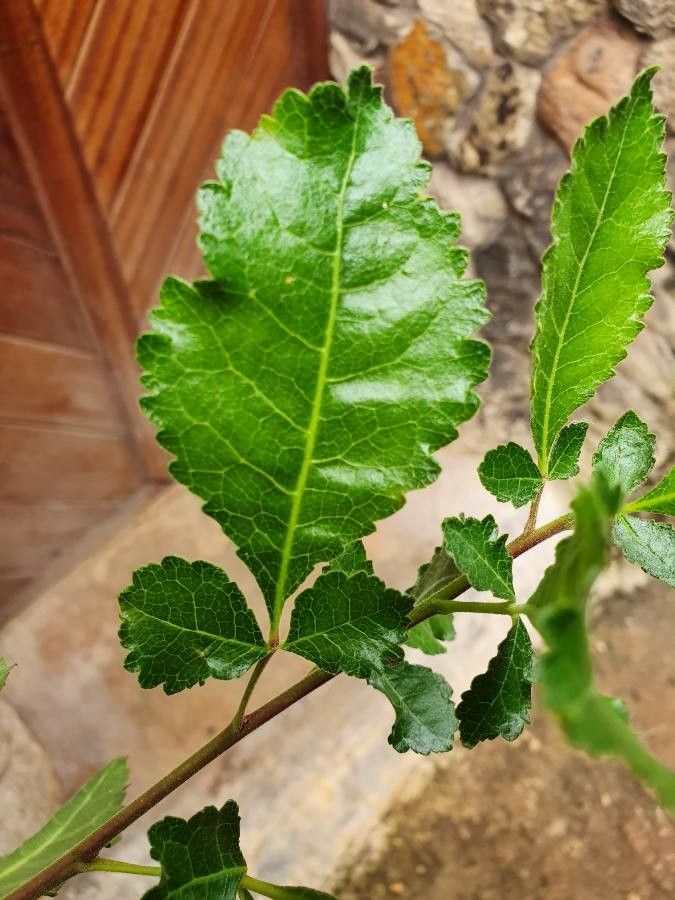
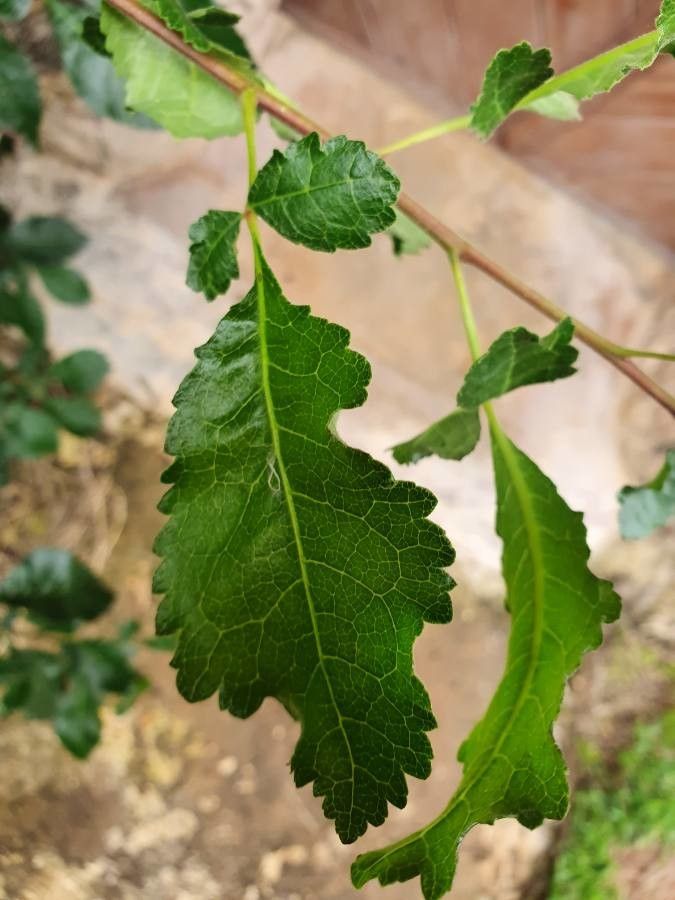
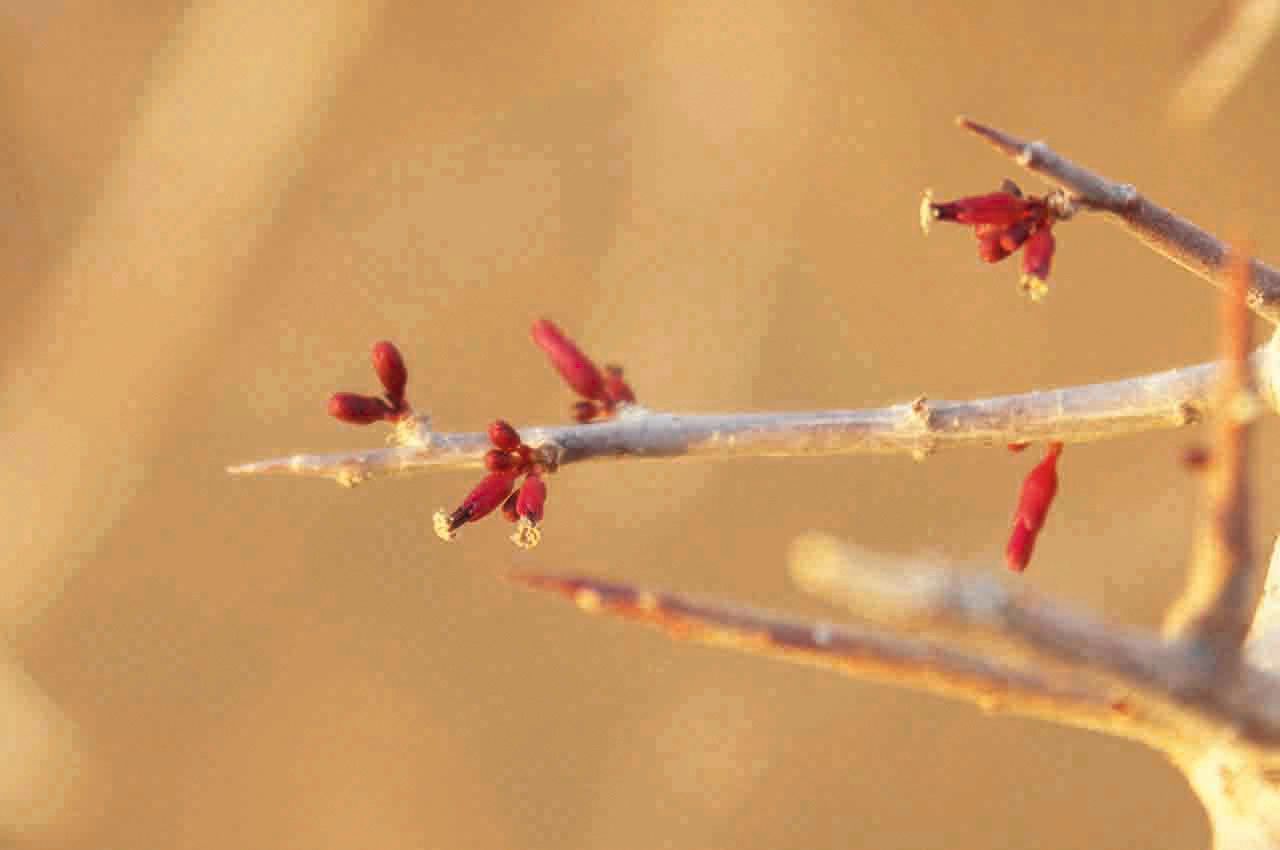
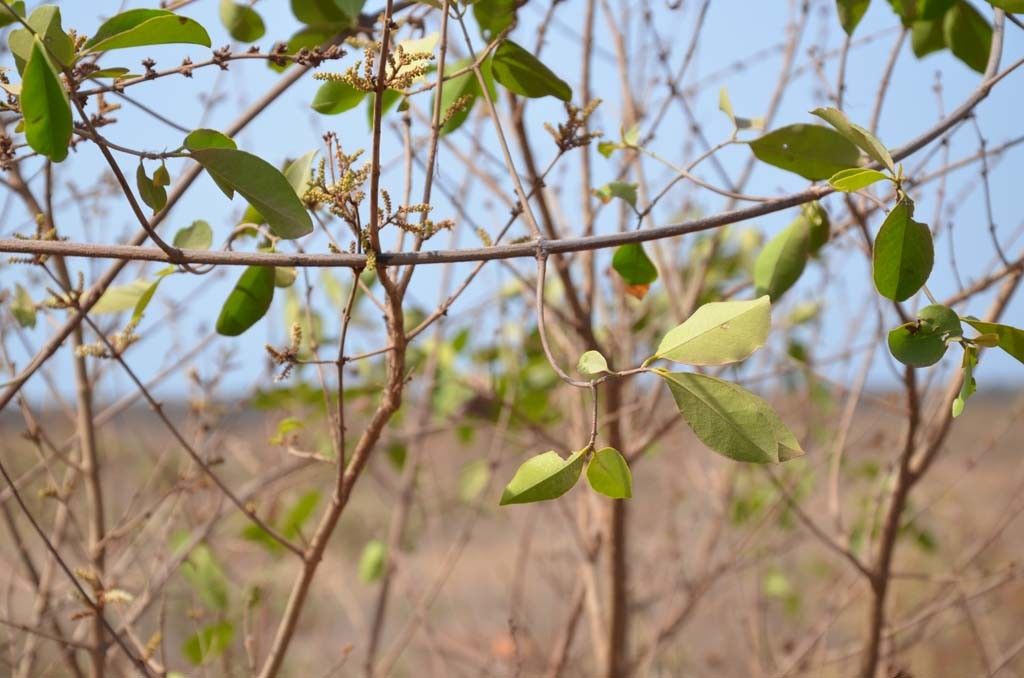
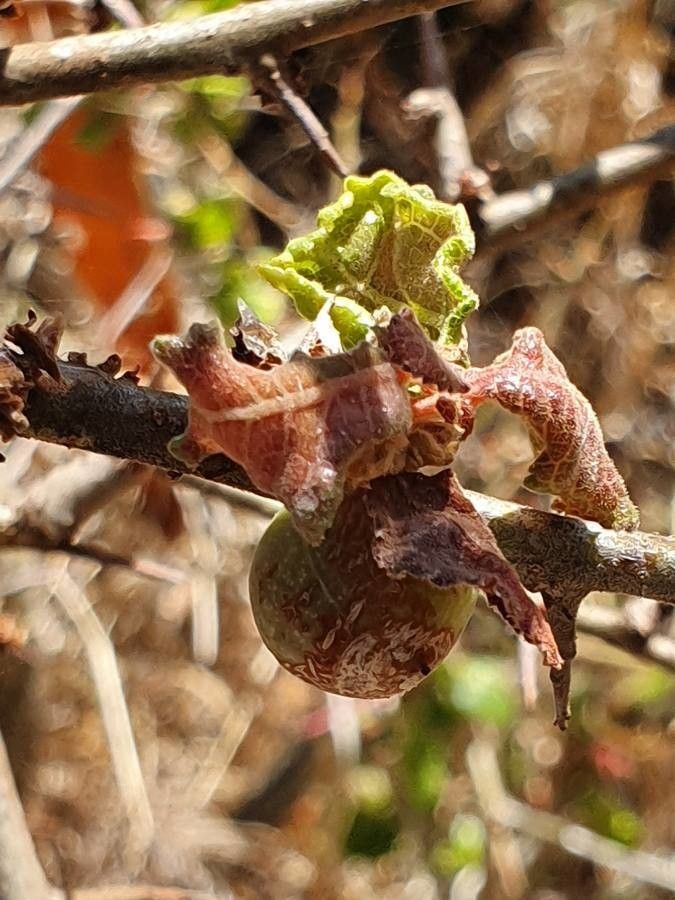
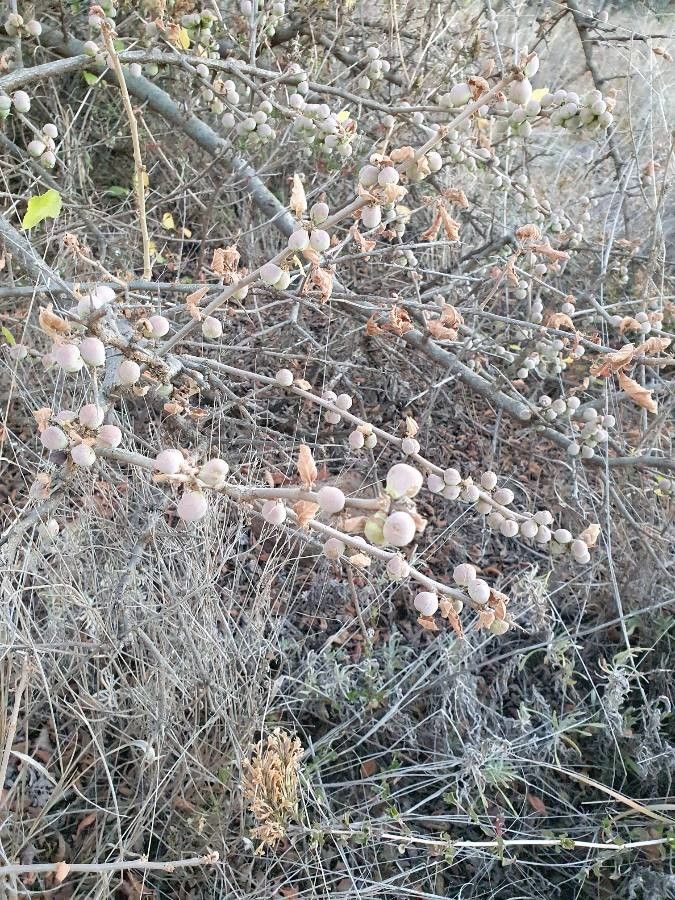
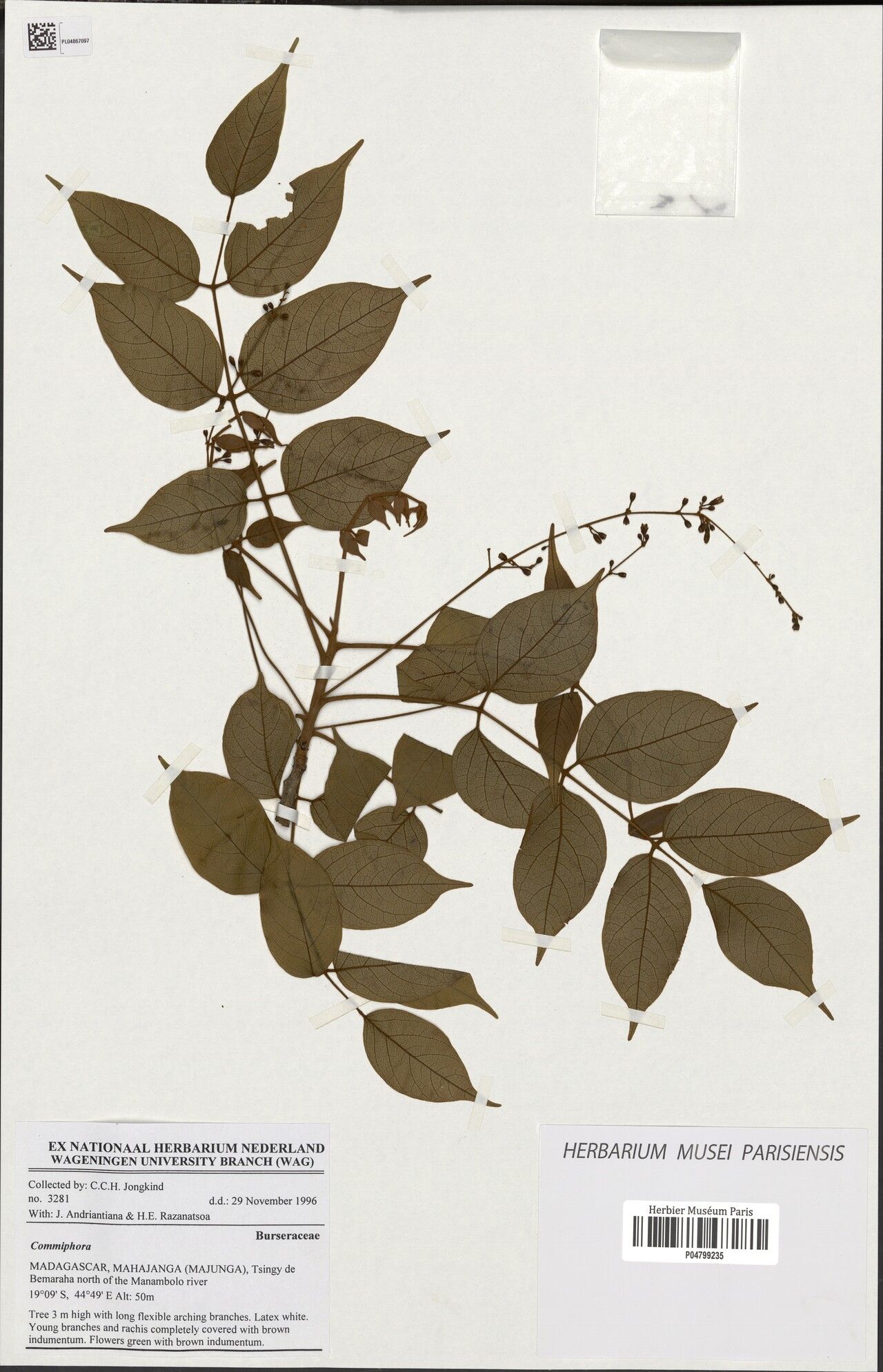
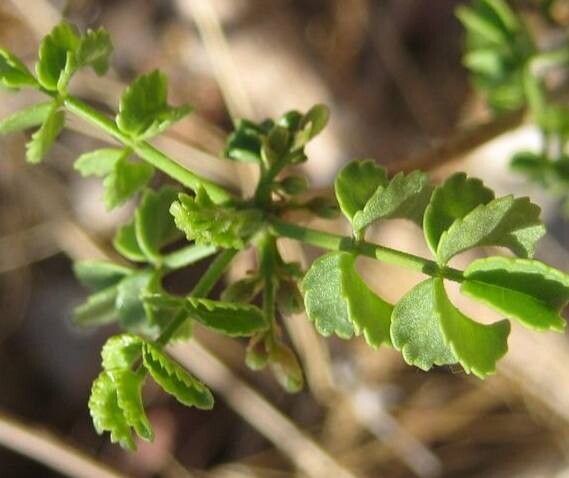
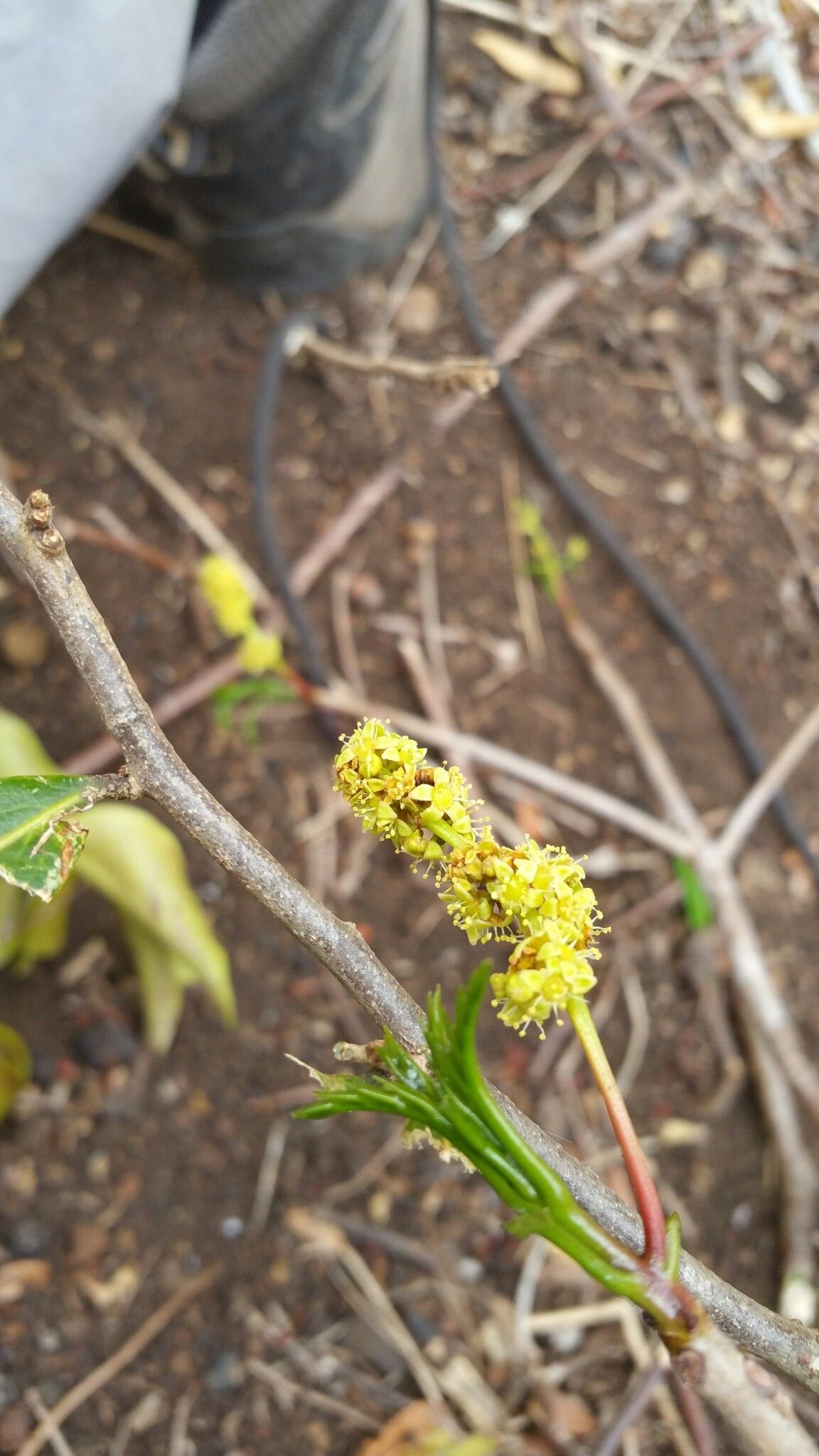
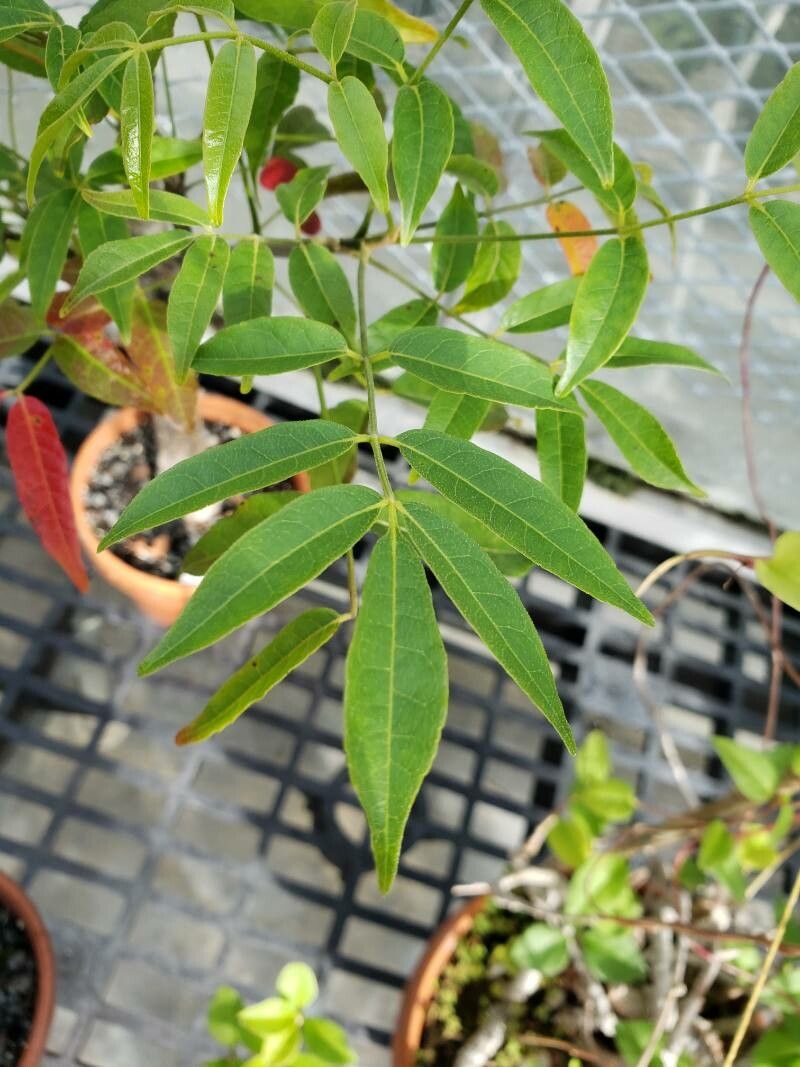
Commiphora africana is a small tree or shrub belonging to the Burseraceae family. It is commonly found in the dry and arid regions of Africa, particularly in countries such as Kenya, Tanzania, and Somalia. The plant has a unique appearance, characterized by its twisted branches and thorny stems covered with a thin layer of bark.
The leaves of Commiphora africana are small and oval-shaped, while its flowers are tiny and greenish-yellow. The plant also produces small fruits, each containing one or two seeds.
For centuries, traditional healers have used Commiphora africana to treat various ailments such as respiratory infections, skin diseases, fever, diarrhea, and rheumatism. Its resin is also burned as incense during religious ceremonies.
In addition to its medicinal properties, Commiphora africana has economic significance as it produces gum resin, which is used in making perfumes and adhesives.
Despite its importance in traditional African medicine and the economy, Commiphora africana faces threats from habitat loss due to deforestation caused by human activities like logging, agricultural expansion, and charcoal production. Conservation efforts are needed to ensure this species continues to be an important part of African culture.
African myrrh is fairly resistant to disease and is usually not susceptible to illnesses. In terms of care, this plant is relatively low-maintenance. When grown outdoors it needs only light watering, and larger specimens typically do not require pruning. Smaller plants, however, should be pruned after they finish blooming. African myrrh is suitable for anyone with outdoor space, such as a garden or deck, and does not demand extensive care experience.
How to keep Commiphora Africana.
Light
African myrrh comes from open habitats, such as sunny meadows and forest margins, that provide abundant light. It prefers Full Sun but can also withstand Partial Sun, adjusting well to different light conditions.
Temperature
African myrrh comes from tropical areas where the weather is generally warm and humid. Therefore, it is well suited to high heat and moisture. It is not fond of sudden temperature shifts and prefers a steady thermal environment, so avoiding indoor temperature fluctuations is important. It usually cannot endure cold and needs warmer conditions to grow. If the ambient temperature falls too low, the plant may stop growing or even die.
Fertilizer
The ideal time to fertilize an African myrrh is in early spring, as it comes out of dormancy. This stimulates overall growth and flower development. Fertilization improves the foliage, stems, and branches, while promoting large, vibrant, long-lasting flowers. It helps transfer nutrients from the roots to the flowers and enhances the plant's health and resistance to disease.
Botanical profile.
- Plant Type
- Tree
- Life Cycle
- Perennial
- Genus
- Commiphora
- Family
- Burseraceae
- Hardiness Zone
- 10-12
- Mature Height
- 3.96 m to 6.1 m
- Mature Spread
- 3.05 m to 4.88 m
- Leaf Color
- Green, Olive Drab
- Leaf Type
- Deciduous
- Flower Color
- White
- Flower Size
- 0.51 cm to 0.76 cm
- Bloom Time
- Mid spring, Late spring
- Planting Time
- Spring, Summer
- Harvest Time
- Summer
- Native Area
- Burkina Faso, Saudi Arabia, Somalia, Malawi, Angola, Namibia, South Africa, Zambia, Rwanda, Eritrea, Sudan, Nigeria, Mauritania, Kenya, Niger, Uganda, Tanzania, Zimbabwe, Mali, Benin, Chad, Cameroon, Mozambique, Togo, Senegal, Eswatini, Ethiopia, Côte d'Ivoire, Congo (DRC), Botswana
Other names.