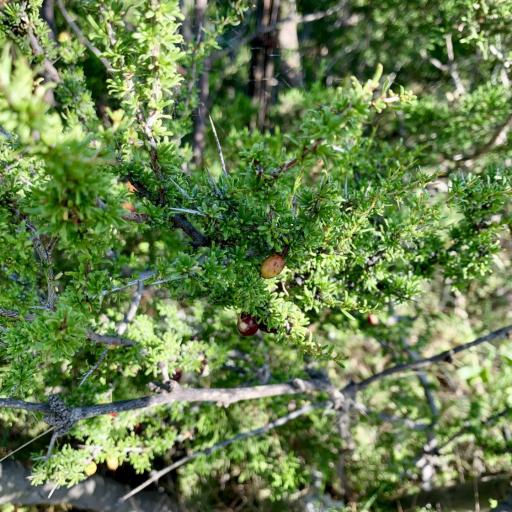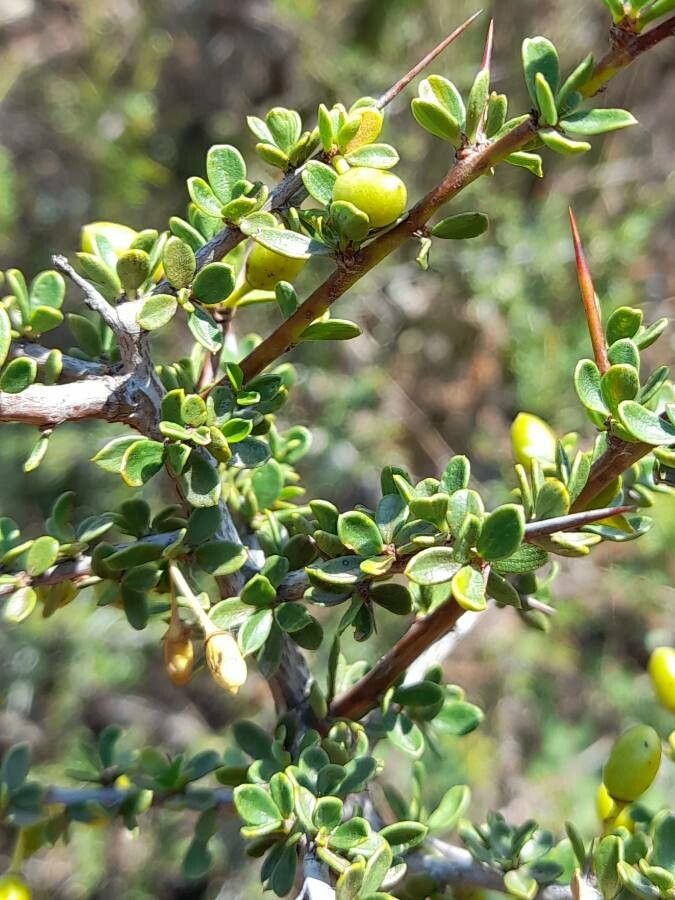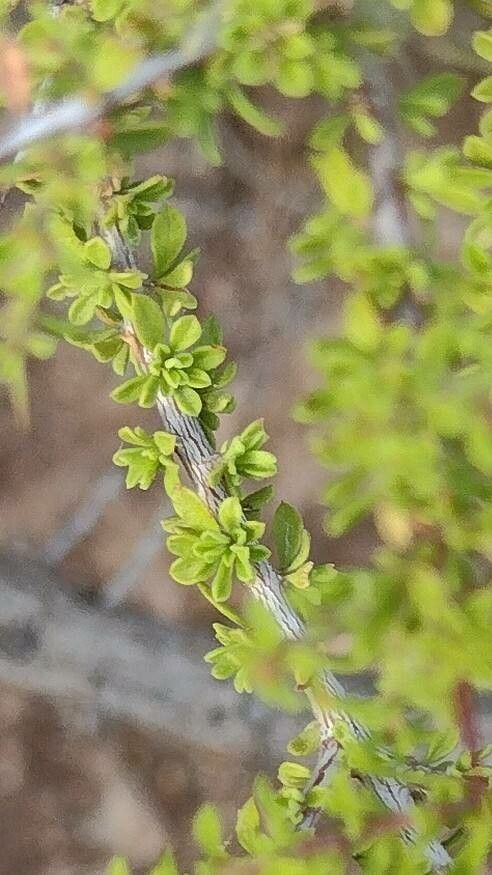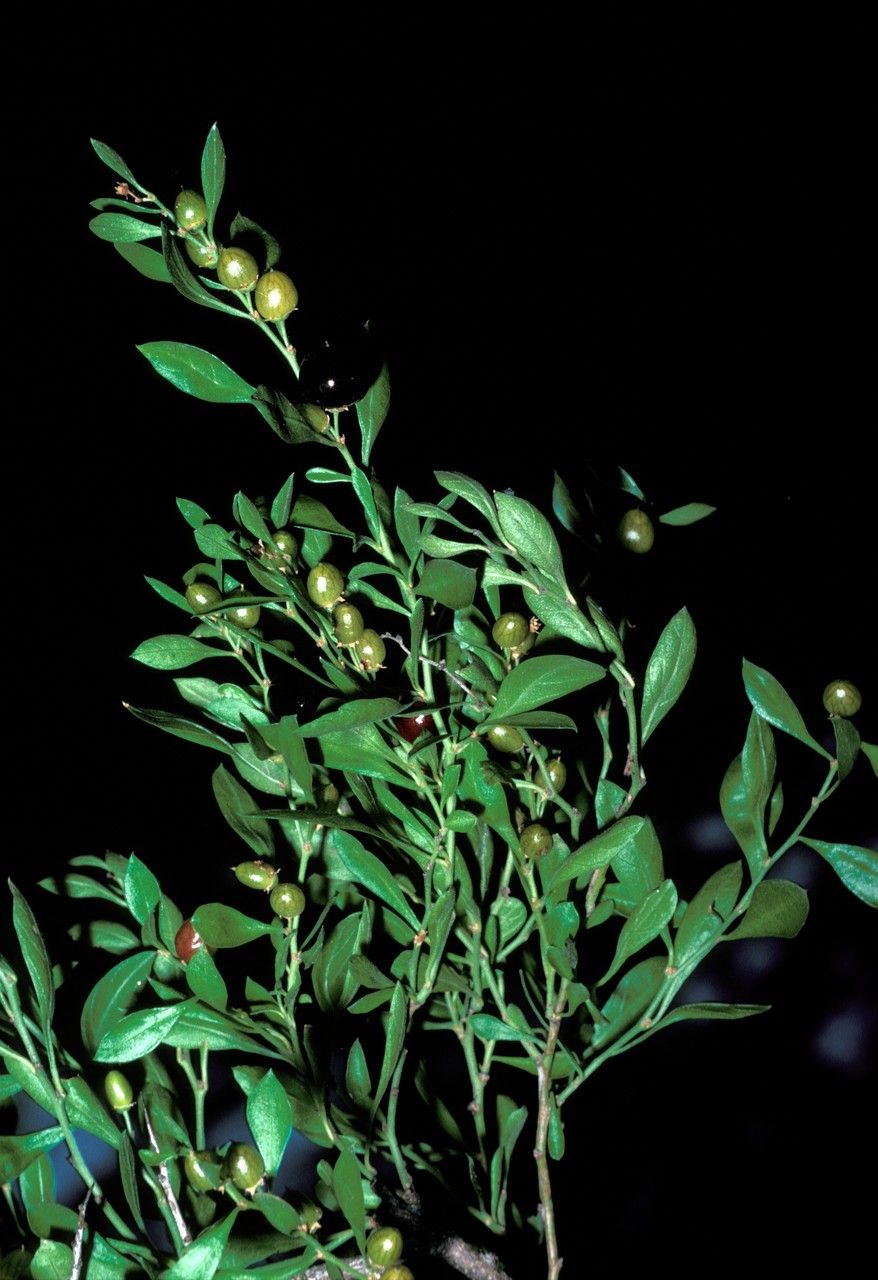
Condalia hookeri, called the Brazilian bluewood, is a widespread species of flowering plant in the family Rhamnaceae, native to Texas and eastern Mexico. It is a thorny shrub or small tree reaching 6 m (20 ft) but usually much shorter. Typically it is found growing in marginal habitats such as limestone slopes, sandstone bluffs, lunettes, shell ridges, juniper-dominated woodlands, or along watercourses, often in clayey or sandy soils, at elevations from 10 to 400 m. It may come to dominate an area as a thorny scrubland.
Brazilian Bluewood is fairly disease-resistant and is generally not prone to diseases. Regarding care, this plant is relatively low-maintenance. When grown outdoors it needs minimal watering, and larger specimens typically do not require pruning. Smaller plants, however, should be pruned after they have finished blooming. Brazilian Bluewoodt is suitable for anyone with an outdoor space, such as a garden or deck, and does not require extensive care experience.
How to keep Condalia Hookeri.
Light
Brazilian Bluewood, a tropical plant, thrives in sunny conditions and is originally found in bright, sunlight-filled environments. It is able to withstand not just full sunlight, but also partial sunlight. This woody plant usually grows in open, light-rich areas with slight shade.
Water
Brazilian Bluewood is a drought-tolerant plant originating from arid regions. It has adapted to store water, allowing it to survive extended periods of dryness. It should be watered every 2-3 weeks and grows best in well-drained soil, which mimics its native desert-like environment.
Temperature
The Brazilian Bluewood plant naturally thrives in areas where the temperatures oscillate from 68 to 100 °F (20 to 38 ℃). It thrives in warmer environments, which explains its flourishing under such temperature limits. For colder seasons, you might want to look into the utilization of a heat lamp or a greenhouse to ensure its maximum growth.
Fertilizer
The care of Brazilian Bluewood requires essential fertilization. Consistent nourishment throughout the growth period helps maintain energy for vibrant leaves and fosters total development. Overlooking fertilization could lead to poor leaf health, reduced decorative value, and inhibited or frail growth susceptible to damage.
Pruning
Brazilian Bluewood is known for its dense foliage and distinctive blue-tinted leaves. To keep the plant healthy, it's best to prune it in early spring. During this time, remove any dead branches and thin out crowded areas to improve air circulation. Additionally, selectively trim back overgrown shoots to maintain the desired shape and encourage healthier growth and a more vibrant structure.
Botanical profile.
- Plant Type
- Tree, Shrub
- Life Cycle
- Perennial
- Genus
- Condalia
- Family
- Rhamnaceae
- Hardiness Zone
- 9-11
- Mature Height
- 0.91 m to 6.1 m
- Mature Spread
- 9.14 m
- Leaf Color
- Dark Green
- Leaf Type
- Deciduous
- Flower Color
- White
- Flower Size
- 0.25 cm to 0.51 cm
- Bloom Time
- Mid spring, Late spring, Early summer
- Planting Time
- Spring, Summer, Autumn
- Harvest Time
- Mid summer, Late summer, Early fall
- Native Area
- Mexico
Other names.
Reader questions.
What are the sunlight requirements for Brazilian Bluewood?
Brazilian Bluewood, scientifically known as Condalia hookeri, thrives in environments that are bright and sun-drenched. It requires full sun, which means above 6 hours of sunlight daily, but can also tolerate partial sun, equating to about 3-6 hours of sunlight. It's essential to watch how sunlight moves through your garden to find the perfect spots that offer a balance of light and shade, ensuring your plants stay happy.
What is the ideal temperature range for Brazilian Bluewood?
Brazilian Bluewood thrives in temperatures between 68 to 100 °F (20 to 38 °C). It prefers warm habitats and performs optimally within this temperature range. During colder seasons, to maintain its health and encourage growth, measures such as using a heat lamp or housing it within a greenhouse can be beneficial. Specially, the plant should be protected from temperatures below 20°C, and keeping it above this threshold during winter is crucial for its well-being. Cold temperatures, especially those approaching 0°C, can cause significant harm to the plant.
How does artificial lighting support Brazilian Bluewood's growth indoors?
For Brazilian Bluewood plants grown indoors, where natural sunlight may be insufficient, especially in winter or less sunny spaces, artificial lighting becomes crucial. It promotes faster, healthier growth. LED lights are recommended because they can be tailored to provide specific wavelengths needed by the plants. Full sun plants should get 30-50W/sq ft of artificial light, partial sun plants 20-30W/sq ft, and full shade plants 10-20W/sq ft. The light source should be placed 12-36 inches above the plant, mimicking natural sunlight, and the duration should be about 8-12 hours per day to simulate the length of natural daylight hours appropriate for the plant species.
How should Brazilian Bluewood be cared for during cold temperatures?
In response to cold temperatures, it is critical to keep Brazilian Bluewood in conditions that it finds favorable, which is above 20°C. When temperatures drop below this point, especially below 0°C or even worse, -5°C, the plant exhibits symptoms like a lightening of leaf color, followed by browning or blackening after frost damage, accompanied by wilting and drooping. To mitigate these issues, the recommended course of action involves trimming away the frost-damaged parts of the plant and relocating it to a warm environment indoors. Placing it near a south-facing window ensures it receives ample sunlight without the risks posed by proximity to heaters or air conditioning vents, which can lead to excessively dry air around the plant.
What are the symptoms of light deficiency in Brazilian Bluewood?
When Brazilian Bluewood is cultivated indoors under insufficient lighting, especially during winter, it may exhibit symptoms of light deficiency. These include smaller new leaves compared to older ones, leggy or sparse growth with longer spaces between leaves or stems leading to a stretched-out appearance, faster leaf drop to conserve resources, slower or halted growth as the plant enters survival mode, lighter-colored or pale new leaves indicating a lack of chlorophyll, chlorosis where leaves lose their green color and turn yellow, sunscald with pale or necrotic areas on leaves or stems, leaf curling as a defense mechanism to reduce surface area exposed to sunlight, wilting due to increased water loss, and leaf scorching characterized by brown, dry, and crispy leaf edges.
How does high temperature affect Brazilian Bluewood and what are the solutions?
Brazilian Bluewood is adapted to withstand quite high temperatures but should ideally be kept below 100 °F (38 °C) to avoid stress. Exposing the plant to temperatures above 109 °F (43 °C) can lead to lightening of the leaves and increased susceptibility to sunburn. To address damage from excessive heat, the recommended actions include trimming away sunburned and dried parts of the plant and relocating it to an area with shade from the harsh midday and afternoon sun. Additionally, watering the plant in the early morning and late evening helps maintain soil moisture, which is crucial for the plant under high temperature conditions.
What solutions can combat light deficiency symptoms in Brazilian Bluewood?
To combat light deficiency in Brazilian Bluewood, gradual adaptation to sunlight is key. Indoors, move plants to sunnier locations week by week until they receive at least 6 hours of direct sunlight daily. Using a south-facing window and keeping curtains open maximizes exposure. For large plants, consider using artificial light, keeping a lamp on for a minimum of 8 hours or investing in professional grow lights. Outdoors, gradually move plants to sunnier spots to prevent sunburn. Reducing obstructions like pruning trees can help, and for small plants, consider transplanting during dormant periods to locations with better sunlight and drainage. Note that damaged parts may not recover, but new growth will be healthy after light exposure is increased.