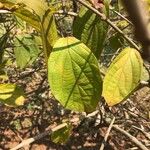
Congea tomentosa
Pink petrea · Shower orchid · Lluvia de orquideas · Shower of orchids · Woolly congea
Description
Source: leafsnapCongea tomentosa is a flowering plant species belonging to the Lamiaceae family, native to Southeast Asia. This woody vine can grow up to 10 meters in length and features large, heart-shaped leaves covered in soft hairs. The plant produces clusters of small, pinkish-purple flowers arranged in long spikes that bloom from late summer through early winter. Congea tomentosa thrives in moist soil and partial shade but can also tolerate full sun if provided with sufficient water. Commonly used as an ornamental plant, it is valued for its attractive foliage and showy flowers. Additionally, it has medicinal properties and is used to treat fever, coughs, and skin diseases.
Care Guide
💧 Water Every 7 days
The "lluvia de orquídeas," native to the humid forests of Southeast Asia, thrives in environments with high humidity and consistent moisture, but it does not tolerate being waterlogged. Once established, it can withstand moderate droughts, although it still benefits from weekly watering. As an evergreen plant, it's important to regularly monitor its water needs, especially during drier periods, to prevent stress.
How should I water my Lluvia de orquideas?
To promote excellent root development, consider these watering techniques for your plants. It's best to place a garden hose at the base of the plant, rather than directly spraying the leaves. If your plants are located outdoors and exposed to direct sunlight, keep in mind that the leaves will require more watering. One option is to use bubblers that can be attached to each plant, ensuring that the roots are adequately moistened. Additionally, soaker hoses are useful for covering the entire garden or bed and can be especially practical when adding or removing plants, as they help push the roots deeper into the soil. Be sure to drain any excess water and allow the soil to dry before the next watering session. Remember, watering at ground level helps prevent the onset of diseases. On sunny days, it may be beneficial to spray the entire bush with water. Regardless of whether your plants are in pots or in the ground, remember that Lluvia de orquideas plants prefer deep watering rather than light sprinkling.
What should I do if I give Lluvia de orquideas too much or too little water?
An overwatered Lluvia de orquideas may exhibit yellowing, dropping, and wilting leaves, as well as a dull and unhealthy appearance with mushy stems. In these cases, it's best to adjust your watering schedule. Conversely, wilting could also indicate under watering, characterized by dry, crispy leaves. To address this, check the soil moisture and provide a thorough watering as needed. However, even with enough water, the plant may still have dry and yellow leaves due to a damaged root system. Once the plant returns to normal, the yellowing of the leaves will stop. When keeping Lluvia de orquideas indoors, always check for moisture levels and avoid overwatering. Look out for black spots, which indicate excess moisture, and allow the soil to dry in the pot if needed. Overwatering can lead to root rot, so transfer the plant to a different pot if discolored and slimy roots are present. Preventing root rot by avoiding overly soggy soil is crucial. When planting your Lluvia de orquideas outdoors, dig deeper and check for dry soil, which may indicate under watering. Make sure to provide adequate watering to assist with plant recovery.
How many times do I need to water my Lluvia de orquideas?
The Lluvia de orquideas plant prefers deep and infrequent watering. When planted in pots, it's important to soak them with a gallon of water each time, as the limited water storage in pots can cause the soil to dry out quickly. In colder regions, watering is needed every 3 to 5 days. This should be done early in the morning when the soil is dry. An easy way to determine if watering is required is by checking the top 2-3 inches of soil. If it's dry, the plant needs a full watering. During hot days, it's advisable to check the moisture daily, as the heat can dry out the soil rapidly. If you have a garden, soil irrigation is necessary as well. In hot climates, watering once a week is recommended. Take note of the moisture level in the soil and refrain from adding water if it's already too dry to avoid root rot. Rainfall may eliminate the need for additional watering. Lluvia de orquideas usually grows during spring and fall. When grown outdoors, adding a layer of mulch around 3 to 4 inches deep can help conserve water. Sandy soil drains faster, so more frequent watering is required. On the other hand, clay soil retains moisture better and can go 2-3 days without water to prevent root rot. To keep track of watering, consider marking the date on the calendar and watch out for drooping leaves, which could indicate a delay in watering.
How much water should I give my Lluvia de orquideas plant?
To take care of Lluvia de orquideas, it's best to water it regularly. For potted plants, water them deeply until you see water dripping from the bottom of the pot. After watering, allow the soil to dry out before watering again. You can use a water calculator or a moisture meter to determine how much water you've given to your plant in a week. During the flowering period, make sure to provide plenty of water but allow the moisture to evaporate afterwards to avoid root rot. If you're growing Lluvia de orquideas outdoors and there's adequate rainfall, you may not need to water it additionally. However, when it's young or newly planted, ensure it receives 1-2 inches of rain per week. As it grows, it can rely entirely on rainfall unless the weather is extremely hot or there's no rainfall for 2-3 weeks. In such cases, consider giving it a thorough watering during the cooler part of the day to prevent damage from the heat. Additional watering may be necessary during long dry periods.
Should I change how often I water my Lluvia de orquideas depending on the time of year or the weather?
The Lluvia de orquideas, a type of plant, needs outdoor conditions characterized by rain, but in dry weather, it will need occasional watering. During the spring and fall, it should have consistently moist soil, although not overly soggy. Alternating periods of dry and moist soil will promote healthy growth. In the summer, hot weather can cause water to evaporate quickly, so if there is not enough rainfall, more frequent watering is necessary to keep the soil moist. During winter, the Lluvia de orquideas requires less water since it enters a dormant phase and loses its leaves. It should be placed in well-draining soil to help water evaporate. Once the Lluvia de orquideas shows signs of growth during spring, watering can be skipped, as it can rely on rainfall. During flowering, the plant dislikes excessive water or drought and needs good drainage, especially in winter. When potted, it has limited root growth and should be kept well-watered, particularly in summer. Deep watering once or twice a week is preferable over shallow sprinkling, which may encourage fungi growth and does not reach the roots. Even during dormancy, the plant should not be allowed to dry out completely. Overwatering can be detrimental, as the plant does not like sitting in water for prolonged periods. Applying mulch can help reduce stress, conserve water, and promote healthy blooming.
☀️ Light Full sun
Lluvia de orquideas crece mejor con abundante luz solar, como en su hábitat natural. El ritmo de crecimiento y la salud general de la planta mejoran notablemente en estas condiciones. No obstante, una exposición excesiva puede provocar quemaduras en las hojas, mientras que una exposición insuficiente podría detener su desarrollo.
What are the sunlight requirements for Lluvia de orquideas?
Lluvia de orquideas thrives best when it's exposed to full sun, meaning it requires above 6 hours of sunlight daily to flourish. In its natural habitat, this plant enjoys an abundance of sunshine, which significantly contributes to its growth pace and overall health. However, gardeners should be cautious as excessive exposure to sunlight might lead to leaf scorching, whereas insufficient sunlight exposure could halt the plant's development. When observing the garden, it's important to choose spots that offer the perfect balance of light and shade, ensuring the plant's happiness and optimal growth.
How can artificial lighting be used for Lluvia de orquideas indoors?
For indoor Lluvia de orquideas, especially when natural sunlight is insufficient, artificial lighting is a crucial solution for promoting healthy growth. Indoor plants require adequate lighting; therefore, the selection of the right type of artificial light, like LED lights, is vital as they offer customization to provide specific wavelengths needed by plants. Full sun plants need 30-50W per square foot of artificial light, partial sun plants 20-30W per square foot, and full shade plants 10-20W per square foot. The light source should be placed 12-36 inches above the plant to mimic natural sunlight effectively. Moreover, mimicking the natural daylight hours, most plants will thrive with 8-12 hours of artificial light per day.
What are the symptoms of insufficient sunlight exposure in Lluvia de orquideas?
When Lluvia de orquideas does not receive enough sunlight, especially indoors during winter, several symptoms can indicate light deficiency. Some of these symptoms include small leaves, where new leaves may grow smaller than the older, mature ones; leggy or sparse growth, characterized by longer spaces between leaves or stems, resulting in a stretched out appearance; faster leaf drop as the plant sheds older leaves early to conserve resources; slower or halted growth as the plant enters a survival mode; lighter-colored new leaves due to insufficient chlorophyll and essential nutrients; chlorosis, leading to yellowing leaves; sunscald, which damages plant tissues with intense sunlight exposure; leaf curling, a defense mechanism against excessive sunlight; wilting from loss of turgor pressure; and leaf scorching, marked by brown, dry, crispy edges on leaves.
How can I address insufficient sunlight for Lluvia de orquideas?
Addressing insufficient sunlight for Lluvia de orquideas involves several strategies depending on the plant's location (indoor, outdoor, or ground). Indoors, gradually move the plants to a sunnier location each week, aiming for at least 6 hours of direct sunlight daily, and consider artificial light sources, such as desk or ceiling lamps on for at least 8 hours daily or invest in professional plant grow lights. Outdoors, transporting your plants to sunnier spots gradually helps them adapt without risking sunburn. For ground plants, reduce obstructions such as pruning trees that block sunlight and consider transplanting smaller plants during their dormant period to a location with ample sunlight and good drainage. It's crucial to remember that affected plant parts may not recover, but new growth after increasing light exposure will be healthy.
🌡️ Temperature 20–37.8°C
Lluvia de orquideas is naturally suited to environments with temperatures between 68 and 100 °F (20 and 38 ℃). Because it prefers warmth, appropriate adjustments should be made during colder seasons to keep the temperature suitable and promote healthy growth.
What is the ideal temperature range for Lluvia de orquideas?
Lluvia de orquideas thrives in environments where the temperature ranges between 68 to 100 °F (20 to 38 °C). It is extremely heat-loving, indicating the necessity of warm temperatures for its healthy growth. During the colder seasons, it's essential to take proper adjustments to maintain this suitable temperature range. For example, in the autumn, if the plant has been grown outdoors, it is recommended to bring it indoors and place it near a bright window, though it should be kept at a distance from heaters to avoid harm. Ensuring the temperature stays above 20°C during winter benefits the plant, whereas exposing it to temperatures near 5°C should be avoided due to detrimental effects.
How does low temperature affect Lluvia de orquideas and what are the solutions?
Low temperatures have a notable adverse effect on Lluvia de orquideas, a plant that prefers to be kept in warm conditions, ideally above 20°C. Exposure to temperatures below 1°C can result in the leaves lightening in color. Following frost damage, the leaves may turn brown or black, and the plant may exhibit symptoms such as wilting and drooping. To mitigate these issues, frost-damaged parts should be trimmed off, and the plant should be moved immediately to a warmer indoor environment. Placing the plant near a south-facing window ensures ample sunlight, yet it's also important to avoid placing it near heaters or air conditioning vents to prevent the air around it from becoming excessively dry.
What effects do high temperatures have on Lluvia de orquideas and how can they be managed?
During the summer, it is critical to ensure that Lluvia de orquideas is kept below 38°C to avoid adverse effects. Exposure to temperatures exceeding 43°C can lead to the leaves becoming lighter and increasing the plant's susceptibility to sunburn. Managing this involves trimming away the sunburned and dried-up parts of the plant and relocating it to an area that provides adequate shade from the harsh midday and afternoon sun. Additionally, watering the plant during the morning and evening helps to maintain soil moisture, which is vital for its well-being under high temperature conditions.
💨 Humidity
🪴 Soil 6-7
🌱 Fertilizer
The best time to fertilize a Lluvia de orquideas is in early spring, when it comes out of dormancy. This stimulates overall growth and the development of flowers. Fertilizing improves the foliage, stems, and branches, and encourages flowers that are large, vivid, and long-lasting. It helps move nutrients from the roots to the flowers and enhances the plant's health and resistance to disease.
Why is it necessary to fertilize my Lluvia de orquideas?
Fertilization is crucial for the overall well-being of a Lluvia de orquideas. When provided with the right energy and nutrients, this plant will develop healthy foliage as well as strong stems and branches. While the flowers of a Lluvia de orquideas are highly valued by gardeners, they can also benefit from fertilization. By using the proper fertilizer, you can help your Lluvia de orquideas produce large, vibrant, and long-lasting flowers. This is because the right fertilizer enhances the transfer of fuel from the roots to the stems and flowers. Additionally, proper fertilization contributes to the plant's overall health, increasing its ability to resist diseases.
When should I fertilize my Lluvia de orquideas?
To properly fertilize a Lluvia de orquideas, the ideal time is early spring when the plant is emerging from dormancy and preparing to bloom. This ensures the plant has enough energy for growth and flower development. However, there is another opportunity to feed the plant in the fall, although a smaller amount is sufficient. Some gardeners also opt for fertilization during planting, but it is not always necessary.
When is it best to not fertilize my Lluvia de orquideas?
During the winter, Lluvia de orquideas plants are in a dormant phase and do not require fertilization. Fertilizing during this time can increase the risk of overfertilization. The ideal times to feed these plants are in early spring and fall. Therefore, during most of the spring and summer, fertilization is not necessary. It is also recommended to refrain from fertilizing if the plant is experiencing extremely hot or dry conditions.
What kind of fertilizer does my Lluvia de orquideas plant need?
While using a general-purpose fertilizer with equal amounts of nitrogen, phosphorus, and potassium is usually acceptable, Lluvia de orquideas plants tend to thrive with a specific type of fertilizer. For these plants, nitrogen and phosphorus are the most important nutrients, so they should be in higher concentrations compared to potassium in the fertilizer you use. A fertilizer with an N-P-K ratio of 10-10-8 or something similar should be suitable. Additionally, it can be helpful to incorporate organic materials like compost during one of your yearly feedings. If you opt for fertilizer, granular fertilizer is commonly used for Lluvia de orquideas plants.
How can I fertilize my Lluvia de orquideas?
Applying fertilizer to your Lluvia de orquideas is a simple task that any gardener can do. To feed your plant with granular fertilizer, just sprinkle it on the soil after moistening it with water. Another option is to amend the soil with organic materials like compost or manure. To do so, place the material on top of the soil and gently work it into the top few inches without disturbing the roots using a hand rake.
🪴 Pot & Repot
✂️ Pruning
"Lluvia de orquídeas showcases stunning purple-pink floral bracts. To maintain its health and appearance, prune the plant in early spring to remove dead branches and shape it. Thinning the plant improves airflow and light penetration, which promotes healthy growth and vibrant blooms while reducing the risk of disease. This approach makes it perfect for both aesthetic and health-focused gardening."
🌿 Propagating
🐛 Diseases & pets
☠️ Toxicity
Characteristics
- Plant Type
- Vine
- Life Cycle
- Perennial
- Genus
- Congea
- Family
- Lamiaceae
- Hardiness Zone
- 10-11
- Mature Height
- 3.05 m to 6.1 m
- Mature Spread
- 3.05 m to 6.1 m
- Leaf Color
- Green
- Leaf Type
- Evergreen
- Flower Color
- Pink, Lavender
- Flower Size
- 2.54 cm
- Bloom Time
- Winter
- Planting Time
- Spring, Summer, Autumn
- Harvest Time
- Spring
- Native Area
- Sri Lanka, India, Cambodia, Vietnam, Myanmar, Bangladesh, Laos, Thailand, China