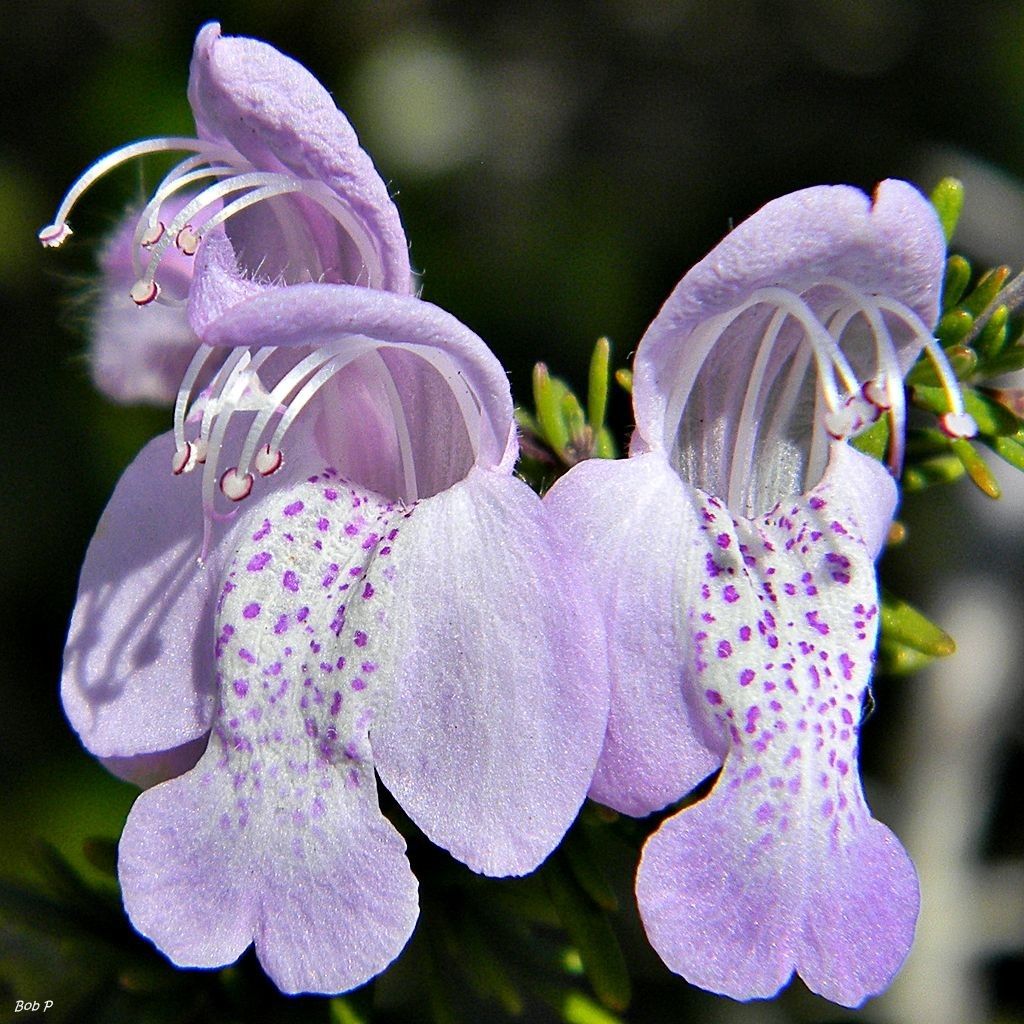
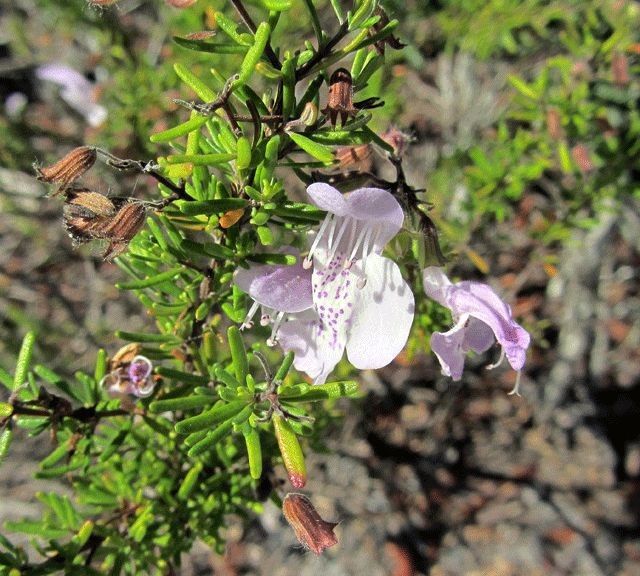
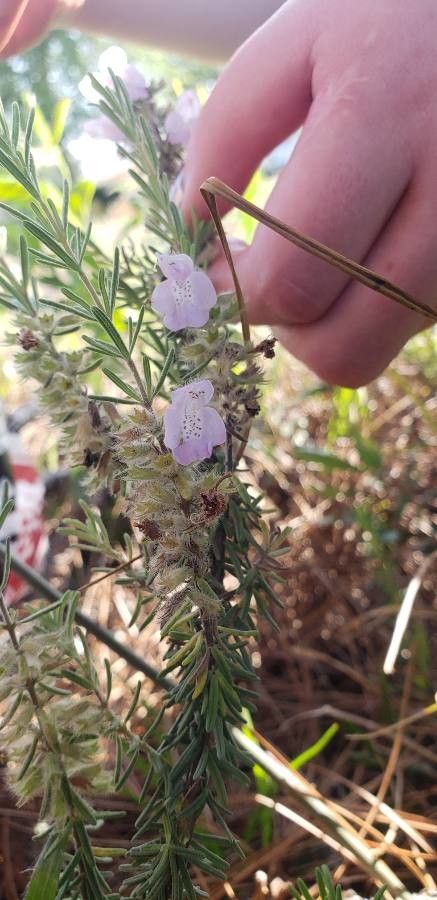
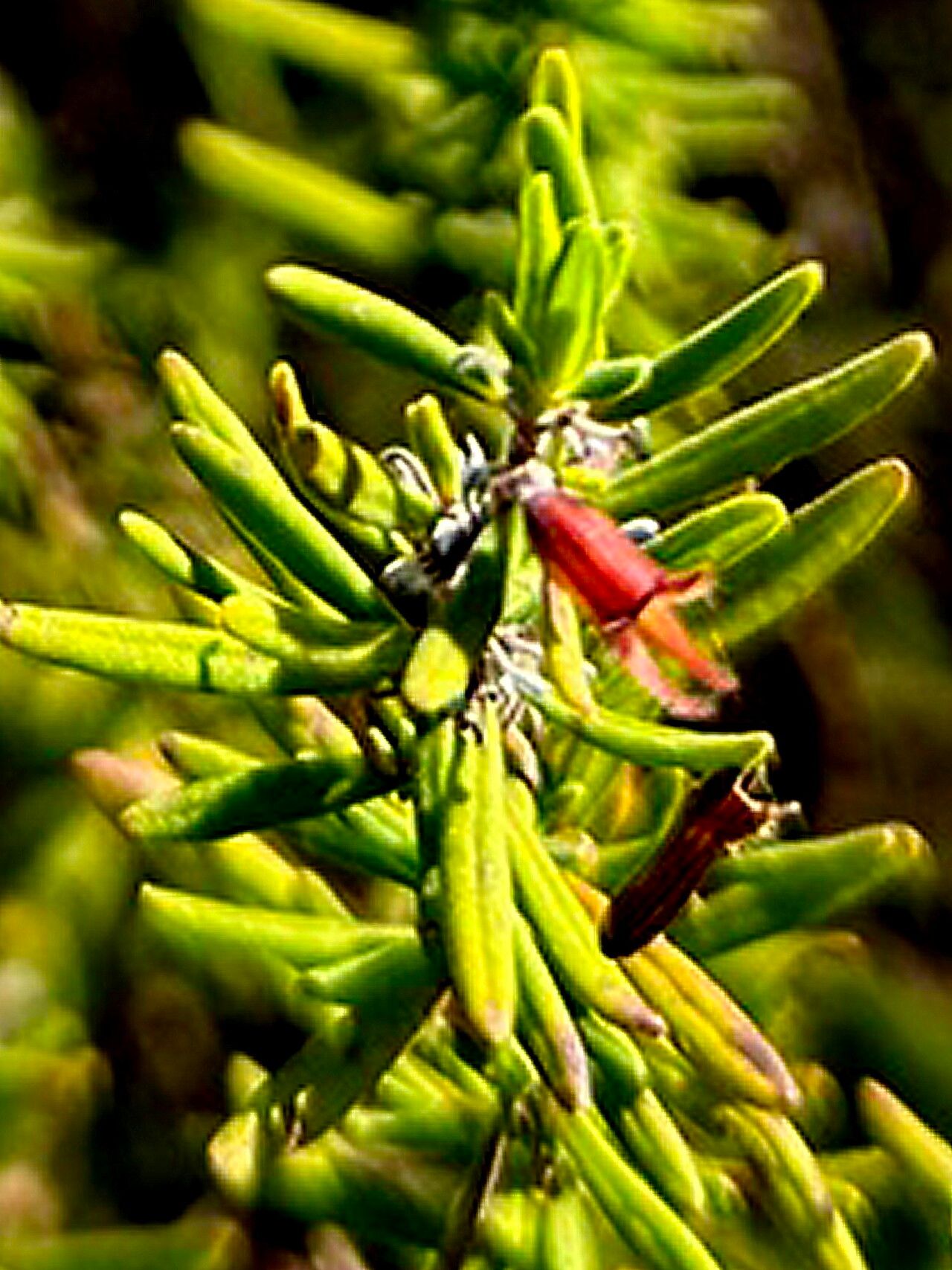
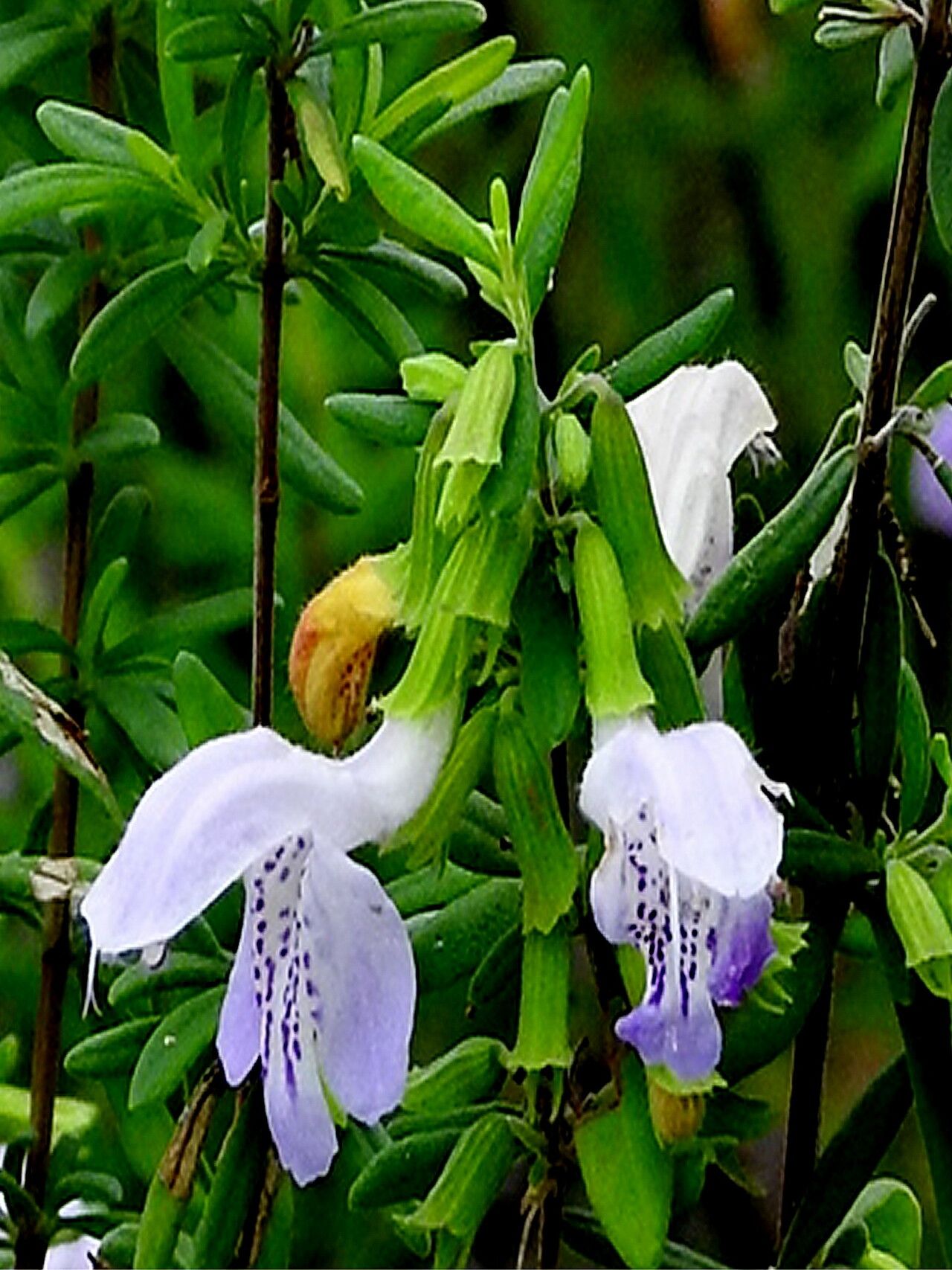
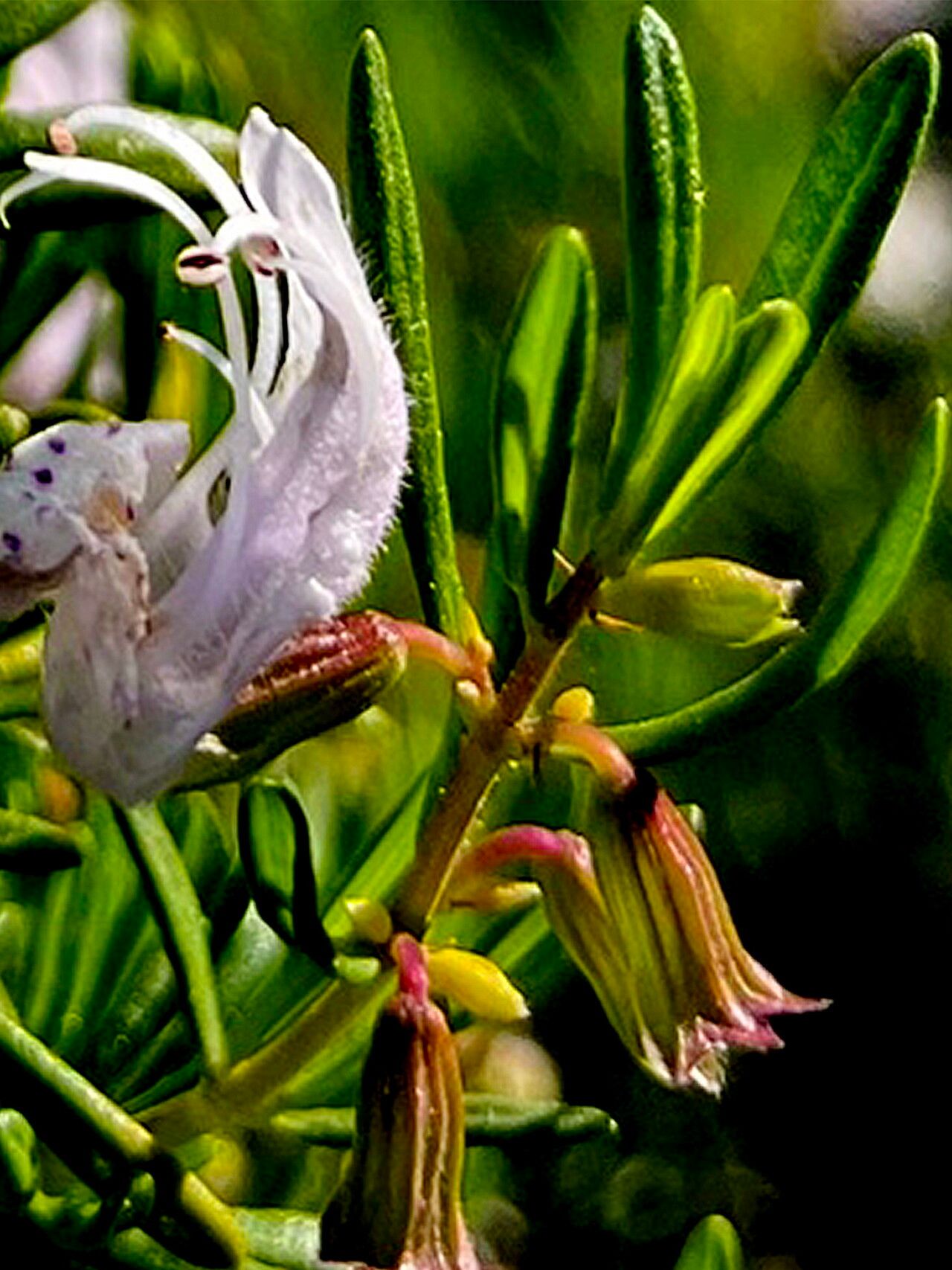
Conradina grandiflora, commonly known as Largeflower False Rosemary, is a small evergreen shrub native to the southeastern United States. It typically reaches a height of 1-2 feet and features narrow, needle-like leaves that release a pleasant aroma when crushed. In late spring and early summer, the plant produces clusters of large lavender-pink flowers that attract bees and butterflies.
This plant thrives in well-drained soils and can grow in full sun to partial shade. Once established, it is drought-tolerant. Conradina grandiflora is an excellent choice for use as a low hedge or border plant in gardens or naturalized areas. Historically, Native Americans have utilized the essential oils from its leaves for medicinal purposes.
The species is considered endangered, primarily due to habitat loss from development, fire suppression practices, and the encroachment of invasive species within its native range. Conservation efforts, including habitat restoration projects and seed banking programs, are currently underway to protect this valuable plant.
Largeflower false rosemary is fairly resistant to disease and generally not susceptible to illnesses. In terms of care, the plant is relatively low-maintenance. Planted outdoors it needs only minimal watering, and larger specimens typically do not require pruning; smaller plants, however, should be pruned after they have finished blooming. Largeflower false rosemaryt is appropriate for anyone with outdoor space, such as a garden or deck, and does not demand much experience in plant care.
How to keep Conradina Grandiflora.
Fertilizer
To encourage healthy growth, fertilize your Largeflower false rosemary in early spring. Regular feeding improves overall health, promoting robust growth, greater tolerance of harsh conditions, and enhanced resistance to pests and diseases. Adhere to a consistent fertilization schedule for your Largeflower false rosemary to keep its foliage vivid, deeply colored, and lush.
Pruning
Largeflower false rosemary benefits from being pruned in early spring. By trimming back one-third of the plant, you can enhance its shape and promote growth. Removing dead branches improves the plant's health, and pruning after flowering prevents seed production, allowing the plant to direct more energy toward growth. This approach also improves air circulation and light exposure, which helps reduce the risk of disease.
Botanical profile.
Other names.