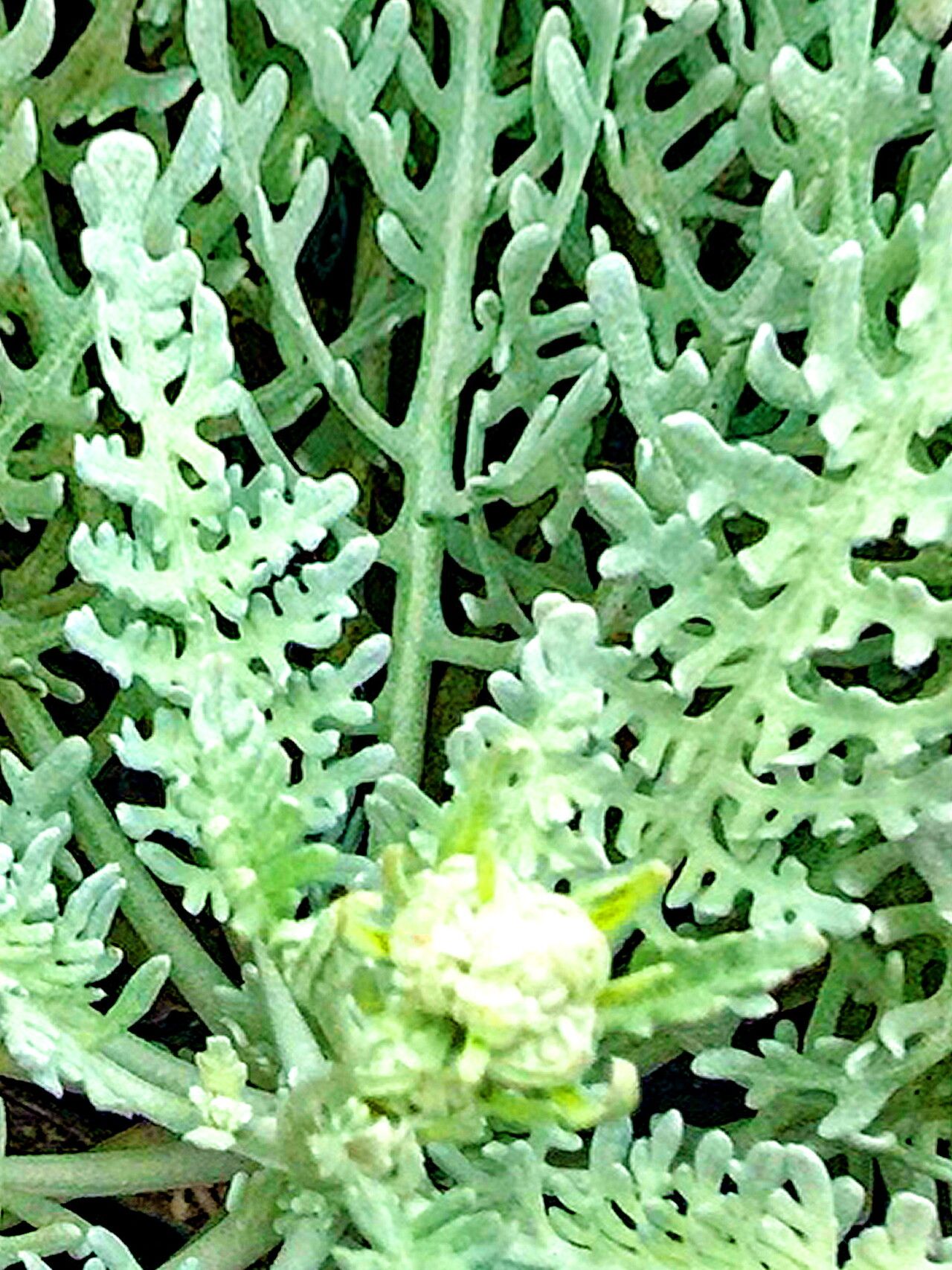
Constancea is a monotypic genus of flowering plants in the family Asteraceae containing the single species Constancea nevinii, which is known by the common name Nevin's woolly sunflower. It is endemic to three of the Channel Islands of California, where it grows in coastal scrub habitat. This is a small shrub or subshrub generally growing up to one or 1.5 meters tall, and taller when an erect form, with a branching, woolly stem. The whitish, woolly oval leaves may be up to 20 centimeters long and are divided into many narrow lobes with edges curled under. The inflorescence is a cluster of 10 to 50 or more small flower heads, each on a short peduncle. The flower head has a center of hairy, glandular, star-shaped yellow disc florets and a fringe of four to nine yellow ray florets, each about 2 millimeters long. The fruit is an achene a few millimeters long with a small pappus at the tip.
Nevin's woolly sunflower is resistant to diseases and typically does not suffer from them. As for care, this plant is fairly low-maintenance. When grown outdoors it needs only light watering, and larger specimens usually do not require pruning. Smaller plants, however, should be pruned after they finish blooming. Nevin's woolly sunflowert is well suited to anyone with an outdoor area like a garden or deck and does not demand extensive care experience.
How to keep Constancea Nevinii.
Light
Nevin's woolly sunflower comes from open habitats, for example sunny meadows and forest edges, which offer plenty of light. It prefers Full Sun but will tolerate Partial Sun, adjusting well to different sunlight levels.
Temperature
Nevin's woolly sunflower is highly adaptable to a range of climates, tolerating both very hot summers and cold winters. Still, it has a preferred temperature range for optimal growth. Excessively high temperatures leave the plant vulnerable to heat and humidity stress, which can kill it. In areas where temperatures approach the lower limit of its cold tolerance, providing insulation is necessary to protect the plant.
Fertilizer
Fertilize your Nevin's woolly sunflower in early spring to encourage healthy growth. Regular fertilization boosts overall health, producing vigorous growth, greater tolerance of challenging conditions, and better resistance to pests and diseases. Keep a consistent fertilization schedule for your Nevin's woolly sunflower to preserve vibrant, deeply colored foliage and a lush appearance.
Botanical profile.
- Plant Type
- Shrub
- Life Cycle
- Perennial
- Genus
- Constancea
- Family
- Compositae
- Hardiness Zone
- 9-11
- Mature Height
- 0.91 m to 2.13 m
- Mature Spread
- 0.91 m to 1.52 m
- Leaf Color
- Silver, Gray
- Leaf Type
- Evergreen
- Flower Color
- Yellow
- Flower Size
- 3.05 cm to 5.08 cm
- Bloom Time
- Mid spring, Late spring, Early summer
- Planting Time
- Spring, Summer, Autumn
- Harvest Time
- Summer