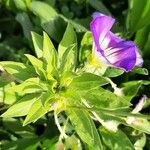
Convolvulus tricolor
Morning Glory · Dwarf Morning Glory · Dwarf-morning-glory · Tricolour convolvulus · Dwarf glory bind
Description
Source: leafsnapConvolvulus tricolor (syn. C. minor) is a species of flowering plant in the family Convolvulaceae, native to Mediterranean Europe. Common names include dwarf morning-glory, tricolour convolvulus, and belle de jour.
🌳 Dwarf morning glory is more than an ornamental plant; it also has an ecological function. Its occurrence in particular soil conditions can reveal the metal content of the soil. For example, the buildup of certain plants in a location can indicate elevated levels of metals like cadmium or lead, pointing to potential soil contamination, and dwarf morning glory is part of these bioindicator systems.
Care Guide
💧 Water
Dwarf morning glory, native to the Mediterranean region, thrives in well-drained soils with moderate moisture. To keep it healthy, water it weekly. This plant flourishes outdoors in full sunlight, and proper water regulation encourages abundant flowering during its growing season.
How do I know if I'm giving enough water to my Dwarf morning glory?
Avoiding overwatering your Dwarf morning glory can be somewhat challenging due to conflicting factors. While these plants have deep roots that require weekly soil moistening, they are also highly prone to root rot, which can cause browning. Underwatering is less common for Dwarf morning glory, as they can withstand periods without additional watering. However, if they are deprived of water for too long, they may wilt and develop dry leaves.
What's the difference in how you water Dwarf morning glory when it's inside compared to when it's outside?
Most Dwarf morning glory plants are better suited for outdoor growth due to their tendency to grow tall. Additionally, these plants require more sunlight than most indoor locations can provide. However, if you are able to create a suitable indoor growing space, keep in mind that Dwarf morning glory may need more frequent watering compared to outdoor conditions. This is because indoor environments are generally drier, often due to HVAC units, and the soil in containers can dry out quickly.
☀️ Light Full sun
The dwarf morning glory does best in full sun, which significantly promotes its overall growth and vigor. In its native habitat it grows in environments continually bathed in light. Too little sunlight can impede its growth and flowering, while too much can also cause the plant some stress.
What are the sunlight requirements for Dwarf Morning Glory?
Dwarf Morning Glory requires 'full sun' exposure, meaning it should receive above 6 hours of sunlight daily for optimal growth. However, it can also grow in 'partial sun' conditions, which involves about 3-6 hours of sunlight. Monitoring the movement of sunlight through your garden is crucial in choosing the ideal locations for your plants, ensuring they enjoy the right balance of light and shade.
How does inadequate or excessive sunlight affect Dwarf Morning Glory?
Inadequate sunlight can hinder the growth and flowering of Dwarf Morning Glory, a plant that thrives in conditions flush with light. Conversely, too much sunlight can distress the plant. To address light deficiencies, artificial light can be used, especially for indoor plants. Indoor plants benefit from adequate lighting, including in scenarios of insufficient natural sunlight. LED lights are recommended for their efficiency and ability to mimic the specific wavelengths needed by plants. The right amount of artificial light ranges from 10-50W/sq ft based on the plant's sunlight needs, and the light should ideally be placed 12-36 inches above the plant for 8-12 hours per day.
What are the symptoms of light deficiency or excess in Dwarf Morning Glory?
Symptoms of light deficiency in Dwarf Morning Glory include smaller new leaves, leggy or sparse growth, faster leaf drop, slower or no new growth, lighter-colored new leaves, and symptoms of excess light exposure include chlorosis, sunscald, leaf curling, wilting, and leaf scorching. These symptoms indicate that the plant is either not receiving sufficient light or is exposed to too much direct sunlight, affecting its health and growth.
What solutions can help Dwarf Morning Glory thrive in terms of sunlight?
To optimize Dwarf Morning Glory's growth, gradually move the plants to a sunnier area until they get at least 6 hours of direct sunlight. Use south-facing windows for indoor plants and keep them open during the day. For large or immobile plants, artificial lighting, like desk lamps or grow lights, should be used for at least 8 hours daily. Minimize obstructions by pruning trees or moving the plant to sunnier locations. Remember, while damaged parts may not recover, new growth will be healthy with improved light exposure.
🌡️ Temperature 15–37.8°C
Dwarf morning glory is native to climates where temperatures range from 68 to 100.4 °F (20 to 38 ℃). It thrives in heat and prefers milder winters. Make adjustments during unseasonal temperature drops.
What are the ideal temperature conditions for Dwarf morning glory?
Dwarf morning glory thrives in environments with temperatures ranging from 68 to 100.4°F (20 to 38°C). It prefers heat and mildly warm winters, adjusting well to unseasonal temperature drops as long as they remain above 0°C. For temperatures expected to drop below 0°C, temporary cold protection measures are recommended, such as wrapping the plant with materials like plastic film or fabric. These protections should be removed once temperatures rise again.
How does Dwarf morning glory respond to low temperatures?
Dwarf morning glory has moderate cold tolerance, performing best when temperatures are above 20°C, and should be kept above 0°C during winter. Exposure to temperatures below -10°C may cause leaves to droop, and in severe cases, leads to wilting and leaf drop. To manage frost damage, trim frost-damaged parts and wrap the plant with non-woven fabric or cloth, and establish a wind barrier before the next cold spell to protect it from the cold wind.
What should be done if Dwarf morning glory experiences high temperatures?
During the summer, it's important to keep Dwarf morning glory's temperature below 38°C. Exposure to temperatures above 43°C can result in lighter leaf colors, dry and withered leaf tips, curled leaves, and increased susceptibility to sunburn. Managing heat stress involves trimming sunburned and dried parts, relocating the plant to shaded areas during the midday and afternoon sun, or using a shade cloth. Additionally, watering the plant in the morning and evening helps keep the soil moist, aiding in temperature stress relief.
💨 Humidity normal (40-60%)
This plant will thrive in moderate humidity, which is probably the level in your home. However, misting it a few times a week can be very beneficial. Make sure the room has good ventilation.
🪴 Soil 6-7
🌱 Fertilizer
Once most of the Dwarf morning glory's blooms have opened to full size, resume fertilizing. When the blooms reach peak output, apply fertilizer every three to four weeks, weather permitting. After the plant begins to produce fewer new blooms, stop fertilizing; there's no need to fertilize when the plant can't produce any more blooms.
🪴 Pot & Repot
✂️ Pruning
The dwarf morning glory boasts vibrant, tricolor blooms and thrives in well-drained soil. To keep the plant healthy and looking its best, prune in early spring to remove any damaged stems. Later on, trim overgrown shoots to maintain its shape. Regular pruning encourages a bushier growth and boosts bloom production. Always use clean tools and take care not to over-prune, as excessive cutting can stress the plant.
🌿 Propagating
🐛 Diseases & pets
☠️ Toxicity
Characteristics
- Plant Type
- Herb
- Life Cycle
- Annual, Perennial, Biennial
- Genus
- Convolvulus
- Family
- Convolvulaceae
- Hardiness Zone
- 8-11
- Mature Height
- 15 cm
- Mature Spread
- 30 cm to 46 cm
- Leaf Color
- Green
- Leaf Type
- Semi-evergreen
- Flower Color
- Blue, White, Yellow
- Flower Size
- 3.05 cm
- Bloom Time
- Late spring, Early summer, Mid summer
- Planting Time
- Spring, Summer
- Harvest Time
- Mid summer