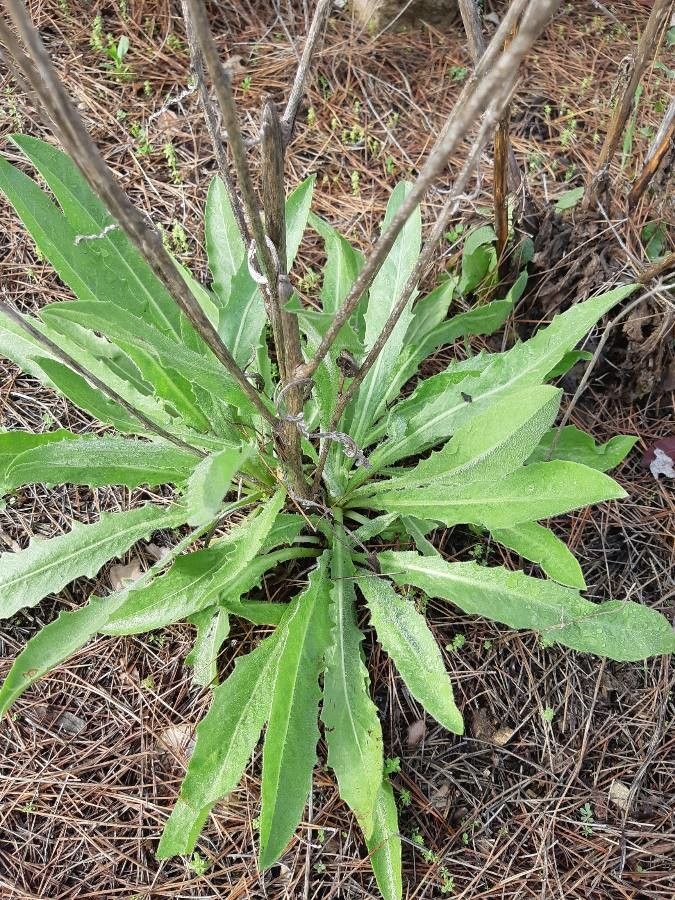
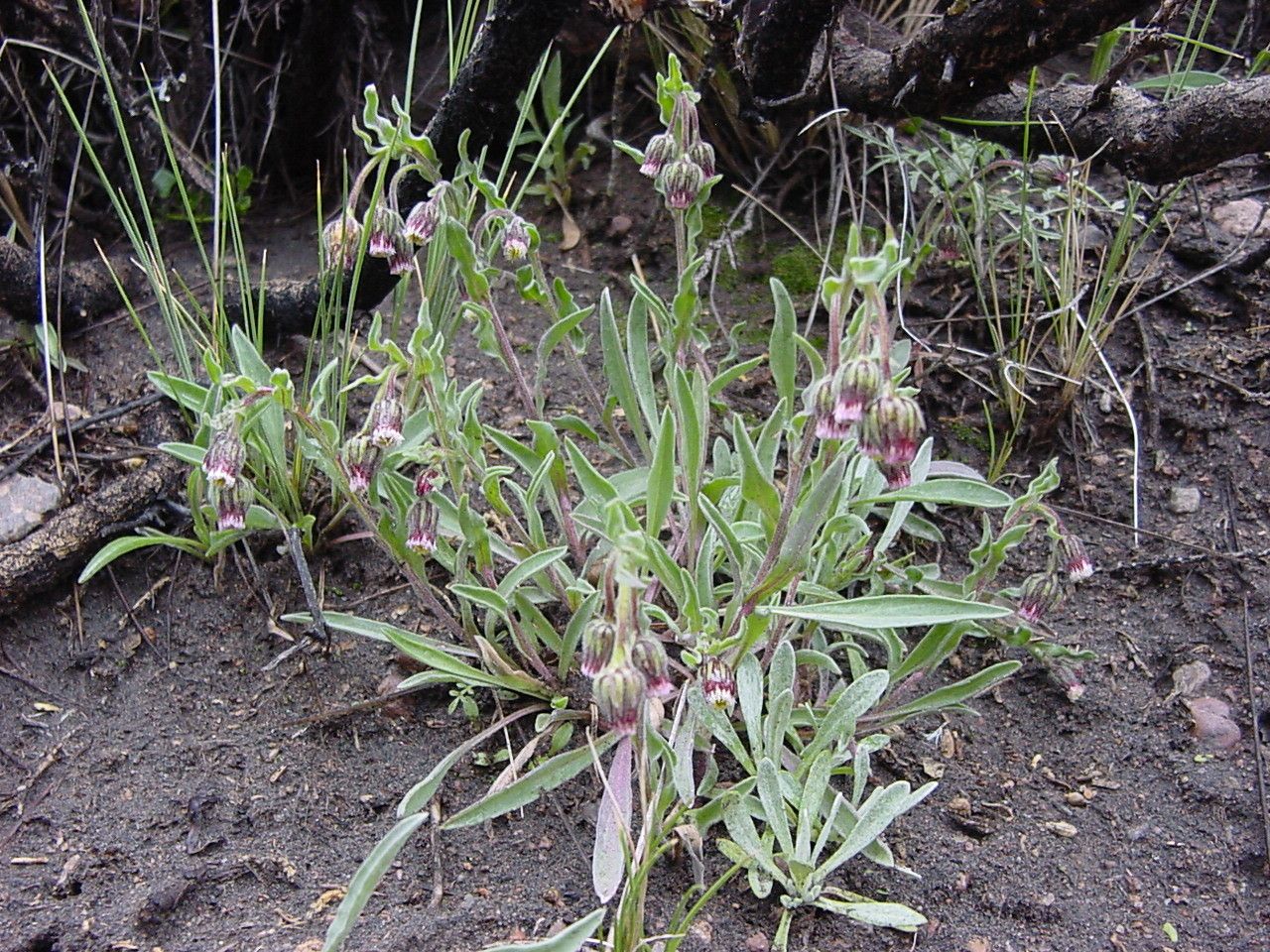
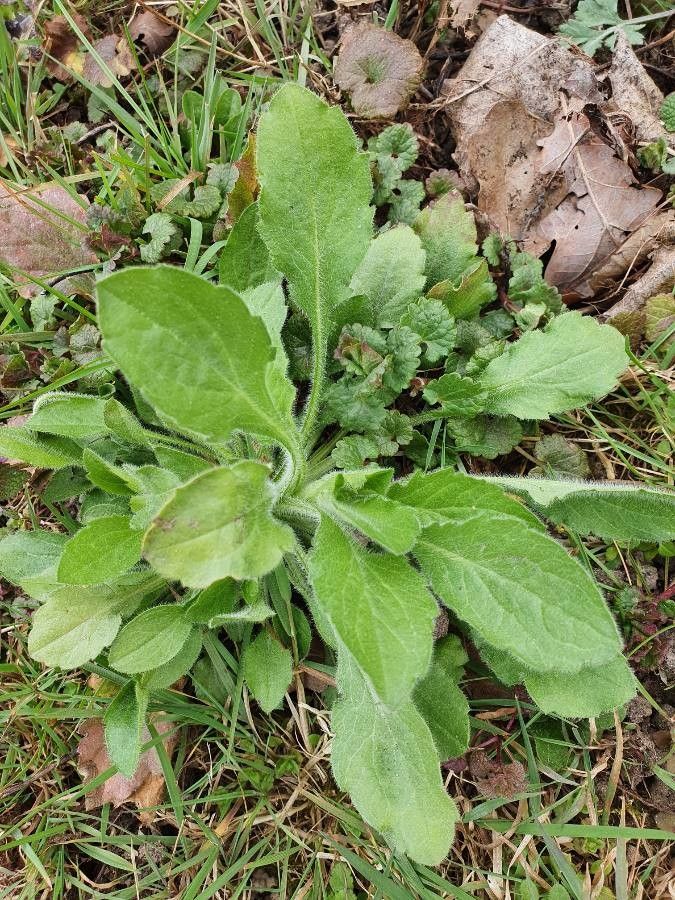
Japanese fleabane has strong resistance to disease and is typically not vulnerable to illnesses. Still, it can be affected by pests and diseases present in its environment. Such infections are generally mild. Regarding care, this plant needs moderate maintenance. It should be pruned regularly to keep a neat appearance and support healthy growth. Fertilizing can also encourage flowering. Japanese fleabane is appropriate for anyone with outdoor areas like a garden or patio and does not demand extensive experience in plant care. It may need more attention if cultivated indoors.
How to keep Conyza Stricta.
Light
Japanese fleabane is native to habitats where sunlight is patchy, like understories of forests or rocky zones that offer natural shading. It flourishes in semi-sunlit spaces but is also capable of withstanding full sun exposure.
Temperature
Japanese fleabane is native to moderate climates and thrives in a warm environment where temperatures fluctuate between 68 to 95 °F (20 to 35 ℃). To guarantee its best growth, this temperature spectrum should be preserved as the seasons shift.
Fertilizer
When the majority of the flowers on the Japanese fleabane are fully bloomed, it is an indication to commence fertilization. Begin the fertilization process every three to four weeks during the period when the plants are at their maximum blooming phase, depending on the weather. However, once the Japanese fleabane starts producing less new flowers, halt the fertilization process since it becomes unnecessary when the plant is no longer capable of blooming.
Botanical profile.
- Plant Type
- Herb
- Life Cycle
- Annual
- Genus
- Conyza
- Family
- Asteraceae
- Hardiness Zone
- 7-9
- Mature Height
- 2.44 m to 4.57 m
- Mature Spread
- 1 cm to 9 cm
- Leaf Color
- Green, Dark Green
- Leaf Type
- Evergreen
- Flower Color
- White
- Flower Size
- 11.43 cm
- Bloom Time
- Late summer, Early fall, Mid fall
- Planting Time
- Spring, Summer, Autumn
- Harvest Time
- Mid fall, Late fall, Early winter
- Native Area
- Nepal, Afghanistan, India, Indonesia, Vietnam, Myanmar, Japan, Philippines, Bhutan, Pakistan, Thailand, China