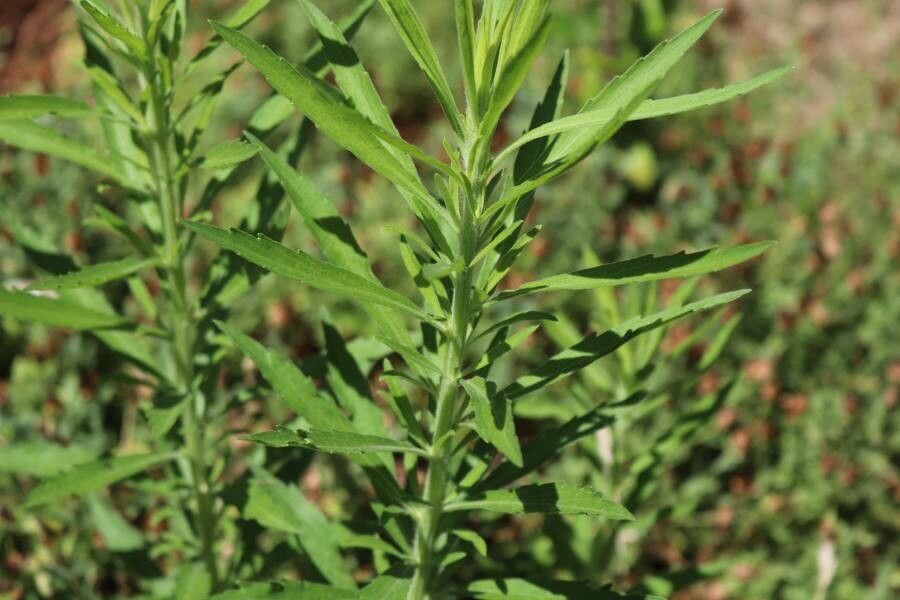
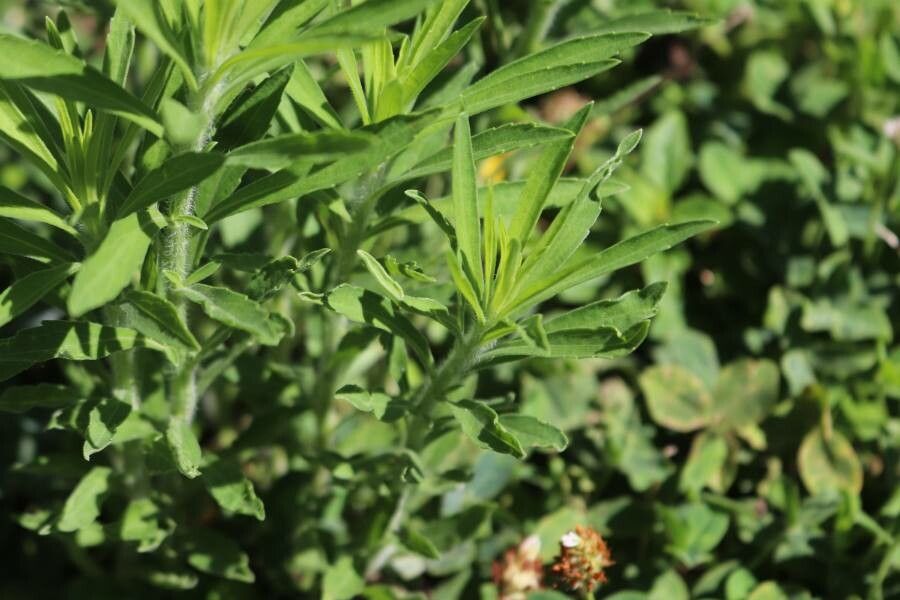
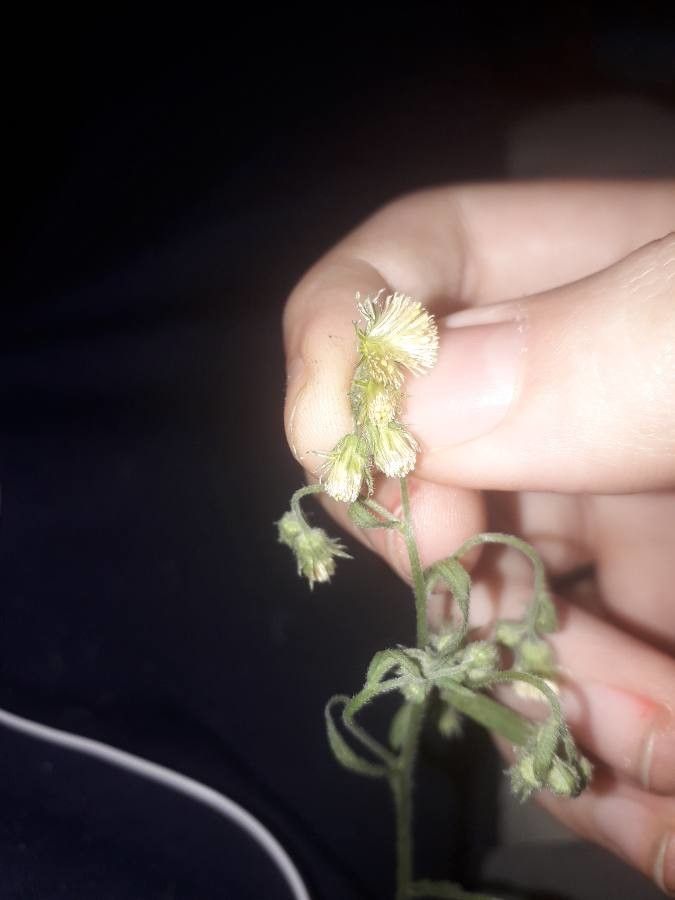
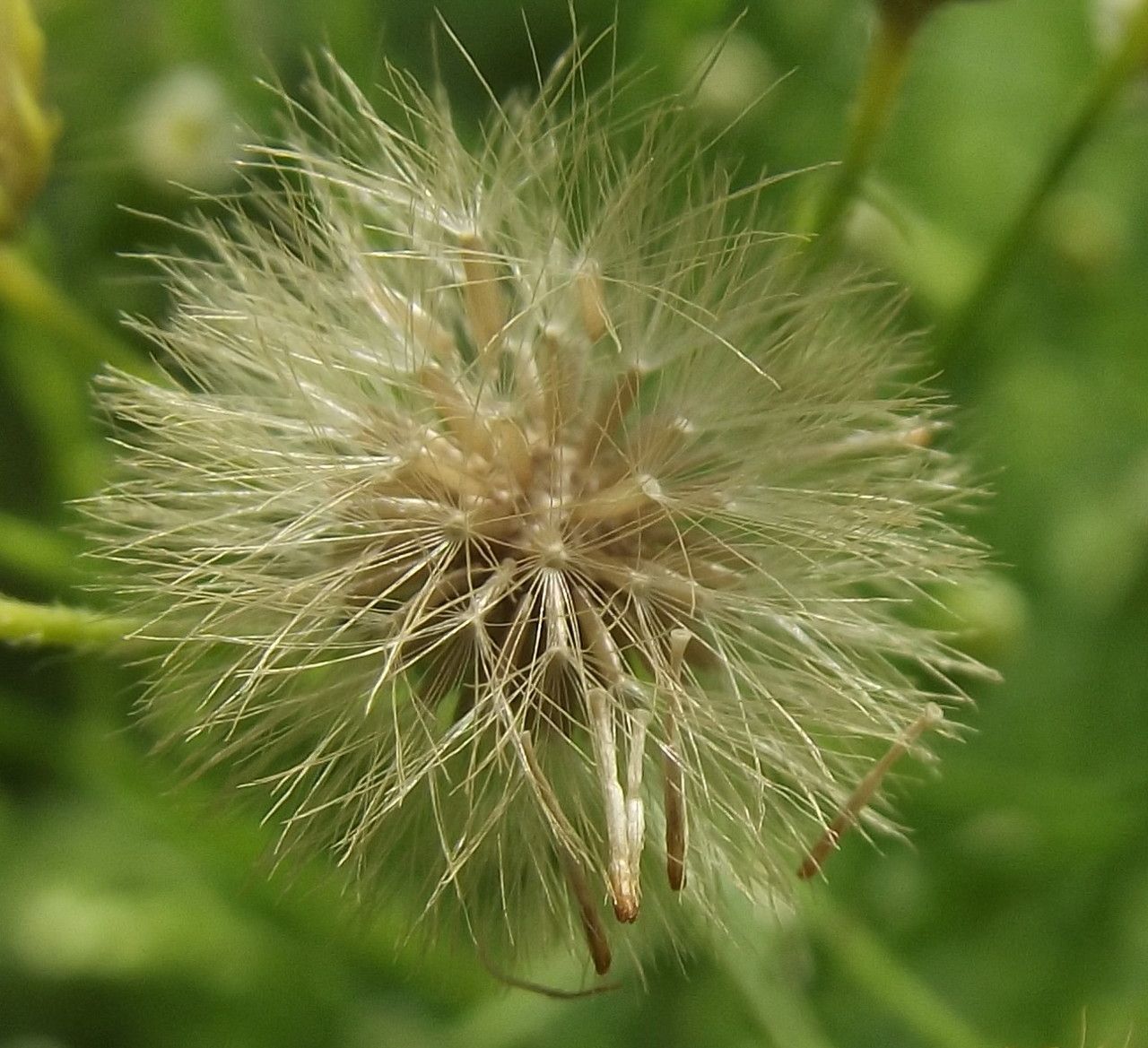
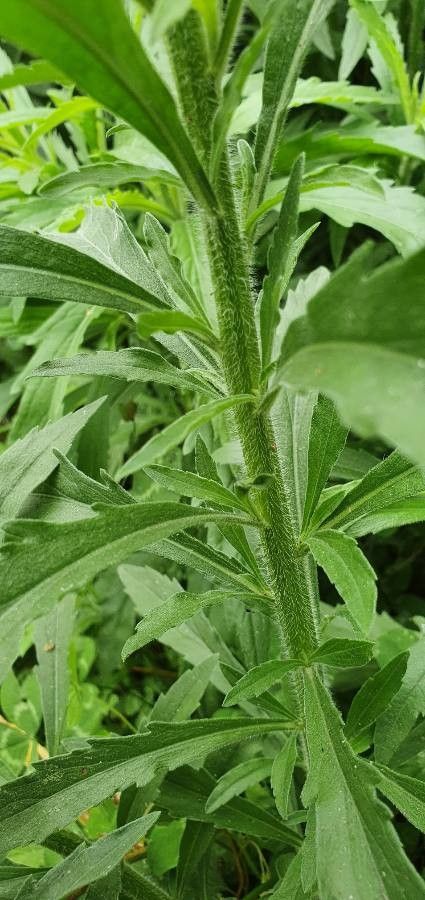
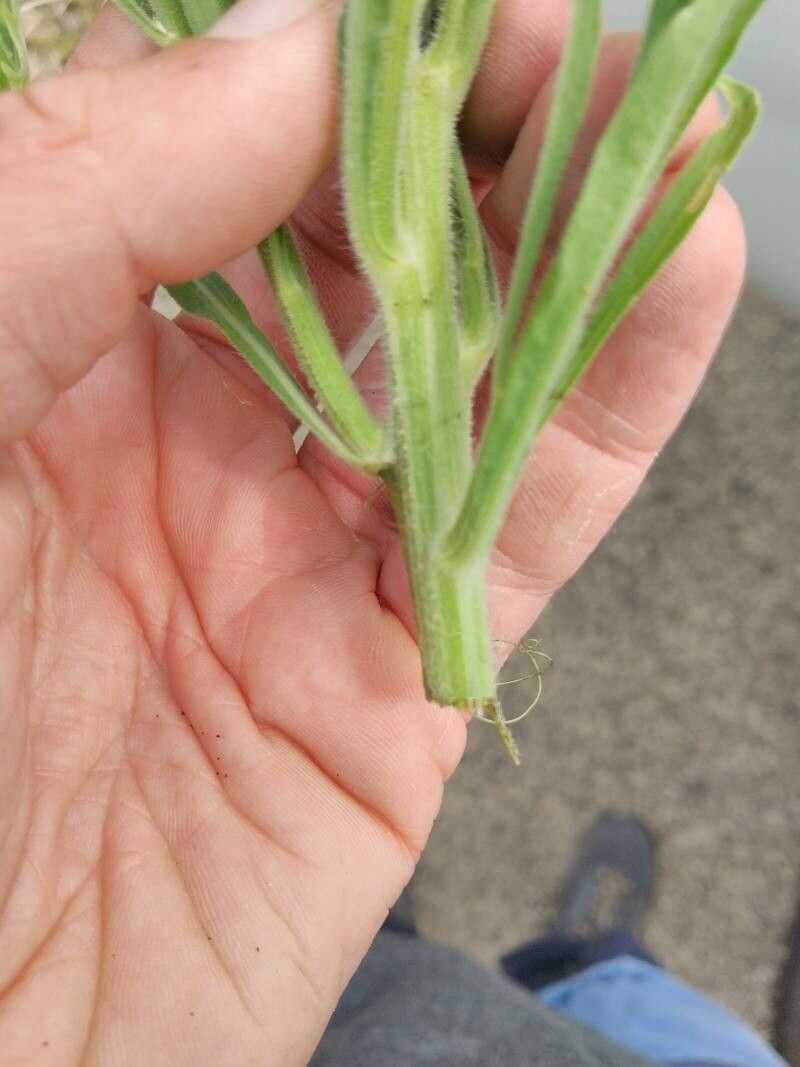
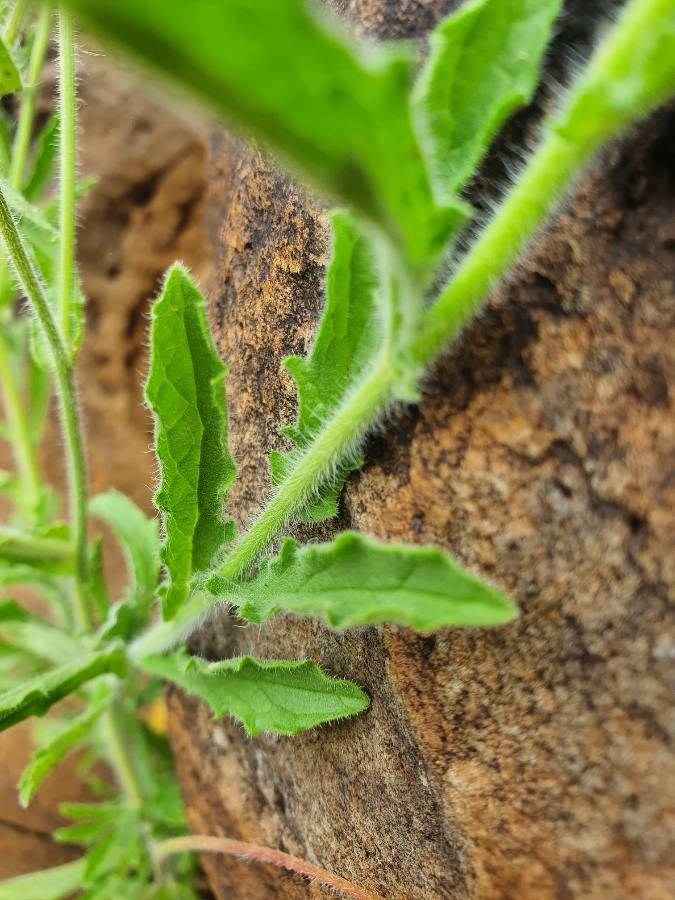
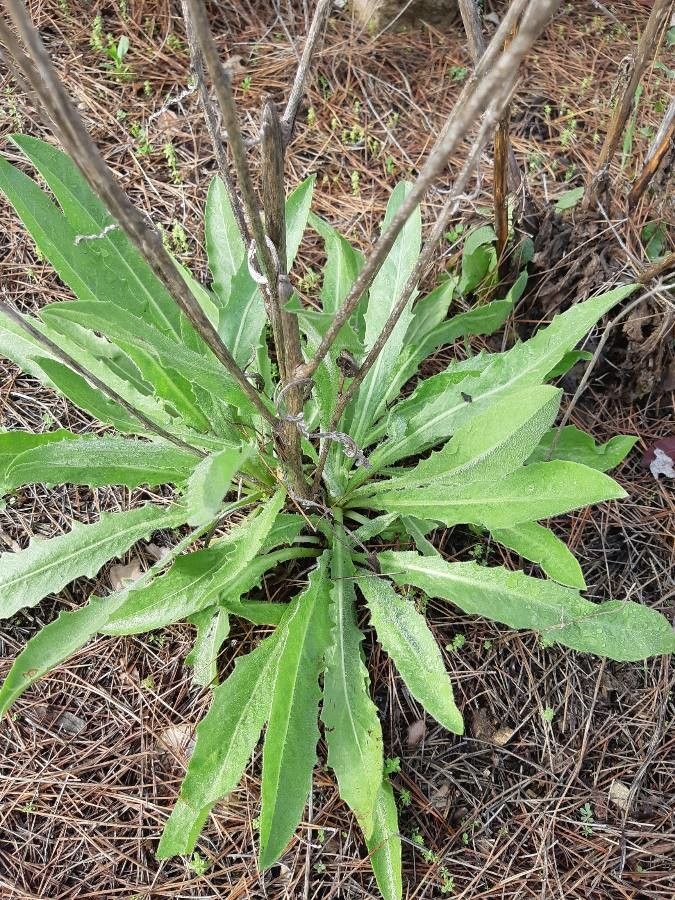
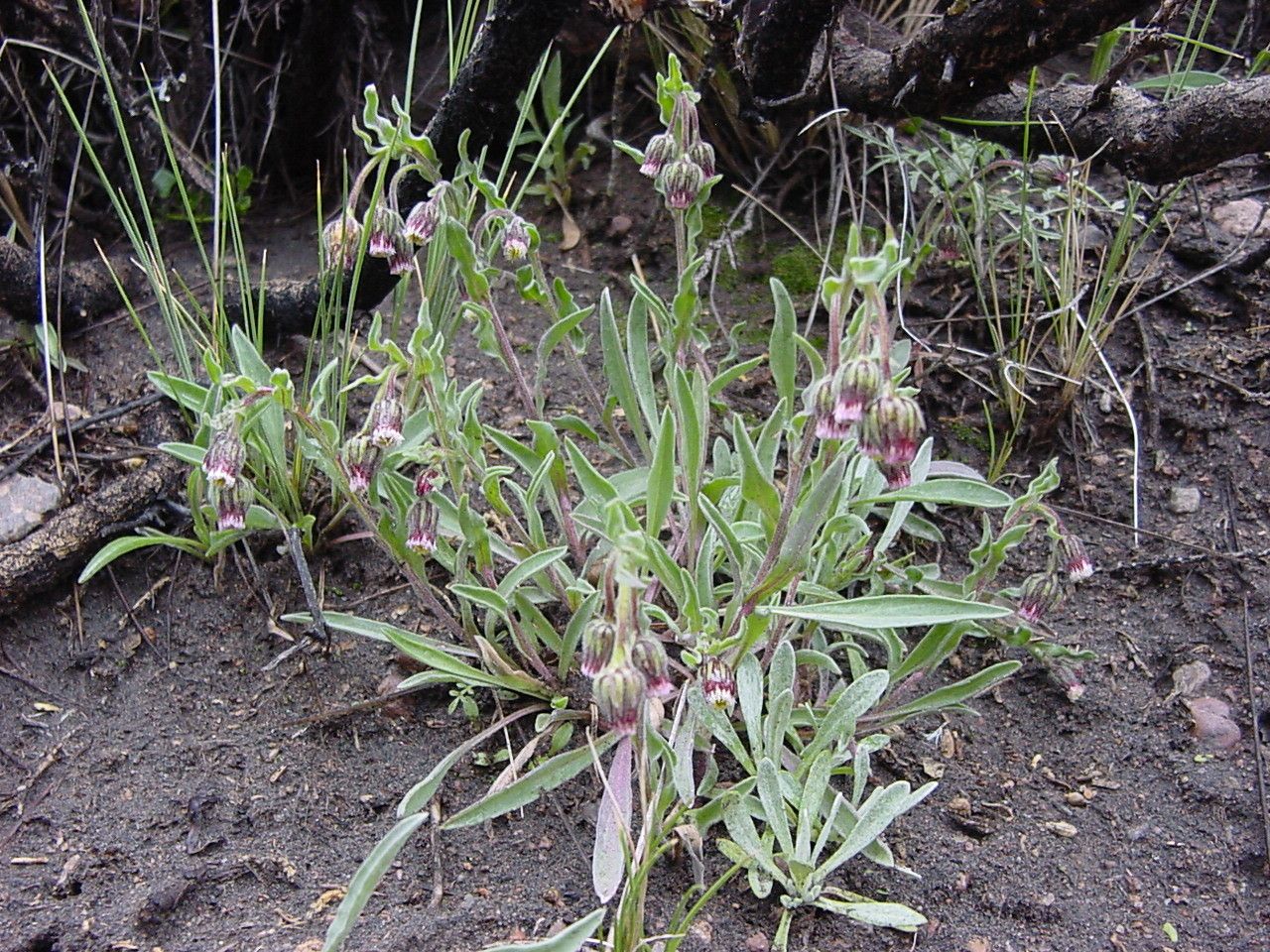
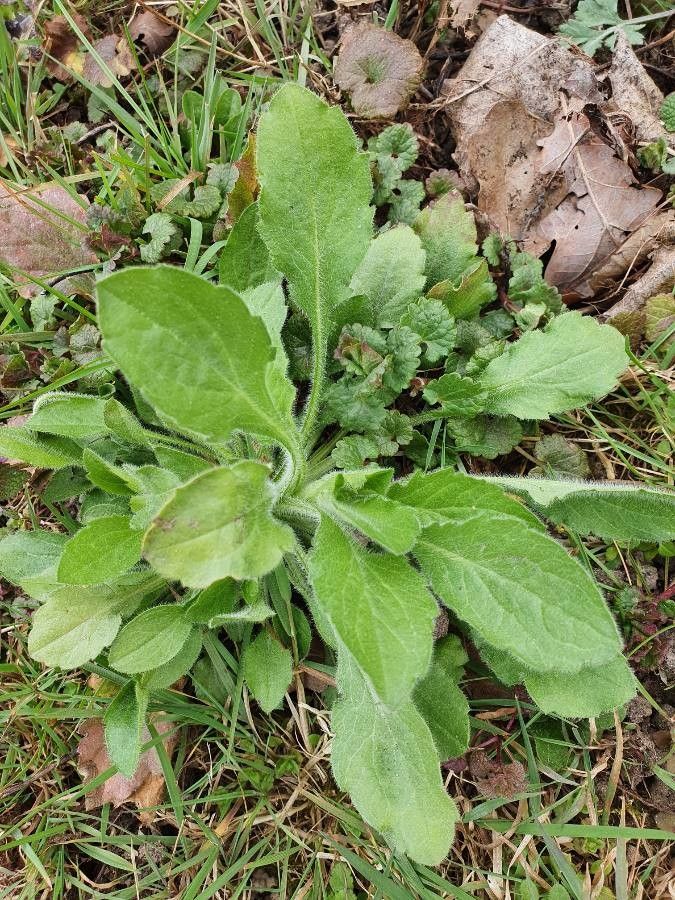
Conyza sumatrensis, commonly known as the Sumatran fleabane, is a herbaceous annual plant belonging to the Asteraceae family. Native to Southeast Asia, it thrives in various habitats such as grasslands, roadsides, and agricultural fields.
The plant can grow up to 1 meter in height and features a slender stem with numerous branches. Its alternate, lanceolate leaves have serrated edges. The small flowers, which are either white or pinkish, are arranged in clusters at the ends of the branches.
Traditionally, Conyza sumatrensis has been used for medicinal purposes, particularly in treating respiratory issues like coughs, asthma, and bronchitis, as well as digestive problems such as diarrhea.
However, this plant is considered an invasive species due to its prolific seed production, which allows it to spread rapidly. This aggressive growth can lead to competition with native plants for resources.
In summary, Conyza sumatrensis is a fascinating plant with medicinal properties. Nonetheless, it can pose a threat when introduced into non-native habitats, potentially outcompeting other plants and leading to ecological imbalances.
Guernsey fleabane has strong resistance to disease and generally does not suffer from many illnesses. Still, it can be affected by pests and diseases present in its environment. Such infections tend to be mild. Regarding upkeep, this plant calls for medium maintenance. It should be pruned on a regular basis to preserve a neat appearance and encourage healthy growth. Applying fertilizer can also aid in boosting flowering. Guernsey fleabane is appropriate for anyone with outdoor space, like a garden or patio, and does not demand extensive gardening experience. It may need more attention when cultivated indoors.
How to keep Conyza Sumatrensis.
Light
Guernsey fleabane grows best in locations that get plenty of sun year-round. Because it comes from habitats with abundant sunlight, insufficient light can restrict its growth. Although it is generally tolerant of a lot of sun, too much exposure can still cause damage.
Temperature
Guernsey fleabane originates from habitats characterized by mild to warm temperatures and prefers conditions between 68 and 95 °F (20 to 35 ℃). Keeping temperatures within this range year-round will preserve its vitality.
Fertilizer
Guernsey fleabane does well with frequent, light applications of fertilizer to encourage healthy leaf growth. You should feed Guernsey fleabane about once a month during the summer. Nitrogen is important for foliage, and adding nitrogen-rich fertilizer helps Guernsey fleabane prosper.
Botanical profile.
- Plant Type
- Herb
- Life Cycle
- Annual
- Genus
- Conyza
- Family
- Asteraceae
- Hardiness Zone
- 7-9
- Mature Height
- 0.91 m to 2.13 m
- Mature Spread
- 30 cm to 61 cm
- Leaf Color
- Green
- Leaf Type
- Semi-evergreen
- Flower Color
- White, Yellow
- Flower Size
- 0.51 cm to 0.76 cm
- Bloom Time
- Mid spring, Late spring, Summer, Early fall
- Planting Time
- Spring, Autumn
- Harvest Time
- Late spring, Summer, Fall
- Native Area
- Colombia, Belize, Honduras, Guatemala, Bolivia, Venezuela, El Salvador, Nicaragua, Costa Rica, Panama
Other names.