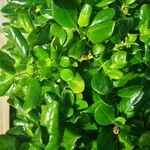
Coprosma repens
New Zealand mirrorbush · Creeping mirrorplant · Tree Bedstraw · Looking-glass-bush · Looking-glass-plant
Description
Source: leafsnapCoprosma repens, commonly known as the mirror plant or looking-glass plant, is an evergreen shrub native to New Zealand. It belongs to the Rubiaceae family and can grow up to 2 meters in height. The plant is named for its glossy, oval-shaped leaves with a waxy texture that reflects light, giving them a mirror-like appearance. The Coprosma repens is a hardy plant that tolerates various soil types and climatic conditions. It prefers well-drained soil with moderate moisture levels and can thrive in both full sun and partial shade. During the summer, this shrub produces small, inconspicuous flowers followed by small berries that attract birds. The berries' colors can range from red, orange, and yellow-green to black, depending on the cultivar. Due to its attractive foliage and low maintenance requirements, Coprosma repens is often used as an ornamental hedge or border. It also has medicinal properties and has been traditionally used by the Maori people to treat wounds and skin infections, among other ailments. Overall, Coprosma repens is an excellent choice for gardeners seeking an easy-to-grow evergreen shrub with year-round interest. Its glossy foliage and color variation between cultivars make it ideal for landscaping purposes, both indoors and outdoors.
💡 On Captain Cook's second Pacific voyage from 1772 to 1775, naturalist and German scholar Johann Reinhold Forster, along with his son Georg, discovered, collected, and documented numerous plants, including Coprosma repens. When they dried the leaves of this plant, they noticed its unusually foul odor. This observation led them to choose a name that means "creeping dung smell." Many of today's hybrids, however, no longer possess the pungent odor found in the original leaves.
🌳 The mirror plant’s glossy, reflective leaves have been put to an uncommon use beyond their botanical charm. Maori people have traditionally fashioned them into attractive pieces of jewelry. This practice not only emphasizes the plant’s aesthetic appeal but also carries cultural importance, linking nature with the craft of adornment upheld by centuries of practice. Additionally, the plant’s hardiness and resilience make it a preferred choice for seaside hedges and shelter belts, showing its practical application in landscaping.
Care Guide
💧 Water Every 7 days
Native to coastal regions, the mirror plant thrives in moderate humidity and can withstand short periods of dryness. To keep it healthy, water the plant every 1-2 weeks, maintaining evenly moist soil. As an evergreen, the mirror plant retains its leaves throughout the year, which makes it an excellent choice for indoor cultivation when moisture levels are properly regulated.
How should I water my Mirror plant?
Your Mirror plant doesn't have specific requirements for watering, so you can use any common watering tool to moisten its soil. This includes watering cans, hoses, or even cups. Regardless of your choice, make sure to water the soil directly and distribute the water evenly to all parts of the root system. It's best to use filtered water to avoid any harmful particles that may be present in tap water. Additionally, using water at or slightly above room temperature is preferred as colder or hotter water can be a bit shocking for the Mirror plant. However, the plant generally responds well to any water you provide.
What do I do if I give my Mirror plant too much water or not enough water?
Outdoor plants, especially newly planted ones or seedlings, are prone to lack of watering. It's important to ensure they are watered regularly for a few months, particularly when they are small or recently planted. Once the roots are established, the Mirror plant can rely on rain most of the time. Overwatering is a common issue when Mirror plants are planted in pots. If you accidentally overwater your plant, take immediate action to minimize the impact. Stop watering right away. Then, remove the plant from its pot and examine the roots. If you notice any signs of root rot, trim the affected roots and consider applying a fungicide. If there is no root rot, you can return the plant to its container. Repot the Mirror plant in soil that drains well. In the case of underwatering, simply water the plant more frequently. If you notice drooping, drying, and falling leaves, increase your watering frequency. The plant's leaves will quickly regain their fullness once they receive sufficient water. Make sure to adjust your watering routine promptly when underwatering occurs.
How often should I give water to my Mirror plant?
If your area does not receive enough rainfall, you may need to provide regular watering for outdoor plants. During the spring and fall, watering every two weeks should be sufficient. However, in the summer when plants require more water, you will need to water them more frequently. In the winter, when growth is slower and water needs are lower, you can water less often or not at all. If you have a young or newly planted Mirror plant, it is important to water it more often to help it establish and grow into a drought-tolerant plant. For potted plants, there are two main ways to determine the watering frequency for your Mirror plant. The first approach is to follow a predetermined schedule, watering once a week or once every other week. However, this may not always work as it doesn't account for the specific growing conditions of your Mirror plant. The alternative method is to monitor the soil moisture and water when the top two to four inches of soil, about ⅓ to ½ depth of the pots, have completely dried out. This ensures that the plant's water needs are met appropriately throughout the seasons.
How much water does my Mirror plant require?
Watering your Mirror plant may not always require a high volume of water. If only a few inches of soil have dried since the last watering, giving the plant about five to ten ounces of water should support healthy growth. You can also gauge your water volume by checking the soil moisture. Remember to note how many inches of soil have dried out between waterings. To ensure your Mirror plant receives sufficient moisture, provide enough water to moisten all the dry soil layers from the previous watering. If over half of the soil is dry, consider giving more water than usual and continue until you see excess water draining from the pot's holes. In areas where the Mirror plant is exposed to plenty of rain outdoors, additional watering may not be necessary. However, when the plant is young or still establishing, make sure it receives 1-2 inches of rain per week. As it grows and establishes further, it can rely solely on rainwater. Only during hot weather or when there is no rainfall for an extended period of 2-3 weeks should you give the plant a thorough watering to prevent stress.
How can I know if I am giving enough water to my Mirror plant?
The Mirror plant is prone to overwatering, which is a more common problem. Look for yellowing leaves and leaf drop as signs of overwatering. Additionally, overwatering can cause the plant's structure to shrink and lead to root rot. On the contrary, an underwatered Mirror plant will start to wilt and have brown or brittle leaves. Whether you notice signs of overwatering or underwatering, you should take action to revive the plant's health.
☀️ Light Full sun
The mirror plant grows best with plenty of sunlight, which is important for its healthy development and leaf color. Too much sun can cause leaf scorch, while too little light may lead to poor growth. Although it originally came from a habitat with abundant sunshine, it can cope in areas with reduced sun exposure.
What are the sunlight requirements for a Mirror plant?
The Mirror plant, also known by its botanical name Coprosma repens, thrives best under conditions of ample sunlight, which is crucial for its healthy growth and vibrant leaf coloration. It requires more than 6 hours of sunlight daily, categorized as 'Full sun,' to maintain optimal growth and leaf color. However, it can also manage with 'Partial sun,' about 3-6 hours of sunlight a day. Due to its origin in sunny habitats, the plant performs best with significant sun exposure, but too much sunlight can lead to leaf burn, whereas insufficient light can result in poor growth. If natural light is not adequate, especially for indoor plants during less sunny seasons, artificial lighting can be employed to mimic natural sunlight conditions, supporting healthier plant growth.
How should artificial lighting be used for indoor Mirror plants?
When natural sunlight is insufficient for indoor Mirror plants, especially during winter or in spaces with less natural light, artificial lighting becomes essential for ensuring optimal growth. LED lights are recommended because they can be tailored to provide specific wavelengths needed by the plants. For plants requiring full sun, 30-50W/sq ft of artificial light is needed. Partial sun plants require 20-30W/sq ft, while those needing full shade should get 10-20W/sq ft. The light source should be placed 12-36 inches above the plant to mimic natural sunlight conditions, and the duration of exposure should ideally match the natural daylight hours for the specific plant species, typically between 8 to 12 hours per day.
What are some common symptoms of inadequate sunlight in Mirror plants?
Mirror plants exhibit several symptoms when exposed to inadequate sunlight, reflecting their struggle to adapt to less than optimal light conditions. Such symptoms include smaller new leaves, indicating a reduction in growth potential; leggy or sparse growth, where the plant stretches towards the light, leading to weak structural integrity; faster leaf dropping as the plant tries to conserve resources; slower or halted new growth, which is a sign of the plant entering a survival mode; lighter-colored new leaves, signaling a lack of essential nutrients and chlorophyll; and various forms of damage from overexposure to sunlight like chlorosis (leaf yellowing), sunscald, leaf curling, wilting, and leaf scorching. These symptoms signify the plant's struggle to maintain health due to inappropriate lighting conditions.
What solutions can aid Mirror plants suffering from poor lighting conditions?
For Mirror plants suffering from inadequate light exposure, both gradual adaptation to sunnier locations and the use of artificial lighting can be effective solutions. Indoor plants can be moved closer to south-facing windows and supplemented with artificial lighting, such as a desk or ceiling lamp for at least 8 hours a day or more specialized plant grow lights to ensure they receive the minimum 6 hours of direct sunlight they need. Outdoor plants should also be gradually relocated to sunnier spots to prevent sunburn, allowing them to adapt over time. Additionally, reducing obstructions like pruning trees that shade the plant too much or transplanting to a brighter location can significantly improve sunlight access. While parts of the plant already affected by light deficiency may not recover, new growth should be healthy once optimal lighting conditions are established.
🌡️ Temperature 20–37.8°C
The mirror plant is adapted to a temperate native climate and prefers temperatures between 68 to 100 °F (20 to 38 ℃). Seasonal temperature adjustments may be necessary to maintain its preferred condition.
What is the ideal climate for a Mirror plant?
The Mirror plant thrives in a temperate climate, with a preference for temperatures ranging from 68 to 100 °F (20 to 38 °C). It loves heat but can be harmed by cold temperatures. To ensure its well-being, it may be necessary to make seasonal adjustments. For instance, during autumn, it's advisable to bring outdoor-grown Mirror plants indoors, placing them near a bright window yet away from direct heat sources to maintain optimal temperatures above 20°C. Extremely cold temperatures approaching 0°C are harmful to the plant.
How does low temperature affect Mirror plant, and what are the solutions?
Mirror plants prefer warm temperatures and do not tolerate cold well, thriving best above 20°C. In winter, keeping them above 0°C is crucial. Exposure to temperatures below -5°C can cause leaf discoloration, changing from lightened colors to brown or black, alongside wilting and drooping as symptoms of frost damage. To address this, frost-damaged parts should be trimmed, and the plant moved to a warmer indoor setting. Positioning the plant near a south-facing window ensures it receives sufficient sunlight, but it should not be placed near heaters or air conditioning vents to avoid air dryness.
What should be done when a Mirror plant is exposed to high temperatures?
During the summer, it is important to ensure the temperature around a Mirror plant stays below 38°C. Temperatures above 43°C can cause the plant's leaves to lighten and increase its susceptibility to sunburn. If sunburn occurs, trim away the damaged parts and relocate the plant to a shaded area, especially away from the harsh midday and afternoon sun. To aid in recovering from high temperature stress, water the plant in the morning and evening to keep the soil moist.
💨 Humidity
🪴 Soil 6-7
🌱 Fertilizer
Fertilizing is essential for the Mirror plant's care. Regularly supplying nutrients during the growing season preserves the energy required for its showy leaves and promotes overall growth. Skipping fertilization can lead to unhealthy leaves, a loss of ornamental appeal, and stunted or weak growth that is more likely to break.
Why should I put fertilizer on my Mirror plant?
Mirror plants need regular fertilization because their showy leaves require a lot of energy to produce and maintain. However, the challenge arises when the Mirror plant must allocate energy not only to keep its leaves healthy, but also to support the growth of its stems, branches, roots, and other essential structures. If you neglect fertilization, there are two likely outcomes. Firstly, the leaves will lose their natural color and texture, appearing unhealthy overall and detracting from the plant's ornamental appeal. Secondly, the Mirror plant will experience slowed growth or weak growth that could easily break.
When should I put fertilizer on my Mirror plant for the best results?
To ensure the growth and health of your Mirror plant, it is not necessary to establish a strict feeding routine. Instead, you can provide occasional feedings by applying fertilizer when you water the plant. Additionally, during the growing season, the Mirror plant requires a sufficient amount of water. It is recommended to feed the plant once every two to three weeks, consistently throughout the period when it is producing new growth.
When is it not a good idea to fertilize my Mirror plant?
You can typically follow a regular fertilization schedule for your Mirror plant throughout most of the year, specifically during the active growing season of spring, summer, and early fall. However, it's important to note that during the winter, you should avoid giving your plant any fertilizer. This is because the Mirror plant goes into a dormant growth phase during this period, where it produces little to no new growth. As a result, the plant requires less energy overall, which is why fertilization is unnecessary during the winter.
What kind of food does my Mirror plant need?
The fertilizer for a Mirror plant requires a specific blend of nutrients, with each nutrient present in relatively low amounts. Ideally, the N-P-K ratio of the fertilizer should be 3-1-2. However, a general-purpose fertilizer with an even blend of nutrients can also be effective in some cases. It is still important to ensure that the ratio numbers representing the volume of each nutrient are at 3 or lower, even when using a balanced fertilizer. You have the choice of using either granular or liquid-based fertilizer. If you opt for a liquid-based fertilizer, it is recommended to dilute its strength by half. While granular fertilizer does not have many drawbacks, using liquid fertilizer is usually more practical, especially when watering your Mirror plant.
How should I feed my Mirror plant?
To easily fertilize a Mirror plant, you have a couple of options. One way is to feed it every time you water it. To do this, gather your fertilizer and a water container like a watering can. Dilute the fertilizer with water in the container, then pour the mixture onto the soil and let it soak down to the roots. Another option is to use a granular fertilizer. Simply sprinkle some of the granular fertilizer onto the soil where your Mirror plant is located. Granular fertilizers are slow-release, so you won't have to fertilize as frequently as with liquid fertilizers. It's also helpful to water your Mirror plant while you're feeding it, regardless of the method you choose.
🪴 Pot & Repot 2-3 years
Repot the mirror plant every 2 to 3 years, preferably in the spring. Use a container that is one size larger than the current one. When repotting, make sure to use well-draining soil and maintain consistent moisture afterwards. Position the mirror plant in bright, indirect light to encourage healthy growth and ensure a smooth transition.
✂️ Pruning
The mirror plant is known for its glossy, variegated leaves and thrives when regularly pruned. Regular pruning helps to maintain its shape and encourages dense growth. Important practices include pinching new growth and removing any damaged branches. It's best to prune in early to late winter, being careful not to cut more than one-third of the plant. This prevents legginess and promotes overall health.
🌿 Propagating
🐛 Diseases & pets
☠️ Toxicity
Characteristics
- Plant Type
- Shrub
- Life Cycle
- Perennial
- Genus
- Coprosma
- Family
- Rubiaceae
- Hardiness Zone
- 9-11
- Mature Height
- 0.91 m to 1.83 m
- Mature Spread
- 0.91 m to 1.83 m
- Leaf Color
- Green
- Leaf Type
- Evergreen
- Flower Color
- White
- Flower Size
- 2.54 cm
- Bloom Time
- Mid spring, Late spring
- Planting Time
- Spring, Autumn
- Harvest Time
- Late summer, Early fall, Mid fall
- Native Area
- New Zealand