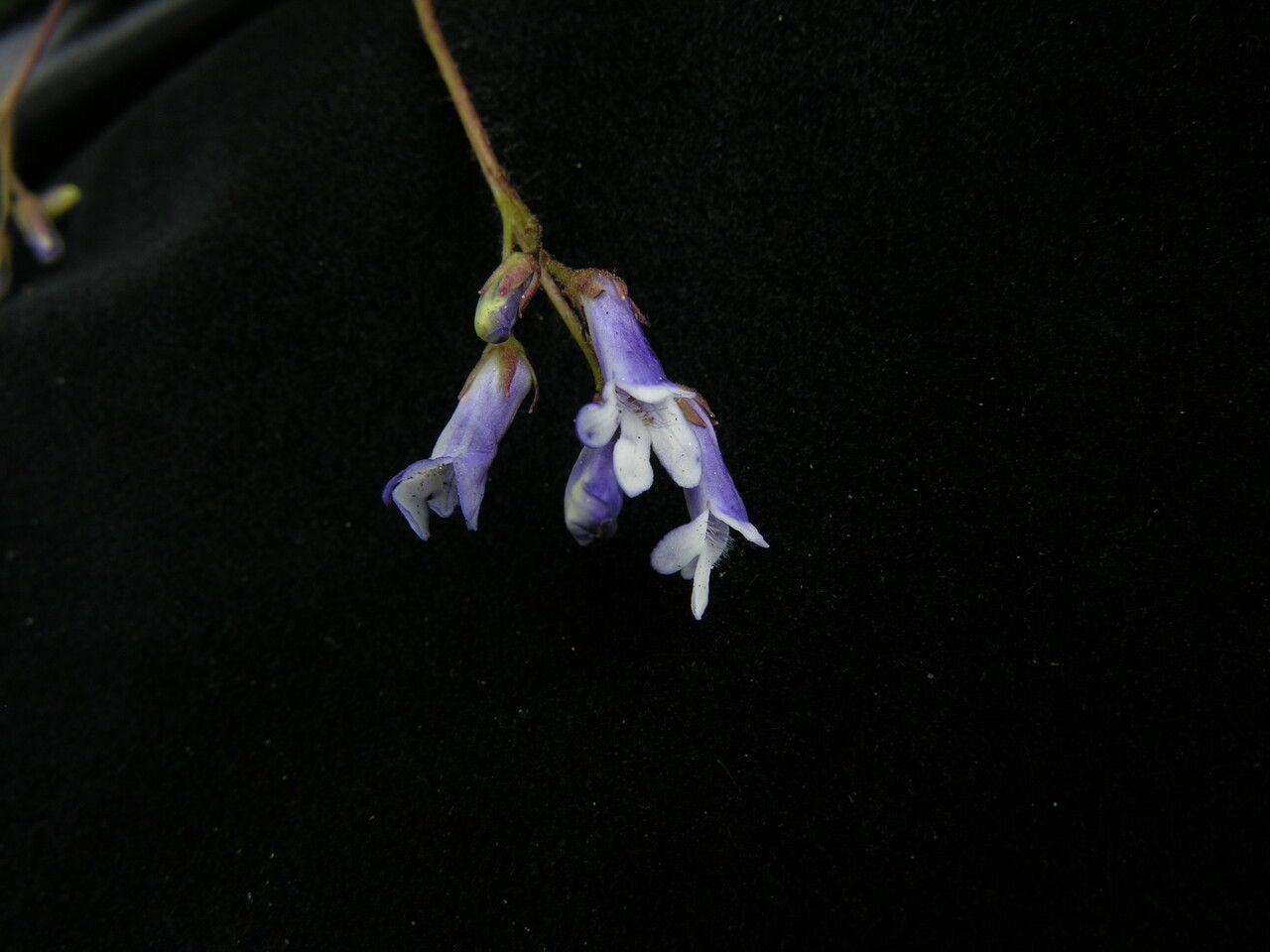
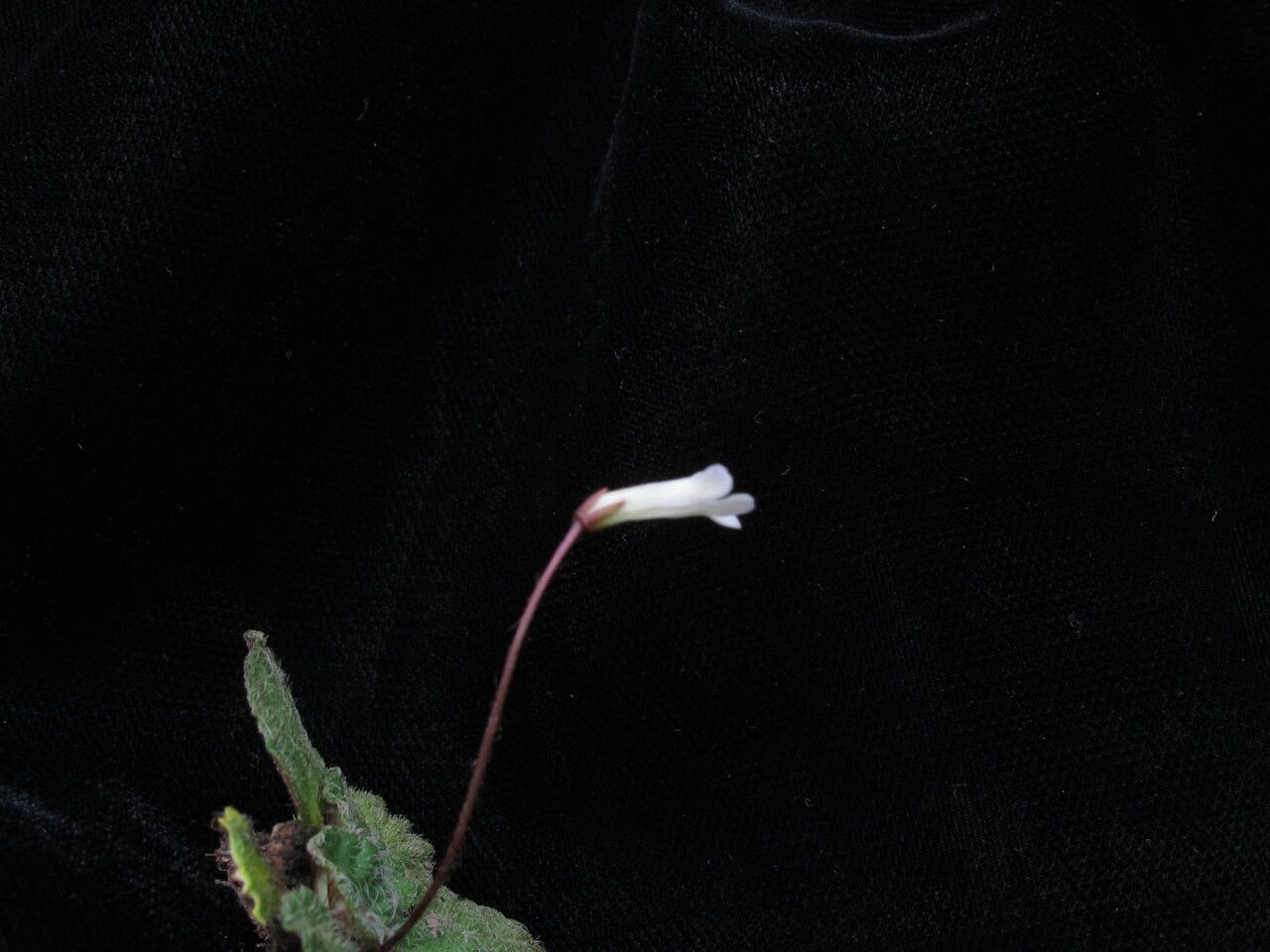
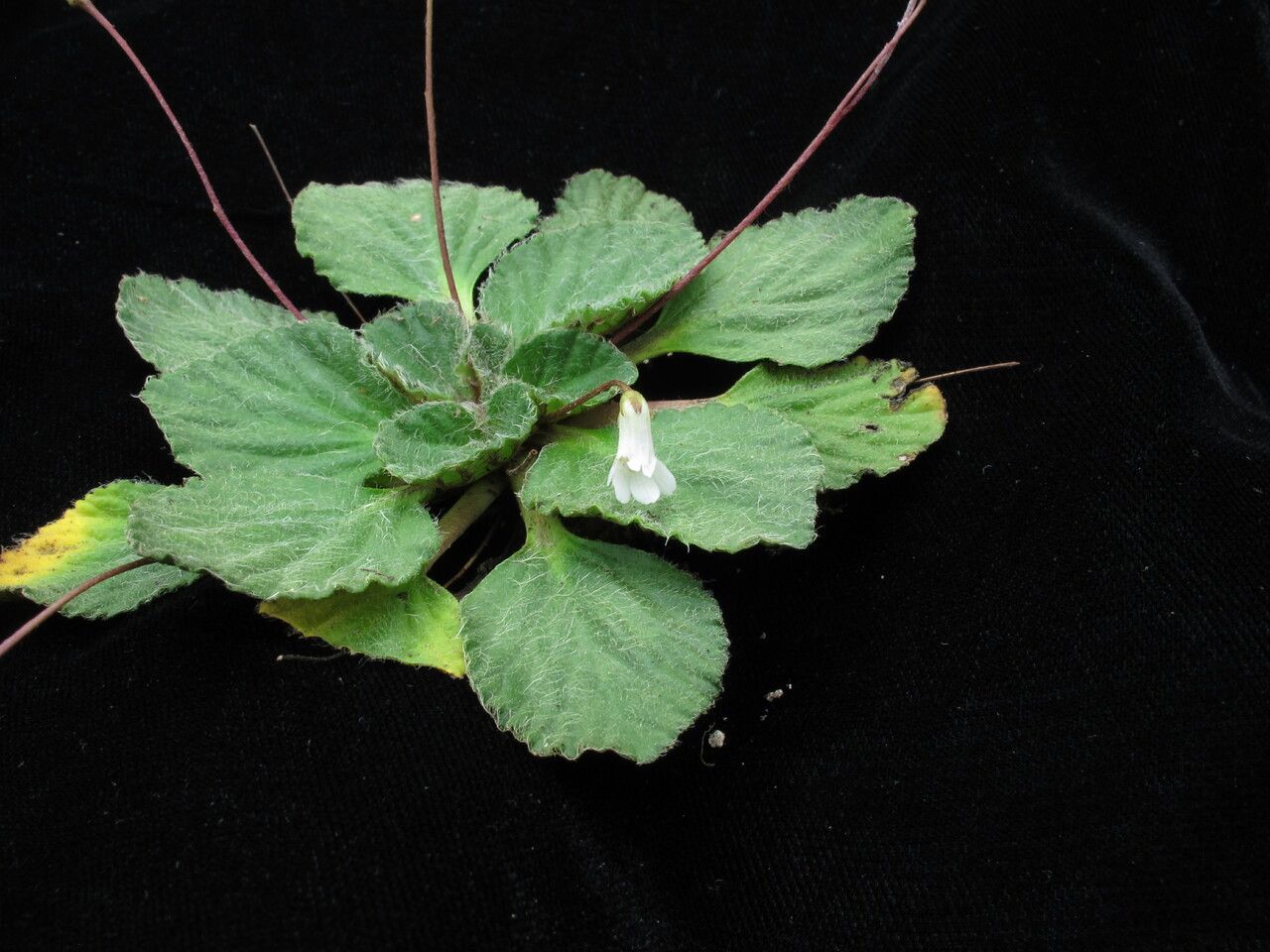
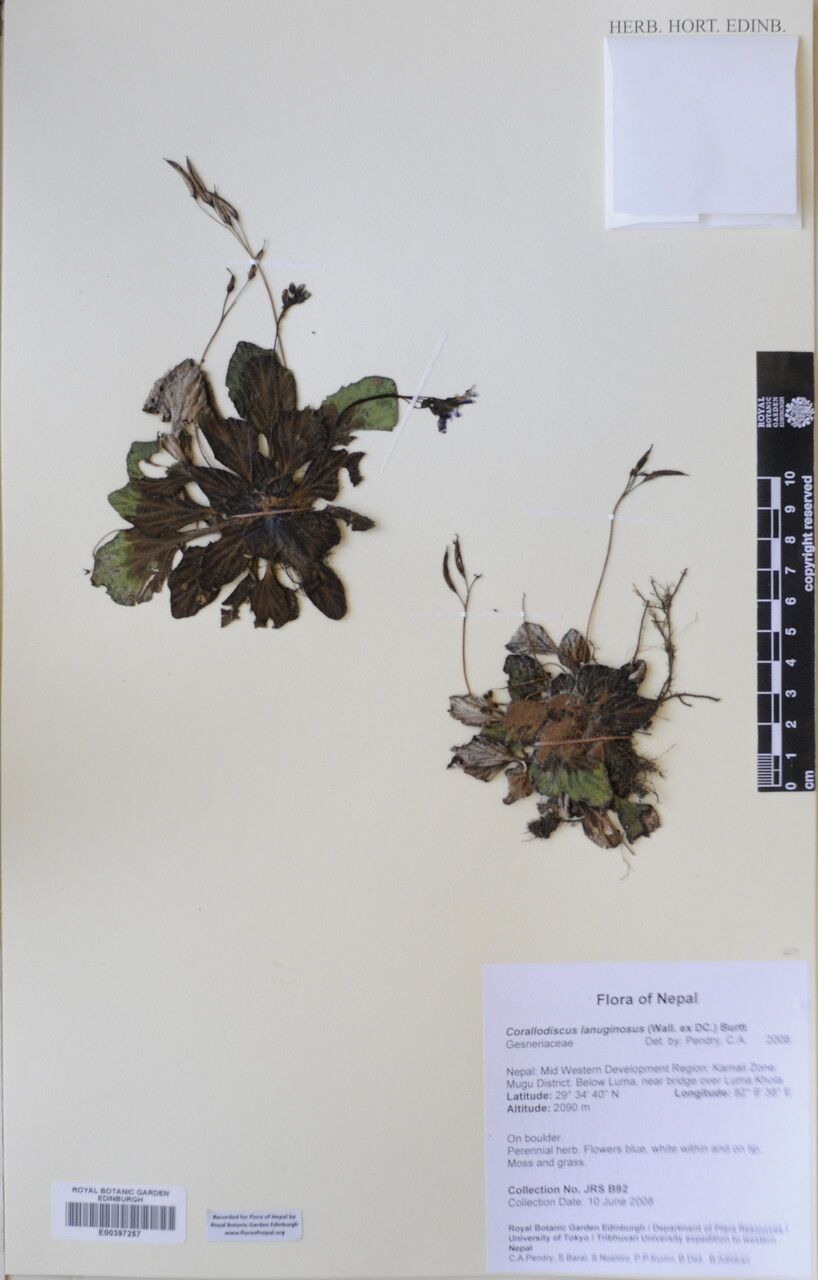
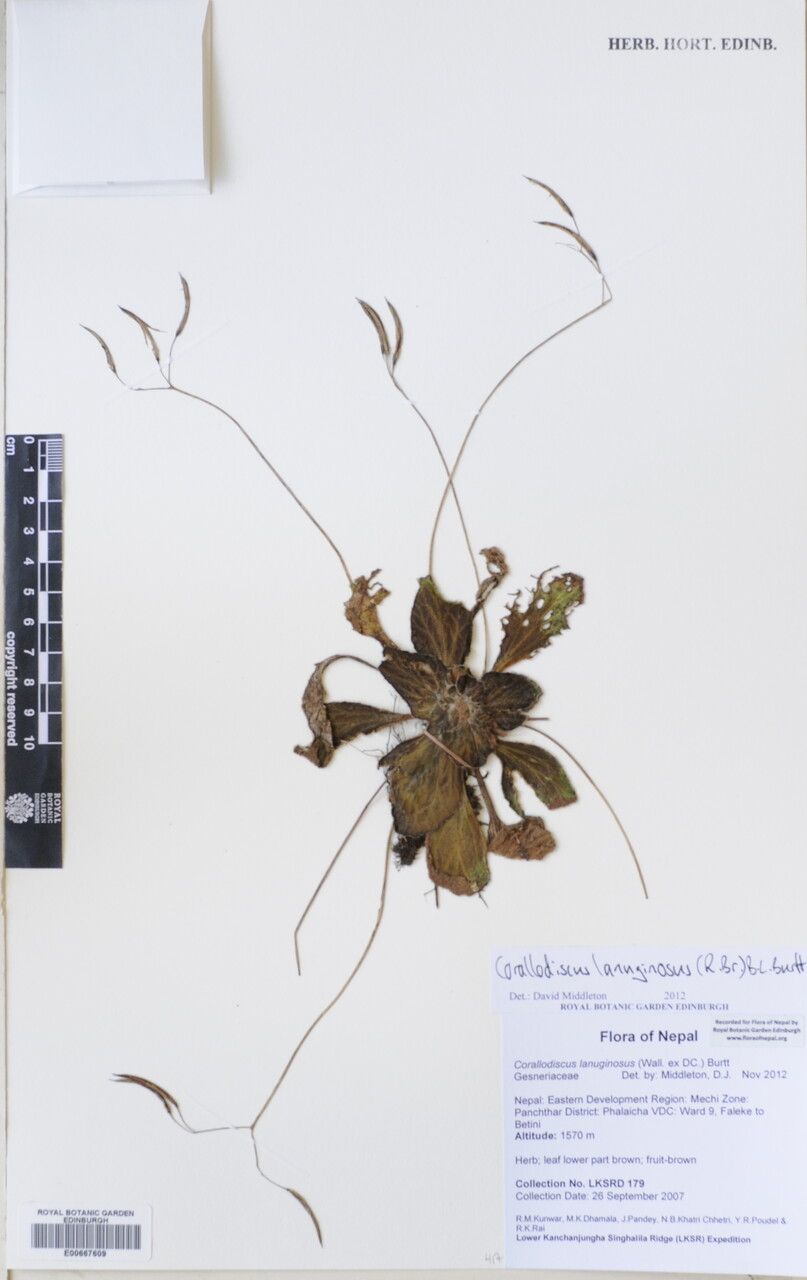
Blue stone flower is fairly disease-resistant and generally not prone to illnesses. However, it can be vulnerable to pests and diseases present in its surroundings. These infections are usually mild. In terms of care, this plant requires a moderate level of maintenance. It should be pruned regularly to preserve a neat appearance and encourage healthy growth. Fertilizing can also help to promote flowering. Blue stone flower is appropriate for anyone with outdoor space, such as a garden or patio, and does not demand much care experience. It may need more attention when grown indoors.
How to keep Corallodiscus Lanuginosus.
Light
The blue stone flower is indigenous to settings like forest undergrowth or stony regions, where it is naturally shaded. It ideally likes partially sunny conditions but can acclimate to fully sunny or completely shaded environments, showing its adaptable and robust characteristics.
Water
The blue stone flower thrives in humid environments, similar to its origins in tropical rainforests. It needs to be watered weekly and is sensitive to dry conditions. Often grown indoors, this plant benefits from well-draining soil that mimics the moist habitat of its native environment.
Fertilizer
The key period to nourish Blue stone flower is at the onset of spring when it is in the stage of developing flowers. The appropriate fertilizer stimulates enhanced blossoming and aids the Blue stone flower in producing attractive blooms. Providing nourishment in the initial part of spring guarantees wonderful flowers throughout the season and supplies energy for the periods of dormant growth.
Pruning
To keep your blue stone flower healthy and looking its best, it is important to prune it from early spring to late winter. Start by removing any dead stems and trimming back any overgrown branches. Make sure to cut just above the leaf nodes; this helps encourage a bushier growth. Pruning not only enhances the plant's overall appearance but also improves airflow and reduces the risk of disease.
Botanical profile.
- Plant Type
- Herb
- Life Cycle
- Perennial
- Genus
- Corallodiscus
- Family
- Gesneriaceae
- Hardiness Zone
- 8-11
- Mature Height
- 10 cm to 20 cm
- Mature Spread
- 15 cm to 30 cm
- Leaf Color
- Green, Dark Green
- Leaf Type
- Evergreen
- Flower Color
- Purple, Lavender
- Flower Size
- 2.03 cm to 3.05 cm
- Bloom Time
- Early summer, Mid summer
- Planting Time
- Spring, Summer, Autumn
- Harvest Time
- Late summer, Early fall
- Native Area
- Nepal, India, Myanmar, Bhutan, Thailand, China
Reader questions.
How should I water my Blue stone flower?
To properly water the Blue stone flower, it is best to use filtered water at room temperature. Tap water may contain harmful particles, so filtering is recommended. Since the plant is adapted to a warm environment, it is important to avoid using cold water, which can shock its system. Additionally, overhead watering should be avoided to prevent foliage issues. Instead, apply filtered room temperature water directly to the soil until it is thoroughly soaked. This will benefit the plant by providing moisture to the roots and promoting nutrient absorption as they spread through the soil.
What are the sunlight requirements for Blue stone flower?
Blue stone flower thrives under varying light conditions. It's native to environments that experience natural shade, such as forest understories or rocky areas, making it well-suited for partial sun exposure, which is about 3-6 hours of sunlight daily. However, the plant can also tolerate full shade, indicating its versatility in different lighting conditions. For those looking to optimize plant growth indoors or in less sunny spaces, the use of artificial lighting can be beneficial, especially during winter or in areas with insufficient natural sunlight. LED lights are recommended for their ability to provide specific wavelengths needed by plants. Depending on the plant's light needs, the wattage per square foot varies: 30-50W for full sun plants, 20-30W for partial sun plants, and 10-20W for full shade plants.
What should I do if I give too much or too little water to my Blue stone flower?
Overwatering is a more common issue than underwatering for the Blue stone flower. When it receives excess water, the stems and leaves may wilt and turn yellow. Over time, diseases such as root rot, mold, and mildew can develop and harm the plant. While underwatering is less likely, it can cause the leaves to become brittle and brown. It is important to detect signs of overwatering early to prevent irreversible damage. If you notice these signs, reduce your watering schedule and check the soil for proper drainage. Alternatively, if you see signs of underwatering, simply increase the frequency of watering until the plant recovers.
What are the symptoms of light deficiency in Blue stone flower, and how can they be addressed?
Blue stone flower may exhibit several symptoms in response to insufficient light, including smaller new leaves, leggy or sparse growth, faster leaf drop, delayed or stopped growth, lighter-colored new leaves, and symptoms of excessive light exposure like chlorosis, sunscald, leaf curling, wilting, and leaf scorching. To address these issues indoors, gradually increase sunlight exposure or use artificial lighting solutions, ensuring the plant receives 3-6 hours of direct sunlight daily or keeping artificial lights on for at least 8 hours each day. Outdoors, plants should be moved gradually to sunnier spots to avoid sunburn. Removing obstructions and selecting optimal planting locations can also help increase sunlight accessibility. Transplanting smaller plants to sunnier areas during their dormant period can promote health in new growth, despite parts of the plant affected by previous light deficiencies not recovering.
How frequently should I water my Blue stone flower?
If your Blue stone flower is in a pot, you can determine if it needs water by sticking your finger into the soil. If the top two to three inches of soil are dry, it's time to water it. If you're growing your Blue stone flower outdoors in the ground, you can also use the same method to test the soil. Once the top few inches of soil have dried out, it's time to water. Usually, during spring and early fall, watering once a week is sufficient. However, in extremely hot weather, you may need to water twice or more per week. It's important to note that mature, well-established Blue stone flowers have a good ability to survive drought.
How can artificial lighting benefit Blue stone flower and what are the guidelines for its use?
Artificial lighting is essential for Blue stone flower's growth, especially in conditions where natural sunlight is insufficient, like during winter or in less sunny indoor spaces. The use of LED lights is favored for their efficiency and ability to be tailored to the specific light wavelengths suitable for plants. Proper artificial lighting requires adhering to specific guidelines: choose the right type based on plant needs, with 30-50W/sq ft for full sun, 20-30W/sq ft for partial sun, and 10-20W/sq ft for full shade plants. The light source should be placed 12-36 inches above the plant to imitate natural sunlight, and the duration should mimic natural daylight hours, usually between 8-12 hours daily. These measures support healthier and faster growth by providing adequate light for photosynthesis.
How much water does my Blue stone flower require?
To properly water your Blue stone flower, don't hold back on the amount of water you use. Wait until the top couple of inches of soil are dry before giving it a good, thorough watering. Make sure to water enough that the soil becomes completely soaked, and allow any excess water to drain out of the pot through the drainage holes. If you don't see any excess water draining out, it's likely that you haven't given enough water. Be careful not to let water accumulate in the soil, as this can harm the plant. On the other hand, if water doesn't drain out of the pot, it may indicate that the soil doesn't drain well, and this is not good for the plant's health. If the plant is outdoors, around 1 inch of rain per week will be enough to keep it hydrated.
How do I water my Blue stone flower when it's growing at different stages?
The water needs of the Blue stone flower can vary depending on its growth stages. In the first few years or when it has been recently transplanted, you will need to provide more water than usual. During this time, the Blue stone flower focuses on developing new roots that will support future growth, and these roots require more moisture. As the plant matures, it will require less water. Additionally, during the bloom period, the flower development requires more moisture, so you may need to increase the water given to the Blue stone flower at this time.
How do I water my Blue stone flower all year round?
The Blue stone flower has higher water needs during the hottest months, like summer. You may need to water it more than once a week if the soil becomes dry quickly. However, during winter, the plant enters a dormant phase and requires less water. In fact, you may not need to water it at all during winter. But if you choose to water it, do so no more than once a month to avoid the risk of the plant getting a disease.
How is watering my Blue stone flower different inside and outside?
The Blue stone flower is commonly grown indoors by gardeners in non-temperate and non-tropical areas. When growing it in a container, keep in mind that the soil can dry out faster compared to ground soil. Furthermore, if there are drying factors such as air conditioning units, your Blue stone flower may require more frequent watering compared to if it were planted outdoor, where you may not need to water it much at all if rainfall is regular. However, if you are growing the plant indoors, you will need to water it more often since you cannot rely on rainwater soaking the soil.