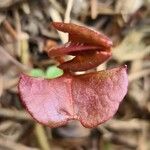
Corallorhiza maculata
Summer Coralroot · Spotted coralroot · Large Coralroot
Description
Source: leafsnapCorallorhiza maculata, commonly known as the spotted coralroot, is a small orchid species native to North America. It typically thrives in moist, shady areas such as forests and wetlands. The plant has a unique appearance, lacking both leaves and chlorophyll, and relies on mycorrhizal fungi for its nutrition. The stem is generally reddish-brown, with small white or pinkish flowers that bloom from May to July. These flowers are pollinated by bees and other insects attracted by their sweet scent. While not widely used for medicinal purposes, some Native American tribes have utilized the roots of Corallorhiza maculata to treat conditions such as headaches and fever. However, the species is slow-growing and sensitive to disturbances from human activities, leading to its increased rarity in certain parts of North America. It is considered threatened or endangered in several states, including New York and Massachusetts.
Care Guide
💧 Water Every 7 days
Spotted coralroot flourishes in shady and moist environments, efficiently absorbing moisture while also tolerating short periods of dryness. To simulate natural rainfall, it should be watered weekly. While it's typically grown outdoors, spotted coralroot depends on a symbiotic relationship with soil fungi to obtain water and nutrients. This allows it to require less frequent watering than other plant species.
How should I water my Spotted coralroot plant?
The watering needs of your Spotted coralroot plant depend on its growth phase. During active growth, water the soil and occasionally spray water over the leaves if it's warm. In winter or cool, wet weather, stick to watering the soil only. Look out for thin, dry leaves or discoloration as signs of needing more water. Overwatering will result in mushy, limp plants. To cultivate your Spotted coralroot, use a pot with excellent drainage and water it multiple times per week during the growing season. Ensure the water drains quickly to avoid standing water. Adjust the amount of water based on pot size, larger pots needing less frequent watering. Use rainwater or distilled water that matches the air temperature as closely as possible.
What do I need to do if I give my Spotted coralroot too much or too little water?
One of the most common ways to kill your Spotted coralroot is by allowing it to sit in overly moist soil for too long. While these plants need frequent watering during active growth, they also require well-draining soil. If the plant is overwatered, it will become mushy, develop root rot, and require pruning with sterile shears. Afterward, you should repot it in a container with good drainage and use a fast-draining potting mix. However, Spotted coralroot doesn't respond well to excessive repotting, so it's important to find the right watering rate. If the plant becomes underwatered and starts to shrivel or feel dry to the touch, it's likely because the soil is drying out too quickly, and you should increase your watering frequency.
How often should I give water to my Spotted coralroot?
To help your Spotted coralroot thrive during the active growth stage in spring and summer, water it once or twice per week. Increase watering to three times per week or more during prolonged hot and dry spells. In winter, you still need to water the plant, but not as frequently. Aim for watering two to three times per month to sustain the Spotted coralroot during the coldest months. However, if you keep the plant indoors during winter, be aware that indoor conditions may cause the soil to dry out faster. In that case, consider increasing the number of monthly waterings. Transition from the summer watering schedule to the reduced winter schedule gradually during the fall season.
What should I think about when watering my Spotted coralroot in different seasons and stages of growth?
When deciding on a watering schedule for your Spotted coralroot, it's important to consider two key growth phases. The first phase is the active growth period, which occurs in spring and summer. During this time, it's recommended to water your plant multiple times per week. The second phase is the winter rest period, which lasts for about two to three months annually. During this period, your plant requires significantly less water and fertilizer. Watering your plant once or twice per month is sufficient during winter. In preparation for winter, gradually reduce the watering frequency as fall approaches, transitioning from multiple times per week to the appropriate rate of once or twice per month.
How should I change the way I water my Spotted coralroot if I keep it indoors?
The Spotted coralroot requires a relatively humid growing environment, which is challenging to achieve indoors. Indoor locations typically lack the desired air moisture, leading to quicker drying of the plant and its soil compared to outdoor growth. To overcome this issue, it is recommended to have a humidifier in the room where you cultivate the Spotted coralroot. Additionally, more frequent watering may be necessary. However, while humidity is important, it is also crucial to maintain adequate air circulation to prevent excessive moisture buildup, which can cause diseases. To ensure proper air movement, it is suggested to include a fan in the room as well when growing this plant.
☀️ Light Full shade
Spotted coralroot fares best when sunlight is softened, usually by leaves overhead. This preference helps maintain its health and vigor. Nevertheless, the plant is hardy and can survive without that softened light. Both too little and too much light can stress the plant and may affect its growth and flowering cycle.
What are the sunlight requirements for Spotted Coralroot?
Spotted Coralroot (Corallorhiza maculata) requires partial sun, approximately 3-6 hours of sunlight daily. It’s crucial to monitor how sunlight moves through your garden to find spots that offer a perfect mix of light and shade, ensuring the plants thrive.
What are the essentials for growing Spotted Coralroot successfully?
Spotted Coralroot does well in conditions where sunlight is filtered through foliage but is resilient enough to grow without such conditions. An absence or excess of filtered light can stress the plant, affecting its growth and bloom cycle. For indoor plants, when natural light is insufficient, artificial lighting becomes essential. Adequate lighting promotes healthier growth. LED lights are recommended to mimic natural light conditions, requiring different wattages according to the plant's natural needs and adjusting the light's distance and duration to mimic natural daylight hours as closely as possible.
What symptoms indicate Spotted Coralroot is getting inadequate light?
Symptoms of inadequate light for Spotted Coralroot include smaller new leaves, leggy or sparse growth, faster leaf drop, slower or no new growth, lighter-colored new leaves, and symptoms associated with too much light like chlorosis, sunscald, leaf curling, wilting, and leaf scorching. These indicate the plant might not be receiving the optimal light conditions, affecting its health and appearance.
How can I manage and improve light conditions for Spotted Coralroot?
To manage light conditions for Spotted Coralroot, for indoor settings, gradually shift the plant to sunnier spots or use artificial lighting, like a desk lamp or grow lights, for at least 8 hours a day. For outdoor plants, move them gradually to sunnier spots to avoid shock and sunburn. Removing obstructions that block sunlight and considering transplanting smaller plants to better-lit locations during their dormant period can also help. It's important to note that parts of the plant affected by insufficient light may not recover, but new growth should be healthy with improved light conditions.
🌡️ Temperature 0–32.2°C
Spotted coralroot comes from habitats with temperatures of 32 to 90 °F (0 to 32 ℃). It is well suited to cooler climates and does not need special adjustments as seasons change. Keep the ambient temperature in this range for best growth.
What is the optimal temperature range for Spotted Coralroot?
Spotted Coralroot, also known by its botanical name Corallorhiza maculata, thrives in environments where temperatures range from 32 to 90 °F (0 to 32 °C). This plant is well adapted to cooler climates, requiring no special adjustments as seasons change. To ensure optimal growth, it is important to maintain an ambient temperature within this defined range. Due to its strong cold resistance, Spotted Coralroot usually does not require special frost protection measures during winter. However, protection is recommended if temperatures are expected to drop below -40°C by covering the plant with soil or straw and watering it abundantly before the first freeze to ensure the soil remains moist.
How does Spotted Coralroot react to low temperatures?
Spotted Coralroot is remarkably tolerant of cold temperatures, performing best when the mercury stays above 0°C. It is generally recommended to keep it above -35°C during winter. At temperatures falling below -40°C, there may not be immediate visible damage during the winter; however, this extreme cold can lead to a reduction in or complete absence of sprouting in the following spring. If this occurs, it is advised to remove any parts of the plant that have failed to sprout in spring as part of the plant care routine.
What should be done if Spotted Coralroot is affected by high temperatures?
Spotted Coralroot should ideally be kept under 32°C during the summer months. If temperatures soar above 35°C, the plant might experience stress, leading to leaves that may lighten in color, become prone to curling, susceptible to sunburn, and in severe cases, the entire plant could wilt and dry out. To manage such situations, it's advised to trim away sunburned and dried-up parts. Relocating the plant to a shaded area, especially away from the harsh midday and afternoon sun, or using a shade cloth can offer relief. Additionally, watering the plant in the morning and evening to keep the soil moist can help mitigate the effects of high temperature exposure.
💨 Humidity
🪴 Soil 5-5
🌱 Fertilizer
One fertilizer application in spring is generally adequate for Spotted coralroot, though repeated feedings can maximize growth. Feed every month to six weeks. Fertilizing improves the leaves’ appearance and function, maintaining even color and a healthy texture. It also promotes root development and nutrient uptake, supporting long-term plant health.
🪴 Pot & Repot
✂️ Pruning
The spotted coralroot has distinctive spotted stems and requires careful pruning from early to late spring. Removing dead stems and old flower spikes helps boost the plant's vigor and prevents disease. Gentle handling is crucial because of its delicate rhizomes. Pruning not only improves air circulation and aesthetics but also enhances bloom quality.
🌿 Propagating
🐛 Diseases & pets
☠️ Toxicity
Characteristics
- Plant Type
- Herb
- Life Cycle
- Perennial
- Genus
- Corallorhiza
- Family
- Orchidaceae
- Hardiness Zone
- 2-8
- Mature Height
- 20 cm to 52 cm
- Mature Spread
- 3 cm to 5 cm
- Leaf Color
- Brown
- Leaf Type
- Semi-evergreen
- Flower Color
- White, Yellow, Purple, Red, Brown
- Flower Size
- 2.54 cm
- Bloom Time
- Early summer, Mid summer
- Harvest Time
- Late summer, Early fall
- Native Area
- Mexico, Guatemala