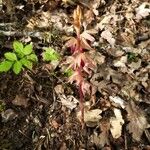
Corallorhiza striata
Hooded Coralroot · Striped coralroot
Description
Source: leafsnapCorallorhiza striata is a species of orchid known by the common names striped coralroot and hooded coralroot. This flowering plant is widespread across much of southern Canada, the northern and western United States, and Mexico. It lives in dry, decaying plant matter on the ground in pine and mixed coniferous forests, and it obtains its nutrients from fungi via mycoheterotrophy.
Care Guide
💧 Water
The hooded coralroot is native to damp woodlands and thrives in consistently moist conditions. It needs to be watered weekly to stay healthy. This plant prefers indirect light and a consistently moist soil, making it perfect for indoor cultivation. During its growth phase, it's important to provide adequate water to support its delicate flowering process.
How should I water my Hooded coralroot?
The watering requirements of the Hooded coralroot depend on its growth phase. During active growth, water the soil and occasionally water overhead to allow the plant to absorb moisture through its leaves in warm weather. In contrast, during winter or cool, wet weather, only water the soil directly. If the roots and leaves of the plant become thin, dry, or discolored, it needs more water. Overwatering will make the Hooded coralroot appear mushy and limp. To grow this plant, use a pot with excellent drainage. During the growing season, water multiple times per week, ensuring quick drainage to avoid standing water. The amount of water depends on the pot size, with larger pots needing less frequent watering. Use rainwater or distilled water that matches the air temperature closely.
What should I do if I give my Hooded coralroot plant too much or too little water?
To avoid killing your Hooded coralroot, it's important to be mindful of the moisture level in the soil. While these plants require frequent watering during active growth, they also need well-draining soil. Overwatering can cause the plant to become mushy and develop root rot. In such cases, carefully remove any rotten roots with sterile pruning shears and repot the plant in a container with proper drainage using a fast-draining potting mix. However, excessive repotting may not be beneficial for the Hooded coralroot, so it's crucial to find the right balance with watering. If the plant starts to shrivel and feels dry to the touch, it may be underwatered. In this case, increase the watering frequency as the soil could be drying out faster than expected.
How much water does my Hooded coralroot need?
To ensure the healthy growth of your Hooded coralroot, follow these watering guidelines throughout the different seasons. During the active growth stage in spring and summer, water your plant once or twice per week. Increase watering to three times per week or more if it is very hot or dry. In winter, watering is still necessary but not as frequent. Water your plant two to three times per month to keep it alive during the coldest months. However, if you keep your Hooded coralroot indoors during winter, be aware that indoor conditions can cause the soil to dry out more quickly. In this case, you may need to water more often than the normal winter schedule. During fall, gradually reduce the watering frequency from the multiple times per week in summer to the reduced winter schedule.
What do I need to think about when watering my Hooded coralroot during different times of the year and stages of growth?
When planning the watering schedule for your Hooded coralroot, it's important to consider two significant growth phases. The first phase is the active growth period, which occurs in spring and summer. During this time, you should water the plant multiple times per week. The second phase is the rest period, which occurs during winter and lasts for about two to three months. During this period, the Hooded coralroot requires less water and fertilization. It is recommended to water the plant only once or twice per month. In autumn, gradually reduce the frequency of watering from multiple times per week to the appropriate rate for winter, which is once or twice per month.
How do I water my Hooded coralroot plant differently when I grow it inside?
The Hooded coralroot prefers a relatively humid growing environment. Unfortunately, most indoor locations lack the necessary air moisture for this plant. As a result, the plant and its soil dry out quickly indoors compared to outdoors. To solve this issue, consider using a humidifier in the room where you grow the Hooded coralroot. Additionally, you may need to water it more frequently. However, remember that while humidity is important, the plant also needs proper air circulation to prevent excessive moisture and related diseases. To ensure adequate air circulation, it's recommended to include a fan in the growing room.
☀️ Light Full shade
Hooded coralroot occurs in habitats such as forest understories or rocky areas that offer natural shade. It prefers Full Shade but can tolerate Partial Sun.
🌡️ Temperature 5–35°C
Hooded coralroot naturally occurs in habitats where temperatures range from 41 to 95 °F (5 to 35 ℃). It prefers a moderate-temperature climate and may need protection if temperatures drop below 41 °F (5 ℃) or climb above 95 °F (35 ℃).
What are the ideal temperature conditions for Hooded Coralroot?
Hooded coralroot thrives in environments where temperatures range from 41 to 95 °F (5 to 35 ℃), thriving best in a moderate climate. While it has strong cold resistance and usually doesn't require special frost protection measures during winter, if temperatures are expected to drop below -25°C, protective measures like covering the plant with soil or straw are recommended. Additionally, watering the plant abundantly before the first freeze in autumn to ensure the soil remains moist through winter and early spring is advised.
How does low temperature affect Hooded Coralroot and what are the solutions?
Hooded coralroot is cold-tolerant, performing best when temperatures stay above 5°C. It should be kept above -20°C during winter. Temperatures falling below -25°C may not show noticeable changes during winter, but can lead to decreased sprouting or absence of sprouting in spring. To address this, it's recommended to remove any parts of the plant that have failed to sprout in spring.
How does high temperature affect Hooded Coralroot and what are the solutions?
During summer, it's important for Hooded coralroot to be kept below 35°C. Temperatures exceeding 38°C can cause the leaves to become lighter in color, curl, become prone to sunburn, and in severe cases, cause the entire plant to wilt and dry out. To mitigate these issues, trim away the sunburned and dried-up parts. Move the plant to a shadier location or use a shade cloth for protection from midday and afternoon sun. Ensuring the soil remains moist by watering the plant in the morning and evening is also beneficial.
💨 Humidity
🪴 Soil 5-6
🌱 Fertilizer
The best time to fertilize a Hooded coralroot is in early spring, as it comes out of dormancy and begins active growth. Fertilizing supplies essential nutrients for healthy development. Although Hooded coralroot requires relatively little fertilizer, an annual application can improve its survival and encourage better, longer-lasting flowers.
🪴 Pot & Repot
✂️ Pruning
The hooded coralroot is known for its distinctive striped flowers and requires minimal pruning. Ideally, pruning should be done from early to late spring. Focus on removing dead stems to encourage healthy growth, but avoid severe cutting. It's important to regularly check for pests, as proper pruning can improve airflow and light, which enhances the plant's overall health and appearance.
🌿 Propagating
🐛 Diseases & pets
☠️ Toxicity
Characteristics
- Plant Type
- Herb
- Life Cycle
- Perennial
- Genus
- Corallorhiza
- Family
- Orchidaceae
- Hardiness Zone
- 5-9
- Mature Height
- 10 cm to 61 cm
- Mature Spread
- 10 cm to 20 cm
- Leaf Color
- Green, Blue
- Leaf Type
- Deciduous
- Flower Color
- Purple
- Flower Size
- 1.27 cm
- Bloom Time
- Mid spring, Late spring
- Planting Time
- Spring, Autumn
- Harvest Time
- Early summer, Mid summer
- Native Area
- Mexico