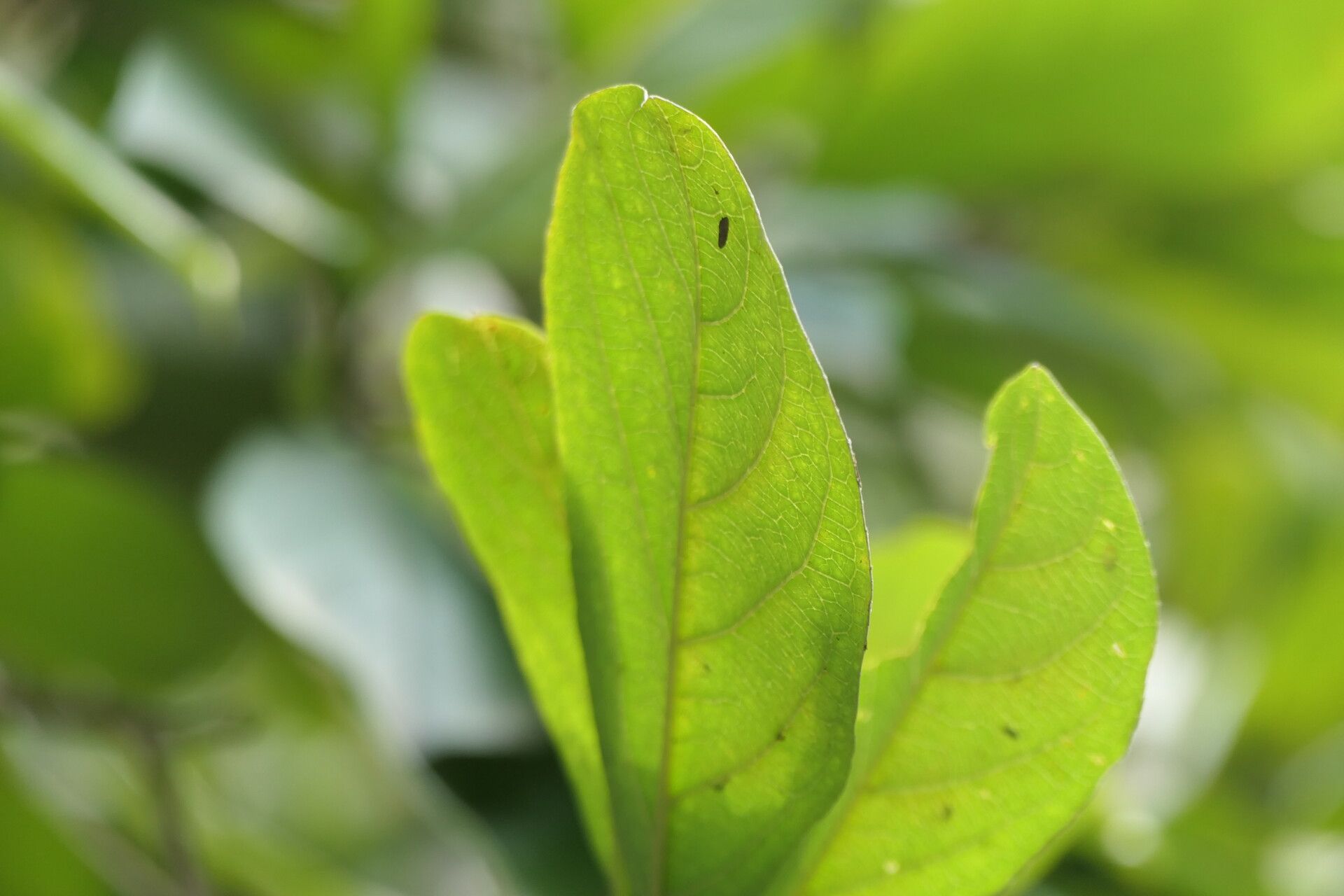
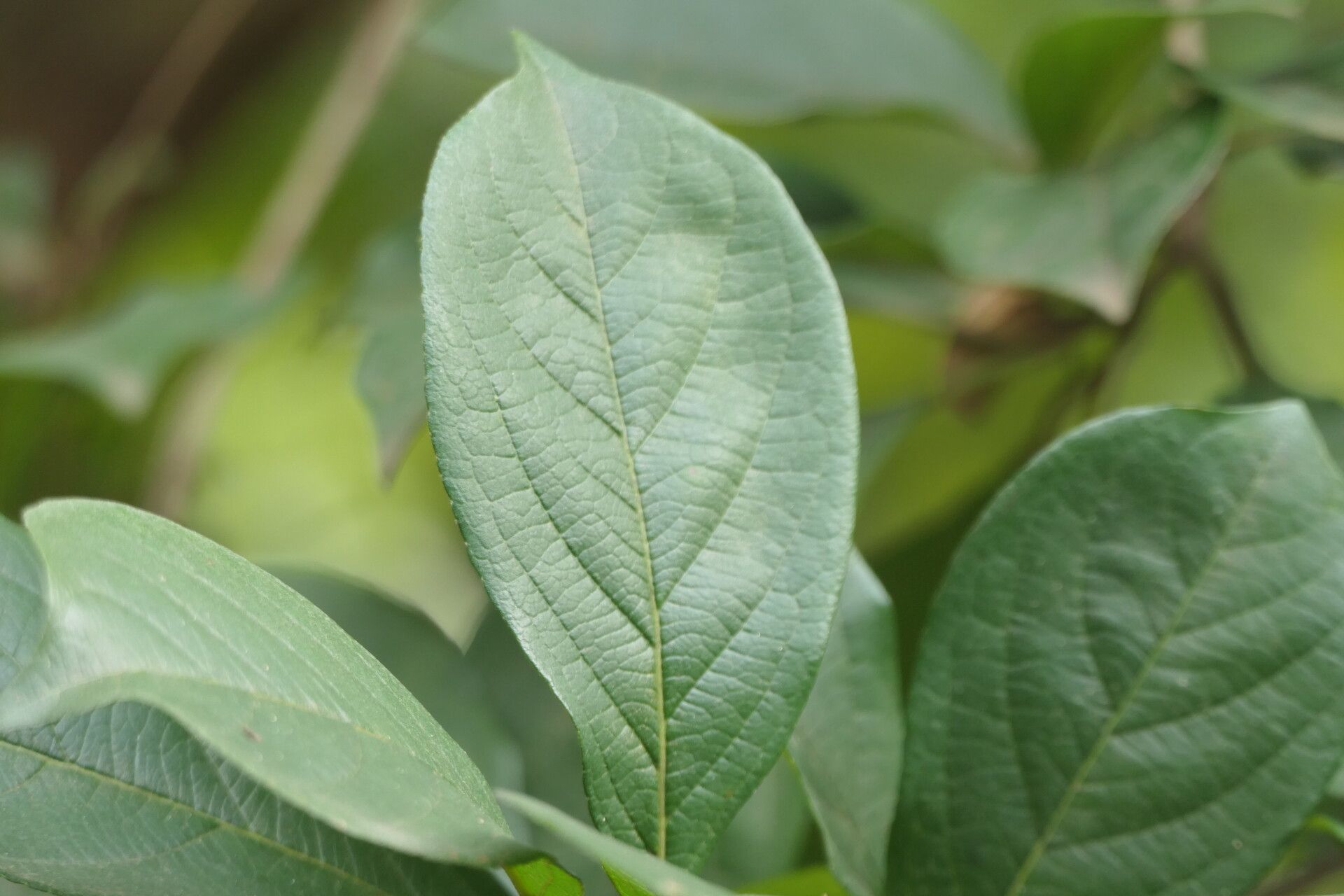
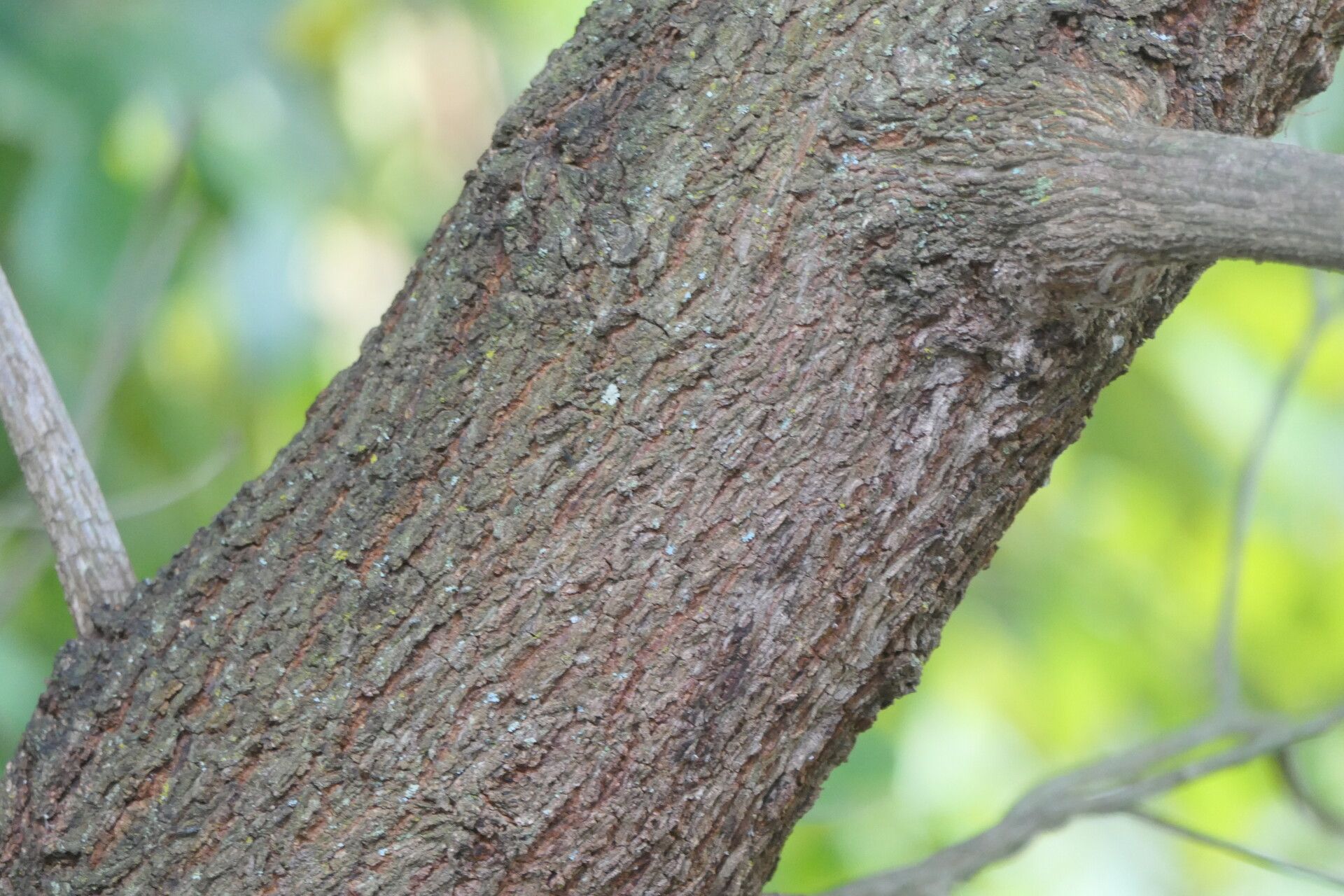
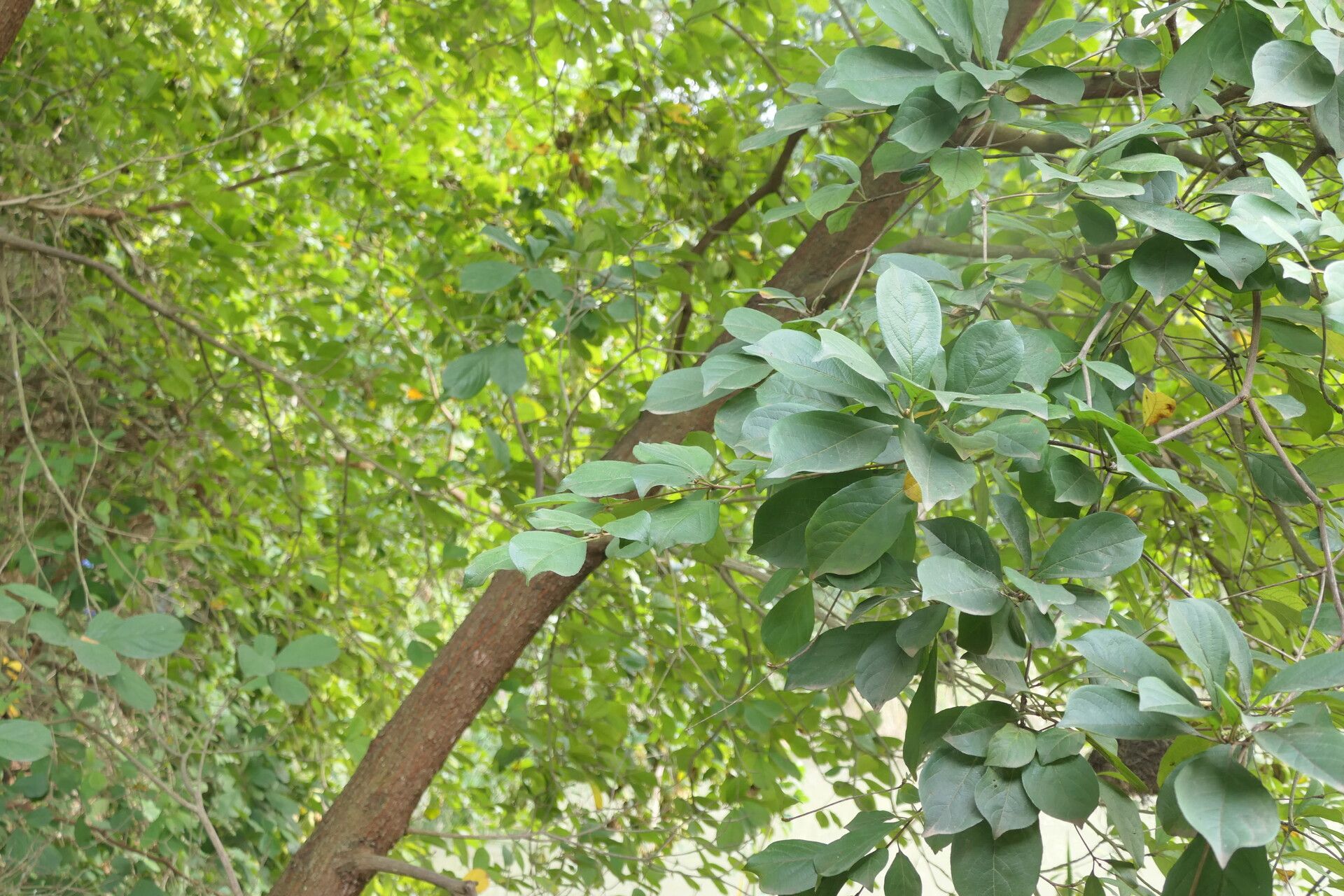
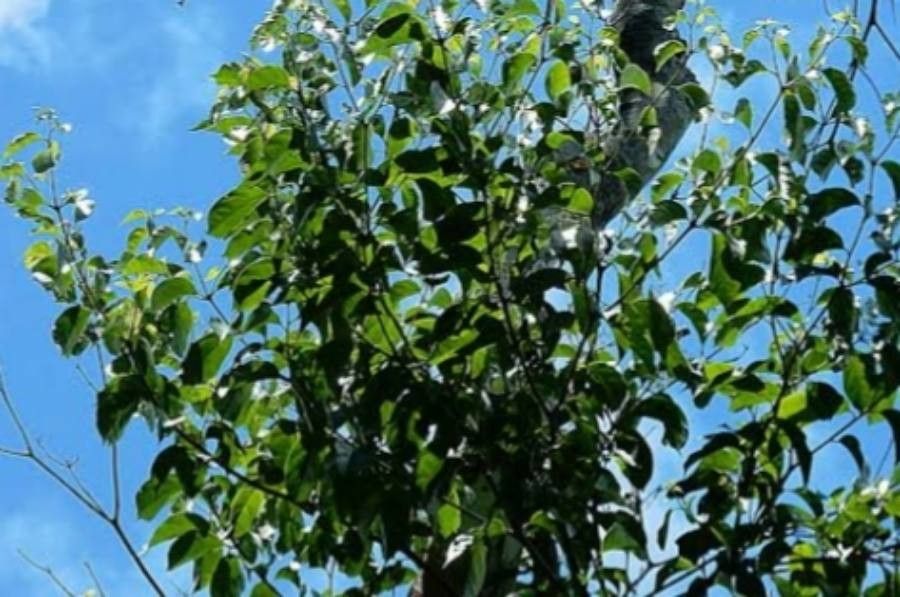
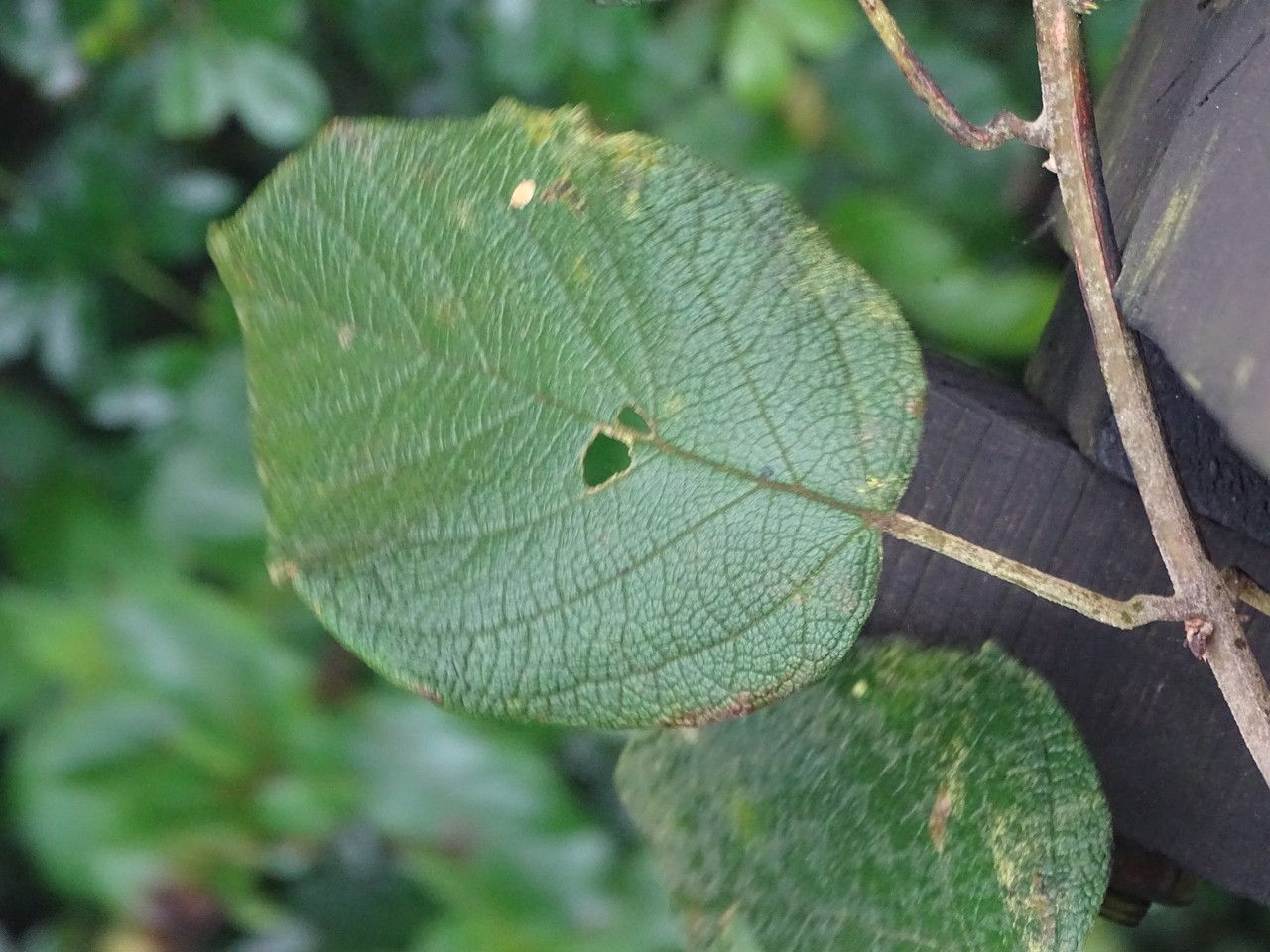
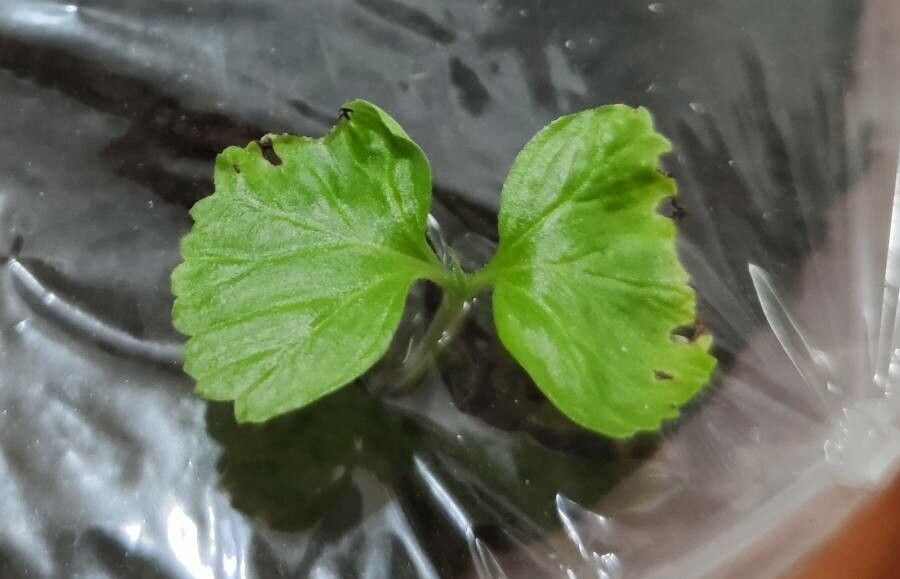
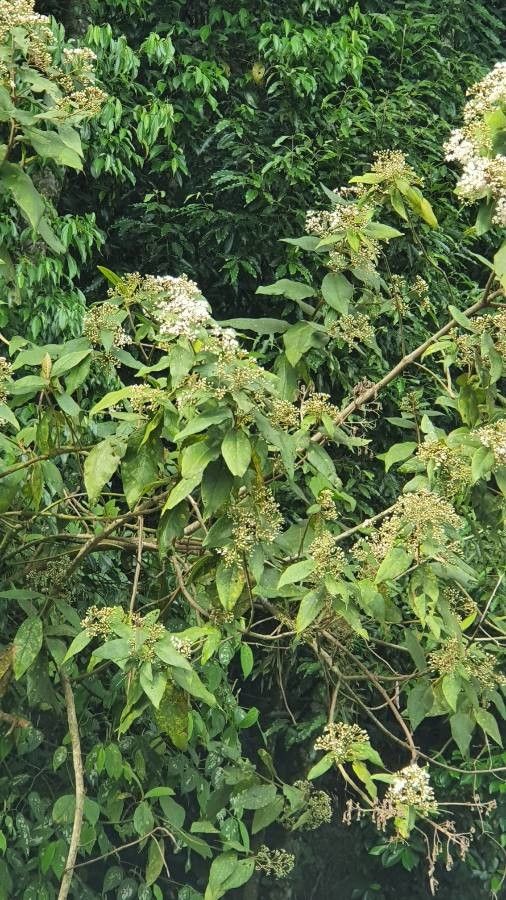
Cordia caffra, commonly known as the Septee tree or Cape chestnut, is a medium-sized evergreen tree native to southern Africa. It can grow up to 15 meters tall and features a spreading crown adorned with dark green, glossy, and leathery leaves. During spring and summer, the tree produces small white or pink flowers in clusters, followed by round fruit that turns from green to yellow when ripe.
Cordia caffra is well-regarded for its timber, which is durable and termite-resistant. The wood boasts a reddish-brown color with an attractive grain pattern. Additionally, the tree has medicinal properties; its bark is used to treat various ailments, including fever, diarrhea, and stomach problems.
The plant thrives in well-drained soils under full sun or partial shade and can tolerate drought conditions once established. It grows well in coastal regions but may struggle in areas with frosty winters.
Overall, Cordia caffra is an attractive ornamental plant that provides shade and offers practical benefits such as timber and medicinal uses, making it a valuable addition to any garden or landscape project.
The Septee tree has good resistance to disease and is generally not prone to illnesses. In terms of care, this plant is relatively low-maintenance. When grown outdoors it needs minimal watering, and larger plants usually do not require pruning. Smaller plants, however, should be pruned after they have finished blooming. The Septee tree is suitable for anyone with outdoor space, such as a garden or deck, and does not require much prior care experience.
How to keep Cordia Caffra.
Temperature
The Septee tree adapts well to temperature, tolerating higher heat and broad temperature swings. In hot weather, it is important to monitor watering and provide adequate shade to prevent sunburn. Conversely, the Septee tree is relatively sensitive to low temperatures; it can endure some cold, but excessively chilly conditions can cause frost damage.
Fertilizer
Fertilize your Septee tree in early spring to encourage healthy growth. Consistent fertilization boosts overall health, producing vigorous growth, increased toughness in challenging conditions, and better resistance to pests and diseases. Follow a specific fertilization schedule for your Septee tree to maintain foliage that is vibrant, deeply colored, and lush in appearance.
Botanical profile.
- Plant Type
- Tree
- Life Cycle
- Perennial
- Genus
- Cordia
- Family
- Boraginaceae
- Native Area
- Mozambique, South Africa, Madagascar, Eswatini, Botswana
Other names.