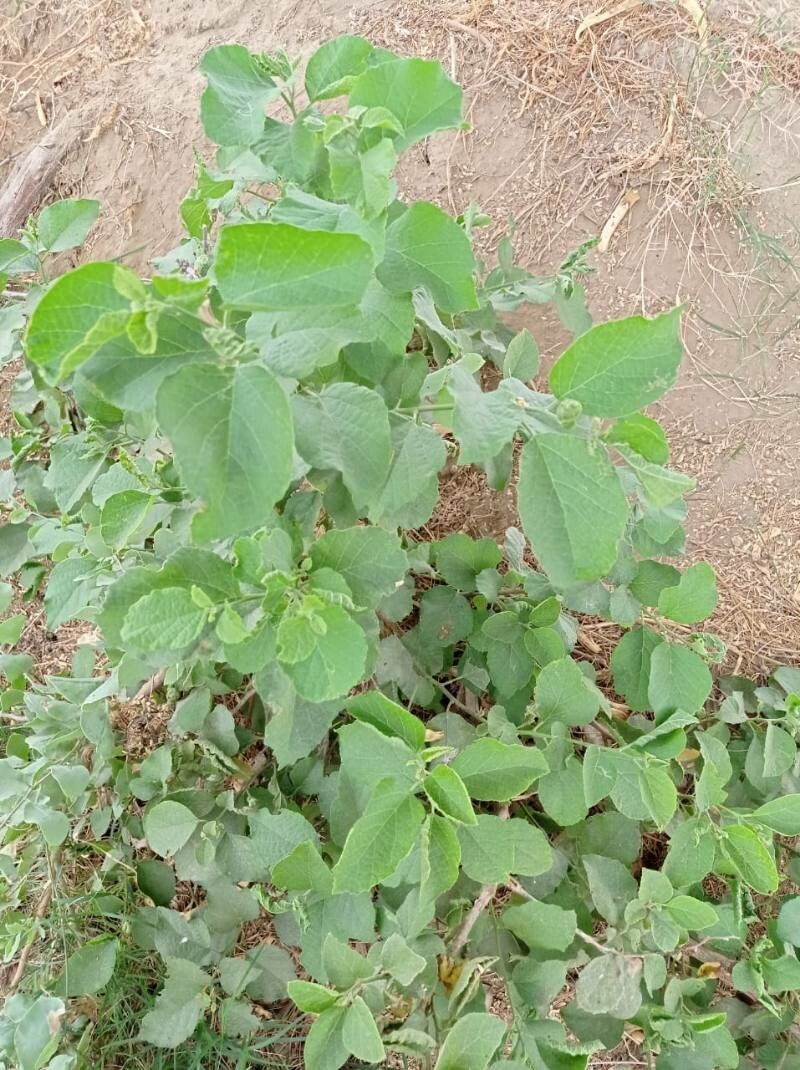
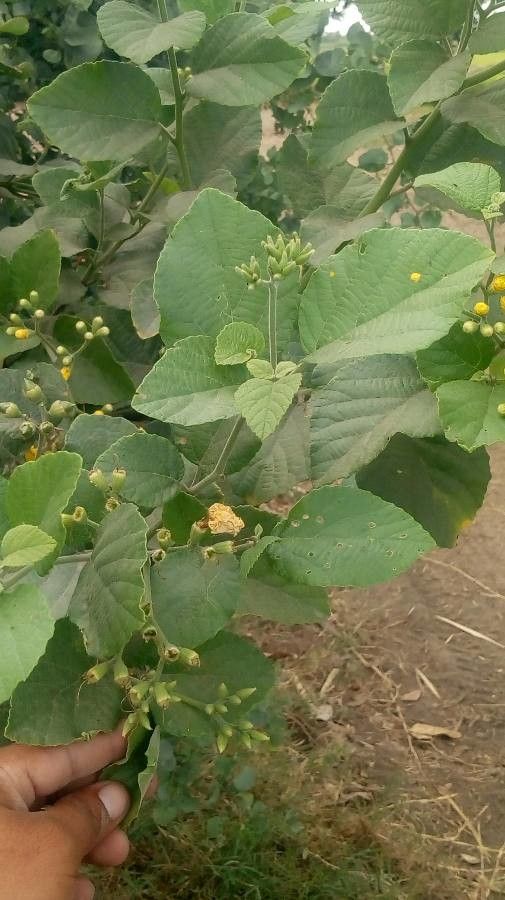
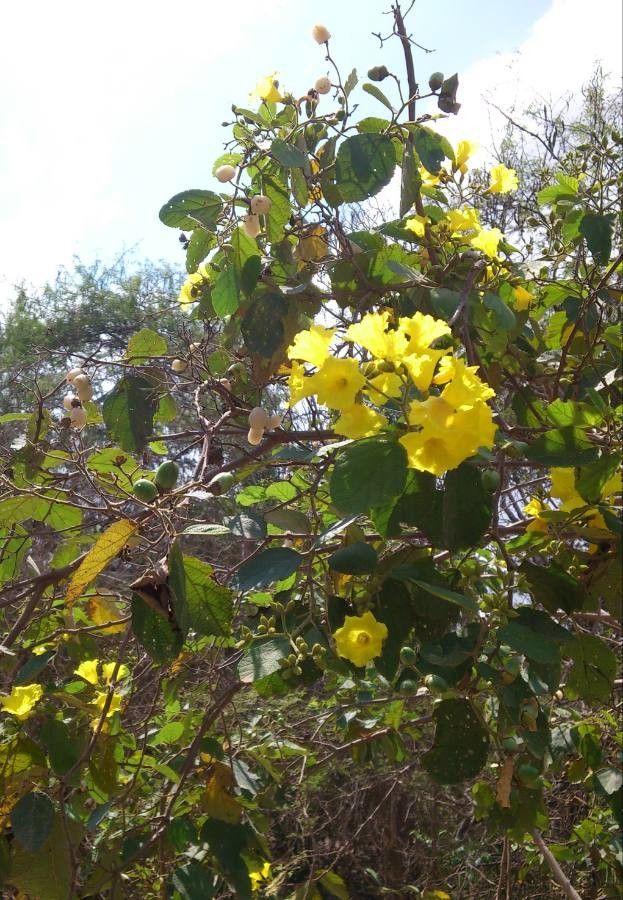
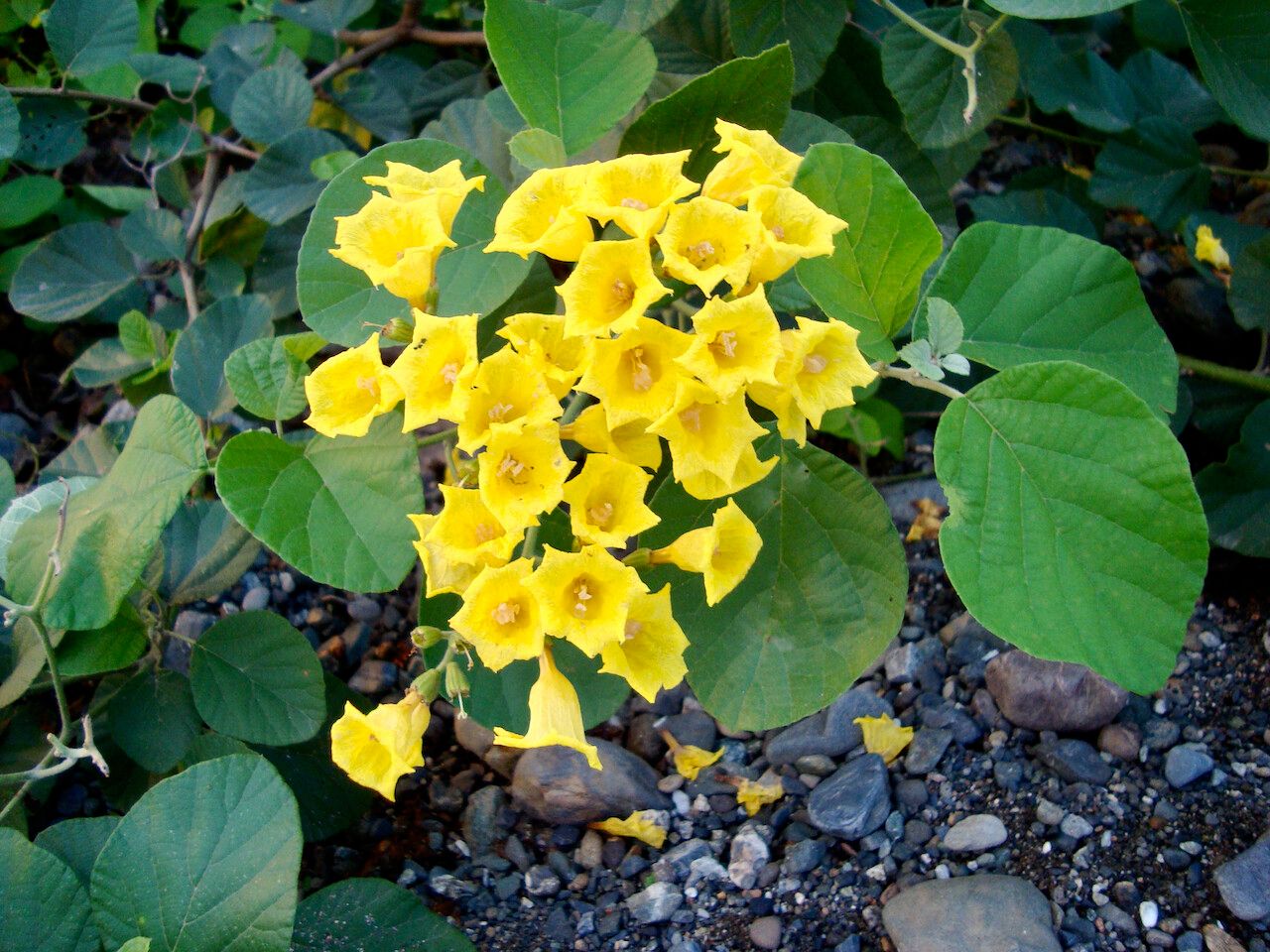
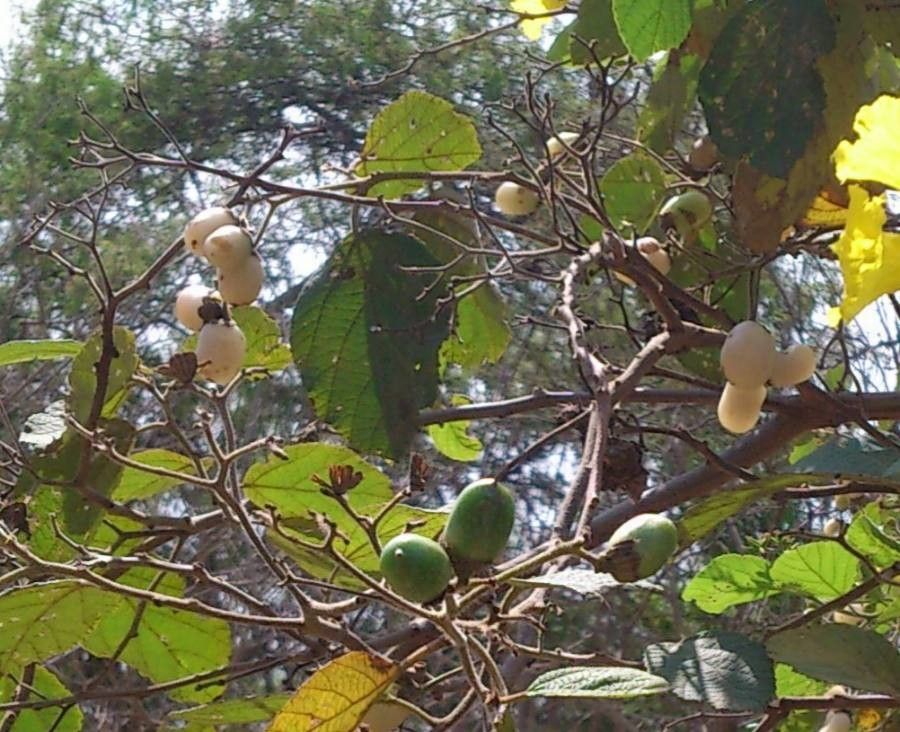
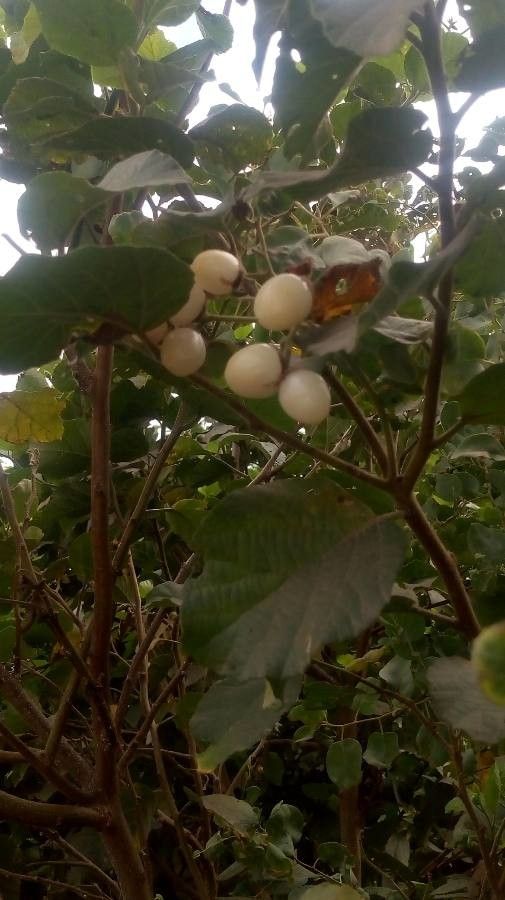
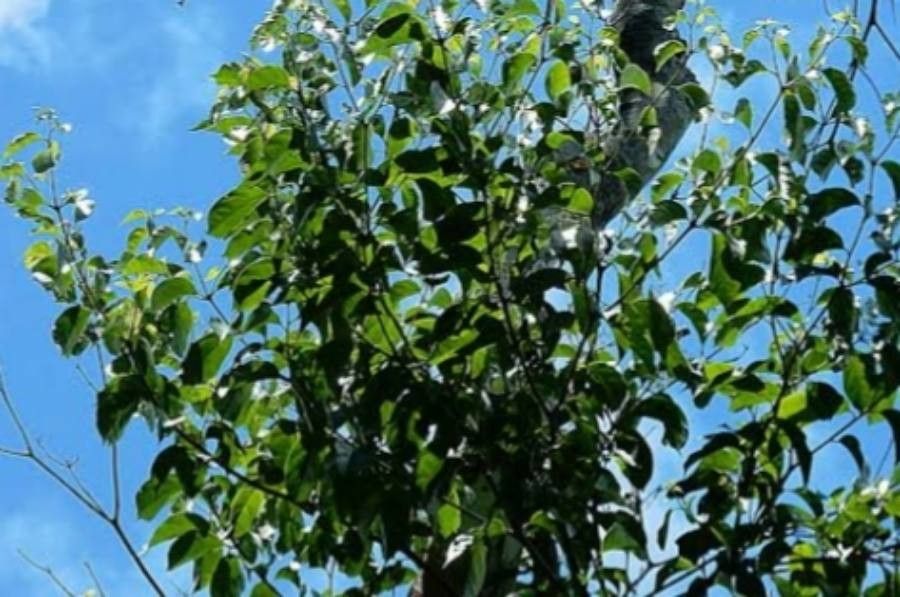
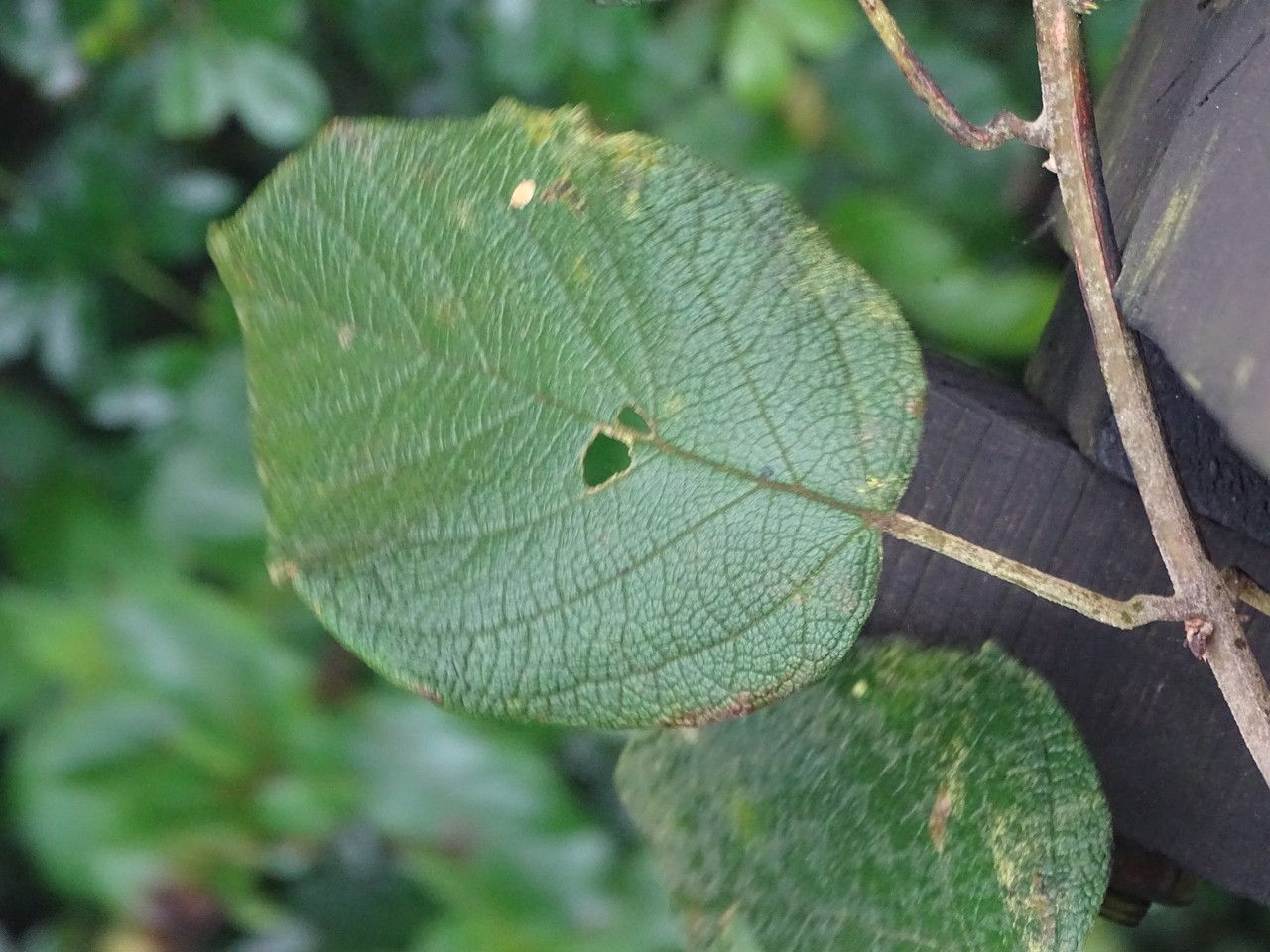
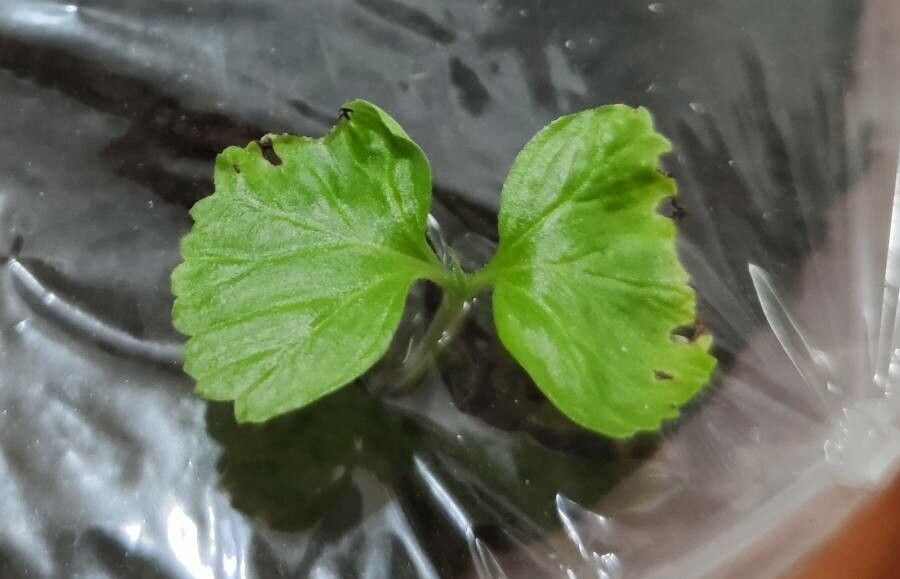
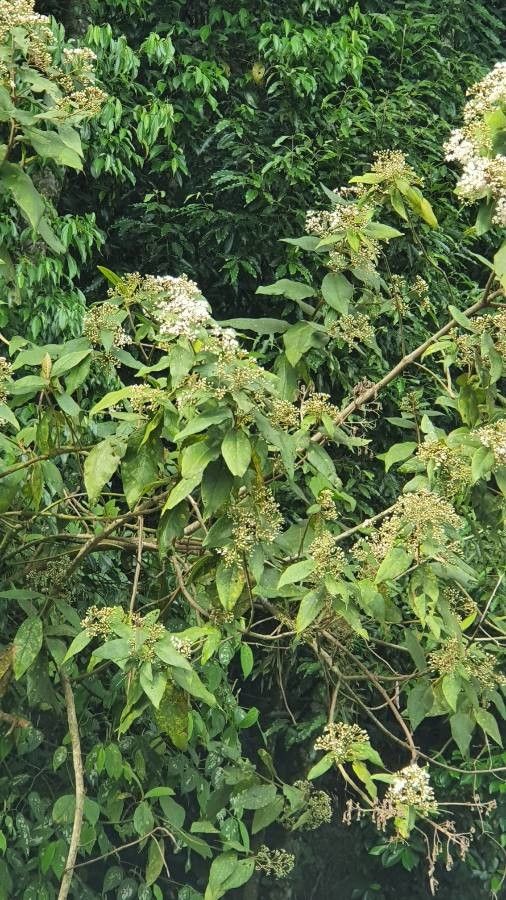
Cordia lutea, known as yellow cordia or in Spanish muyuyo, is a shrubby plant in the borage family (Boraginaceae), native to the Galápagos Islands, mainland Ecuador, Peru, and the Marquesas Islands in Polynesia. Common in the arid lowlands of the Galápagos, its relatively large yellow flowers make it easy to identify.
Yellow cordia is disease-resistant and generally not susceptible to illnesses. Concerning care, this plant is fairly low-maintenance. Planted outdoors, it needs little watering, and larger specimens typically do not require pruning. Smaller plants, however, should be pruned after they have bloomed. Yellow cordiat is appropriate for anyone with an outdoor area, such as a garden or deck, and does not demand much care experience.
How to keep Cordia Lutea.
Light
Yellow cordia is native to open habitats, for example sunlit meadows and forest margins, that provide plenty of light. It thrives in Full Sun but can tolerate Partial Sun as well, adapting effectively to a range of light conditions.
Water
Yellow cordia thrives in tropical climates that offer regular rainfall and high humidity. This plant prefers consistent moisture and benefits from weekly watering. As an evergreen, it needs continuous hydration to maintain its foliage throughout the year, especially when grown outdoors in full sunlight.
Temperature
Yellow cordia comes from tropical areas, which are generally warm and humid. Consequently, it is adapted to high heat and moisture. It does not tolerate sudden temperature shifts and prefers a steady thermal environment, so avoiding temperature fluctuations indoors is important. It usually cannot withstand cold and needs warmer conditions to grow. If the environmental temperature falls too low, growth may stop and the plant can die.
Fertilizer
The best time to fertilize a Yellow cordia is in early spring as it breaks dormancy. This encourages overall growth and flower development. Fertilization improves foliage, stems, and branches, and promotes flowers that are large, vivid, and long-lasting. It helps move nutrients from the roots to the flowers and enhances the plant's health and resistance to disease.
Pruning
The yellow cordia is known for its vibrant yellow flowers, which can be further enhanced by pruning in early spring. To encourage healthy growth and abundant blooms, it's important to remove dead branches and thin out crowded areas. This not only improves air circulation but also reduces the risk of fungal diseases. Remember to always use clean tools to prevent the spread of diseases.
Botanical profile.
- Plant Type
- Tree
- Life Cycle
- Perennial
- Genus
- Cordia
- Family
- Boraginaceae
- Hardiness Zone
- 10-12
- Mature Height
- 3.05 m to 4.88 m
- Mature Spread
- 2.13 m to 3.96 m
- Leaf Color
- Green, Dark Green
- Leaf Type
- Deciduous
- Flower Color
- Yellow
- Flower Size
- 2.03 cm to 3.05 cm
- Bloom Time
- All year round
- Planting Time
- Spring, Summer, Autumn
- Harvest Time
- All year round
- Native Area
- Colombia, Ecuador, Peru
Other names.