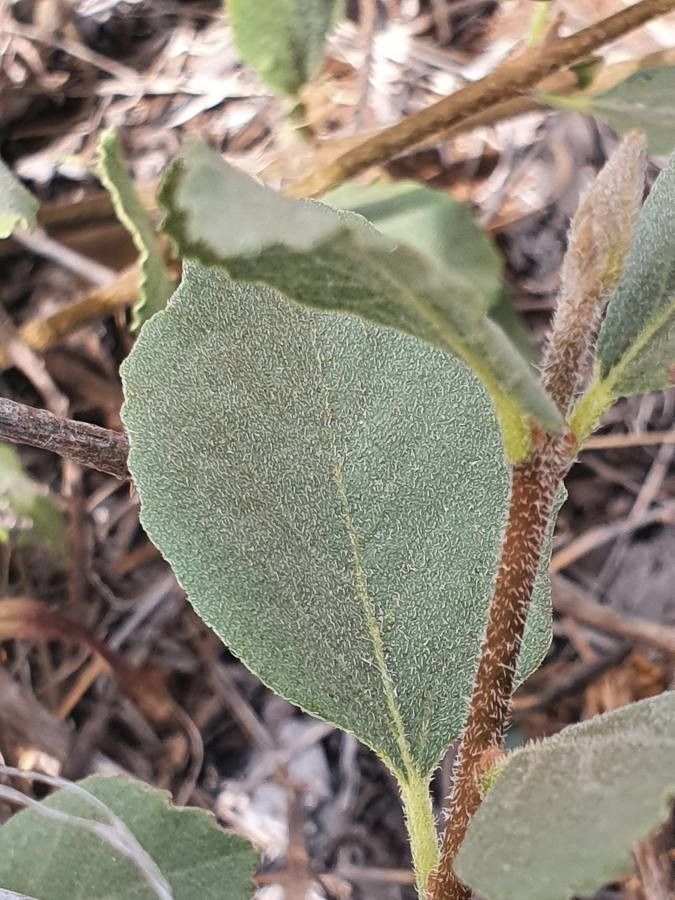
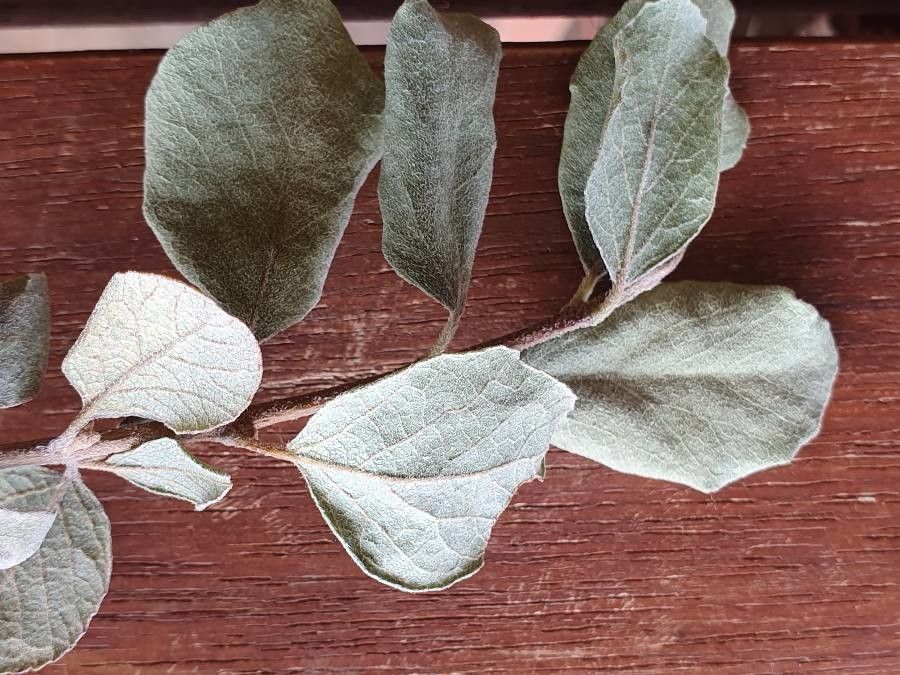
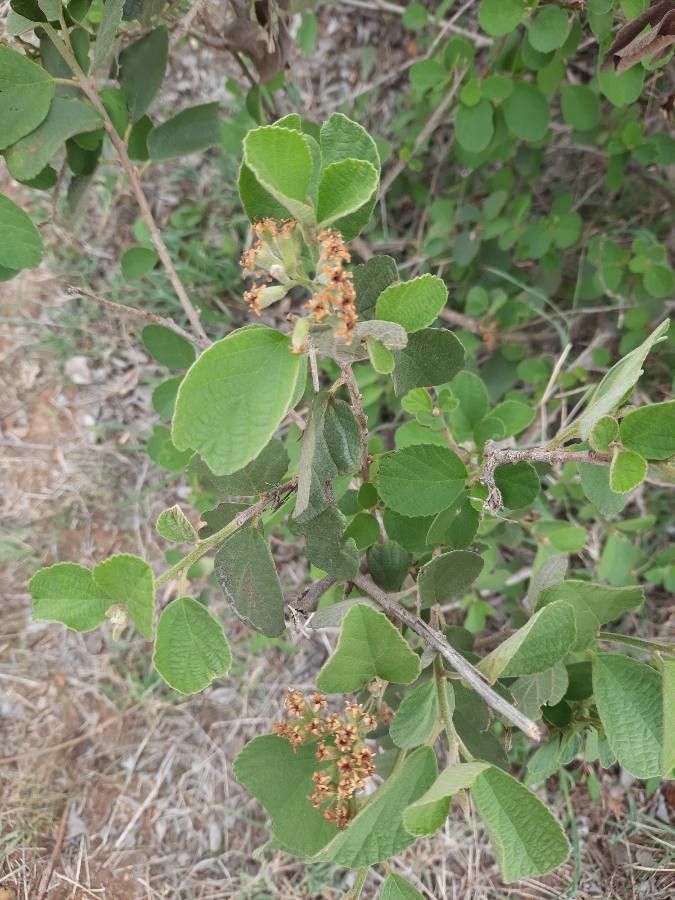
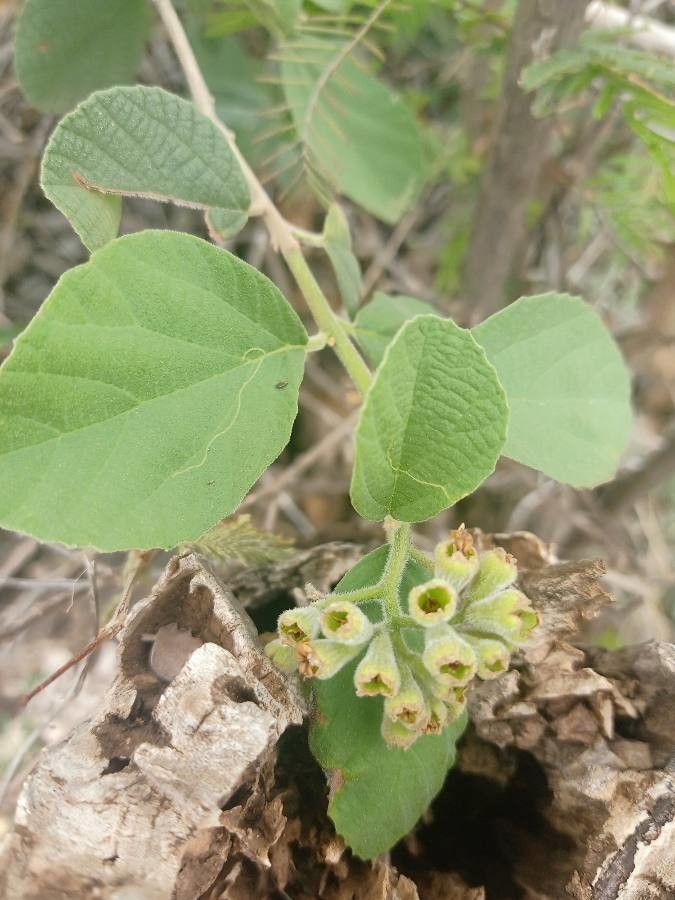
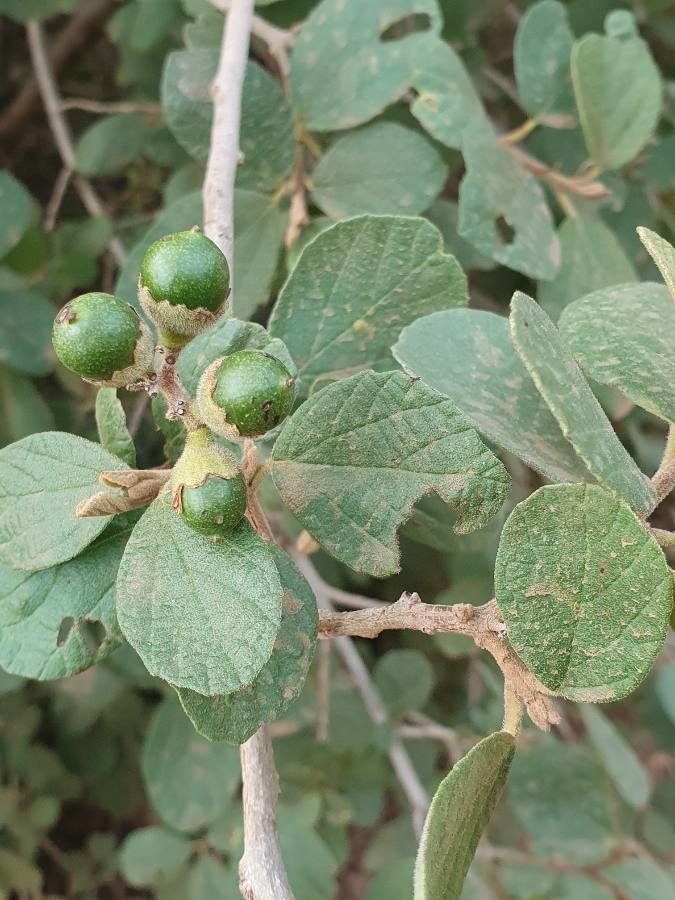
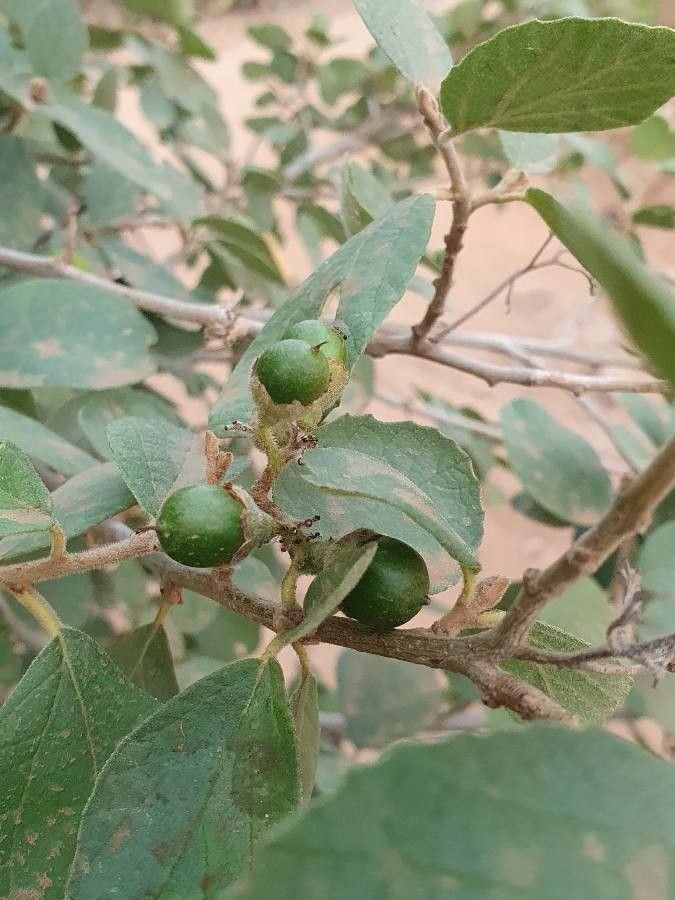
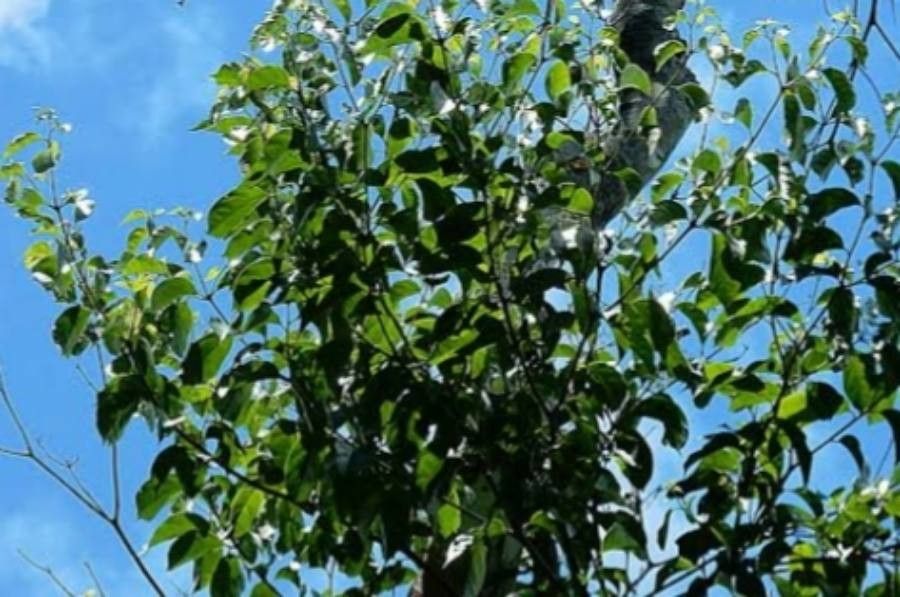
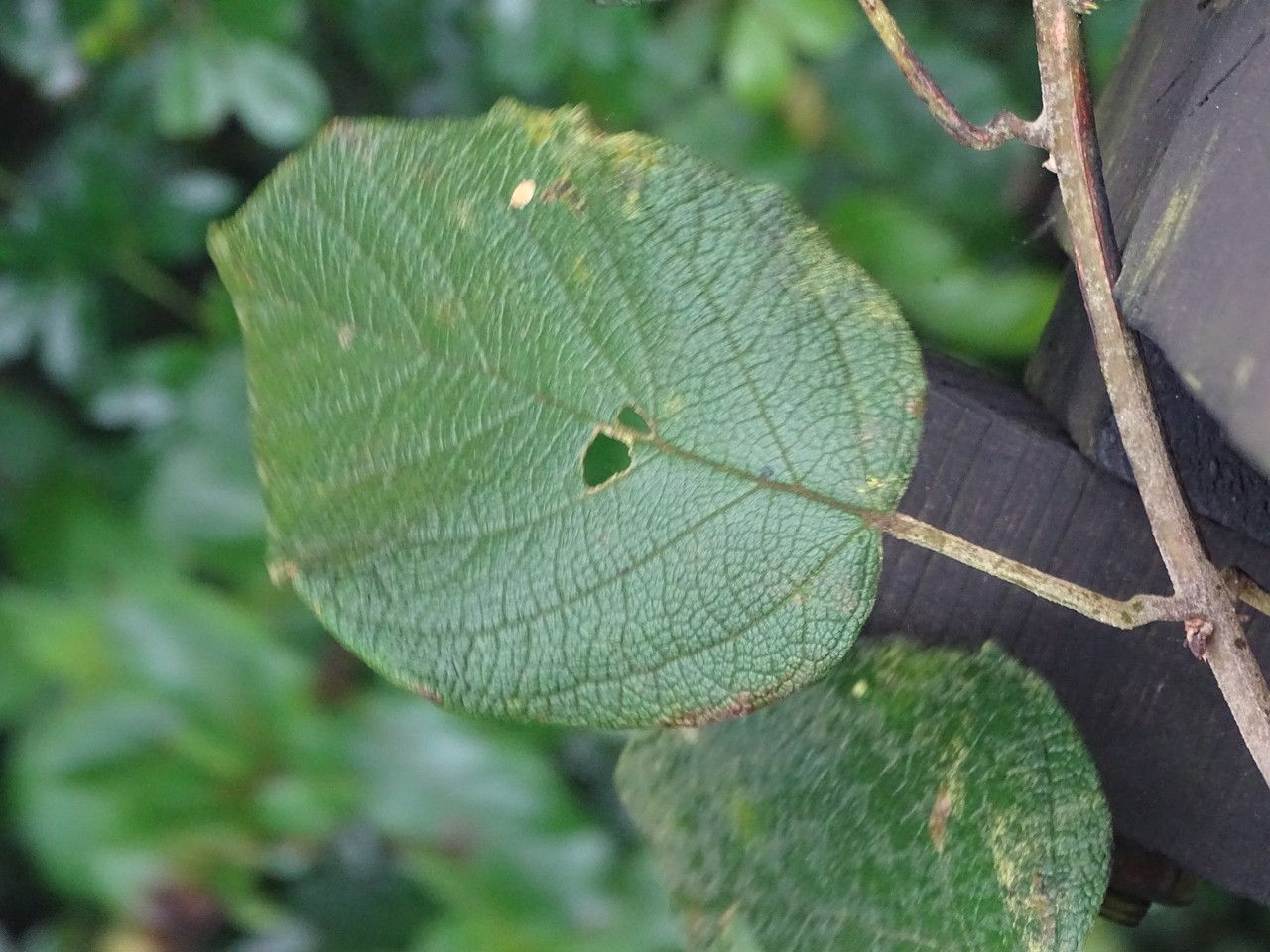
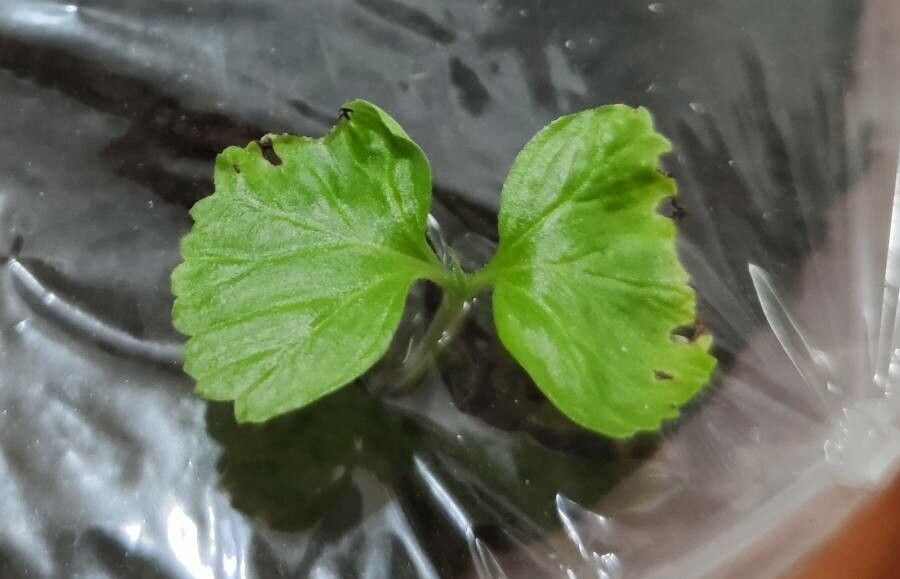
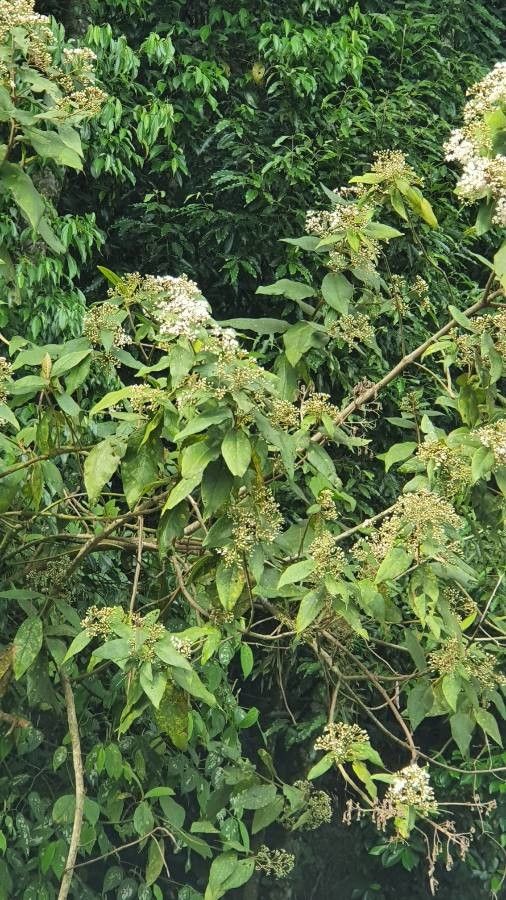
Cordia monoica, commonly known as the Indian cherry or Clammy cherry, is a small to medium-sized evergreen tree belonging to the Boraginaceae family. Native to India, this tree is also found in other parts of Southeast Asia. It can reach a height of up to 10 meters and features a dense crown of dark green, glossy leaves. The Indian cherry tree produces small white flowers that give way to fleshy red or yellow fruits, resembling cherries. These fruits are edible and have a sweet taste, making them popular among locals for making jams, jellies, and other sweet treats. The bark of Cordia monoica possesses medicinal properties and has been used for centuries by traditional healers in India. It contains compounds such as cordialmonin A, known for their anti-inflammatory effects. Additionally, Cordia monoica is valuable for reforestation projects due to its fast growth rate and adaptability to various soil types. Although its wood is hardy, it is not commonly used due to the tree's relatively small size. In summary, the Cordia monoica serves multiple purposes, including as a food source, for medicinal uses, and for its ecological benefits, making it an important plant species within its native range.
Sandpaper Saucerberry shows strong resistance to disease and is generally not susceptible to illnesses. In terms of care, this plant is fairly low-maintenance. When grown outdoors it needs only minimal watering, and larger specimens typically do not require pruning. Smaller plants, however, should be pruned after they finish blooming. Sandpaper Saucerberryt is suitable for anyone with an outdoor area, such as a garden or deck, and does not demand extensive care experience.
How to keep Cordia Monoica.
Temperature
Sandpaper Saucerberry comes from tropical areas, where the climate is usually warm and humid. Therefore, it is well suited to high temperatures and humidity. It is sensitive to sudden temperature shifts and prefers a steady temperature, so avoiding indoor temperature fluctuations is important. It generally does not tolerate cold and requires higher temperatures to grow. If the ambient temperature falls too low, the plant may stop growing or even die.
Fertilizer
Fertilization is essential for the care of Sandpaper Saucerberry. Regular feeding during the growing season preserves the energy needed for its showy leaves and aids overall growth. Ignoring fertilization can cause unhealthy foliage, reduced ornamental value, and stunted or weak growth that is liable to break.
Botanical profile.
- Plant Type
- Shrub
- Life Cycle
- Perennial
- Genus
- Cordia
- Family
- Boraginaceae
Other names.