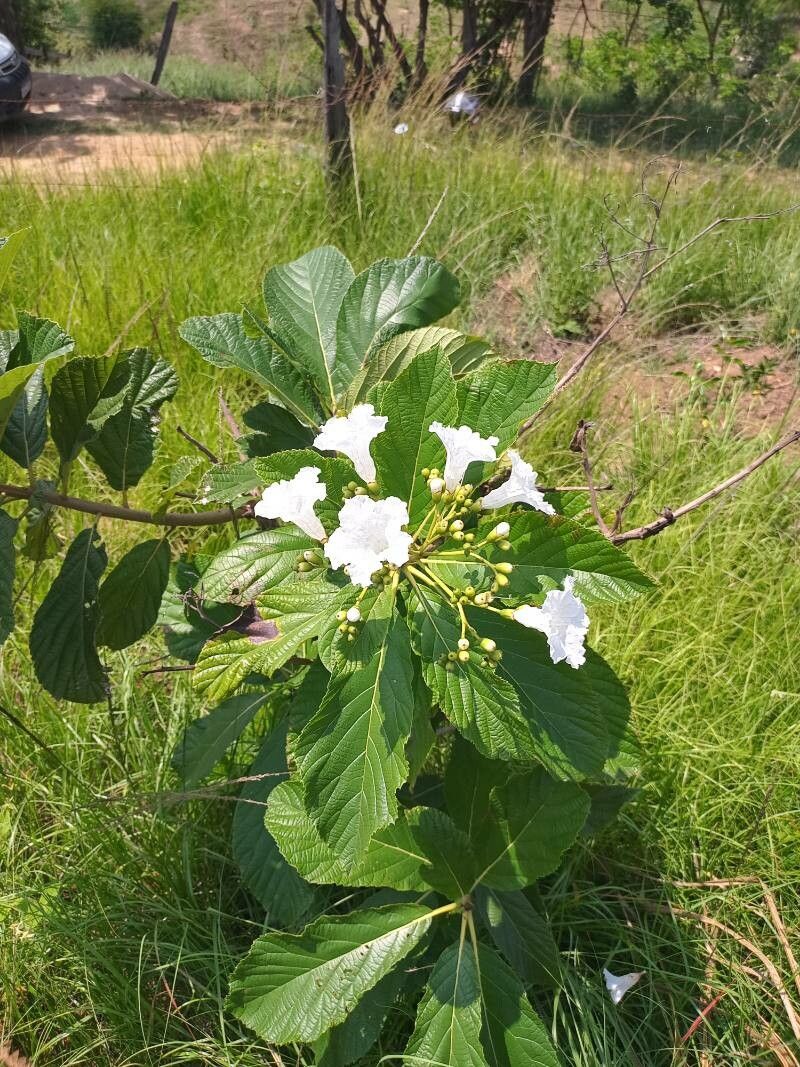
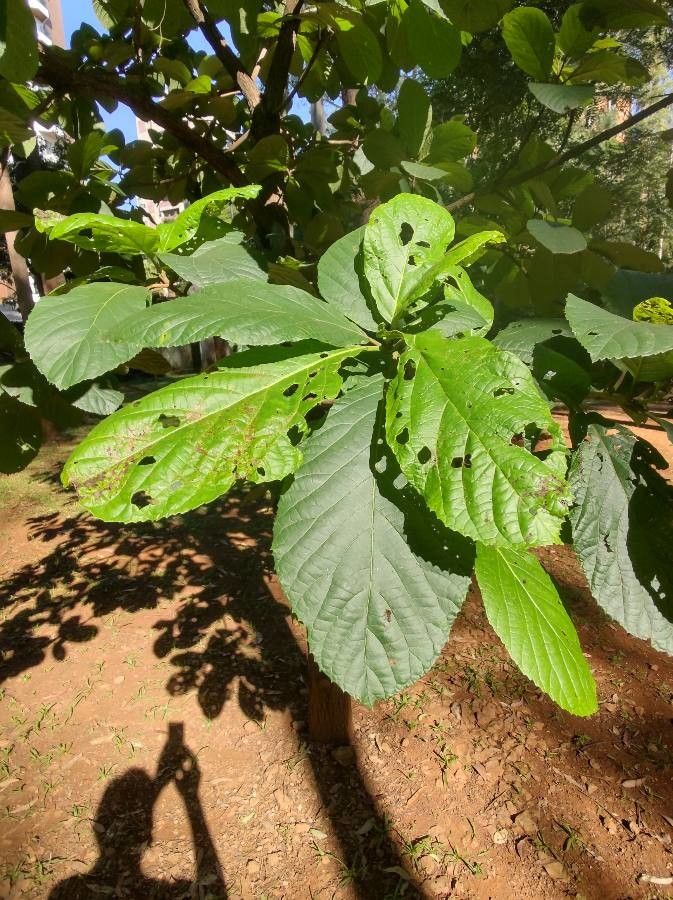
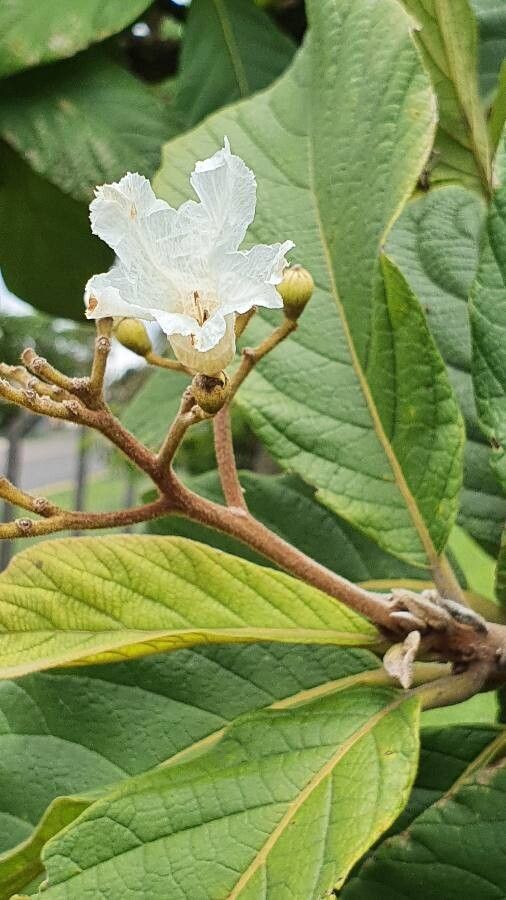
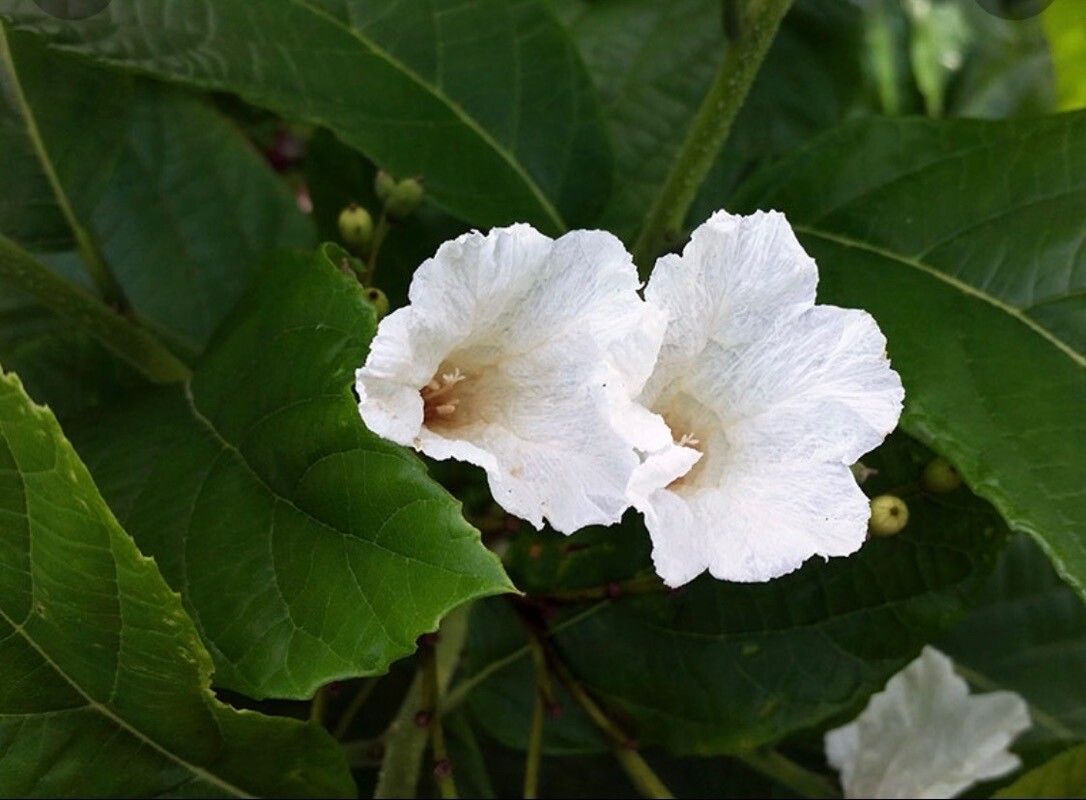
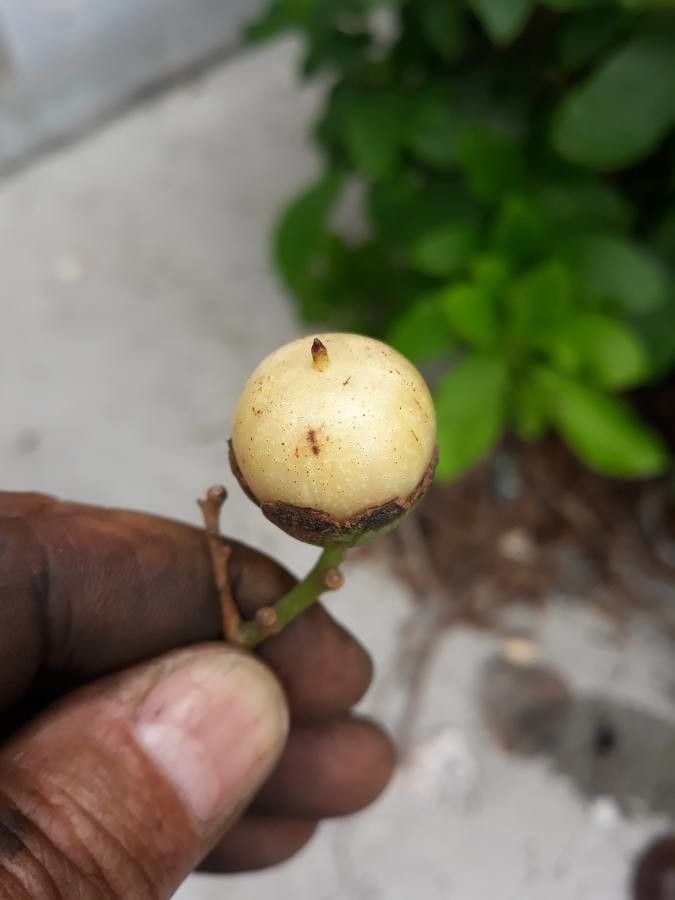
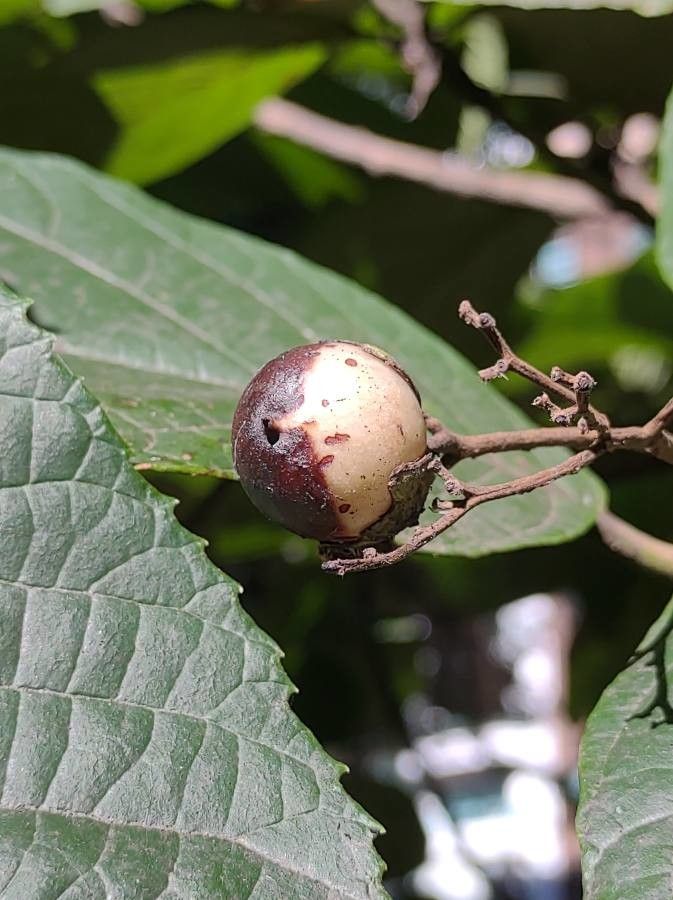
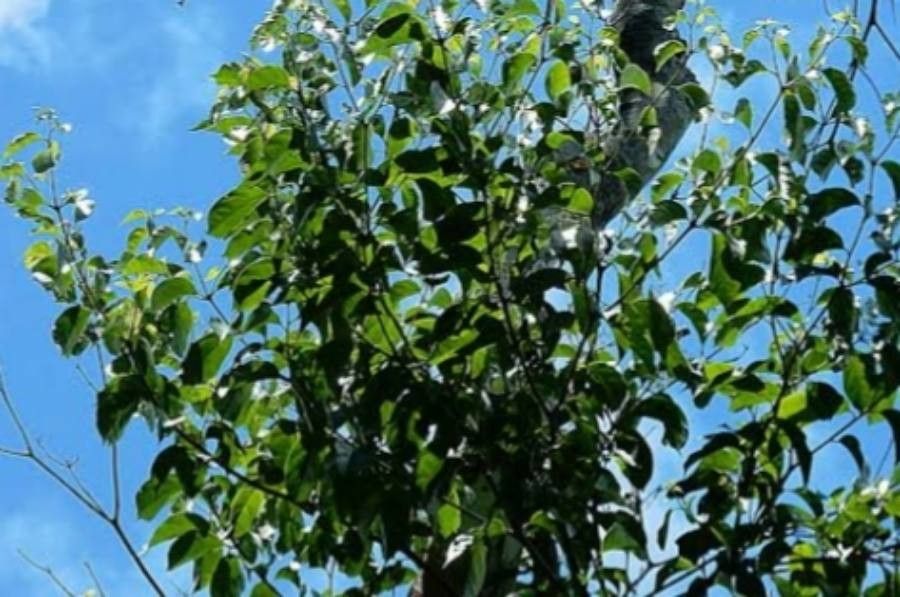
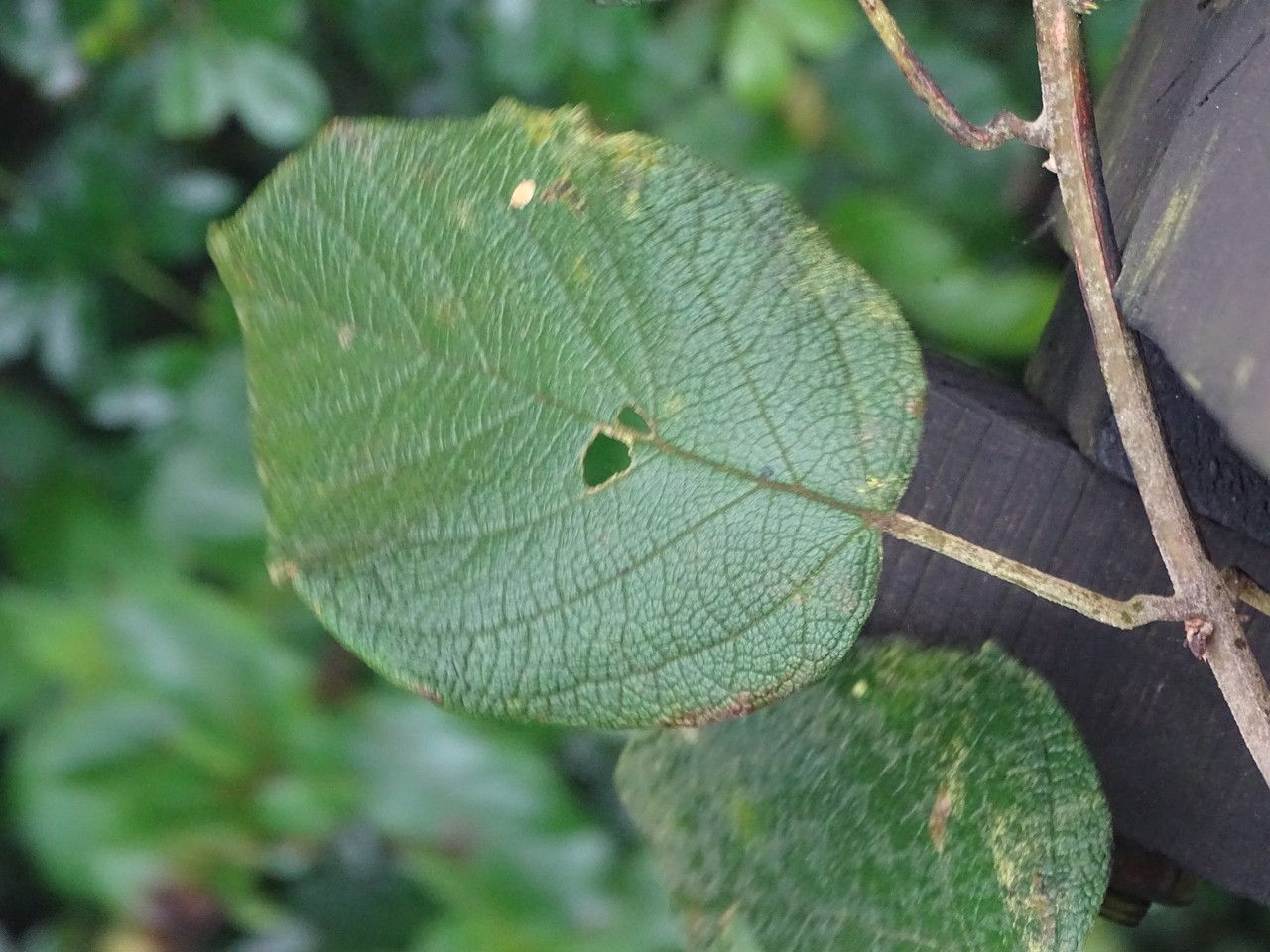
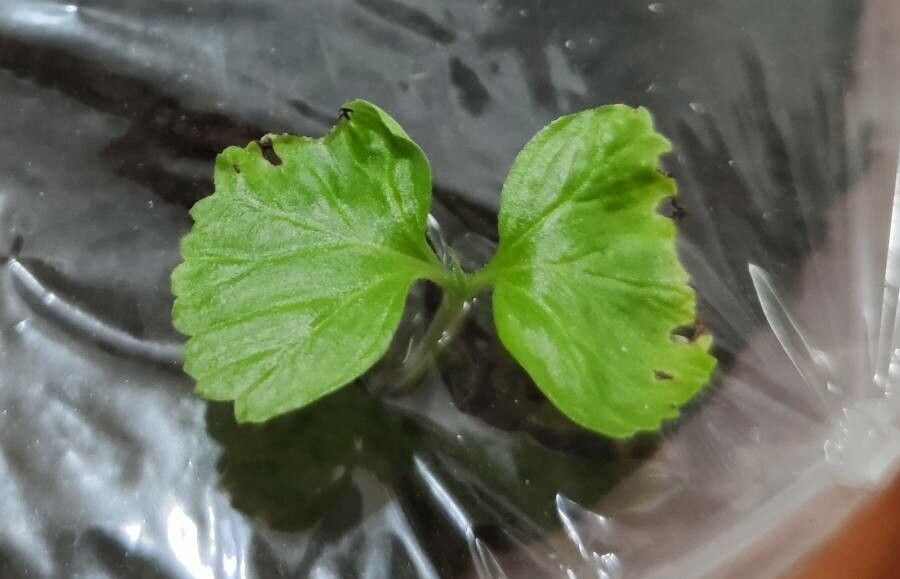
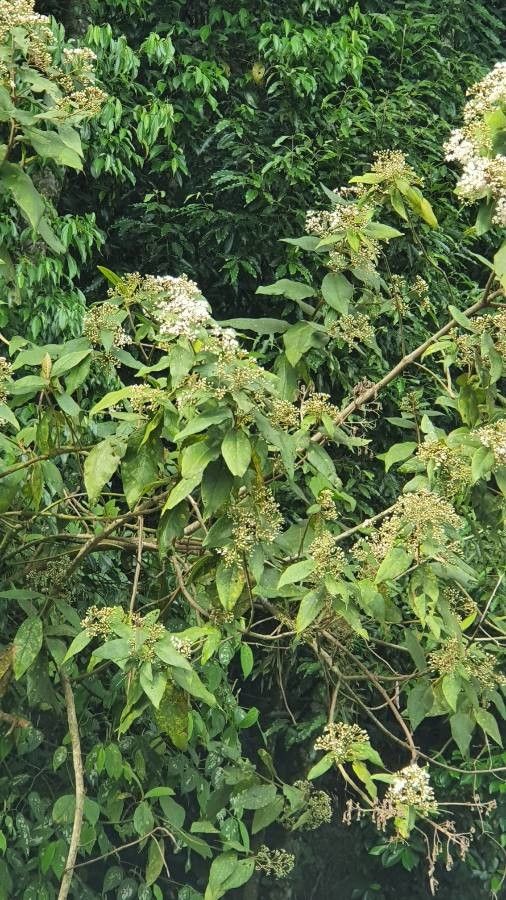
Cordia superba displays good resistance to disease and is usually not susceptible to illnesses. With respect to care, this plant is fairly low-maintenance. When grown outdoors it needs only occasional watering, and larger specimens typically do not need pruning. Smaller plants, however, should be pruned after they have flowered. Cordia superbat is suitable for anyone with an outdoor area, such as a garden or deck, and does not require extensive experience in plant care.
How to keep Cordia Superba.
Light
Cordia superba is native to open habitats, such as sunlit meadows and forest edges, where ample light is available. It grows best in Full Sun but can also tolerate Partial Sun, adjusting well to different sunlight conditions.
Temperature
Cordia superba comes from tropical areas, where the climate is generally warm and humid. Because of this, it is adapted to high temperatures and humidity. It does not tolerate sudden temperature shifts and prefers a steady thermal environment, so avoiding temperature fluctuations indoors is important. It typically cannot withstand cold and needs warmer conditions to grow; if the surrounding temperature falls too low, the plant may stop growing or even die.
Fertilizer
Fertilizing is essential for the care of Cordia superba. Regular applications during the growing season maintain energy for its showy foliage and support overall growth. Failing to fertilize can lead to unhealthy leaves, reduced ornamental value, and stunted or weak growth that is more susceptible to breaking.
Botanical profile.
- Plant Type
- Tree, Shrub
- Life Cycle
- Perennial
- Genus
- Cordia
- Family
- Boraginaceae
- Hardiness Zone
- 10-12
- Mature Height
- 6.1 m to 10.06 m
- Mature Spread
- 3.96 m to 6.1 m
- Leaf Color
- Dark Green, Forest Green
- Leaf Type
- Evergreen
- Flower Color
- White
- Flower Size
- 4.06 cm to 5.08 cm
- Bloom Time
- All year round
- Planting Time
- Spring, Autumn
- Harvest Time
- All year round