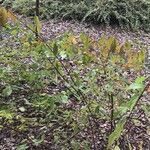
Cornus amomum
Silky dogwood · Silky cornel · Red-willow · Kinnikinnik
Description
Source: leafsnapCornus amomum, the silky dogwood, is a species of dogwood native to the eastern United States, from Michigan and Vermont south to Alabama and Florida. Other names include red willow, silky cornel, kinnikinnick, and squawbush.
🌳 Beyond its decorative appeal, silky dogwood is vital to wetland restoration and conservation. Its dense root network holds soil in place and reduces erosion, thereby supporting local ecosystems. Although this role is not often highlighted, it is crucial for preserving the health of aquatic habitats.
🎭 Desires, Safeguarding. This tree represents allure and refinement.
Care Guide
💧 Water Every 1-2 weeks
Silky dogwood thrives in moist environments and grows well near water sources. To keep it healthy, it requires watering every 1-2 weeks. Being a deciduous plant, silky dogwood sheds its leaves during dormancy to conserve water. This characteristic makes it suitable for both indoor and outdoor settings.
How should I water my Silky dogwood tree?
Here are some tips for watering your plants effectively: - Place a garden hose at the base of the plant to encourage root development. Avoid spraying the leaves directly, as this can be detrimental. - If your plants are located outside and exposed to direct sunlight, keep in mind that the leaves will need more water. - Consider using bubblers for each plant to keep the roots moist. Soaker hoses are also a good option as they can cover the entire garden or bed, ensuring deep root watering when adding or removing plants. - After watering, make sure to drain any excess water and allow the soil to dry before watering again. - To prevent diseases, always water at ground level rather than spraying the leaves. However, on a sunny day, it can be beneficial to spray the entire bush with water. - Whether your Silky dogwood is potted or in-ground, remember that it prefers deep watering instead of light sprinkling.
What do I need to do if I give the Silky dogwood too much water or too little water?
An overwatered Silky dogwood displays several signs of distress. Its leaves turn yellow, wilt, and eventually drop off. The plant may also appear dull and unhealthy, with mushy stems. Adjusting your watering schedule is advisable once these symptoms become apparent. However, wilting can also indicate under watering. In such cases, the leaves may become crispy and dry. To address this, check the soil for dryness and provide a thorough watering if necessary. Although adequate water will help the Silky dogwood recover, the damaged root system may cause the plant to retain its dry and yellowed appearance for a few days. Once the plant returns to normal, the yellowing of leaves will cease. When keeping a Silky dogwood indoors, monitor the moisture levels in the pot. Avoid overwatering and watch for black spots, which signify excessive moisture. If black spots are present, allow the soil to dry out by abstaining from watering for a few days. Overwatering can lead to root rot, so it may be necessary to transfer the plant to a different pot, especially if discolored and slimy roots are observed. Take preventive measures against root rot by avoiding excessively soggy soil. When planting the Silky dogwood outdoors, ensure proper watering by checking if the soil is too dry with your fingers. If it is, this indicates underwatering, and adequate watering is crucial for the plant's recovery.
How often do my Silky dogwood need watering?
The Silky dogwood prefers deep and infrequent watering. If you have them in pots, make sure to soak them with a gallon of water each time, as pots dry out faster. In cold regions, water every 3 to 5 days, preferably in the morning when the soil is dry. Check the soil regularly, and if the top 2-3 inches are dry, it's time to water. On hot days, monitor the moisture daily to prevent the soil from drying out. For garden plants, water once a week in hot climates, ensuring the soil is not too dry. Take into account rainwater and avoid overwatering to prevent root rot. Apply mulch around outdoor Silky dogwood to conserve water. Sandy soil requires more frequent watering, while clay soil needs less. Keep track of watering dates and if the leaves start to droop, water sooner.
How much water should I give my Silky dogwood?
The Silky dogwood typically needs about a gallon of water on a regular basis. For potted plants, water them deeply until water starts to drip from the bottom of the pot. Then, wait for the soil to dry before watering again. Use a water calculator or moisture meter to determine how much water you've given the plant in a week. During the flowering period, provide plenty of water but allow the moisture to evaporate to avoid root rot. If the Silky dogwood is planted outside and receives adequate rainfall, it may not need extra watering. However, when the Silky dogwood is young or newly planted, make sure it receives 1-2 inches of rain per week. As the Silky dogwood matures, it can rely on rainfall alone. Only during very hot weather or when there is no rain for 2-3 weeks, consider giving the Silky dogwood a thorough watering during the cooler parts of the day to prevent heat damage. Additional watering may be needed during prolonged dry periods.
Should I water my Silky dogwood more or less depending on the time of year or the weather?
The Silky dogwood needs to be watered primarily by rain, but if it is persistently dry, it will need additional watering. During spring and fall, the soil should be kept moist, but not soggy. Alternating between dry and moist soil conditions will be beneficial for the growth of the Silky dogwood. In the summer, hot weather can cause water to evaporate quickly, so if there is a lack of rainfall, more frequent watering is necessary to keep the plant moist. Generally, the Silky dogwood requires less water in winter when it goes dormant. Using a well-draining soil mixture like terracotta can help evaporate water more efficiently. Once the Silky dogwood starts leafing out and going dormant, watering can be skipped as it can rely on fall and winter rains for survival. After spring, the Silky dogwood can be cultivated to encourage growth and blooming when the temperature gets warmer. Good drainage is essential, especially during winter, as the plant dislikes ponding or drought when flowering. When potted, the Silky dogwood has limited root growth, so frequent watering is required, particularly in summer. Adequate drainage is necessary to prevent cold and wet roots. It is best to water the entire root system deeply at least once or twice a week, depending on the weather. Shallow sprinkles that reach the leaves should be avoided to prevent fungal growth and to ensure water reaches the roots. Even during fall and winter dormancy, the Silky dogwood should not dry out completely. Overwatering should also be avoided as the plant does not tolerate sitting in water for extended periods, which could lead to death in winter if the soil does not drain well. Applying mulch can help reduce stress, conserve water, and promote healthy blooms.
☀️ Light Full sun
Silky dogwood does best in locations where it receives full sun. It will tolerate spots with less light, though its growth may slow. Originating from sunny habitats, silky dogwood has adapted to make the most of abundant light. However, too little sun can cause weak, pale, and sparse foliage, while too much can result in leaf scorch.
What are the sunlight requirements for silky dogwood?
Silky dogwood requires full sun, meaning it thrives best with above 6 hours of sunlight per day but can also grow in partial sun, which is about 3-6 hours of sunlight daily. The right balance of light and shade is crucial for the plant's growth and health. In their natural habitat, silky dogwoods are accustomed to abundant sunlight, and too little sunlight can lead to weak, pale, and sparse foliage, while too much sunlight can cause leaf scorch. It's important to observe how sunlight moves through your garden to choose the best spot for your silky dogwood.
Can silky dogwood grow with artificial lighting?
Yes, silky dogwood can grow with artificial lighting, especially when natural sunlight is insufficient, such as in winter or in less sunny spaces. Artificial lights, like LED, can be customized to provide specific wavelengths of light needed by the plant. For optimal growth under artificial lights, full sun plants require 30-50W/sq ft, partial sun plants need 20-30W/sq ft, and full shade plants require 10-20W/sq ft. The light source should be placed 12-36 inches above the plant, mimicking natural sunlight for about 8-12 hours per day depending on the plant species needs.
What are the symptoms of insufficient or excessive sunlight in silky dogwood?
Silky dogwood shows various symptoms when exposed to suboptimal lighting conditions. Insufficient sunlight can lead to smaller new leaves, leggy or sparse growth, premature leaf drop, stalled growth, lighter-colored new leaves, and chlorosis. Excessive sunlight can cause symptoms like sunscald, leaf curling, wilting, and leaf scorching. These symptoms indicate the plant's struggle with adapting to its lighting conditions, highlighting the need for carefully monitoring and adjusting its exposure to sunlight.
How can you manage sunlight exposure for silky dogwood?
To manage sunlight exposure for silky dogwood effectively, introduce gradual adjustments. For indoor plants, move them to sunnier locations progressively each week until they receive at least 6 hours of direct sunlight daily. An open, south-facing window helps maximize sunlight exposure. If moving the plant isn't feasible, consider using artificial grow lights for at least 8 hours a day. For outdoor plants, also adjust their position gradually to avoid sunburn. If certain areas block sunlight, like tree branches, pruning can help increase sun exposure. For smaller plants that are easily relocated, consider transplanting during their dormant period to a spot with better sunlight and drainage.
🌡️ Temperature 5–32.2°C
Silky dogwood is a woody plant of temperate regions native to North America. It favors temperatures from 41 to 90℉ (5 to 32℃), yet it can tolerate lower temperatures. During winter it copes by entering dormancy and dropping its leaves. In summer it can handle heat as long as it has adequate access to water.
What is a Silky dogwood and where is it native to?
Silky dogwood (Cornus amomum) is a temperate woody plant native to North America. It thrives in temperatures ranging from 41 to 90ºF (5 to 32ºC), displaying strong cold resistance and adaptability to varying weather conditions. During the winter, it enters a dormant state and sheds its leaves, while in the summer, it requires access to water to tolerate the heat.
Does Silky dogwood require special frost protection measures during winter?
Generally, Silky dogwood does not require special frost protection measures due to its strong cold resistance. However, if temperatures are expected to drop below -25°C, it is important to provide cold protection. This can be done by wrapping the trunk and branches with non-woven fabric or cloth. Additionally, watering the plant abundantly before the first freeze of autumn to keep the soil moist, helps prevent drought and water scarcity during winter and early spring.
How does Silky dogwood handle low temperatures and what are the solutions if it gets too cold?
Silky dogwood is cold-tolerant, thriving best when temperatures remain above 5°C and should ideally be kept above -20°C during winter. At temperatures falling below -25°C, the branches may become brittle and dry by spring, failing to produce new shoots. To mitigate this, any dead branches that failed to produce new leaves should be pruned away in spring.
How should Silky dogwood be cared for in high temperatures?
During the summer, it is advisable to keep Silky dogwood below 32°C. Exceeding temperatures of 35°C may cause the leaves to lighten in color, dry out, and the tips to become withered, making the plant more prone to sunburn. To care for the plant in these conditions, trim away the sunburned and dried-up parts. Moving the plant to a shaded location or using a shade cloth to protect it from the midday and afternoon sun is beneficial. Additionally, ensuring the soil remains moist by watering in the morning and evening is crucial.
💨 Humidity
🪴 Soil 5-7
🌱 Fertilizer
Fertilize your Silky dogwood in early spring to encourage healthy growth. Regular feeding boosts overall health, leading to vigorous growth, increased tolerance of harsh conditions, and improved resistance to pests and diseases. Follow a consistent fertilization schedule to keep the foliage vibrant, deeply colored, and lush in appearance.
Why should I put fertilizer on my Silky dogwood plant?
Whether you own a common Silky dogwood or a different variety, regular fertilization is crucial for promoting overall plant health. Providing the proper nutrients will lead to stronger growth, enabling your Silky dogwood to withstand challenging growing conditions and better defend against diseases and pests. Maintaining the lush and visually appealing foliage of your Silky dogwood is important. To accomplish this, it is essential to establish a consistent fertilization routine tailored to your specific Silky dogwood. Following this schedule will encourage the development of vibrant, richly colored leaves, enhancing the overall appearance of your plant.
When should I fertilize my Silky dogwood for the best results?
To properly fertilize your Silky dogwood, you should first do so in late winter or early spring. This ensures that your dogwood receives all the necessary nutrients for healthy growth once the weather warms up. If you live in a warm climate region, it is also beneficial to provide an additional fertilizer feeding in early fall. This not only adds extra nutrients to the soil for the following growing season but also helps the dogwood withstand the cold winter without foliage damage. Fertilizing earlier in the fall will give enough time for the new branches to grow and better withstand the winter cold.
When is it not a good idea to put fertilizer on my Silky dogwood plant?
There are a few times of the year when you should avoid fertilizing your Silky dogwood. The first is during the early and mid-winter, when the dogwood is dormant and does not require feeding. It is also not recommended to fertilize in late spring and during the summer, when the weather is hot and dry. These conditions can have a negative impact on the dogwood's response to fertilization. To avoid any issues, it is best to stick to a fertilization schedule in early spring and early fall only.
Which fertilizer should I use for my Silky dogwood?
Silky dogwoods usually require nitrogen as their primary nutrient, but this doesn't mean that phosphorus and potassium should be neglected. It's actually important to ensure a good supply of all three main nutrients. A balanced fertilizer, such as a 10-10-10, is generally effective. However, a more refined nutrient ratio often promotes optimal growth. In many cases, fertilizers with a slightly higher nitrogen content tend to work better, such as a ratio of 10-6-4. When it comes to fertilizing, both granular and liquid-based fertilizers can be used.
What should I do to give my Silky dogwood plant nutrients?
To fertilize your Silky dogwood, you have two options: granular fertilizer or liquid fertilizer. For the granular fertilizer, simply sprinkle it on the soil at the right time. This type of fertilizer releases nutrients slowly over time. It's a good idea to lightly water your Silky dogwood before applying the fertilizer. On the other hand, liquid fertilizer is less common but can also be used. To use it, mix the fertilizer with water and pour it around the base of the plant. Sometimes, it's helpful to do a soil test beforehand to check the pH level and determine if any adjustments are needed.
🪴 Pot & Repot 2-3 years
When repotting Silky dogwood, pick a container 1-2 inches (2.5–5.1 cm) larger that offers good drainage. Use a well-draining potting mix. Repot in spring or fall, making sure the root ball sits slightly below the rim of the flower pot. Water thoroughly after repotting and place it in a warm spot with indirect sunlight.
✂️ Pruning
Prune silky dogwood in early spring to promote growth and flowering. To achieve this, focus on removing dead wood, thinning out branches to improve air circulation, and shaping the plant. Regular pruning helps prevent pests and encourages a healthy, vigorous plant. For more specific guidance, consult resources like the USDA.
🌿 Propagating
🐛 Diseases & pets
☠️ Toxicity
The plant and the berry of the silky dogwood are not toxic, but they are not very appetizing. The Algonquin tribe used the shrub’s bark in a smoking product known as kinnikinnick. The bark was also used in herbal teas to treat colds and fevers.
Characteristics
- Plant Type
- Shrub
- Life Cycle
- Perennial
- Genus
- Cornus
- Family
- Cornaceae
- Hardiness Zone
- 5-8
- Mature Height
- 4.88 m
- Mature Spread
- 2.74 m to 4.88 m
- Leaf Color
- Green
- Leaf Type
- Deciduous
- Flower Color
- White
- Flower Size
- 0.25 cm to 0.51 cm
- Bloom Time
- Late spring, Early summer
- Planting Time
- Spring, Autumn
- Harvest Time
- Mid summer
- Native Area
- Eastern North America