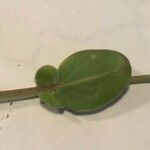
Coronilla scorpioides
Annual Scorpion-vetch · Yellow crownvetch · Yellow crown-vetch · Scorpion crown-vetch
Description
Source: leafsnapCoronilla scorpioides, commonly known as the scorpion senna or trailing scorpion vetch, is a perennial herbaceous plant belonging to the Fabaceae family. Native to Europe and Western Asia, it thrives in rocky areas, meadows, and along roadsides. The plant exhibits a trailing growth habit, with stems that can reach up to 50 cm in length. Its pinnate leaves consist of 5-7 oval-shaped leaflets with a smooth texture. Small yellow flowers, each with five petals, are arranged in clusters at the ends of long stalks. Coronilla scorpioides blooms from May to August, attracting bees and other pollinators. It produces small pods containing seeds, which are dispersed by wind or animals. For centuries, the plant has been valued for its medicinal properties, particularly its diuretic effects that help treat urinary tract infections. Additionally, it contains flavonoids with antioxidant properties, offering protection against cell damage caused by free radicals. In summary, Coronilla scorpioides is not only an attractive herbaceous perennial but also an important component of traditional medicine practices across Europe and Western Asia due to its medicinal benefits.
Care Guide
💧 Water Every 7 days
Yellow crown vetch thrives with consistent moisture and benefits from weekly watering. Although it can tolerate moderate drought, it truly flourishes when the soil remains evenly moist. Best suited for outdoor cultivation, this plant adapts well to varying rainfall patterns, relying on natural precipitation to enhance its resilience in different climates.
How should I water my Yellow crown vetch?
Watering Yellow crown vetch is easy and flexible. You have various options such as using a garden hose with a spray nozzle, a watering can, or any other common watering tool. This plant is not too picky about the type of water it receives, as it can thrive with rainwater, tap water, or filtered water. However, it is recommended to avoid watering from overhead to prevent damage to the leaves and flowers, as well as the potential for disease. Using a drip irrigation system is often the best method for watering Yellow crown vetch, as it ensures even and direct watering of the soil. If you have a container-grown Yellow crown vetch, you can follow a similar approach but with different tools. Use a cup, watering can, or tap water to apply water directly to the soil.
What should I do if I give my Yellow crown vetch plant too much or too little water?
If you notice that your Yellow crown vetch plant is lacking moisture, the solution is simple: start watering it more regularly. However, overwatering can be a more serious issue. If your Yellow crown vetch is overwatered, it could develop diseases that could lead to its decline and death. To prevent this, it's important to choose the right location for it to grow. A location that gets plenty of sunlight will help dry the soil, and good drainage will prevent excess water from pooling and making the soil waterlogged. If your potted Yellow crown vetch is overwatered, you may need to consider changing its pot. The previous container may not have had good drainage or enough drainage holes. When repotting the overwatered plant, be sure to use loose soil and a pot that drains efficiently.
How often should I give water to my Yellow crown vetch?
Yellow crown vetch requires regular watering throughout the growing season. In the spring, aim to water it once per week. As the weather gets warmer, you may need to increase watering to two or three times per week, but be careful not to exceed this frequency as it can harm the plant. It's important to keep the soil moist but not overly wet, regardless of how often you water. If you have Yellow crown vetch in a pot, you'll need to water it more frequently compared to plants in the ground. Generally, a few times per week should suffice for containers, whereas once per week is sufficient for in-ground plants.
How much water does my Yellow crown vetch plant require?
There are a few different ways to determine how much water your Yellow crown vetch needs. Some gardeners feel the soil to judge its moisture level. If the top six inches feel dry, it's time to water. Alternatively, you can use a set amount of two gallons per week, adjusting based on temperature and soil dryness. However, be cautious of overwatering if your plant needs less. When growing in a container, make sure all layers of soil are moistened by checking with your finger or monitoring for excess water drainage.
How can I know if I'm giving enough water to my Yellow crown vetch?
Yellow crown vetch can be tricky to water properly. While they have deep roots that need to be watered once a week, they are also at risk of root rot and browning if overwatered. Underwatering is less of a concern as these plants can survive without extra watering for a while, but if you go too long without watering, they may wilt and develop dry leaves.
☀️ Light Full sun
Yellow crown vetch does best in locations that receive steady sunlight, resulting in strong growth and bright yellow flowers. This tendency stems from its native habitats, which have abundant sunshine. Too little light can stunt its development, while too much can cause wilting.
What are the sunlight requirements for Yellow Crown Vetch?
Yellow Crown Vetch requires more than 6 hours of sunlight to thrive. It's essential to observe the movement of sunlight through your garden to pick spots that offer a perfect balance of light and shade, ensuring your plants are happy. The plant's growth and the vibrancy of its yellow blossoms are significantly enhanced in consistently sunny conditions, attributable to its native habitats' abundant sunlight. However, it's vital to ensure that the plant does not receive too much sunlight to prevent wilting.
How can artificial lighting benefit indoor Yellow Crown Vetch plants?
Indoor Yellow Crown Vetch plants benefit from adequate artificial lighting, especially when natural sunlight is insufficient. Artificial lights, such as LED lights, can be tailored to provide specific wavelengths of light needed by plants, promoting healthier growth. For optimal growth, full sun plants require 30-50W per square foot, partial sun plants need 20-30W per square foot, and full shade plants need 10-20W per square foot. The lights should be placed 12-36 inches above the plant and kept on for 8-12 hours daily to mimic natural daylight.
What are the symptoms of inadequate sunlight in Yellow Crown Vetch?
When Yellow Crown Vetch does not receive enough light, it may show various symptoms of light deficiency. These include smaller new leaves, leggy or sparse growth, faster leaf drop, slower or halted growth, and lighter-colored new leaves. Additionally, excessive sunlight can cause chlorosis, sunscald, leaf curling, wilting, and leaf scorching, indicating that the plant is either receiving too much light or not enough, affecting its ability to photosynthesize and overall health.
What solutions can address sunlight issues for Yellow Crown Vetch?
To ensure Yellow Crown Vetch receives optimal sunlight, gradually move the plants to sunnier spots, ensuring they get at least 6 hours of direct sunlight daily. For indoor plants, consider using artificial light for at least 8 hours daily. When adjusting outdoor plants to sunlight, avoid sudden changes that could result in sunburn. If sunlight is blocked by obstructions like trees, consider pruning to let more light through or transplant smaller plants to a sunnier location during their dormant period. Note that parts of the plant affected by insufficient sunlight may not recover, but new growth should be healthy once the light exposure is increased.
🌡️ Temperature 10–35°C
Yellow crown vetch originates from areas with moderate temperatures and generally does well when temperatures are between 68 and 95°F (20 to 35 ℃). If the local climate regularly falls below that range, consider providing supplemental heat in winter.
What is the native environment and ideal temperature range for Yellow crown vetch?
Yellow crown vetch, botanically known as Coronilla scorpioides, thrives in environments with moderate temperatures. It flourishes best in temperatures ranging from 68 to 95°F (20 to 35°C), indicating its preference for warmer climates. However, it is adaptable and possesses strong cold resistance, enabling it to withstand cooler conditions without requiring special frost protection measures in many cases.
How should Yellow crown vetch be protected during very cold winters?
While Yellow crown vetch has good cold resistance, in regions where winter temperatures are expected to drop below -25°C, it is important to provide additional cold protection to safeguard the plant. This can be done by covering it with soil or straw to insulate it against the severe cold. Furthermore, it's beneficial to water the plant abundantly before the first freeze in autumn, ensuring the soil is moist when it freezes. This strategy helps prevent drought and water scarcity for the plant during the winter and early spring months.
What are the symptoms of Yellow crown vetch being exposed to temperatures below its tolerance and the solutions?
Yellow crown vetch is cold-tolerant and prefers temperatures above 20°C. When winter temperatures fall below 0°C, the plant generally withstands the cold well, but if temperatures plummet below -25°C, it might not show immediate damage during winter; however, there could be a noticeable decrease in sprouting or even a lack of sprouting in spring. To mitigate this, any parts of the plant that have failed to sprout in spring should be removed to encourage new growth.
How does high temperature affect Yellow crown vetch, and what are the remedial actions?
During summer, it is crucial to keep Yellow crown vetch's environmental temperature below 35°C. Exposing the plant to temperatures above 38°C can cause its leaves to lighten in color, become prone to curling, suffer from sunburn, and in severe cases, lead the entire plant to wilt and dry out. To counteract the damage caused by high temperatures, trim away any sunburned and dried-up parts of the plant. It's advisable to relocate the plant to a spot that offers protection from the midday and afternoon sun, or to use a shade cloth to create some shade. Additionally, watering the plant in the morning and evening can help keep the soil moist and support the plant's needs during hot conditions.
💨 Humidity
🪴 Soil 6-7
🌱 Fertilizer
When most of Yellow crown vetch's blooms have opened to full size, resume fertilizing. Around the time the blooms reach peak production, feed the plant every three to four weeks, weather permitting. Then, once Yellow crown vetch begins producing fewer new blooms, stop fertilizing — there’s no need to feed it when it can no longer produce additional flowers.
🪴 Pot & Repot
✂️ Pruning
Yellow crown vetch is known for its vibrant yellow flowers and vining habit. To maintain its shape and health, prune the plant from early to late spring. This helps remove unhealthy stems and promotes better air circulation and growth. Make sure to use clean, sharp tools for effective pruning, which will help prevent invasiveness and ensure proper healing of the cuts.
🌿 Propagating
🐛 Diseases & pets
☠️ Toxicity
Characteristics
- Plant Type
- Herb
- Life Cycle
- Annual, Perennial
- Genus
- Coronilla
- Family
- Fabaceae
- Hardiness Zone
- 6-9
- Mature Height
- 40 cm
- Mature Spread
- 15 cm to 30 cm
- Leaf Color
- Light Green
- Leaf Type
- Evergreen
- Flower Color
- Yellow
- Flower Size
- 0.51 cm to 0.76 cm
- Bloom Time
- Mid spring, Late spring, Early summer
- Planting Time
- Spring, Summer
- Harvest Time
- Summer
- Native Area
- Libya, Egypt, Turkey, Tunisia, Montenegro, Cyprus, Bulgaria, Armenia, Greece, Croatia, Slovenia, Morocco, Lebanon, Russia, Serbia, Iraq, Syria, Italy, Spain, France, Iran, Albania, Algeria, Romania, Portugal