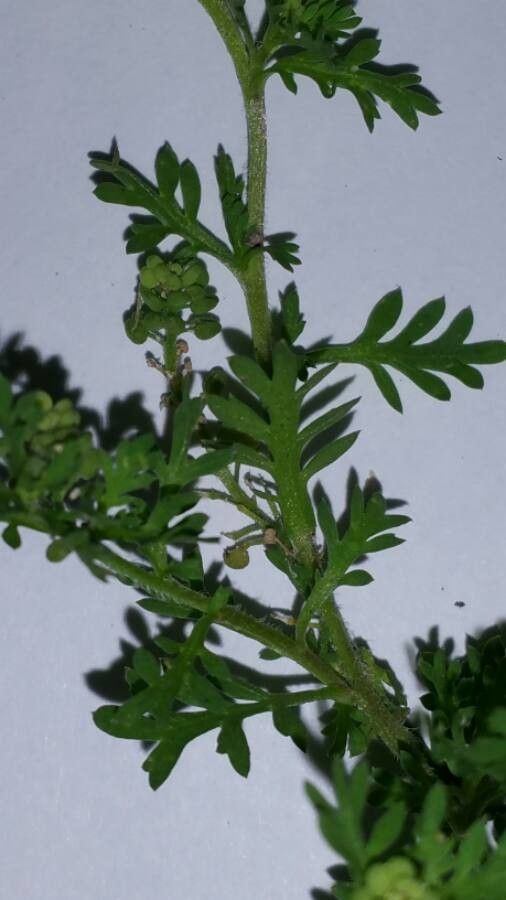
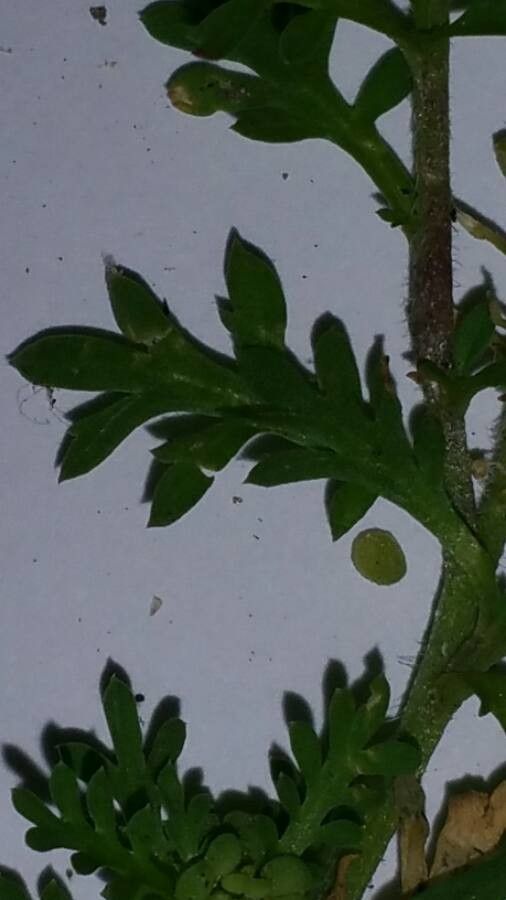
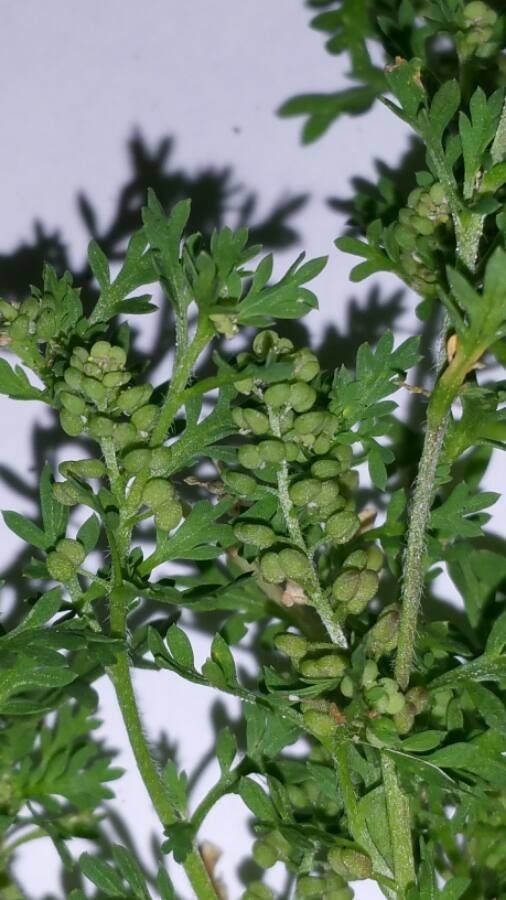
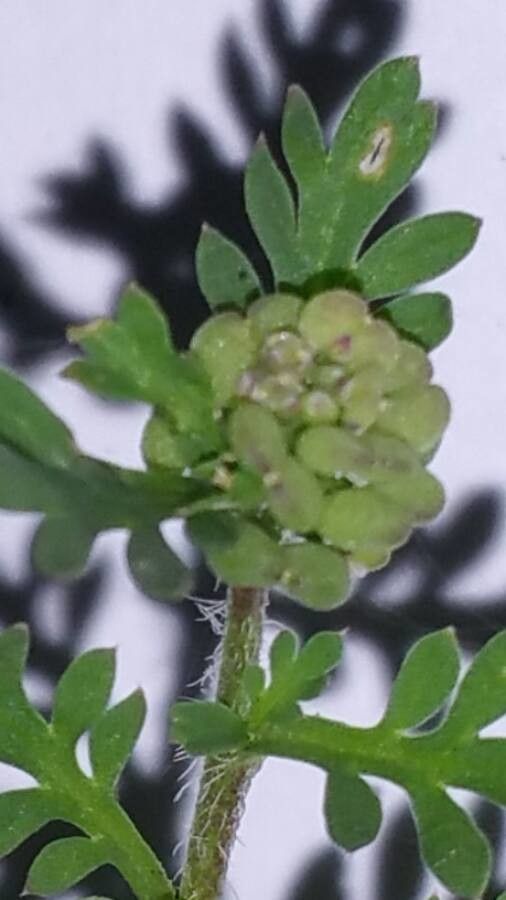
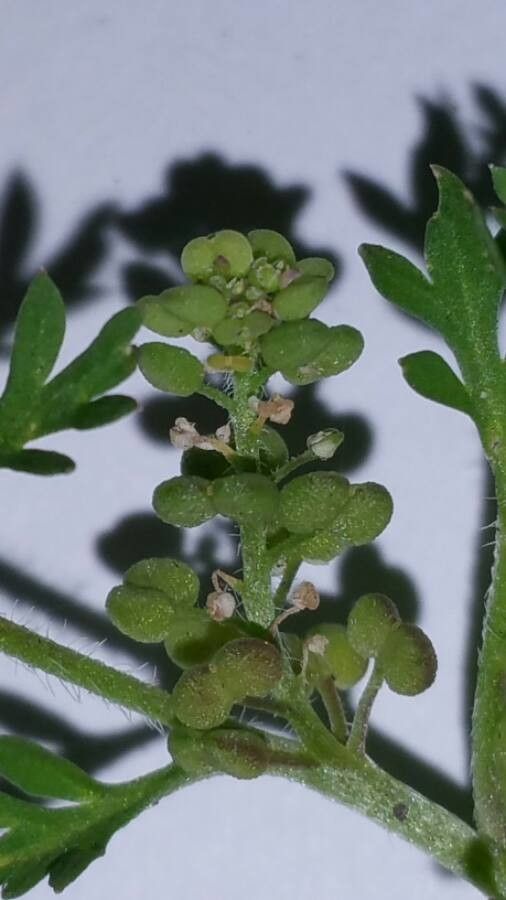
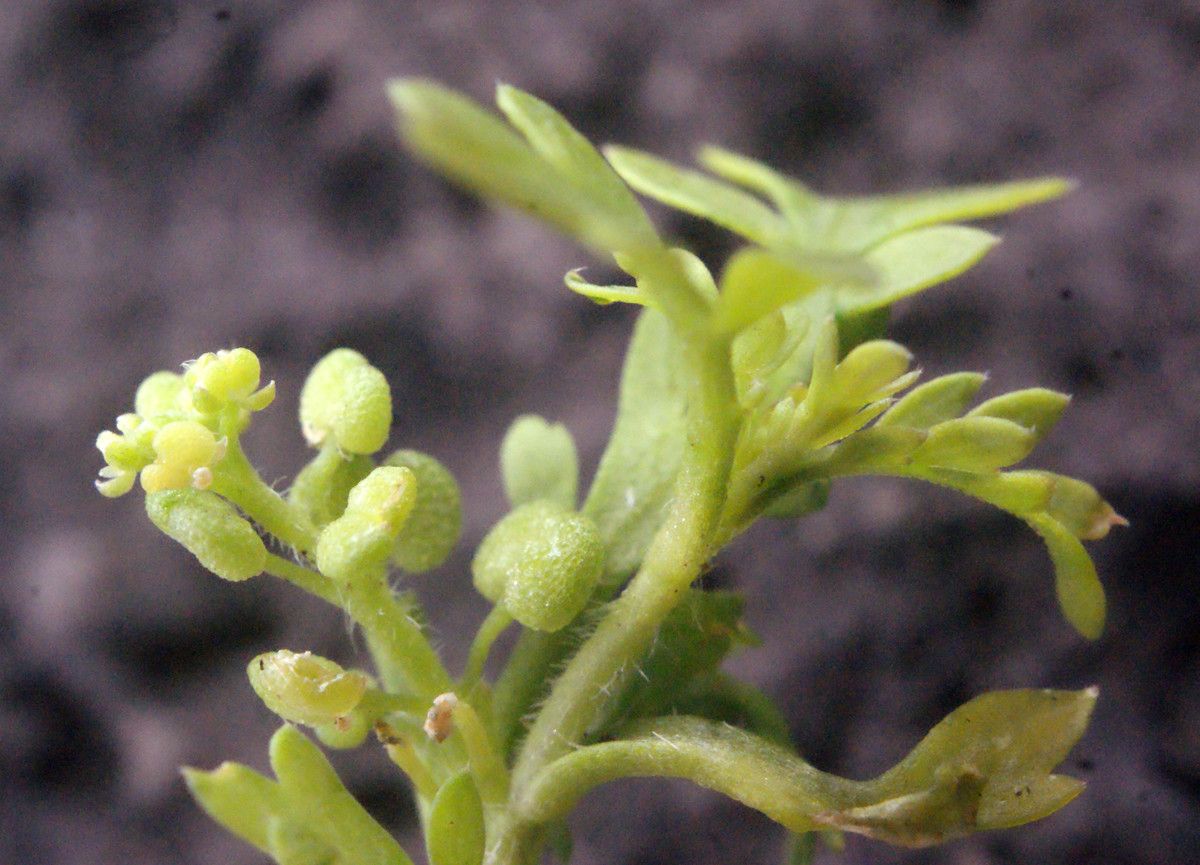
Lepidium didymum, the lesser swine-cress, is a species of flowering plant in the family Brassicaceae.
Lesser swine-cress has strong disease resistance and is generally not prone to illness. However, it can be affected by pests and diseases present in its environment. These infections are generally not serious. For care, this plant requires moderate maintenance. It should be pruned regularly to preserve a good appearance and support healthy growth. Fertilizing can also encourage flowering. Lesser swine-cress is suitable for anyone with outdoor space, such as a garden or patio, and does not demand extensive care experience. It may need increased attention when grown indoors.
How to keep Coronopus Didymus.
Light
Lesser swine-cress does best in locations that receive abundant sunlight throughout the day. It can also tolerate areas where sunlight is not continuous. However, reduced light can impair its growth and health, reflecting the habitat where it originally flourished, which had ample sunshine. Like other plants, both too much and too little sunlight can result in unhealthy conditions.
Temperature
Lesser swine‑cress is native to temperate habitats and prefers temperatures generally between 68 and 95 °F (20 and 35 °C). Seasonal temperature adjustments may be necessary to align with its natural cycle.
Fertilizer
Lesser swine-cress benefits from regular, light applications of fertilizer to encourage healthy leaf development. You should fertilize Lesser swine-cress about once a month during the summer months. Nitrogen is vital for foliage, and adding nitrogen-rich sources helps Lesser swine-cress thrive.
Botanical profile.
- Plant Type
- Herb
- Life Cycle
- Annual, Biennial
- Genus
- Coronopus
- Family
- Brassicaceae
- Hardiness Zone
- 8-10
- Mature Height
- 40 cm
- Mature Spread
- 20 cm
- Leaf Color
- Green
- Leaf Type
- Deciduous
- Flower Color
- White
- Flower Size
- 0.10 cm
- Bloom Time
- Mid spring, Late spring, Early summer
- Planting Time
- Spring
- Harvest Time
- Early summer, Mid summer
- Native Area
- Bolivia, Venezuela, Peru, Brazil, Ecuador, United Kingdom
Other names.