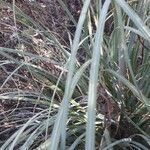
Cortaderia selloana
پامپاس گرس · علف پامپاس · Pampas-grass · Pampas · Uruguayan pampas grass
Description
Source: leafsnapCortaderia selloana, commonly known as Pampas grass, is an ornamental grass species native to South America. This perennial plant can reach heights of up to 3 meters and widths of 2 meters. Its long, narrow leaves, which can grow up to 2 meters in length, are green or bluish-green. Pampas grass produces large, feathery flower plumes that are creamy white or pinkish-white, blooming from late summer through early fall. These striking flowers can grow as tall as 3 meters. This hardy plant thrives in full sun and well-drained soil. While it requires moderate watering during the growing season, waterings should be more sparing in the winter months. Due to its striking appearance and low maintenance needs, Pampas grass has become a popular ornamental plant. However, it's important to note that it can be considered an invasive species in some regions, as it spreads rapidly through seed dispersal. Overall, Cortaderia selloana makes an attractive addition to gardens or landscapes with ample space for its growth. It also provides habitat for wildlife, such as birds that use the plumes for nesting material during breeding season.
🌳 Pampas grass, known for its tall clusters of pure white plumes, does more than simply decorate landscapes. During the mid-20th century, its fibrous plumes were used to pad fragile glassware during transportation. It is also used to enrich floral arrangements, lend realism to movie sets, and in South America it has a traditional role as a roofing thatch. Because it is hardy, it is employed in land rehabilitation to help prevent soil erosion.
🎭 Psychic abilities, protection. It represents food, concealment and resilience.
Care Guide
💧 Water Every 7 days
Pampas grass originates from the humid environments of South America, thriving in tropical conditions. It prefers consistent moisture, but it can also tolerate drought. For optimal growth, water pampas grass twice a week. Although it is commonly found outdoors, it can also enhance indoor decor with its lush appearance and robust root system.
What should I do if I give my Pampas grass too much or too little water?
Proper watering is essential for the health and performance of ornamental grass. When planted in the ground, any watering issues can generally be resolved. However, when Pampas grass is grown in a container, excessive or insufficient water can quickly lead to its demise. Insufficient water may cause the grass to stop growing, while overwatering can result in yellow leaves with brown tips. Underwatering can lead to drooping leaves, weak seed head production, and browned leaves. To determine whether your Pampas grass has been improperly watered, first identify whether it's getting too much or too little water. If it's receiving too much water, stop watering immediately and allow the soil to dry out. It may take some time, especially for heavy soils. Once new growth appears, check the soil moisture and decide whether additional water is necessary. On the other hand, if the grass is receiving insufficient water, simply provide a deep, thorough watering and observe if it improves. Remember that deep watering encourages the growth of deep roots, making the grass more resistant to drought and less affected by watering problems.
How many times should I water my Pampas grass?
The watering needs of Pampas grass depend on its location. In general, watering once a week is sufficient. However, in hot climates, watering once or twice a week during summer may be necessary. In moderate climates, watering once every seven days or more may be enough. Potted grasses need to be watered more frequently than grasses in the ground. Also, the amount of shade or sun the grass receives affects its watering needs. Shaded grasses require less frequent watering compared to grasses growing in the ground. It is important to water Pampas grass only when the soil is dry. To determine if the soil is dry, you can press your finger a couple of inches into the soil or weigh the potted grass with a portable scale. When the grass lacks sufficient water, its blades may appear folded and thinner than usual. Despite its drought tolerance, regular, deep waterings will result in beautiful color. Although Pampas grass is drought resistant, it still requires care and attention, and consistent watering yields the best results. When newly planted, Pampas grass needs more frequent water until it establishes deep roots. For potted grass, soil can dry out quickly, so it is important to check the soil every 3 to 4 days and water only when it feels dry. Pampas grass planted in the ground generally requires less watering, but this depends on the type of soil it is grown in. Heavy clay soils may feel dry at the surface but retain moisture below ground, while sandy soils that drain quickly will need more frequent watering.
What do I need to watch out for when watering my Pampas grass in different seasons, climates, or during different stages of growth?
To determine if you are watering your grass enough, look at its rate of growth. Pampas grass, for example, tends to double in size during the hottest months of the year. If it's not growing vigorously despite hot weather, you may need to adjust your watering schedule. In winter, you can likely water only once a month, but it's still a good idea to test the soil for moisture. Generally, during the warmest months when the grass is actively growing, it will require more water. However, in winter and cooler months, the water needs will be significantly lower. Keep in mind that Pampas grass should always be allowed to dry out completely before watering again.
☀️ Light Full sun
Pampas grass does best when it gets a strong amount of sunlight each day, though it can tolerate moderate light levels. In the wild, this plant enjoys plentiful sun on most days. Excessive or insufficient light can harm its growth, causing leaf discoloration and reducing flower development.
What are the sunlight requirements for Pampas Grass?
Pampas grass requires full sun, meaning it thrives in locations that receive over 6 hours of sunlight daily. It can also tolerate partial sun, which refers to about 3-6 hours of sunlight each day. It's important to observe the movement of sunlight through your garden to find the ideal balance of light and shade for the plants, ensuring they grow healthy and happy.
How does sunlight affect the growth of Pampas Grass?
Pampas grass performs best when it's exposed to a significant amount of sunlight each day, although it can manage with moderate sunlight levels as well. In its natural habitat, it enjoys ample sunshine on most days. Proper sunlight exposure is crucial; too much or too little sunlight can lead to growth impairment, leaf discoloration, and can inhibit flower development.
What to do if natural sunlight is insufficient for indoor Pampas Grass?
For indoor Pampas Grass, if natural sunlight is insufficient, especially in winter or less sunny locations, artificial lighting can be a valid alternative to promote faster, healthier growth. LED lights are recommended as they can be adjusted to provide specific wavelengths beneficial for plant growth. Full sun plants should receive 30-50W/sq ft of artificial light, partial sun plants 20-30W/sq ft, and full shade plants 10-20W/sq ft. The light source should be 12-36 inches above the plant, mimicking natural sunlight, and plants most often need 8-12 hours of light per day.
What are the symptoms of insufficient light in Pampas Grass?
Symptoms of insufficient light in Pampas Grass include smaller new leaves, leggy or sparse growth, faster leaf drop, slowed or no new growth, pale or irregularly colored new leaves, chlorosis, sunscald, leaf curling, wilting, and leaf scorching. These symptoms indicate the plant may not be getting the appropriate amount of sunlight needed for optimal growth.
How can I ensure my Pampas Grass receives adequate light?
To ensure your Pampas Grass receives adequate light, gradually move your plants to sunnier locations each week, aiming for at least 6 hours of direct sunlight daily. If indoors, place them near a south-facing window and keep curtains open during the day. For large or immovable plants, consider supplementing with artificial light for at least 8 hours a day. Outdoors, avoid sudden changes in light intensity to prevent sunburn. Reduce obstructions by pruning or transplanting to sunnier locations with good drainage. Remember, parts of the plant that suffered from insufficient sunlight may not recover, but new growth should be healthy with improved light exposure.
🌡️ Temperature 15–35°C
Pampas grass comes from cooler-climate areas and does best at temperatures between 68 and 95 °F (20 and 35 ℃). In hotter seasons, providing some shade is recommended to keep conditions within that temperature range.
What are the ideal temperature conditions for growing Pampas Grass?
Pampas grass is ideally suited to cooler climatic regions, flourishing in temperatures ranging from 68 to 95°F (20 to 35°C). During hotter seasons, it's recommended to provide some shade to keep temperatures within this ideal range. Although Pampas grass has some tolerance to cold, generally surviving above 0°C without issue, precautions should be taken if temperatures are expected to dip below freezing. This includes wrapping the plant in materials like plastic film or fabric for cold protection, which should be removed once temperatures rise.
How does low temperature affect Pampas Grass and what measures can be taken?
Pampas grass demonstrates moderate tolerance to low temperatures, thriving best when kept above 20°C. Once temperatures fall below 0°C, the plant should be protected, and if temperatures plummet below -10°C, the leaves may droop. Mild drooping can recover, but severe cases lead to wilting and leaf loss. When facing low temperatures, trimming frost-damaged parts and wrapping the plant with non-woven fabric or cloth, along with constructing a wind barrier, are effective solutions for protection.
What impact does high temperature have on Pampas Grass, and how can you protect it?
In summer, Pampas grass should ideally be kept below 35°C to avoid stress. Temperatures exceeding 41°C can lead to lighter leaf color, dry and withered leaf tips, curling leaves, and increased susceptibility to sunburn. To protect the plant, trim away sunburned and dried-up parts, move it to a shaded location or use a shade cloth to reduce direct sunlight, especially during midday and afternoon. Ensuring the soil remains moist with morning and evening watering will also help the plant during high temperatures.
💨 Humidity normal (40-60%)
This plant will thrive in moderate humidity, which is probably the level in your home. However, misting it a few times a week can be very beneficial. Make sure the room has good ventilation.
🪴 Soil 6-7
🌱 Fertilizer
Pampas grass needs extra nutrients to encourage healthy new growth. In spring, spreading compost around the base of the plant can effectively supply the nutrition it requires. Fertilizing supports vigorous growth and helps the plant resist diseases and pests.
Why do I have to put fertilizer on my Pampas grass?
Fertilizing Pampas grass is important for a few reasons. Firstly, it provides your plant with the additional nutrients it needs to grow new, healthy shoots. Secondly, these extra nutrients support the overall health of existing growth, and can even help protect against diseases and pests.
When should I fertilize my Pampas grass for the best results?
To ensure the survival of Pampas grass in the garden, understanding when to fertilize is crucial. This grass does not require a lot of nutrients, especially when it is dying back. Instead of applying diluted fertilizer at the beginning of the growing season, it is better to opt for mulch or compost around the plant's base.
When is the best time to not fertilize my Pampas grass?
If you're not using packaged fertilizers, you don't need to worry about when to stop feeding Pampas grass. Simply adding a layer of compost or mulch in the spring will suffice to keep the grass happy all year round. During the winter, when the plant is dormant, there's no need to concern yourself with mulching or composting.
What kind of fertilizer does my Pampas grass require?
Instead of rushing to the garden center for fertilizer, you can simply lay down compost in the spring to provide the necessary nutrients for pampas grass. If you regularly mulch your garden, the bark will also help to keep the plant well-nourished and content.
How should I give nutrients to my Pampas grass?
When using mulch or compost for Pampas grass, follow the same steps. Begin by laying down a layer of the material, ensuring it covers the base of the plant. If you decide to use both mediums, reduce the amount of compost. Adding a layer of mulch serves two purposes: keeping the soil moist and providing nutrients to the plant.
🪴 Pot & Repot 2-3 years
When repotting Pampas grass, choose a pot 1-2 inches (2.5–5.1 cm) larger with ample drainage. Use a well-draining potting mix. Repot in spring or fall, ensuring that the root ball is slightly lower than the rim of the flower pot. Water thoroughly after repotting and place in a warm spot with indirect sunlight.
✂️ Pruning
Pruning should be done once a year to keep the area clean and to encourage new growth. In the late winter or early spring, prune these grasses right to the ground. Be sure to wear protective gear, as the blades of grass are very sharp. Gloves, eye protection, and long pants and sleeves are important.
🌿 Propagating
🐛 Diseases & pets
☠️ Toxicity
Characteristics
- Plant Type
- Grass
- Life Cycle
- Perennial, Annual
- Genus
- Cortaderia
- Family
- Poaceae
- Hardiness Zone
- 8-10
- Mature Height
- 2.13 m to 3.05 m
- Mature Spread
- 0.91 m to 1.22 m
- Leaf Color
- Green, Blue, Yellow, Gray, Variegated
- Leaf Type
- Evergreen
- Flower Color
- White, Silver, Pink, Cream, Yellow, Purple
- Flower Size
- 30.48 cm
- Bloom Time
- Mid summer, Late summer, Early fall
- Planting Time
- Spring, Summer
- Harvest Time
- Early spring, Fall, Winter
- Native Area
- Brazil, Uruguay, Chile, Argentina