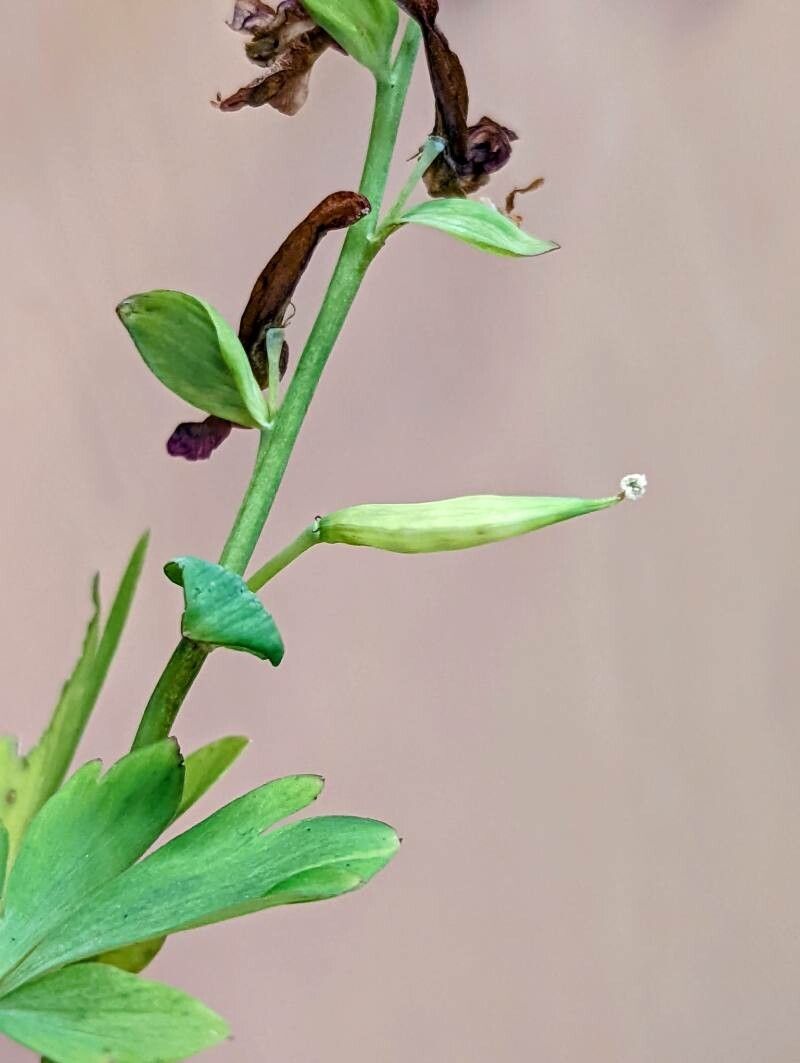
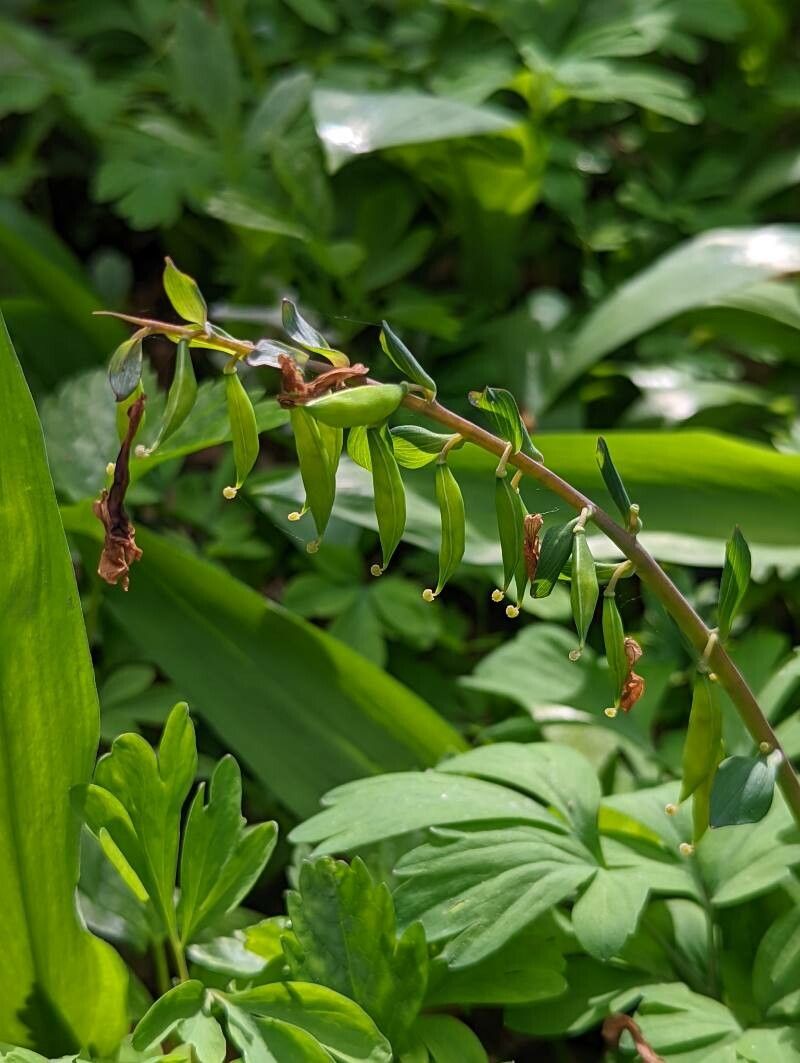
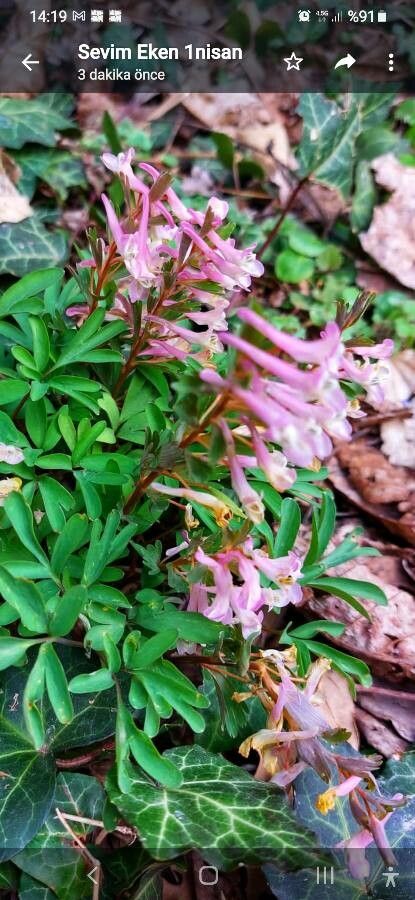
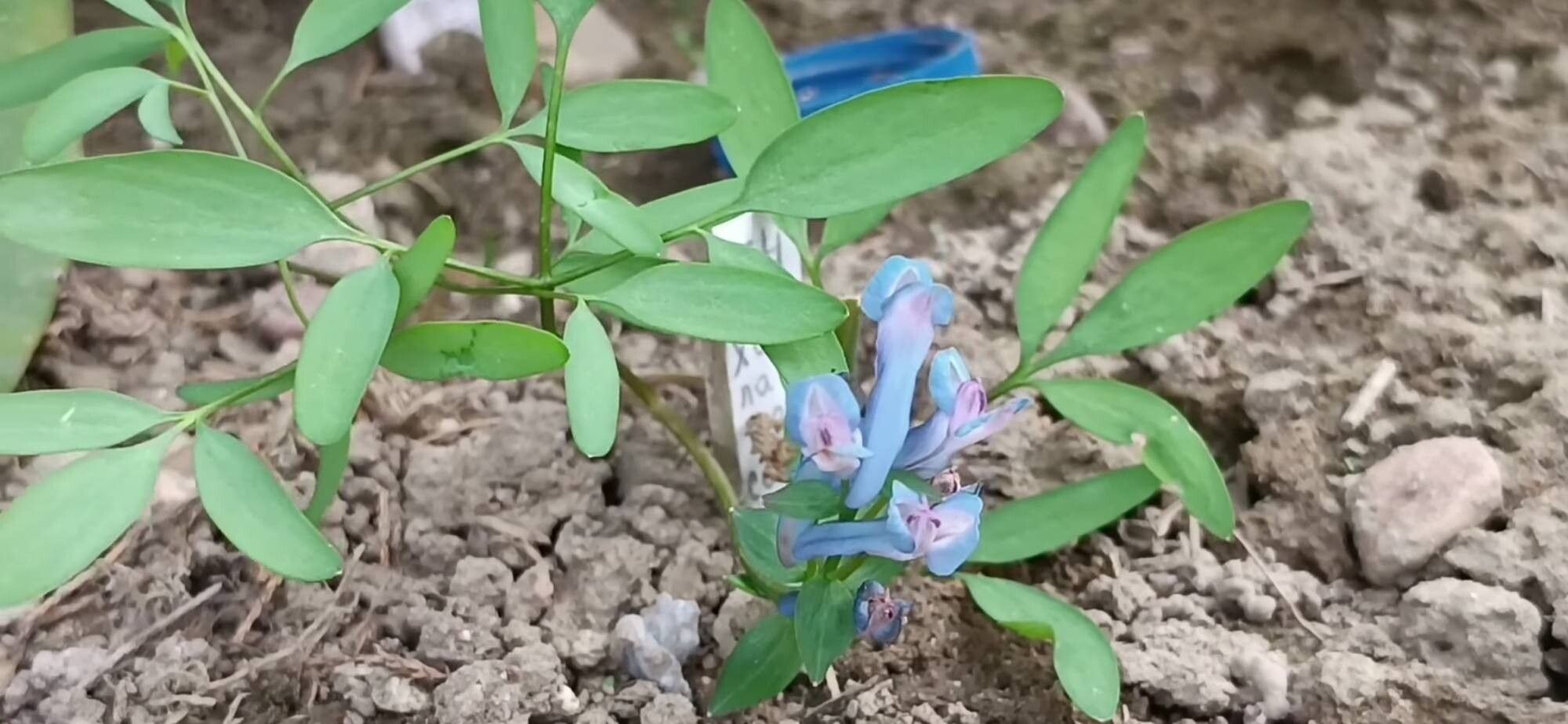
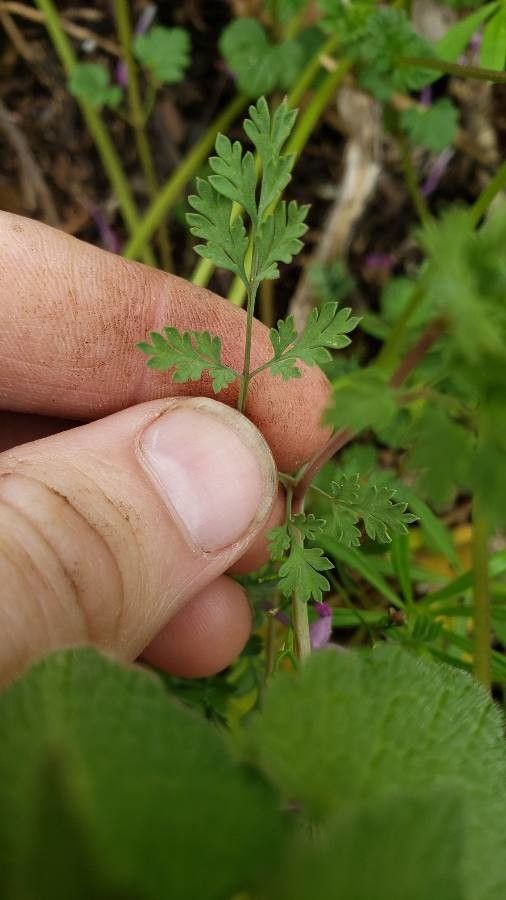
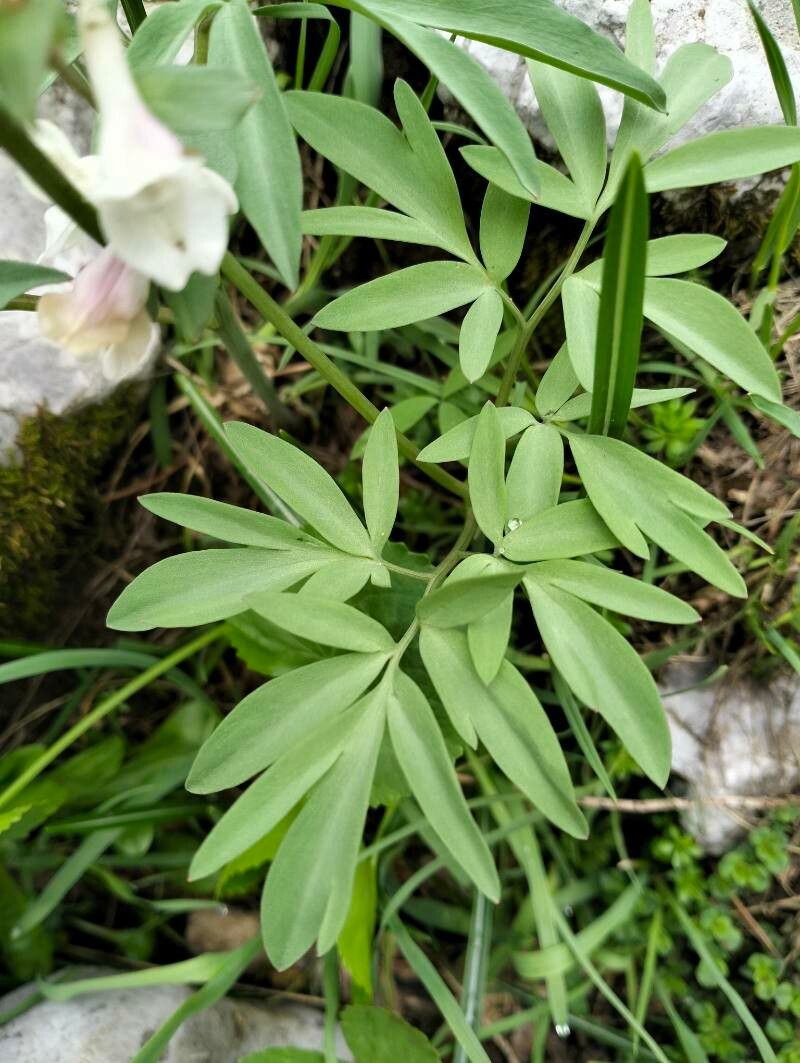
Corydalis cava is a species of flowering plant in the family Papaveraceae, native to moist, shady, woodland habitats throughout most of mainland Europe, although commonest in central and southeast Europe. Its range extends from Spain in the west to Ukraine, Belarus and the Caucasus in the east and as far north as Sweden. It is absent from (though may sometimes be found in a naturalised state in) Iceland, the UK, the Netherlands, Norway, Finland, Russia and Greece.
Hollowroot shows strong disease resistance and is generally unlikely to develop illnesses. However, it can be vulnerable to pests and diseases present in its environment. These problems are typically not serious. For care, this plant needs moderate maintenance. It should be pruned regularly to keep a neat appearance and support healthy growth. Fertilizing can also encourage it to flower. Hollowroot is appropriate for anyone with outdoor space, such as a garden or patio, and does not demand extensive care experience. It may need more attention when cultivated indoors.
How to keep Corydalis Cava.
Light
Hollowroot thrives in settings that are not completely exposed to sunlight, yet it can also endure growth in somewhat shaded spots. A shortage of sunlight may slow its growth but won't significantly harm its overall health. Characteristics of its native habitat reveal that the species can adapt to a variety of light conditions.
Water
Hollowroot is native to European deciduous woodlands, where it thrives in moist, well-drained soil. It prefers consistent moisture and requires weekly watering but can tolerate short dry spells. As an herbaceous perennial, hollowroot enters dormancy after flowering, requiring minimal water during this time.
Temperature
Hollowroot is native to habitats with temperatures ranging from 41 to 95 °F (5 to 35 ℃). It does best in those conditions and often struggles to adapt to extreme temperatures. Consequently, seasonal care may require providing adequate shade on hotter days to keep the plant comfortable.
Fertilizer
For Hollowroot, the best time to apply fertilizer is early spring when the flowers are forming. The proper fertilizer promotes improved blooms and helps Hollowroot produce attractive flowers. Fertilizing in early spring ensures strong flowers during the season and supplies energy for dormant growth phases.
Pruning
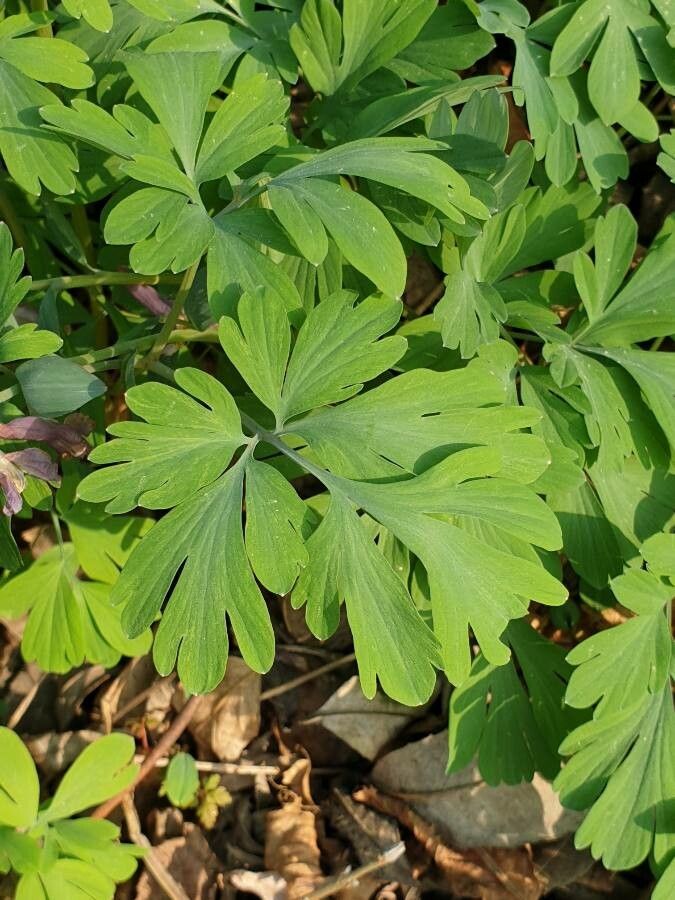
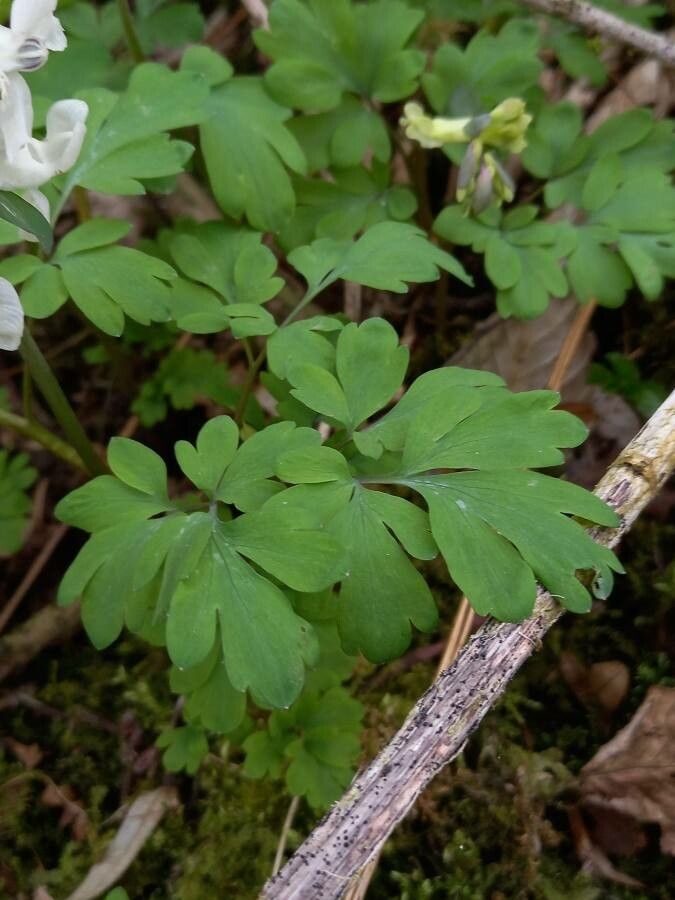
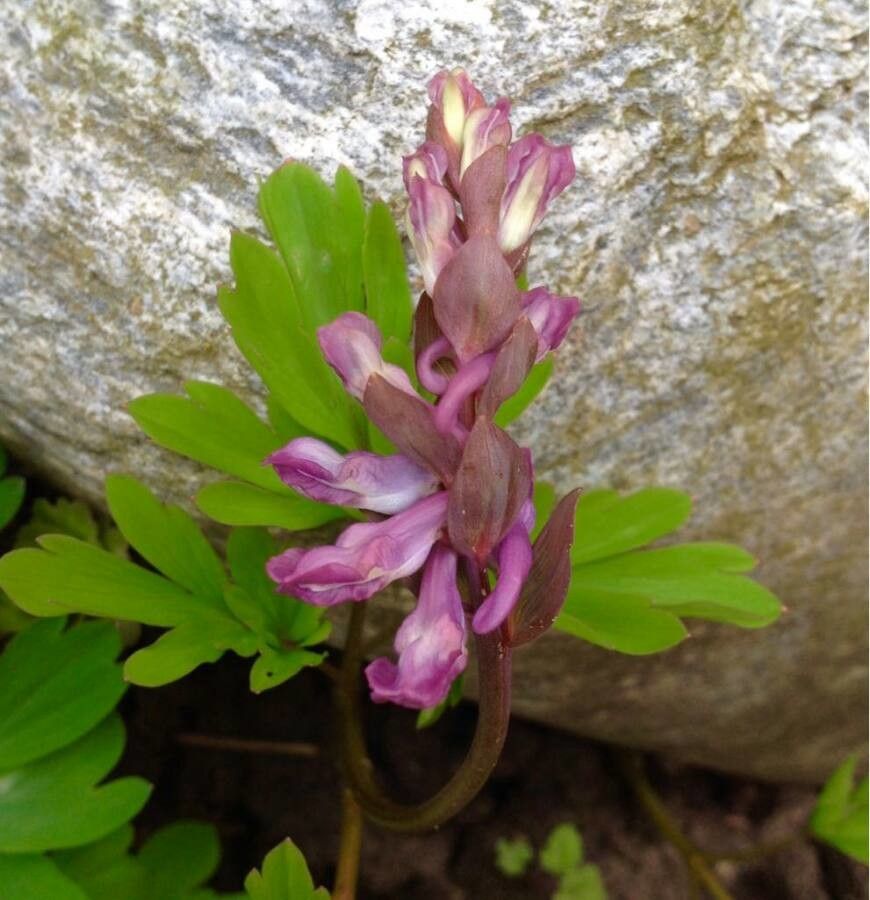
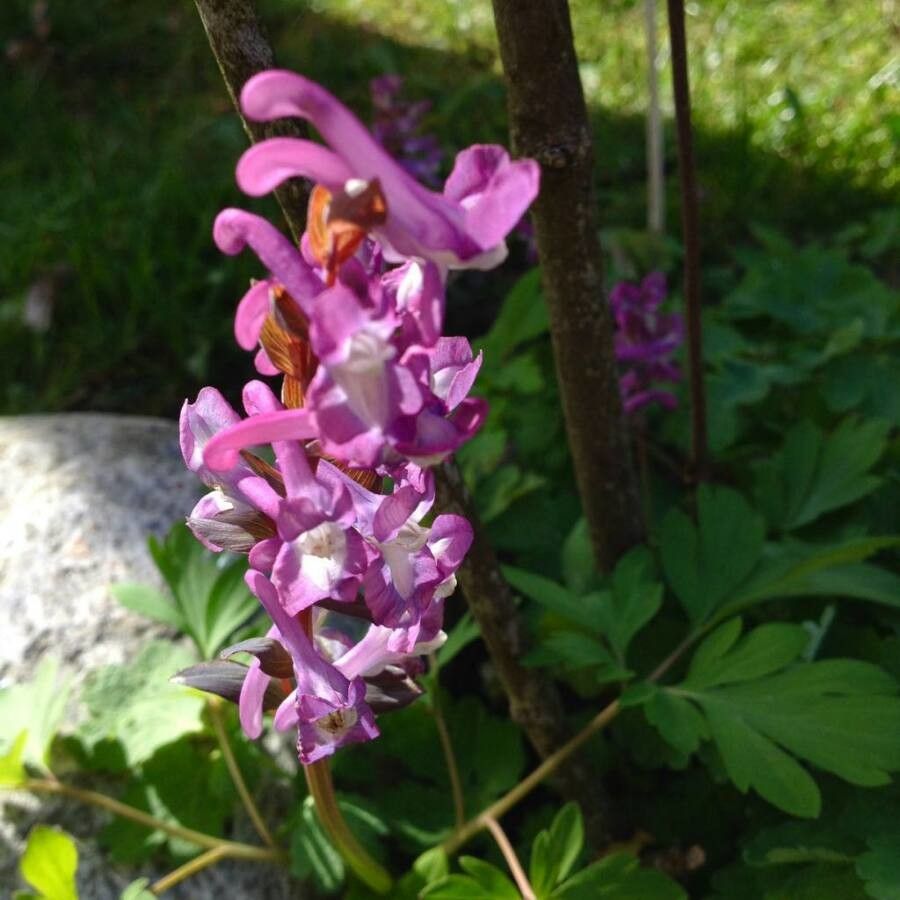
Hollowroot has tubular flowers and leaves that resemble ferns. To encourage growth and reduce disease, cut the stems down to ground level after flowering, from early to late spring. Regularly remove wilted flowers and trim any damaged parts to improve air circulation and prepare the plant for blooming next season.
Botanical profile.
- Plant Type
- Herb
- Life Cycle
- Perennial
- Genus
- Corydalis
- Family
- Papaveraceae
- Hardiness Zone
- 5-9
- Mature Height
- 10 cm
- Mature Spread
- 20 cm
- Leaf Color
- Green
- Leaf Type
- Deciduous
- Flower Color
- Purple, White
- Flower Size
- 2.54 cm to 5.08 cm
- Bloom Time
- Spring
- Planting Time
- Spring, Summer, Autumn
- Harvest Time
- Late spring, Early summer, Mid summer
- Native Area
- Turkey, Sweden, Austria, Czech Republic, Slovakia, Montenegro, Bulgaria, Armenia, Poland, Greece, Croatia, Slovenia, Belarus, Ukraine, Serbia, Russia, Lithuania, Hungary, Germany, Italy, Spain, Switzerland, Denmark, Netherlands, France, Iran, Azerbaijan, Romania, Latvia, Portugal
Other names.
Reader questions.
How should I water my Hollowroot plant?
To ensure the health of the Hollowroot, it is recommended to water it with filtered water at room temperature. Tap water may contain harmful particles that could negatively affect the plant. Since the Hollowroot originates from a warm climate, using cold water can be a shock to its system. It is also advised to avoid overhead watering, as this may lead to issues with the foliage. Instead, it is best to apply the filtered room temperature water directly to the soil until it is completely soaked. Doing so helps the plant by keeping the roots moist and aiding in their spread through the soil, allowing them to gather necessary nutrients.
Why should I add fertilizer to my Hollowroot plant?
Fertilization is important for the Hollowroot and other plants because it provides essential nutrients for growth. Although the Hollowroot has relatively low fertilization needs and may survive without it, annual fertilization can greatly benefit the plant. It helps keep the plant alive and promotes the development of longer-lasting flowers. Therefore, those who want to ensure their Hollowroot looks its best should regularly fertilize it.
What are the sunlight requirements for Hollowroot?
Hollowroot requires specific sunlight conditions to thrive. It prospers in environments that are not fully exposed to sunlight and can withstand growth in somewhat shadowy places. The plant needs about 3-6 hours of sunlight for partial sun conditions and less than 3 hours of sunlight for full shade conditions. Observing how sunlight moves through your garden and selecting spots that offer a balance of light and shade is crucial for the plant's happiness. Lack of adequate sunlight may slow its growth but typically won't severely affect its health.
What are the ideal temperature conditions for growing Hollowroot?
Hollowroot is native to environments where the temperature ranges from 41 to 95 °F (5 to 35 °C). It thrives best within these specific conditions and often struggles to adjust in temperatures outside of this range. While Hollowroot possesses strong cold resistance, rendering special frost protection measures usually unnecessary, it's important to provide adequate shade during hotter days to ensure the plant's comfort. In anticipation of winter temperatures dropping below -25°C, protective steps should be taken by covering the plant with insulating materials such as soil or straw. Additionally, before the first freeze, it's recommended to water the plant abundantly, so the soil remains moist and enters a frozen state, which helps prevent drought and water scarcity for the plant during winter and early spring.
What should I do if I give my Hollowroot plant too much water or not enough water?
Overwatering is a common issue for Hollowroot plants, which can cause wilting, yellowing, and diseases like root rot, mold, and mildew. It's crucial to notice these signs early and reduce watering. Poorly draining soil should be replaced with a loose, well-draining potting mix. Underwatering is less common but can result in brittle, brown leaves. To remedy this, simply water more regularly until the signs of dehydration disappear.
What is the right time to fertilize my Hollowroot plant?
The best time to fertilize a Hollowroot is in the late winter to early spring. This is when the plant is coming out of dormancy and starting to grow actively. Fertilizing at this time promotes healthy growth and sets the plant up for a great season. While it's generally recommended to fertilize in the early spring, it is also acceptable to fertilize in the fall. However, it's not recommended to fertilize in the summer or winter.
What artificial lighting is needed for indoor Hollowroot plants?
Indoor Hollowroot plants require adequate lighting for optimal growth, especially when natural sunlight is insufficient, like in winter or less sunny spaces. Artificial lights, such as LEDs, can provide the necessary wavelengths for the plants. For full sun plants, 30-50W/sq ft of artificial light is required, partial sun plants need 20-30W/sq ft, and full shade plants need 10-20W/sq ft. The light source should be placed 12-36 inches above the plant and turned on for 8-12 hours per day to mimic natural daylight hours.
How does Hollowroot react to low temperatures, and what are the solutions?
Hollowroot is cold-tolerant and manages well when temperatures are kept above 5°C. However, during winter, it should remain above -20°C. When temperatures fall below -25°C, there may not be any noticeable changes to the plant during winter, but there's a risk of decreased sprouting or no sprouting at all come spring. If after winter, parts of the Hollowroot fail to sprout, the solution is to remove these non-sprouting parts in spring to help the plant recover and promote new growth.
How frequently should I water my Hollowroot?
If your Hollowroot plant is in a pot, the most precise way to determine if it needs water is to stick your finger into the soil. If the top two to three inches of soil feel dry, it's time to water it. If you grow your Hollowroot outdoors in the ground, you can use the same method to test the soil. Once again, if the top few inches of soil have dried out, it needs watering. Typically, during spring and early fall, watering once a week should be sufficient. However, during extremely hot weather, you may need to increase watering to twice a week or more. It's worth noting that mature, well-established Hollowroot plants can handle drought conditions well.
When is a bad time to fertilize my Hollowroot?
To properly care for your Hollowroot plant, it is best to fertilize it only during late winter and early spring. This is because the plant has low fertilization needs, so a single feeding during this time period is enough. Overfertilizing in spring, summer, and fall can cause complications, except if you didn't fertilize in spring, it is acceptable to feed the plant in fall. Additionally, it is not necessary to fertilize during winter as the Hollowroot enters a dormant phase where new growth does not occur.
What are the symptoms of light deficiency in Hollowroot?
Hollowroot exhibits several symptoms when it experiences light deficiency, including smaller new leaves, leggy or sparse growth, faster leaf drop, and slower or no new growth. These signs indicate the plant is struggling with insufficient light, either producing pale, lighter-colored new leaves due to a lack of chlorophyll and essential nutrients, or suffering from conditions like chlorosis, sunscald, leaf curling, wilting, and leaf scorching. These symptoms demonstrate the plant's difficulty in adapting to its light conditions.
What should be done if Hollowroot experiences high temperatures?
During the summer months, Hollowroot should ideally be kept below 35°C. Exceeding 38°C can cause the plant's leaves to lighten in color, become prone to curling, and in severe cases, may lead to wilting and drying out of the plant due to sunburn. To mitigate these effects, any sunburned or dried-up parts should be trimmed away. Moving the plant to a location that provides shade during the midday and afternoon or utilizing a shade cloth can protect the plant from excessive sun exposure. Additionally, watering Hollowroot in the morning and evening will help keep the soil moist and support the plant’s health during high temperatures.