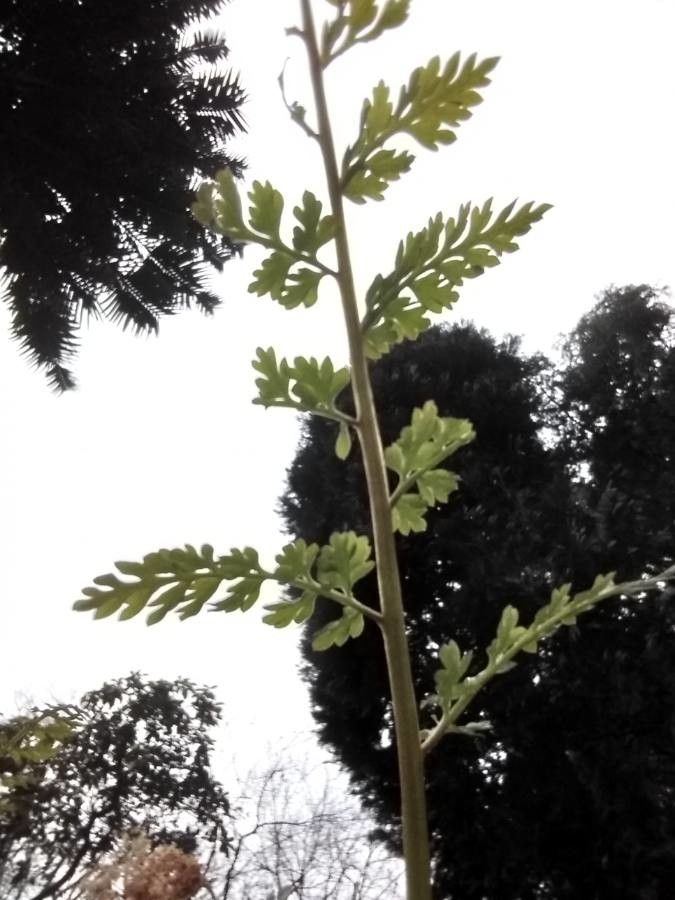
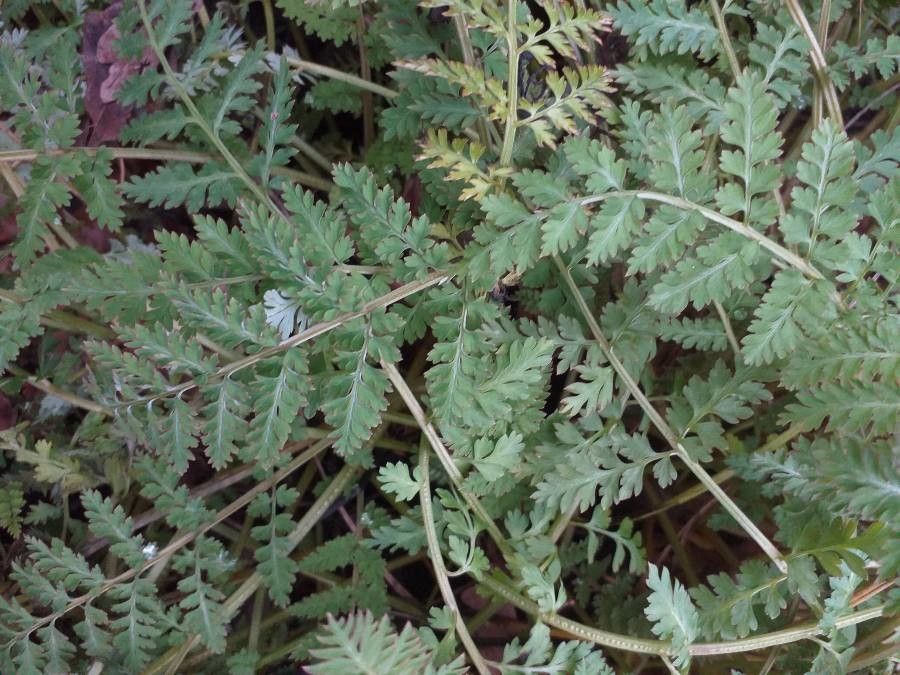
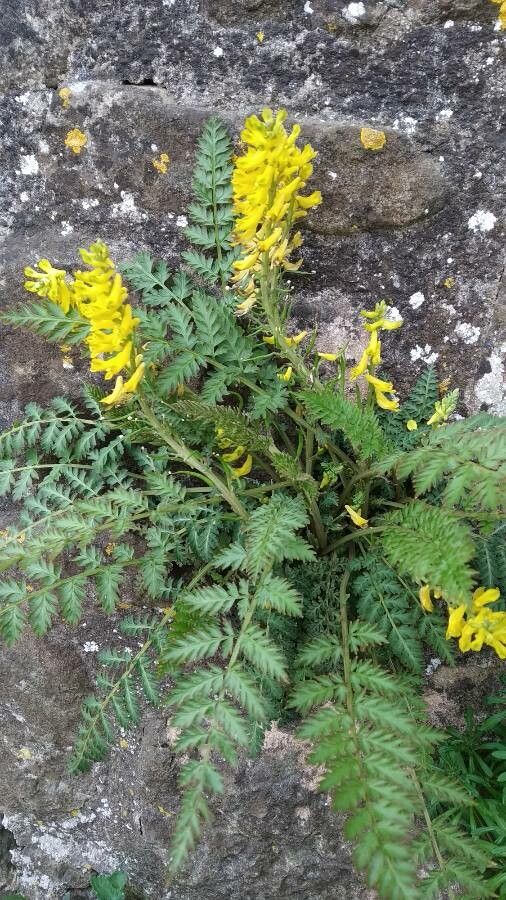
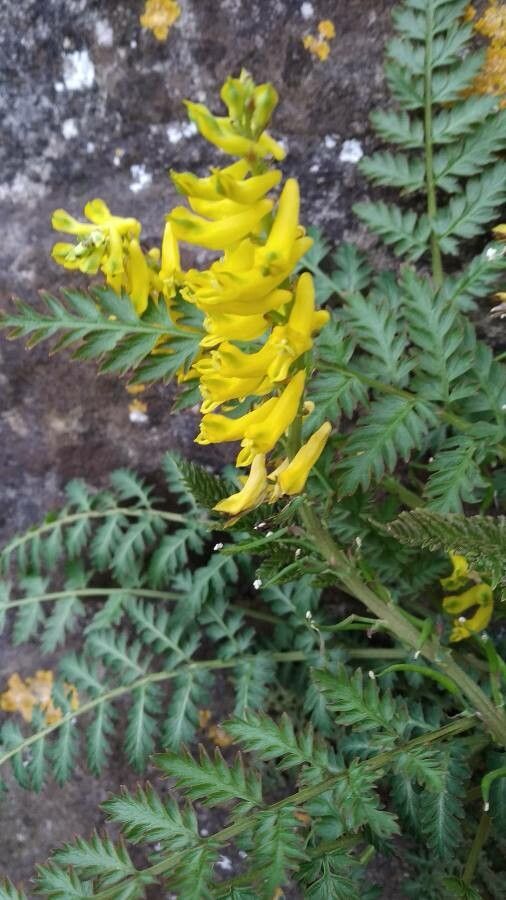
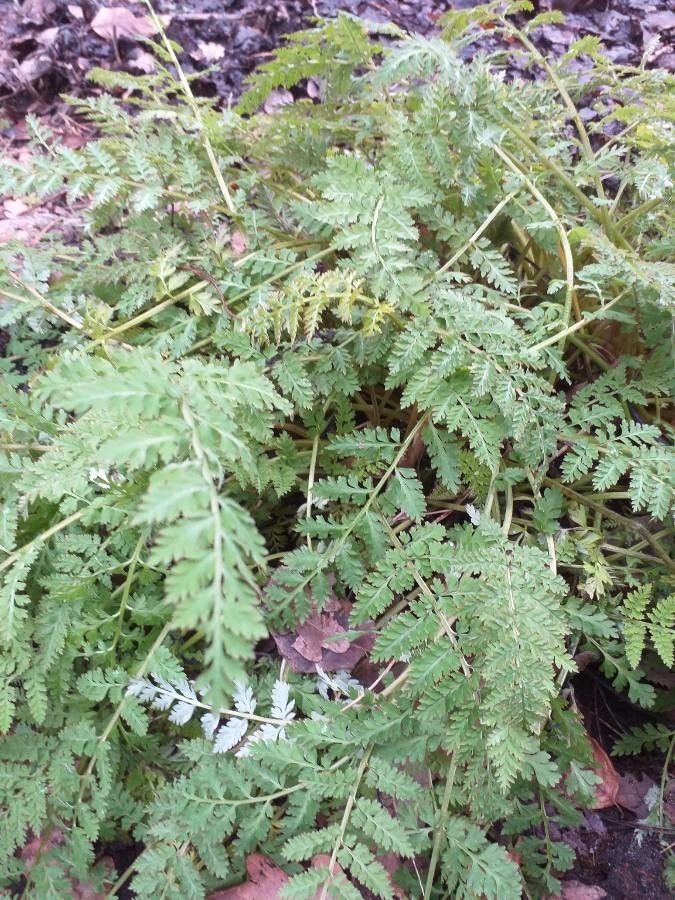
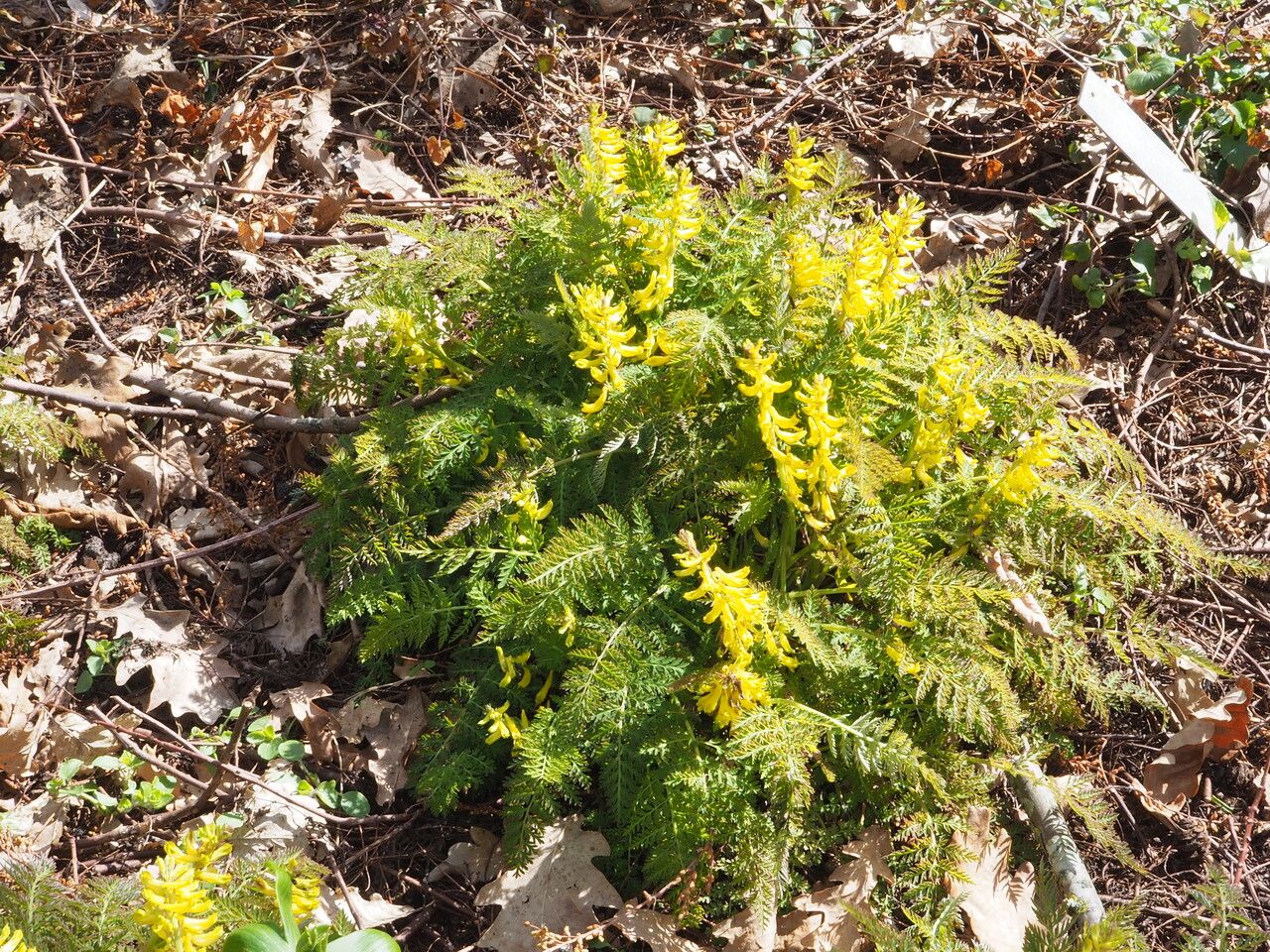
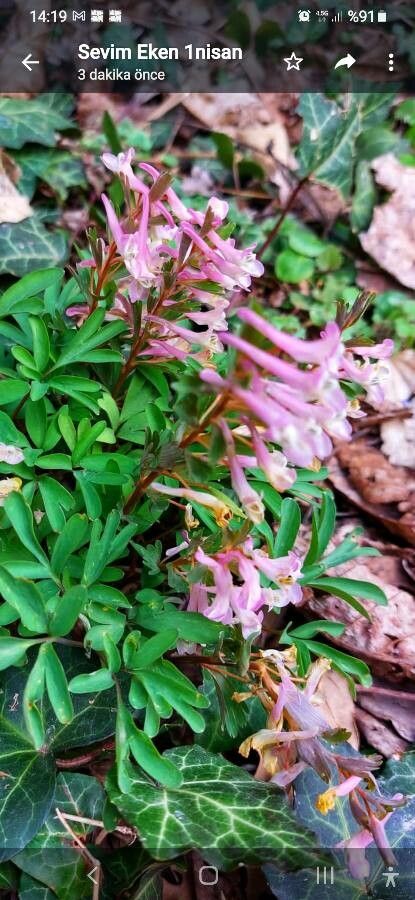
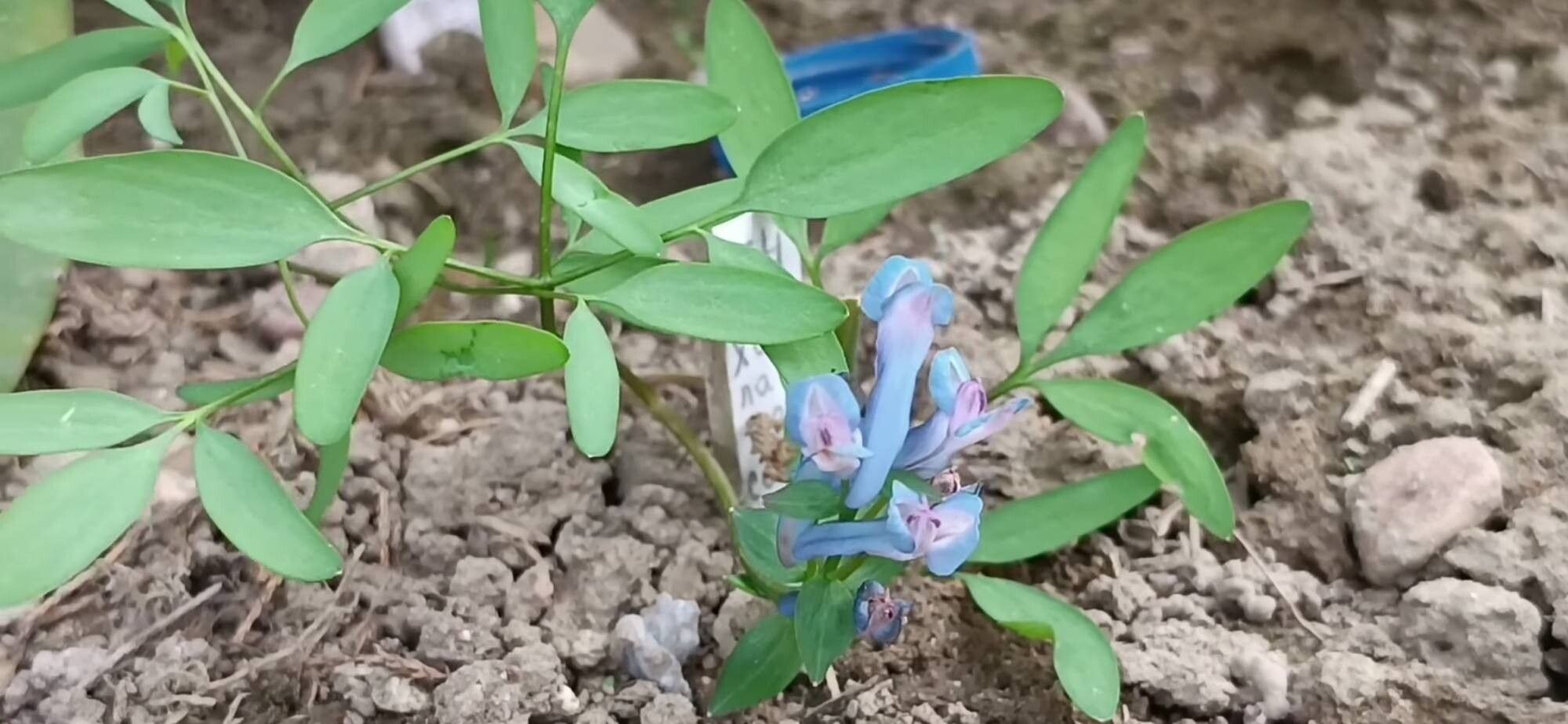
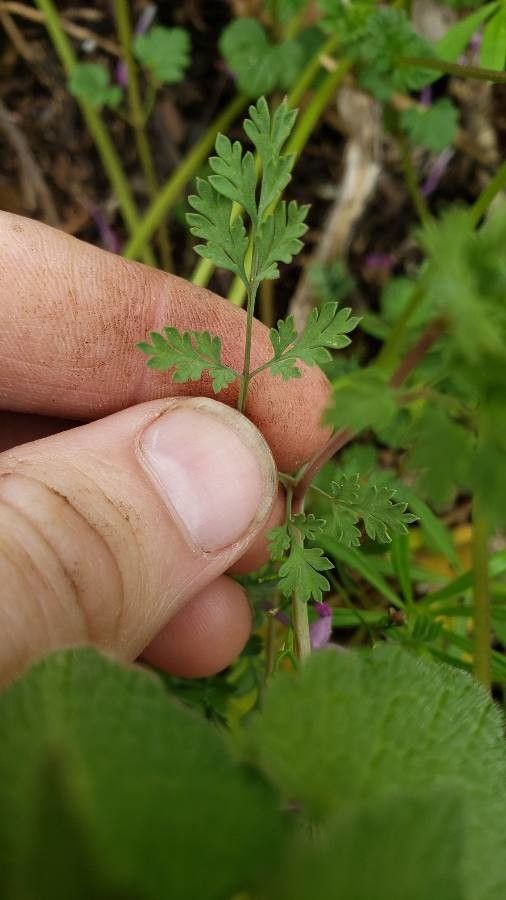
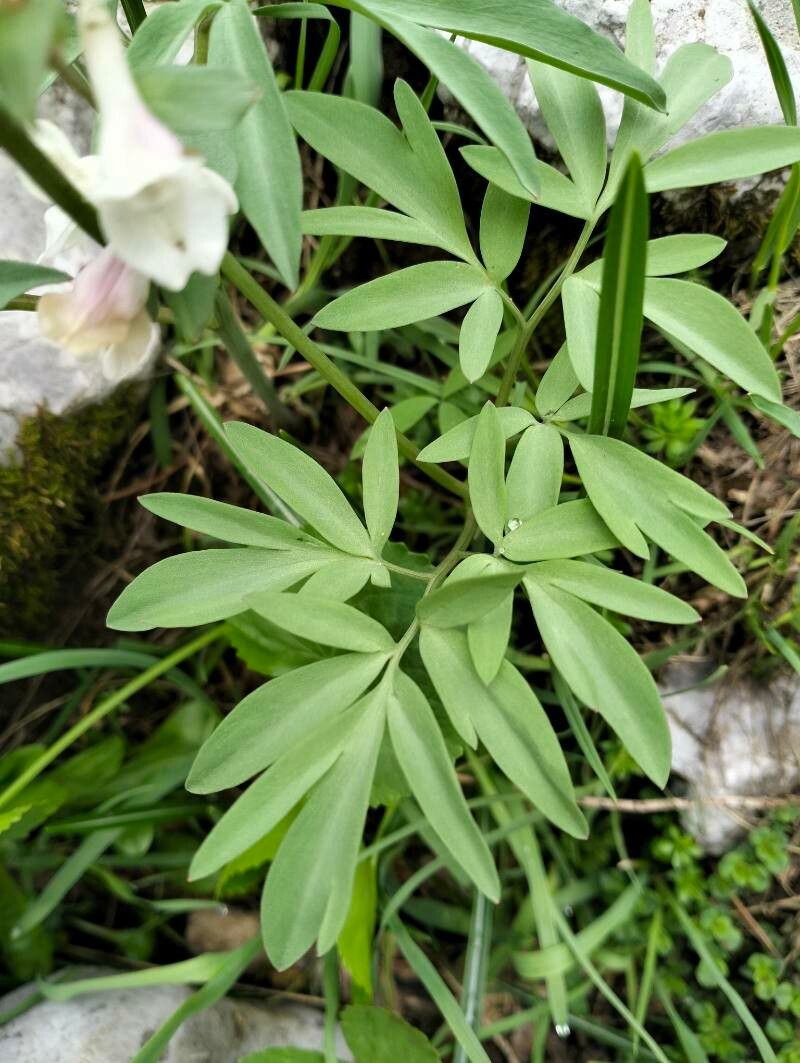
Corydalis cheilanthifolia, the fern-leaved corydalis or fern-leaf corydalis, is a perennial growing from rhizomes, native to western and central China.
Fern-leaved corydalis is fairly disease-resistant and typically does not suffer from many illnesses. Still, it can be vulnerable to pests and diseases found nearby, though such infections are generally mild. Regarding maintenance, the plant needs a moderate level of care. Regular pruning is necessary to preserve its appearance and encourage healthy growth. Applying fertilizer can also support better flowering. This plant is well suited to anyone with an outdoor area like a garden or patio and does not demand extensive gardening experience. It can, however, need more attention if cultivated indoors.
How to keep Corydalis Cheilanthifolia.
Light
Fern-leaved corydalis is native to habitats like forest understories and rocky areas, where it occurs in natural shade. It favors partial sun but can tolerate both full sun and full shade, demonstrating its versatility and hardiness.
Water
Fern-leaved corydalis thrives in conditions of moderate humidity and needs to be watered once a week. It originates from regions with regular rainfall and has a moderate ability to withstand drought. Being a deciduous plant, it loses its leaves during dormancy, which makes it well-suited for various indoor environments.
Temperature
Fern-leaved corydalis can tolerate a wide range of temperatures, though its distribution may still be constrained by particular combinations of moisture and heat. It performs best in warm summer conditions with sufficient rainfall or irrigation. Extended periods of cloudy, rainy weather or prolonged high temperatures can raise the chance of Fern-leaved corydalis dying. In winter, adequate protection from the cold can enhance the plant's survival.
Fertilizer
For Fern-leaved corydalis, the primary time to fertilize is in early spring when the flowers are beginning to form. The proper fertilizer promotes stronger blooms and helps Fern-leaved corydalis produce attractive flowers. Applying fertilizer in early spring ensures good flowering during the season and supplies energy for dormant growth phases.
Pruning
Fern-leaved corydalis showcases fern-like leaves and yellow flowers. To encourage growth, prune the plant in early spring or late winter by removing dead stems and spent blooms. Regular pruning not only keeps the plant healthy but also prevents overcrowding. For the best results, always use clean, sharp tools.
Botanical profile.
- Plant Type
- Herb
- Life Cycle
- Perennial
- Genus
- Corydalis
- Family
- Papaveraceae
- Hardiness Zone
- 5-8
- Mature Height
- 30 cm
- Mature Spread
- 25 cm
- Leaf Color
- Light Green, Pale Green
- Leaf Type
- Evergreen
- Flower Color
- Yellow
- Flower Size
- 2.54 cm
- Bloom Time
- Spring
- Planting Time
- Spring, Summer
- Harvest Time
- Late spring, Early summer, Mid summer
- Native Area
- China
Other names.
Reader questions.
How should I water my Fern-leaved corydalis?
To properly water the Fern-leaved corydalis, use filtered water that is at room temperature. Tap water may contain particles that can harm the plant, so it's best to avoid it. The plant prefers a warm environment, so using cold water can be a shock to its system. To avoid issues with its foliage, refrain from watering from above. Instead, pour the filtered room temperature water directly onto the soil until it is completely soaked. This helps moisturize the roots and allows them to spread and gather the necessary nutrients.
Why should I add fertilizer to my Fern-leaved corydalis?
Fertilization is important for the Fern-leaved corydalis because it provides essential nutrients for its growth. While its fertilization needs are generally low, annual fertilization can greatly benefit the plant. It helps the Fern-leaved corydalis stay alive and even improves flower quality and duration. Therefore, those who want their Fern-leaved corydalis to look its best should consider regular fertilization.
How much sunlight does Fern-leaved corydalis need to grow?
Fern-leaved corydalis needs 3-6 hours of direct sunlight every day, but it also needs shade during the hottest parts of the day to avoid sun damage. It prefers morning sunlight but can handle some afternoon sun as long as it's not too hot. To give it the right amount of sunlight, plant Fern-leaved corydalis in a partially sunny spot, like under a tree or on the east side of a building.
What do I do if I give my Fern-leaved corydalis too much or too little water?
Taking care of your Fern-leaved corydalis requires attention to watering. Both overwatering and underwatering can harm the plant, but overwatering is more commonly a problem. Excessive water can cause wilting, yellowing of stems and leaves, and promote diseases like root rot, mold, and mildew. Underwatering is less likely but can still occur, resulting in brittle and brown leaves. It's essential to identify signs of overwatering early to prevent irreversible damage. Reduce watering if you see these signs and check the soil's drainage. Replace poor-draining soil with a loose, well-draining potting mix. If underwatering is the issue, simply water more regularly until the plant recovers.
When should I fertilize my Fern-leaved corydalis?
The best time to fertilize a Fern-leaved corydalis is in late winter to early spring when it is transitioning from dormancy to active growth. Fertilizing during this time promotes healthy growth and helps the plant start the season strongly. While early spring is the most favorable time, fertilizing in the fall is also acceptable. However, it is not advisable to feed a Fern-leaved corydalis during summer or winter.
What will happen if Fern-leaved corydalis isn't exposed to sufficient sunlight?
To prevent sun damage, give Fern-leaved corydalis some shade during the hottest parts of the day. If it's exposed to too much direct sunlight, its leaves may turn yellow, dry out, or even burn. Additionally, you may notice the plant wilting or becoming stunted. You can provide shade by using a shade cloth or planting Fern-leaved corydalis near taller plants that can naturally provide some shade.
How frequently should I water my Fern-leaved corydalis?
If your Fern-leaved corydalis is in a pot, the most accurate way to check if it needs watering is to stick your finger into the soil. If the top two to three inches of soil are dry, it needs water. If you grow your Fern-leaved corydalis outside in the ground, you can use the same method. Again, if the top few inches of soil are dry, it needs water. In the spring and early fall, you'll usually need to water this plant about once a week using this method. When it gets very hot, you may need to water it twice a week or more. However, mature and well-established Fern-leaved corydalis plants can withstand drought well.
When is a good time to not fertilize my Fern-leaved corydalis?
To properly care for your Fern-leaved corydalis, it's best to fertilize it only during late winter and early spring. This plant doesn't require much fertilization, so one feeding per year is enough. In fact, fertilizing it during spring, summer, and fall can easily lead to overfertilization and its associated problems. The only exception is if you missed fertilizing it in spring, in which case you can feed it during fall. It's also important to note that fertilizing is not necessary during winter when the plant is in a dormant growth phase and not producing new growth.
What happens if Fern-leaved corydalis gets too much sunlight?
If Fern-leaved corydalis isn't exposed to sufficient sunlight, it may become tall and thin with not enough leaves. Additionally, the leaves could turn yellow or light green, which means the plant isn't getting enough sunlight to produce chlorophyll. To solve this issue, you can try moving Fern-leaved corydalis to a sunnier location or trim surrounding foliage to increase the amount of light that reaches the plant.
How much water does my Fern-leaved corydalis require?
When watering your Fern-leaved corydalis, it's important not to be stingy with water. Wait until the top two to three inches of soil are dry, then give the plant a good, thorough watering. Make sure to water enough so that the soil is completely soaked, and excess water should drain out through the pot's drainage holes. If you don't see excess water draining, you may not have given enough water. However, you don't want the water to accumulate in the soil, as that can harm the plant. Also, if water doesn't drain well through the pot, it means the soil isn't draining properly, which is bad for the plant's health. If the plant is outside, 1 inch of rainfall per week is sufficient.
What kind of fertilizer does my Fern-leaved corydalis plant need?
To ensure the health of your Fern-leaved corydalis, any general-purpose fertilizer with a balanced amount of the three main plant nutrients will suffice. However, some nutrient blends offer even greater benefits. For example, many gardeners prefer higher levels of phosphorus to promote stronger roots and better flowers. Since Fern-leaved corydalis is a flowering plant, using a phosphorus-rich fertilizer may be ideal. Granular or liquid forms are both suitable as long as they contain sufficient nutrients. Additionally, organic options like compost and manure can significantly improve the soil for your Fern-leaved corydalis.
How do I water my Fern-leaved corydalis as it grows?
The water needs of the Fern-leaved corydalis can change depending on its growth stages. In the first few years of its life or after being transplanted to a new location, it will require more water. During these stages, the plant focuses on growing new roots to support future growth, so it benefits from additional moisture. As the plant matures, it will require less water. Another growth stage that requires more water is during the bloom period, as flower development uses up a significant amount of moisture.