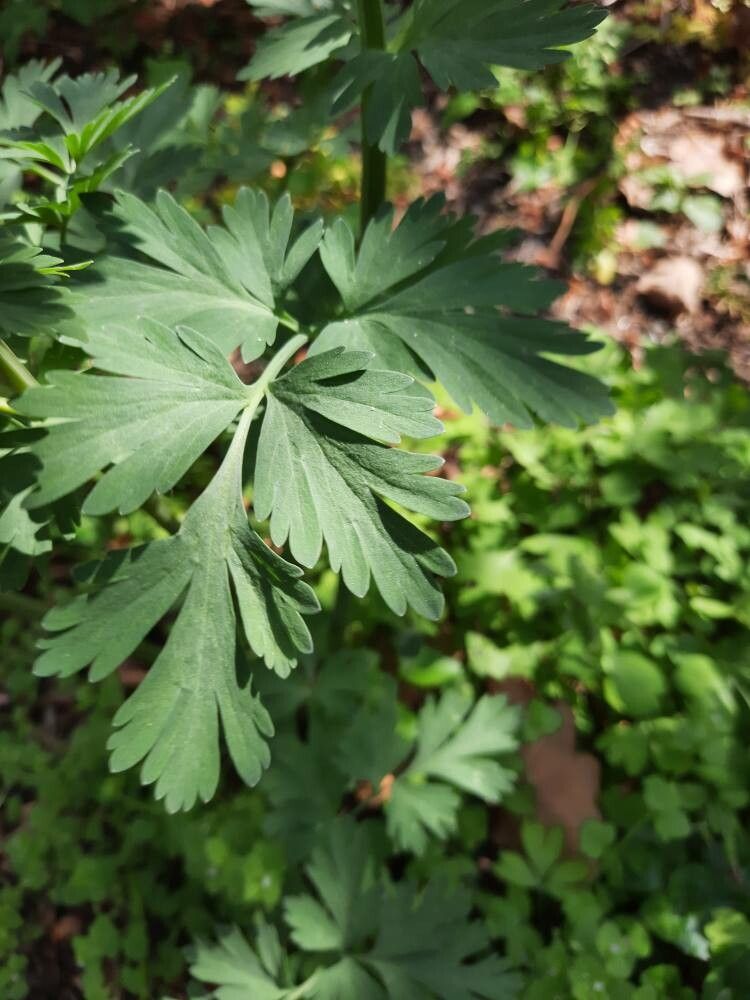
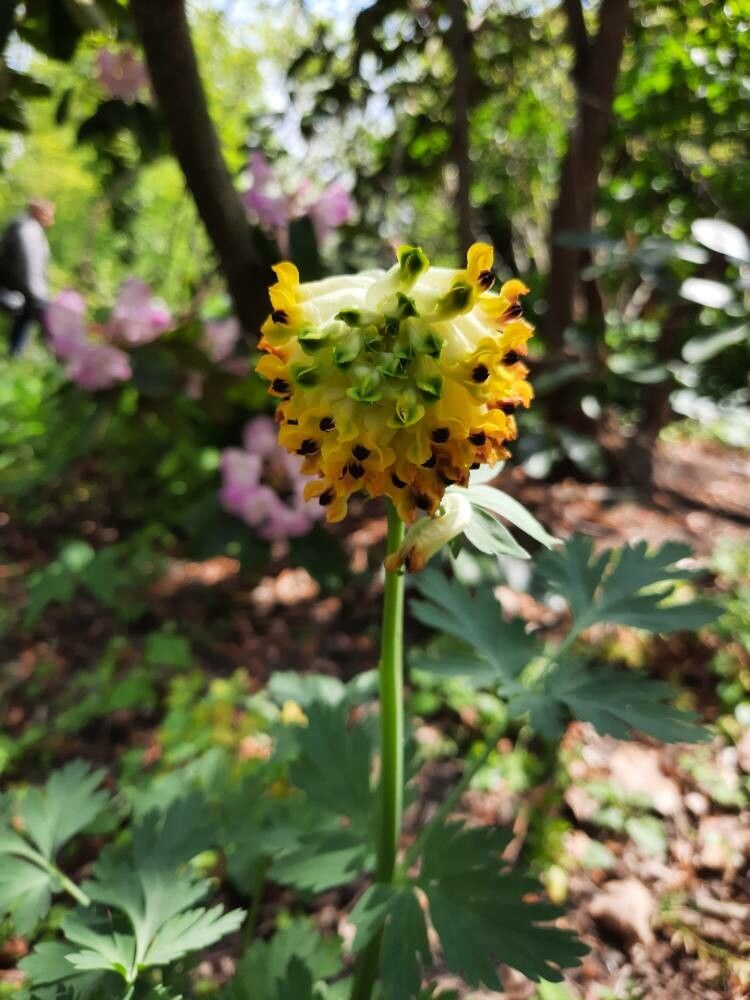
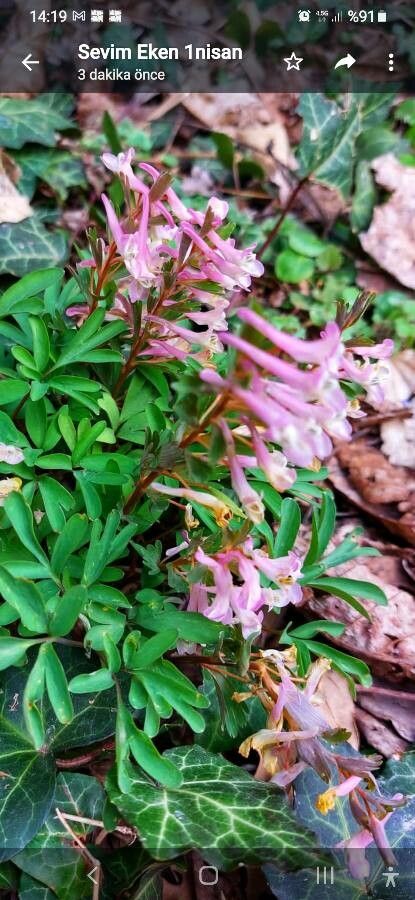
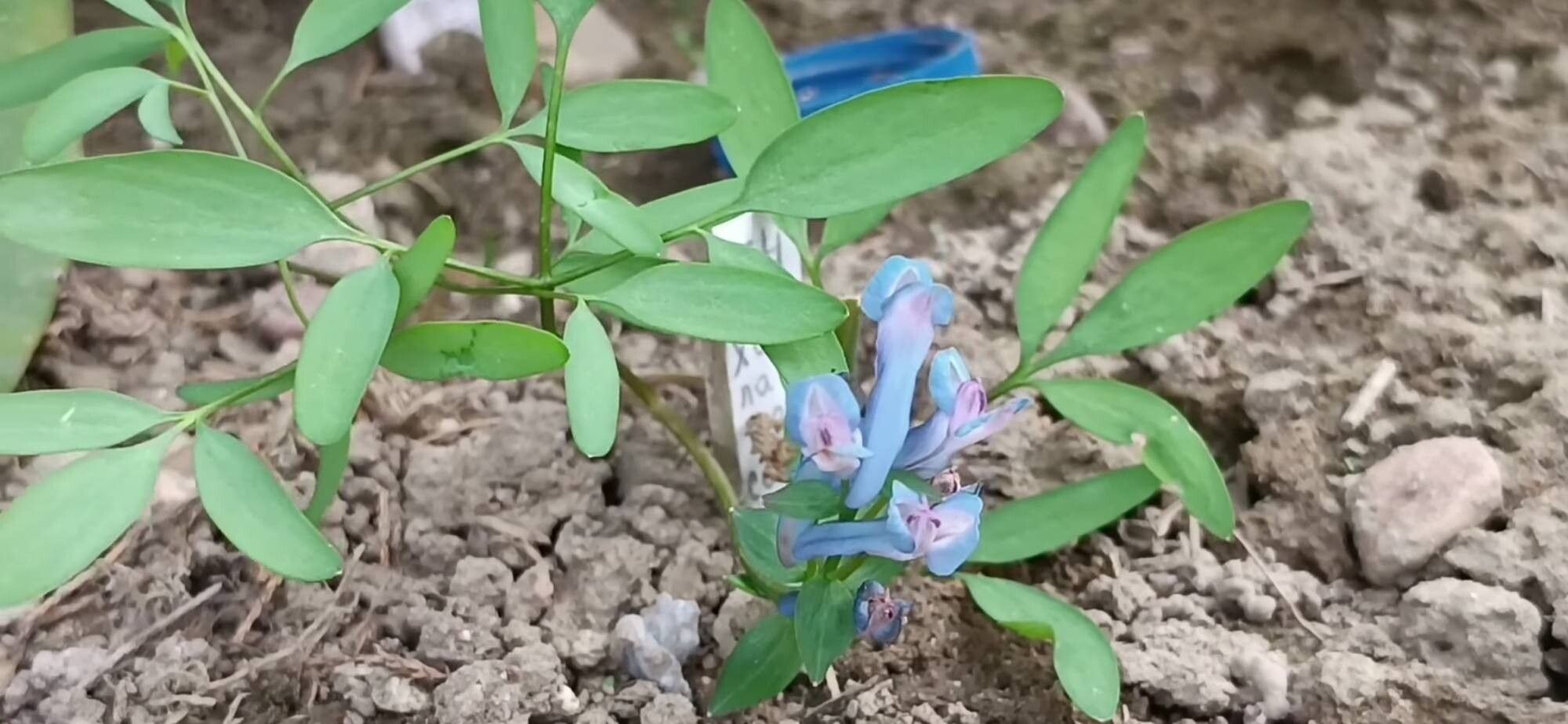
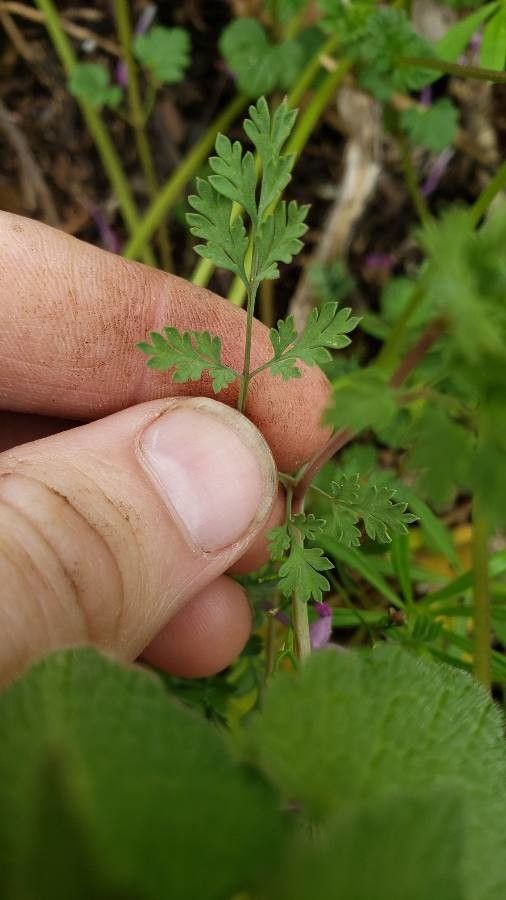
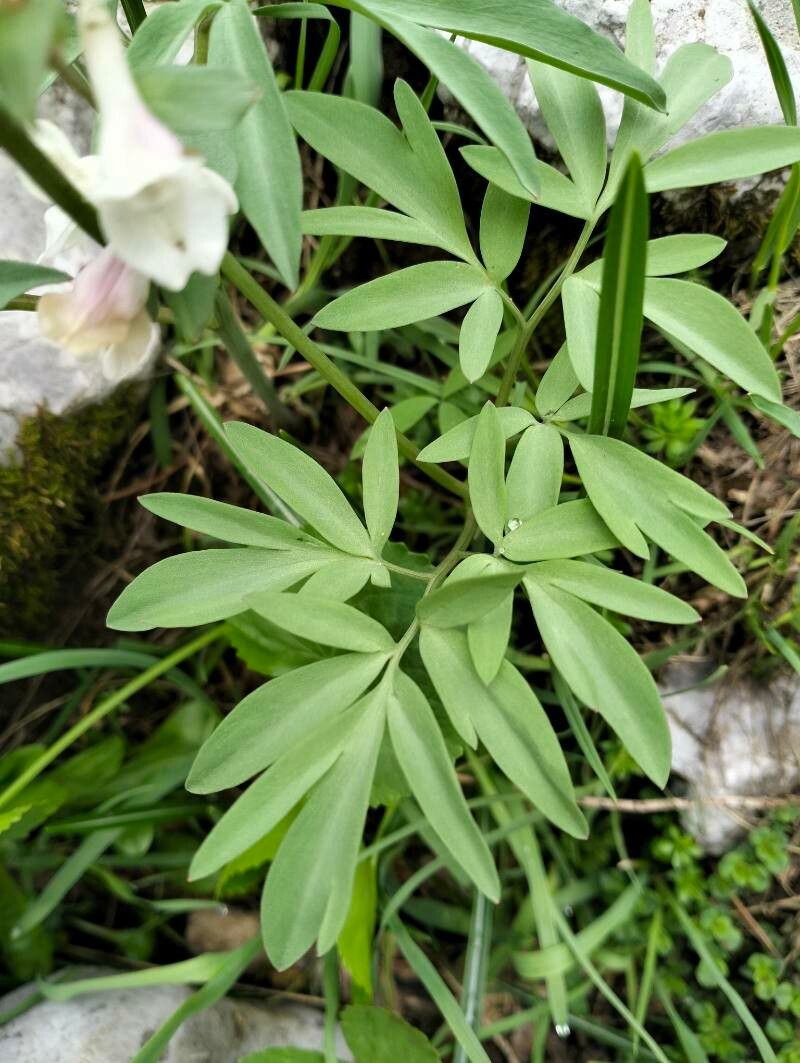
Corydalis nobilis, the Siberian corydalis, is a perennial plant native to Siberia, Xinjiang and Kazakhstan. It was introduced to Europe by Linnaeus, who had asked his friend Erich Laxmann for seeds of Lamprocapnos spectabilis (old-fashioned bleeding heart), but was sent seeds of C. nobilis instead. Both Lamprocampnos and Corydalis are members of the family Papaveraceae, with seeds having an attached elaiosome that makes them attractive to ants, which disperse the seeds.
Siberian corydalis is fairly disease-resistant and usually not prone to illness. Nevertheless, it can be affected by pests and diseases present in its environment. These problems are typically minor. As for care, this plant has moderate maintenance requirements. It should be pruned regularly to preserve a neat appearance and promote healthy growth. Fertilizing can also help encourage flowering. Siberian corydalis is appropriate for anyone with outdoor space, like a garden or patio, and does not demand extensive gardening experience. It may need more attention if grown indoors.
How to keep Corydalis Nobilis.
Light
Siberian corydalis originates from habitats like forest understories or rocky sites, where it grows in natural shade. It prefers partial sun but can tolerate full sun or full shade, illustrating its versatile and hardy nature.
Water
Siberian corydalis, which is native to temperate regions, thrives in moist, cool conditions. To prevent waterlogging, it's important to water it consistently each week. Indoors, the plant flourishes with stable humidity, especially during its active growing season, which promotes its growth and flowering. Although it prefers regular moisture, this herbaceous plant can tolerate brief periods of drought.
Temperature
Siberian corydalis can adapt to a wide range of temperatures, but its distribution may still be restricted by various combinations of moisture and heat. It grows best in warm summers with adequate rainfall or watering. Extended periods of cloudy, rainy weather or prolonged high temperatures can increase the likelihood of Siberian corydalis dying. In winter, proper protection from cold can improve the plant's survival rate.
Fertilizer
One fertilizer application in spring is generally enough for Siberian corydalis, though multiple feedings can help maximize growth. Feed every month to a month and a half. Fertilizing improves the leaves' appearance and function, helping maintain even color and a healthy texture. It also encourages root growth and nutrient uptake, supporting long-term plant health.
Pruning
Siberian corydalis features delicate foliage and clusters of flowers. To promote growth and remove dead stems, it is best to prune the plant from early to late spring. Thinning out crowded areas helps improve air circulation. Regular pruning maintains the plant's shape and encourages new growth, leading to a healthier and more visually appealing plant.
Botanical profile.
- Plant Type
- Herb
- Life Cycle
- Perennial
- Genus
- Corydalis
- Family
- Papaveraceae
- Hardiness Zone
- 3-8
- Mature Height
- 30 cm to 61 cm
- Mature Spread
- 30 cm to 46 cm
- Leaf Color
- Light Green, Pale Green
- Leaf Type
- Deciduous
- Flower Color
- Yellow, Gold
- Flower Size
- 2.03 cm to 3.05 cm
- Bloom Time
- Early spring, Mid spring
- Planting Time
- Summer, Winter
- Harvest Time
- Late spring, Early summer
- Native Area
- Kazakhstan, China
Other names.