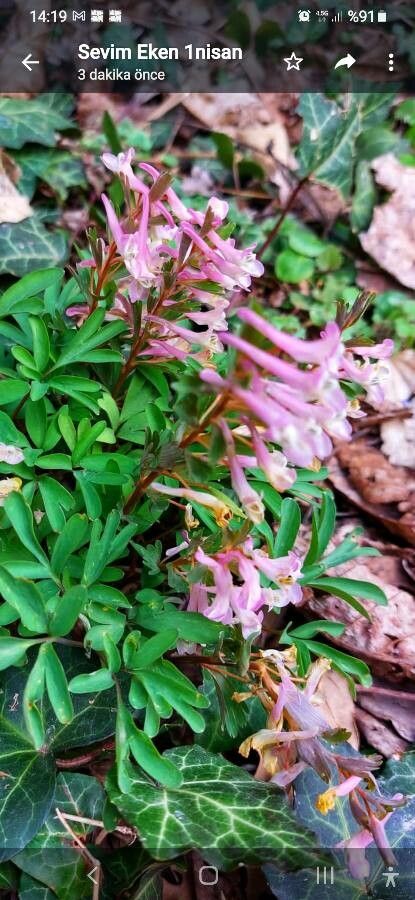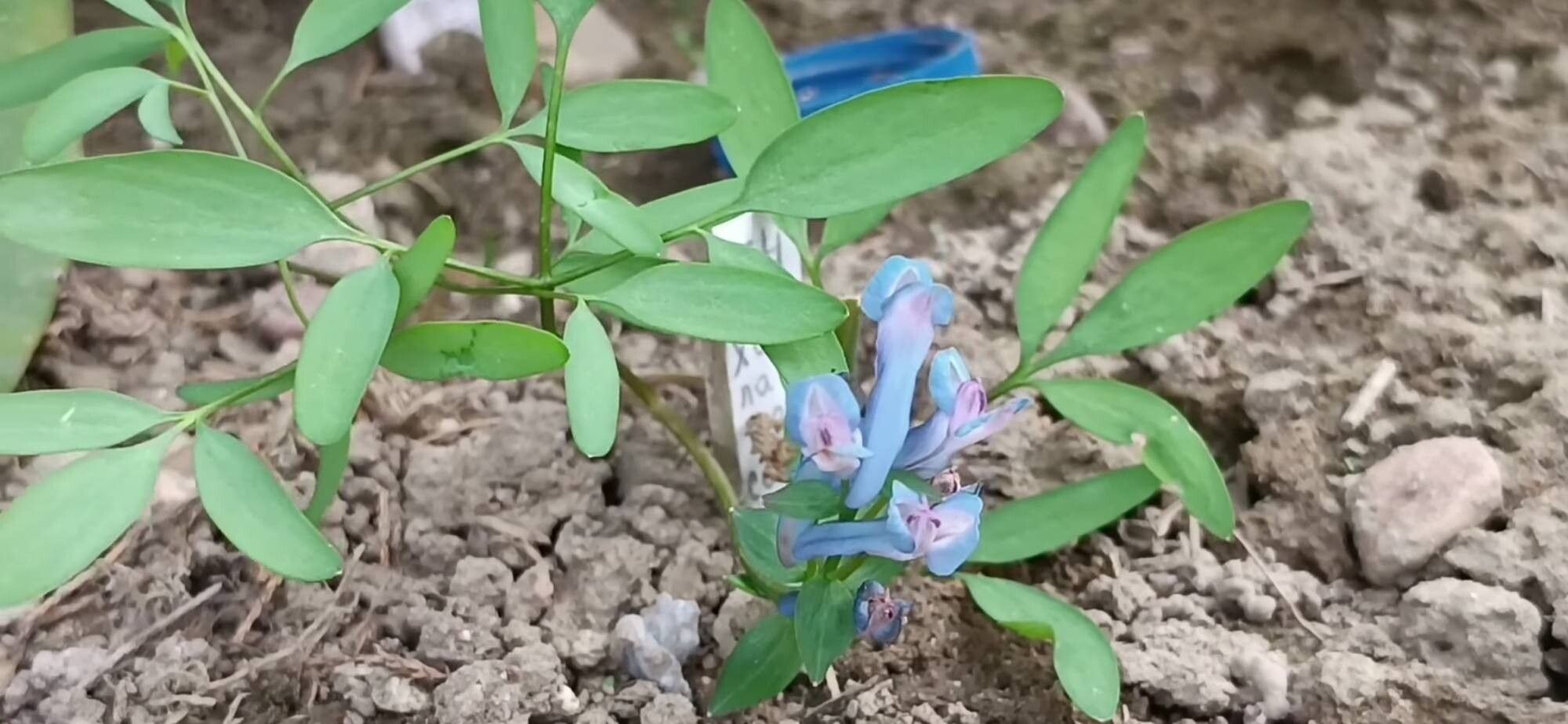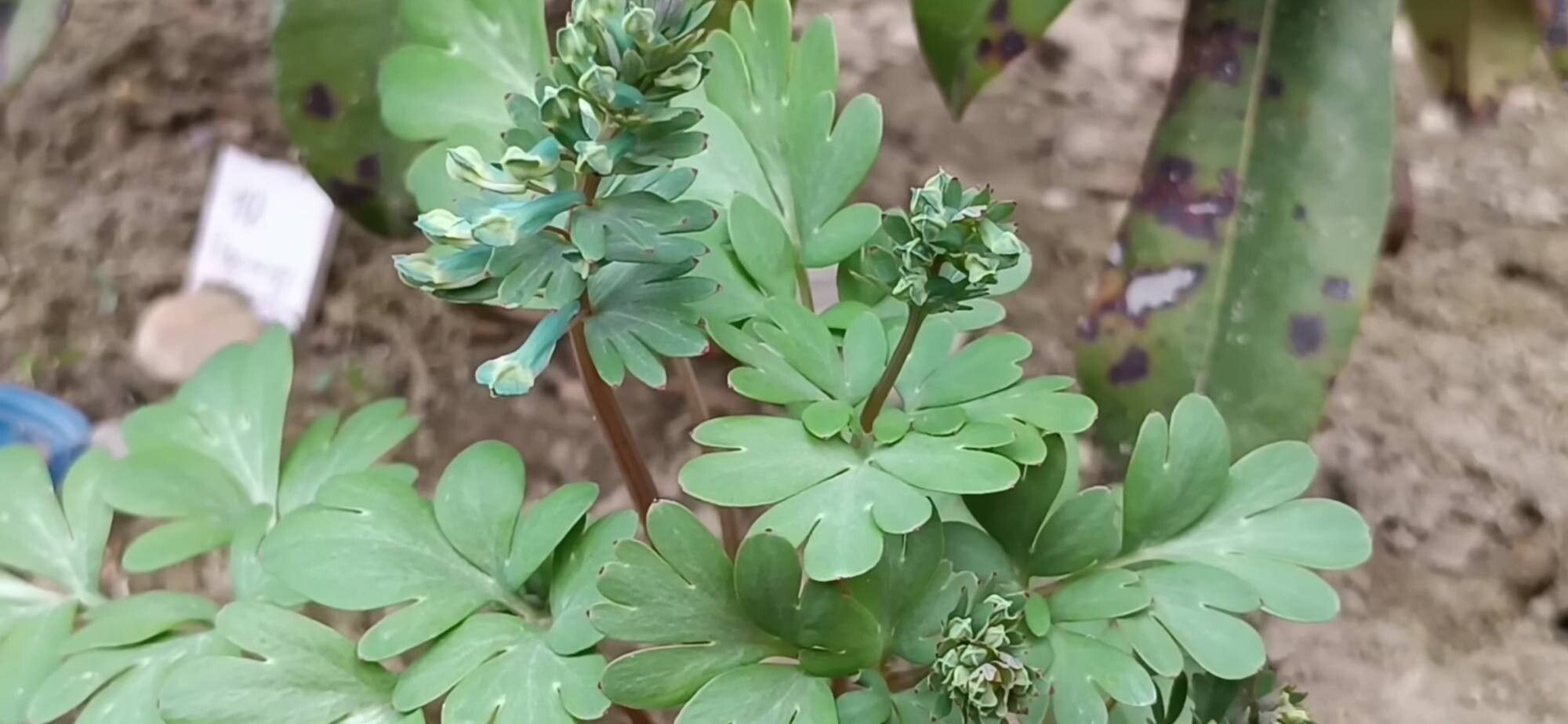
Corydalis rhizome has strong resistance to disease and is generally unlikely to suffer from illnesses. Still, it can be affected by pests and diseases present nearby. When infections occur, they tend to be mild. Regarding maintenance, this plant needs a moderate level of care. Regular pruning is necessary to preserve a neat appearance and encourage healthy growth. Applying fertilizer can also aid in boosting flower production. Corydalis rhizome is well suited for anyone who has outdoor areas like a garden or patio and does not demand extensive gardening experience. It may need extra attention if cultivated indoors.
How to keep Corydalis Turtschaninovii.
Light
Corydalis rhizome flourishes in areas with plenty of light, yet it can also tolerate a balanced combination of sun and shade. Its native habitat indicates a preference for brightly lit surroundings. Too much or too little light can result in subpar plant health, like hindered growth or diminished color.
Water
The Corydalis rhizome flourishes in areas with moderate humidity, balancing a preference for moisture with drought tolerance. It needs to be watered weekly and is usually grown outdoors. In the colder months, the Corydalis rhizome goes dormant, which means it requires much less water.
Temperature
The Corydalis rhizome plant flourishes in surroundings with temperatures ranging from 41 to 95 °F (5 to 35 ℃). Its roots trace back to areas with a cooler climate, mirroring its predilection for certain temperature ranges. Seasonal adaptations for this plant should involve making sure it doesn't experience excessively cold conditions during winter.
Fertilizer
The primary fertilization period for Corydalis rhizome is during the early spring when the flowers are taking shape. The appropriate fertilizer aids in enhancing the blooms and supports the Corydalis rhizome in creating beautiful flowers. By fertilizing in the early spring, it guarantees outstanding flowers throughout the season and supplies energy for the plant during its resting growth stages.
Pruning
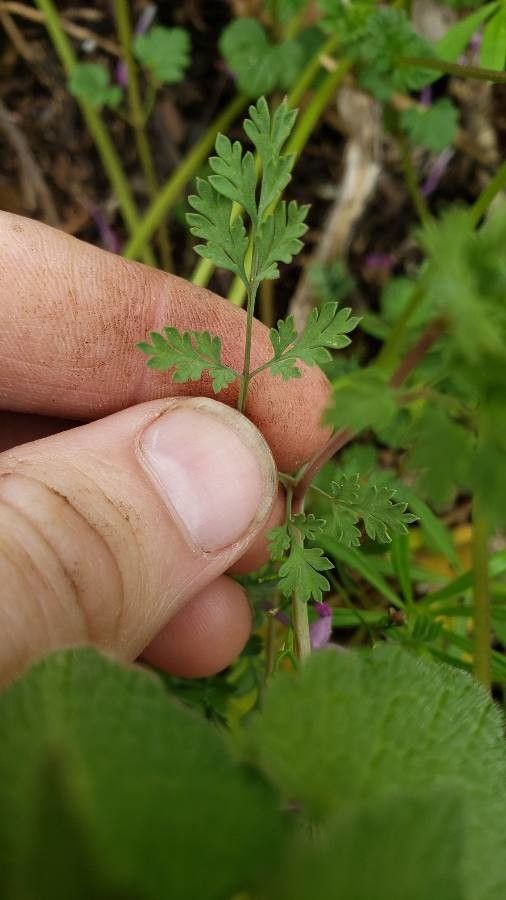
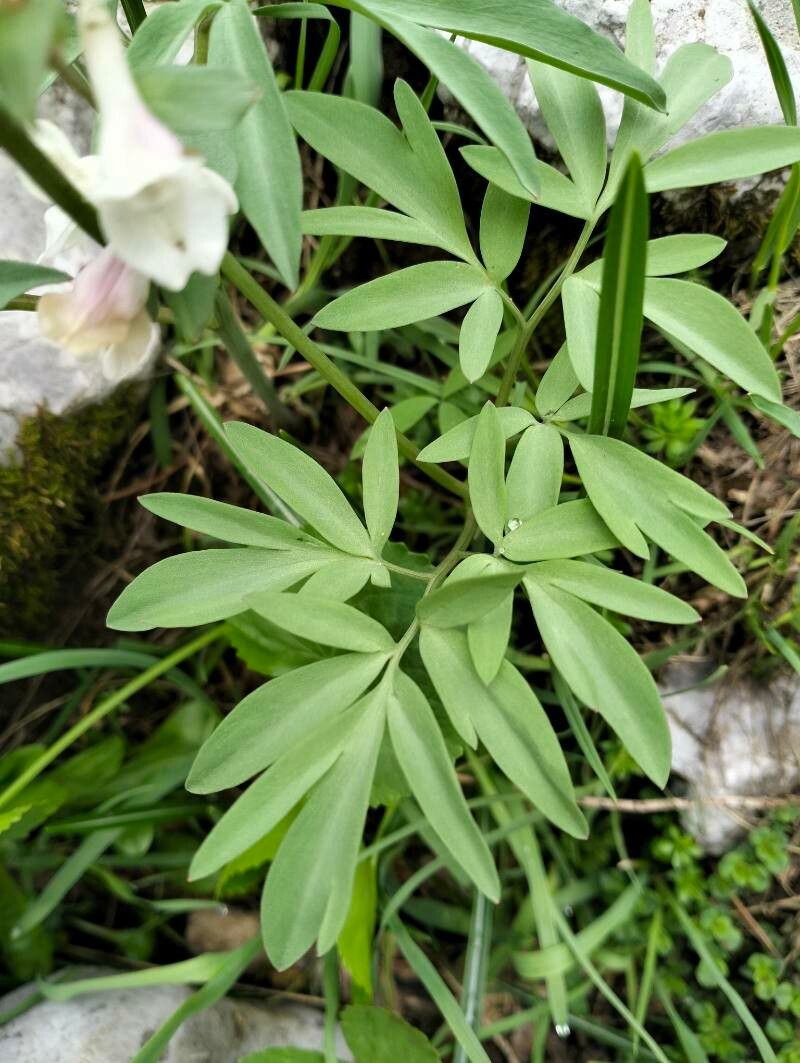
The Corydalis rhizome is a hardy perennial featuring fern-like foliage and vibrant blooms. To shape its growth and enhance flowering, prune the plant from early to late spring, removing any dead stems to improve air circulation. Additionally, trim off spent flowers to encourage new blooms, making sure to make clean cuts for the plant's health and optimal appearance.
Pot & Repot
The corydalis rhizome is a herbaceous perennial that thrives when repotted every 2 to 3 years, ideally in early spring. Choose a medium-sized pot with good drainage for best results. After repotting, keep the soil consistently moist but ensure it is not waterlogged. It is important to provide partial shade, as the corydalis rhizome is sensitive to disturbance.
Botanical profile.
- Plant Type
- Herb
- Life Cycle
- Perennial
- Genus
- Corydalis
- Family
- Papaveraceae
- Hardiness Zone
- 5-9
- Mature Height
- 20 cm
- Mature Spread
- 15 cm to 20 cm
- Leaf Color
- Green Yellow, Pale Green
- Leaf Type
- Semi-evergreen
- Flower Color
- Lavender
- Flower Size
- 1.52 cm to 2.03 cm
- Bloom Time
- Late winter, Early spring
- Planting Time
- Spring, Summer
- Harvest Time
- Mid spring, Late spring