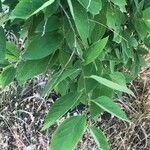
Corylopsis sinensis
Winter hazel
Description
Source: leafsnapCorylopsis sinensis, commonly known as Chinese winter hazel, is a deciduous shrub that belongs to the family Hamamelidaceae. Native to China and Japan, this plant is widely cultivated as an ornamental feature in gardens and parks. It typically reaches a height of up to 3 meters and has a spread of about 2 meters. The leaves of Corylopsis sinensis are alternate and simple, with an ovate or elliptic shape and serrated margins. In the summer, the leaves are dark green, but they turn yellow or orange-red in the fall. The flowers of Corylopsis sinensis, small but numerous, appear on bare stems before the leaves emerge, from late winter to early spring. These bell-shaped flowers have four petals that range in color from pale yellow to creamy white. Corylopsis sinensis prefers moist, well-drained soil rich in organic matter. It thrives best in partial shade or filtered sunlight but can tolerate full sun if provided with adequate moisture. In addition to its ornamental value, Corylopsis sinensis has been used in traditional Chinese medicine for its anti-inflammatory properties. Its bark is also used for tanning leather due to its high tannin content. Overall, Corylopsis sinensis is an attractive shrub that provides beauty and interest throughout the year while offering potential health benefits through traditional medicine practices.
💡 Winter hazel is a fantastic addition to any garden. Not only does it provide interest during the winter months, but it also creates a stunning display in the fall when its leaves turn a beautiful golden yellow. Additionally, the blooms of Corylopsis sinensis have a pleasant fragrance, adding an extra layer of enjoyment.
🌳 The winter hazel, although mainly valued for its ornamental appeal, possesses a little-known quality: its flowers yield a delicate essence used in subtle fragrances. This opportunity has been minimally tapped in the horticultural world, where niche buyers prize the elegance and rarity of plant-based scents. The plant represents an untapped source for the perfume industry, awaiting techniques that could efficiently capture its sweet, understated aroma without harming the species or its natural habitat.
Care Guide
💧 Water Every 7 days
Winter hazel thrives in partial shade and prefers soil that is consistently moist yet well-drained. To care for it, water the plant every 1 to 2 weeks, allowing the top layer of soil to dry slightly between waterings. Mulching is beneficial during its active growing season, as it helps retain moisture, making winter hazel well-suited for outdoor cultivation.
How should I water my Winter hazel plant in the best way?
To promote excellent root development, place a garden hose at the base of the plant. Be careful not to spray the leaves directly. If the plant is outdoors and exposed to direct sunlight, the leaves will need more watering. You can also use bubblers or soaker hoses to moisten the roots. When adding or removing plants, use soaker hoses that cover the entire garden or bed to ensure the roots are well-watered. After watering, drain any excess water and allow the soil to dry before watering again. To prevent diseases, water at ground level rather than spraying the leaves. On sunny days, it may be helpful to spray the entire bush with water. Whether the plant is in a pot or in the ground, it's important to remember that Winter hazel prefers deep watering rather than just light sprinkling.
What should I do if I give Winter hazel too much or too little water?
An overwatered Winter hazel may exhibit yellow, dropping, and wilting leaves, as well as a dull and unhealthy appearance with mushy stems. When these signs appear, it's important to adjust your watering schedule. Wilting can also indicate under watering, characterized by crispy and dry leaves compared to the soft and wilted leaves of an overwatered plant. If the soil is dry and normal watering is not enough, give the plant a thorough watering. However, even with enough water, the Winter hazel may still have a dry and yellow appearance for a few days due to root damage. Once the plant returns to normal, the yellowing of the leaves will cease. When caring for an indoor Winter hazel, always check the moisture levels in the pot, avoid overwatering, and watch out for black spots. If present, allow the soil to dry out by refraining from watering for a few days. Overwatering can lead to root rot, so if you observe discolored and slimy roots, consider transferring the plant to a different pot. Preventing root rot is crucial, so avoid making the soil too soggy. When planting a Winter hazel outdoors, make sure to check the soil moisture by digging a little deeper. If the soil is dry, it may indicate under watering, so provide adequate water for the plant to recover.
How frequently should I water my Winter hazel plant?
The Winter hazel plant prefers deep and infrequent watering, especially if it is in a pot. Pots have limited water storage capacity, so the soil dries out faster. In cold regions, you should water the plant every 3 to 5 days, ideally in the early morning when the soil is dry. You can check if watering is necessary by examining the moisture levels in the soil. If the top 2-3 inches of soil are dry, it's time to water the plant. On hot days, you may need to check the moisture levels daily as the heat can dry out the soil quickly. If you have the plant in a garden, regular irrigation is necessary. In hot climates, watering once a week is sufficient. Only water when you notice that about 2 to 3 inches of soil are too dry. Be mindful of rainfall and avoid over-watering to prevent root rot. Winter hazel plants typically grow in spring and fall. Adding a layer of mulch 3 to 4 inches deep can help conserve water when the plant is outdoors. Sandy soil requires more frequent watering because it drains faster, whereas clay soil needs less frequent watering to prevent root rot. It can be helpful to mark the watering dates on your calendar and pay attention to any signs of drooping leaves, which could indicate that you need to water the plant sooner.
How much water should I give my Winter hazel?
The Winter hazel needs about a gallon of water on a regular schedule. For potted plants, water them deeply until you see water dripping from the bottom of the pot. Then, wait for the soil to dry before watering again. To determine how much water you've given the plant in a week, you can use a water calculator or a moisture meter. During the flowering period, provide plenty of water but let the moisture evaporate afterwards to prevent root rot. If the Winter hazel is planted outdoors and there is adequate rainfall, it may not need additional watering. When the Winter hazel is young or newly planted, make sure it gets 1-2 inches of rain per week. Once the Winter hazel is fully grown, it can rely on rainfall alone. However, during hot weather or if there is no rainfall for 2-3 weeks, consider giving the Winter hazel a full watering during the cooler part of the day to prevent heat damage. Additional watering will be needed during prolonged dry spells.
Do I need to change how often I water my Winter hazel depending on the time of year or the weather?
The Winter hazel needs water from rain when grown outdoors, but only during persistent dry weather. In the spring and fall, the soil should be kept moist, but not soggy, to promote growth. Alternating between dry and moist soil conditions is beneficial for Winter hazel. In the summer, hot weather can cause water to evaporate quickly, so more frequent watering may be necessary if there is a lack of rainfall. During the winter, Winter hazel requires less water because it goes dormant and drops its leaves. Using well-draining soil and terracotta pots can help with evaporation. Once the plant begins to leaf out in spring, it can rely on fall and winter rains for its water needs. When cultivating Winter hazel, good drainage is important, especially during winter. If growing in pots, they should be well-watered, particularly in summer. It's best to avoid shallow sprinkles that only reach the leaves, as they can encourage fungi growth and don't reach the roots. Even when dormant, Winter hazel should not be allowed to dry out completely in fall or winter. However, they don't like sitting in water for extended periods, so proper drainage is crucial to prevent their death during winter. Applying mulch can help reduce stress, conserve water, and promote healthy blooms.
☀️ Light Partial sun
For winter hazel to thrive, it needs a balanced combination of shade and sunlight. It can tolerate full sun, but constant exposure is not ideal. Shielding it from strong rays helps prevent leaf scorch. Conversely, complete absence of sunlight will stunt its growth and flowering, mirroring the light conditions of its native habitat.
What are the sunlight requirements for Winter Hazel?
Winter Hazel requires a balanced blend of shade and sunlight for optimal growth. It can tolerate full sun exposure but thrives best when protected from intense rays to prevent leaf scorching. The plant originally grows in conditions that mimic its natural habitat, where it receives a mix of light and shade. Artificial lighting can be used as an effective solution for indoor plants when natural sunlight is insufficient, with LED lights being a popular choice due to their ability to provide specific wavelengths of light. Full sun plants typically need 30-50W/sq ft of artificial light, partial sun plants need 20-30W/sq ft, and full shade plants need 10-20W/sq ft.
What symptoms indicate Winter Hazel is receiving insufficient light?
When Winter Hazel is grown under inadequate light conditions, several symptoms may appear, indicating light deficiency. These include smaller new leaves, leggy or sparse growth, early shedding of older leaves to conserve resources, delayed or halted growth, pale new leaves lacking chlorophyll, chlorosis (yellowing leaves), sunscald from intense exposure, leaf curling as a defense mechanism, wilting due to increased transpiration and water loss, and leaf scorching characterized by brown, dry edges. These symptoms show the plant's struggle to adapt to poor lighting.
How can I improve the light conditions for my Winter Hazel?
To improve light conditions for Winter Hazel, especially if grown indoors or in an area that doesn't get sufficient natural light, you can gradually shift the plant to sunnier spots each week to expose it to 3-6 hours of direct sunlight daily. If the plant is large or not easily movable, consider using desk or ceiling lamps for at least 8 hours daily or invest in professional plant grow lights. For outdoor plants, avoid sudden changes in light intensity to prevent sunburn, and for ground plants, prune trees or bushes that obstruct sunlight or transplant smaller plants during their dormant period to a sunnier location with good drainage.
🌡️ Temperature 10–32.2°C
Winter hazel is native to milder environments and prefers temperatures of 50 to 90 °F (10 to 32 ℃). While it is tolerant to some extent, abrupt temperature fluctuations can be harmful, so seasonal adjustments are advised for optimal growth.
What are the ideal growing conditions for Winter Hazel?
Winter hazel (Corylopsis sinensis) thrives in environments that offer a cozy temperature range of 50 to 90 °F (10 to 32 °C). Native to such conditions, winter hazel exhibits strong cold resistance and doesn't usually require special frost protection measures. However, it is essential to protect the plant when winter temperatures are expected to dip below -25°C by wrapping its trunk and branches with insulating materials. Additionally, before the onset of the first freeze in autumn, it's recommended to water the plant abundantly, ensuring the soil remains moist and enters a frozen state, which helps in preventing drought and water scarcity during the winter and early spring periods.
How does low temperature affect Winter Hazel, and what are the solutions?
Winter hazel is notably cold-tolerant and fares best when temperatures stay above 10°C. Despite this, it should ideally remain above -15°C during the winter. Exposure to temperatures below -25°C might not show immediate adverse effects, but by spring, the branches may turn brittle and dry, and new shoots may fail to appear. The solution to mitigate these effects involves pruning away any dead branches in spring that have not produced new leaves, thus promoting healthier growth.
What are the effects of high temperature on Winter Hazel, and how should it be managed?
During summer, it is crucial to ensure that Winter Hazel is kept below 32°C to avoid adverse effects. Temperatures surpassing 35°C can result in the plant's leaves becoming lighter in color, the tips drying and withering, and an increased susceptibility to sunburn. To manage this, any sunburned or dried parts should be trimmed away, and if possible, the plant should be moved to a location that offers shade during the midday and afternoon sun. Alternatively, a shade cloth can be used to protect the plant from excessive sunlight. Additionally, watering the plant in the morning and evening to maintain soil moisture can help in minimizing heat stress.
💨 Humidity
🪴 Soil 5-6
🌱 Fertilizer
Applying fertilizer at the right time is important for Winter hazel. Begin fertilizing in early spring and continue monthly through early summer. Fertilizer encourages attractive blooms and supplies energy during both dormant and active growth phases.
Why is it important to fertilize my Winter hazel?
Fertilizing your Winter hazel is crucial for multiple reasons. Firstly, it will help your plant produce beautiful blooms. The best time to fertilize is in early spring to guarantee these lovely flowers during the season. Secondly, fertilizer provides your Winter hazel with ample energy that it can store underground during its dormant phases. By giving your plant extra nutrients in the fall or late spring, you can ensure that it has enough energy to use when it resumes active growth.
When should I fertilize my Winter hazel for the best results?
To ensure effective fertilization of Winter hazel, it is important to time it correctly. Applying fertilizer too early, while the plant is still dormant, will cause the fertilizer to be rendered ineffective and washed away by rainwater, leading to wasted resources and potential pollution. Therefore, the first application of fertilizer should be done in early spring, followed by monthly fertilization until early summer.
When is it not a good idea to fertilize my Winter hazel?
To ensure optimal growth and blooming of Winter hazel, avoid using fertilizers high in nitrogen. These may promote excessive leaf growth while limiting flower development. Instead, choose fertilizers that contain relatively lower levels of nitrogen compared to other essential nutrients. It is crucial to refrain from fertilizing Winter hazel after early autumn, as this can encourage excessive growth right before winter, which may be detrimental to the plant's health. Similarly, avoid fertilizing during hot and dry periods, as dry soil does not effectively deliver nutrients compared to moist soil. Fertilizing during this time may also stimulate growth, requiring additional water that may not be readily available. To maximize effectiveness and avoid potential issues, it is advisable to apply fertilizer during cooler temperatures earlier in the season. Lastly, be mindful that Winter hazel can absorb fertilizer applied to nearby plants or lawns. To prevent inadvertently overdosing the tree or shrub, exercise caution when using fertilizers in the vicinity.
What kind of fertilizer does my Winter hazel plant require?
To optimize the growth of Winter hazel, it is recommended to use a fertilizer with a balanced mix of plant nutrients, with slightly higher amounts of phosphorus. Another approach is to enhance the soil by incorporating organic materials like compost, worm castings, and manure. Experienced gardeners may choose to supplement with water-soluble fertilizers containing phosphorus when the flower buds begin to appear. This will promote better flower development, resulting in larger and longer-lasting blooms. There are various types of fertilizers available for Winter hazel, but liquid and powdered forms tend to be most effective. Whichever type you opt for, make sure to dilute the fertilizer and apply it while watering your Winter hazel.
How should I fertilize my Winter hazel plant?
To properly fertilize your Winter hazel, it's crucial to follow the specific directions for the fertilizer you plan to use. Additionally, make sure to conduct research on how to apply fertilizer to this particular plant. Over-fertilizing can be detrimental, so determining the correct amount is vital. A general rule is to use the age of the tree or the trunk diameter as a guide. Estimate using one-tenth of a pound of fertilizer per year or per inch of trunk, but with a maximum limit of one pound. Granular and organic fertilizers like blood meal should be sprinkled around the base of the tree, extending to the drip line. Be careful to keep the fertilizer away from the trunk. Over time, the granules will break down and seep into the soil, where they can be absorbed by the roots. After fertilizing, apply a one-inch layer of compost around the tree's base and water thoroughly.
🪴 Pot & Repot
✂️ Pruning
Winter hazel is an ornamental shrub known for its fragrant flowers and vibrant foliage. To promote growth, maintain its shape, and improve air circulation, prune the shrub in late spring after it has finished blooming. Be cautious not to prune too heavily, as this can reduce flowering. Always use clean tools to prevent the spread of disease.
🌿 Propagating
🐛 Diseases & pets
☠️ Toxicity
Characteristics
- Plant Type
- Shrub
- Life Cycle
- Perennial
- Genus
- Corylopsis
- Family
- Hamamelidaceae
- Hardiness Zone
- 6-8
- Mature Height
- 3.96 m
- Mature Spread
- 3.05 m to 4.57 m
- Leaf Color
- Green, Yellow, Red, Orange, Purple
- Leaf Type
- Deciduous
- Flower Color
- Yellow
- Flower Size
- 1.27 cm to 1.52 cm
- Bloom Time
- Early spring, Mid spring
- Planting Time
- Spring, Summer, Autumn
- Harvest Time
- Late spring, Early summer
- Native Area
- China