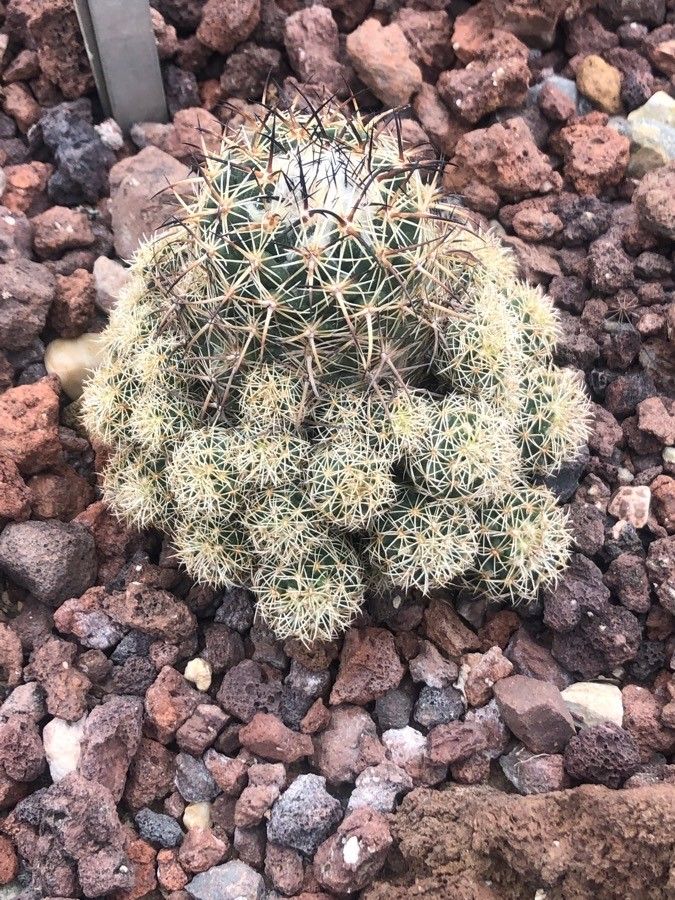
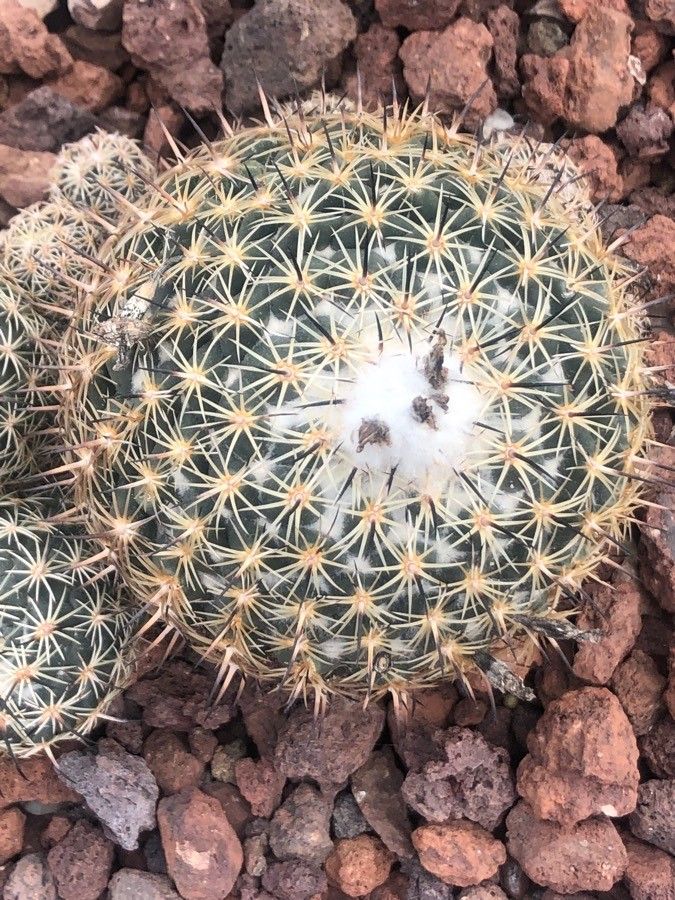
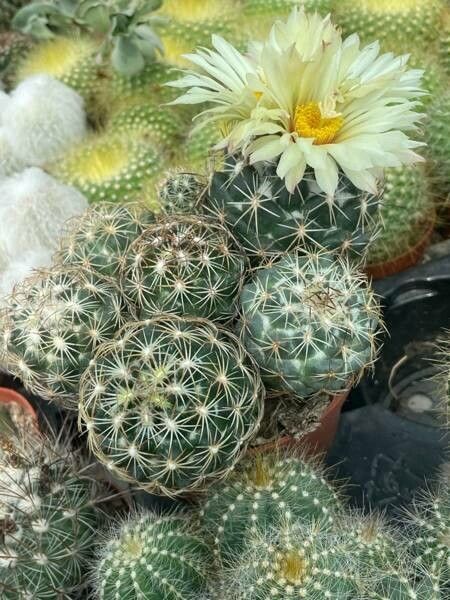
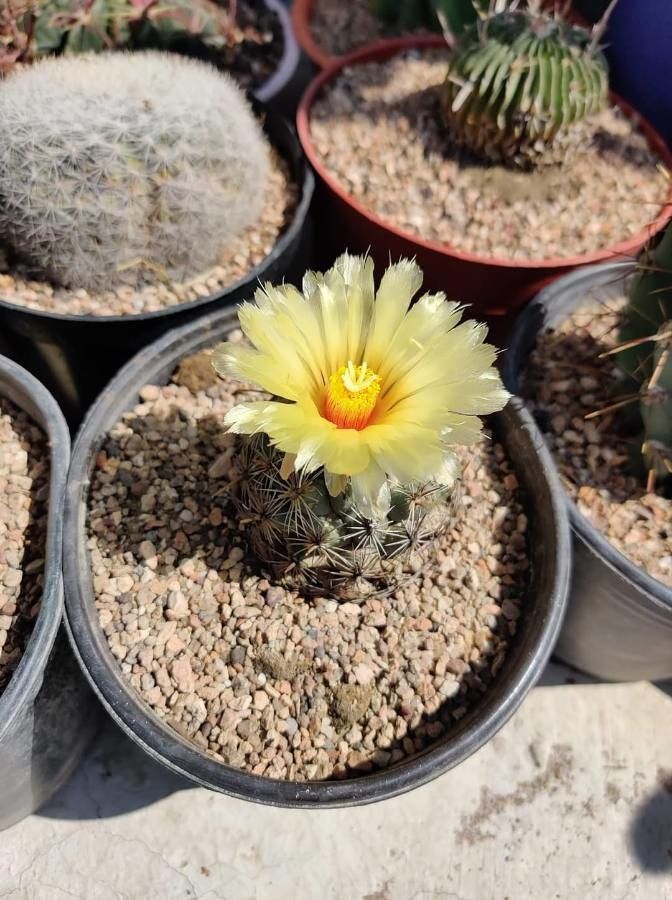
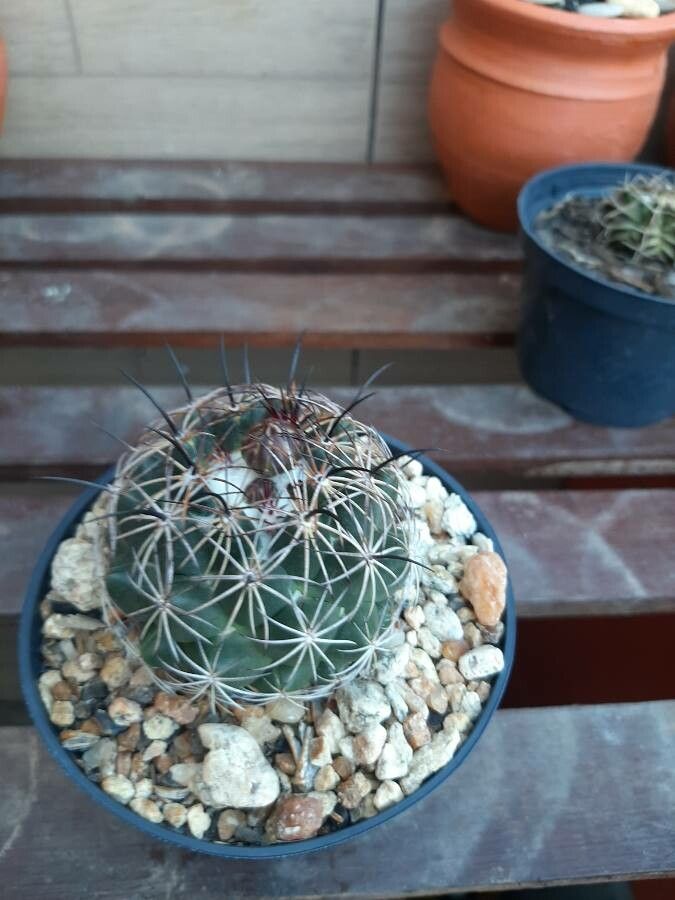
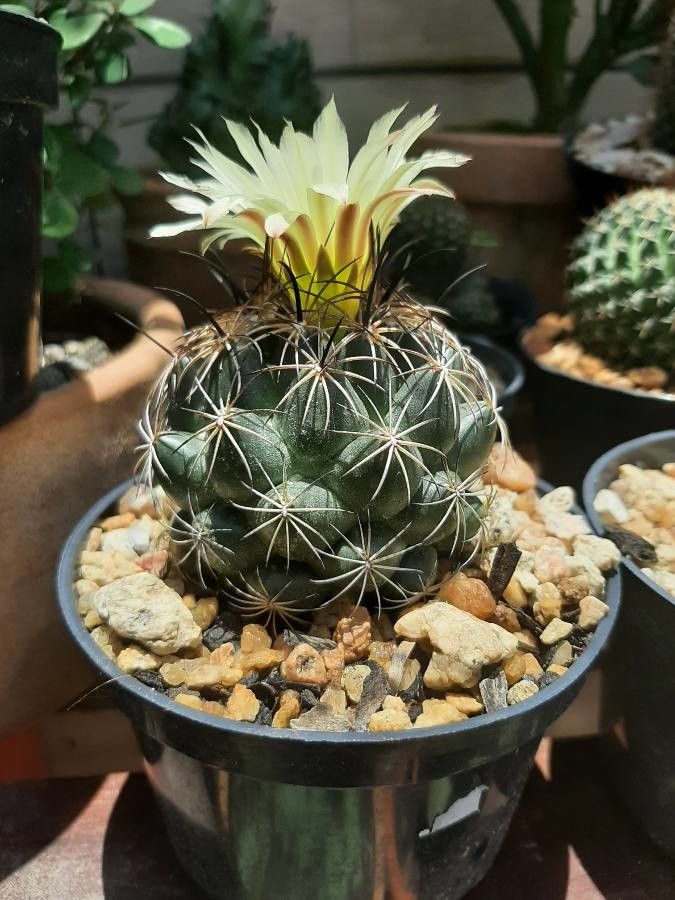
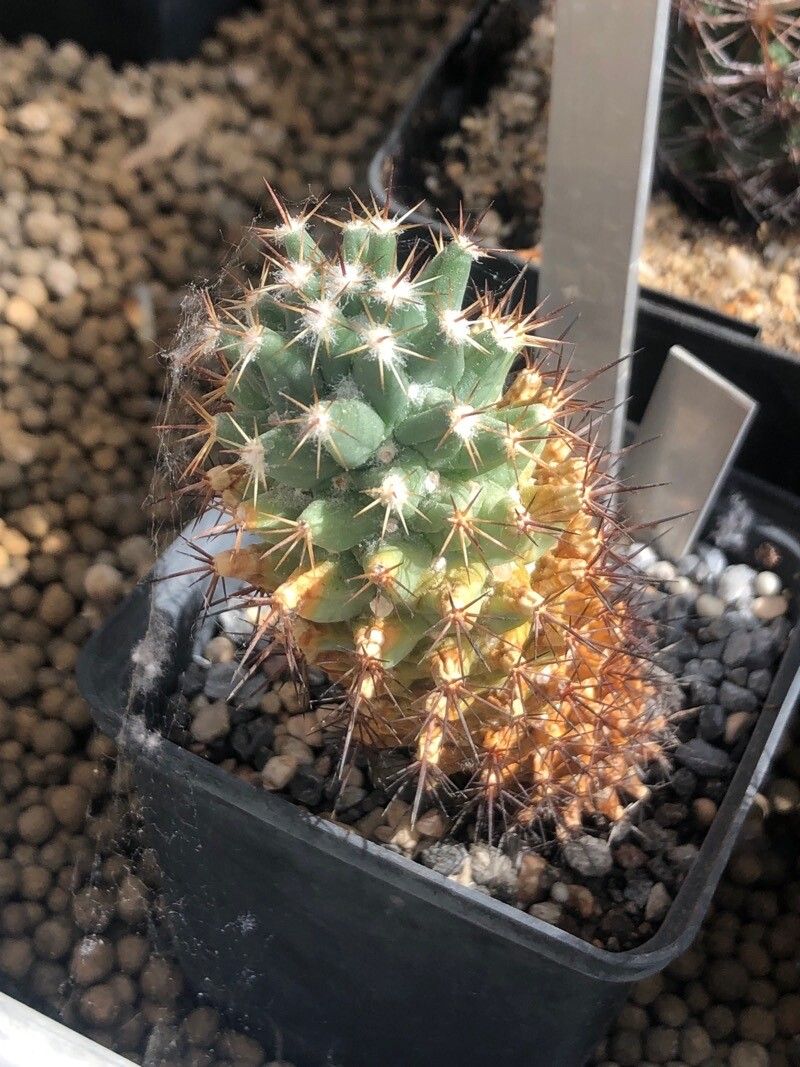
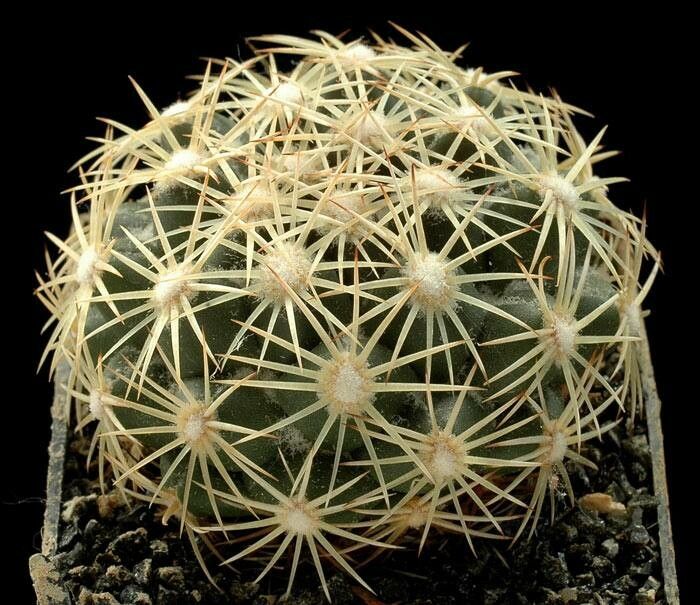
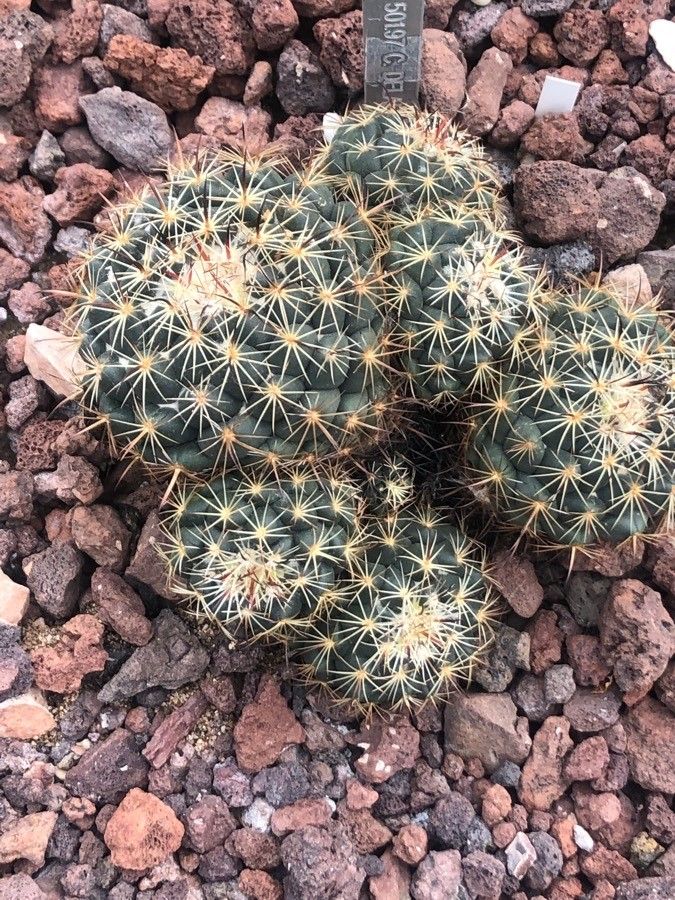
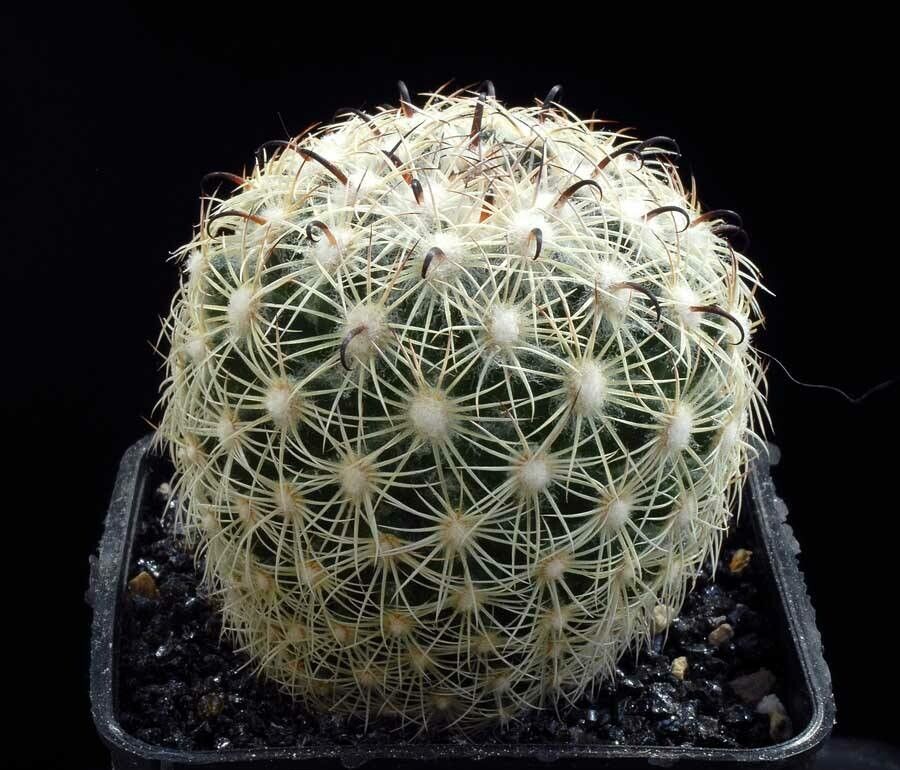
Coryphantha cornifera is a small cactus species within the family Cactaceae. Native to the Chihuahuan Desert in Mexico and the southwestern United States, this cactus features a globular shape, typically growing up to 10 cm in height and 15 cm in diameter. Its surface is covered with numerous tubercles arranged in a spiral pattern, each bearing one or more spines.
The flowers of Coryphantha cornifera are usually yellow or pink and can reach up to 4 cm in diameter. They bloom from late spring through early summer, attracting pollinators such as bees and butterflies.
Coryphantha cornifera prefers well-drained soil with low moisture content, making it ideal for xeriscaping or rock gardens. It can withstand extreme temperatures ranging from -10°C to 40°C.
While this cactus is not commonly cultivated for ornamental purposes, it is often collected by cactus enthusiasts due to its unique appearance and hardiness. However, it's important to note that collecting plants from their natural habitat can negatively impact wild populations.
Overall, Coryphantha cornifera is an intriguing cactus species that thrives in harsh desert environments and displays beautiful flowers during its blooming season.
Rhinoceros cactus is generally resistant to diseases and can tolerate normal care routines without becoming ill easily. That said, it can be vulnerable to mealybugs; these pests may cause some harm but usually do not pose a major danger. Regarding care, Rhinoceros cactus is drought-tolerant and does not require frequent watering. It can endure long stretches without water and needs little fertilizer. However, if light is inadequate and the plant is watered too much, it is very prone to root rot. In summary, Rhinoceros cactus is a good choice for people who prefer low-maintenance plants, but it remains important to know and meet its basic needs. It is especially appropriate for those who are away for extended periods and might forget to water regularly.
How to keep Coryphantha Cornifera.
Light
Native to dry areas, the Rhinoceros cactus does best in full sun, as its natural habitat has intense sunlight and little shade. It can also tolerate partial sun, providing some flexibility in its growth.
Water
The Rhinoceros Cactus is drought-tolerant and needs thorough watering only when the soil has completely dried out. From spring to fall, you should water it weekly. In winter, reduce watering to just once a month. It's best to use rainwater or distilled water to prevent soil compaction; also, be careful not to splash water on the stem, as this can cause it to rot.
Temperature
Although Rhinoceros cactus can tolerate some heat, it primarily does best and grows during the cooler months, becoming dormant in summer. In hot summer conditions, provide shade to prevent scorching from strong sunlight. Watering should be reduced or stopped during the hottest period to avoid root rot. It shows vigorous growth in winter and spring, and as long as temperatures do not fall too low, it will continue to grow steadily.
Fertilizer
The Rhinoceros cactus only needs light fertilizer applications once or twice a year during the growing season. Do not fertilize in winter or in summer when the plant is dormant. Cut back on fertilizer for repotted plants and wait a couple of months after repotting before you resume fertilizing. Fertilizing helps maintain healthy growth and promotes blooming.
Pruning
To maintain healthy growth, the Rhinoceros cactus requires pruning in early spring to remove any dead or damaged parts. Be sure to sterilize your tools beforehand to prevent infections. This practice will increase airflow and sunlight exposure, which helps reduce the risk of fungal problems. When pruning, take a conservative approach to shape the cactus, maintain its vigor, and enhance its ornamental appeal.
Pot & Repot
Repot the Rhinoceros cactus in spring or summer, using a pot that is only slightly bigger than the current one and has good drainage. Plant it in a well-draining, sandy or gritty cactus mix. Handle it carefully to avoid the spines. Let the cactus dry out before repotting to reduce the risk of root rot. After repotting, wait about a week before watering so the roots can heal.
Botanical profile.
- Plant Type
- Succulent
- Life Cycle
- Perennial
- Genus
- Coryphantha
- Family
- Cactaceae
- Hardiness Zone
- 10-12
- Mature Height
- 10 cm to 15 cm
- Mature Spread
- 5 cm to 8 cm
- Leaf Color
- Green
- Leaf Type
- Evergreen
- Flower Color
- Yellow, Pink
- Flower Size
- 2.03 cm to 3.05 cm
- Bloom Time
- Late spring, Summer
- Planting Time
- Spring, Summer
- Harvest Time
- Late summer, Fall
Other names.