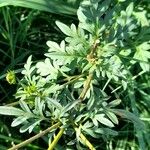
Cosmos caudatus
Cosmos · Wild cosmos · Foxtail · Kenikir · King's Salad Cosmos
Description
Source: leafsnapCosmos caudatus or king's salad is an annual plant in the genus Cosmos, bearing purple, pink, or white ray florets. It is native to Latin America (from Rio Grande do Sul in southern Brazil to Tamaulipas in northeastern Mexico), and the West Indies, though naturalized in tropical parts of Asia, Africa, and Australia.
🌳 Wild cosmos is not only decorative; it plays a vital role in ecological balance. Its flowers supply nectar for pollinators like bees and butterflies, aiding biodiversity. Additionally, wild cosmos seeds are incorporated into bird-feed blends, indicating its contribution to supporting avian life. Therefore, wild cosmos helps sustain healthy ecosystems beyond mere ornamentation.
Care Guide
💧 Water Every 1 week
Wild cosmos flourishes in the humid, tropical environment of rainforests and needs to be watered weekly. This evergreen plant keeps its leaves throughout the year and uses water efficiently, even during dry spells, which makes it well-suited for areas with high humidity.
How should I water my Wild cosmos?
The Wild cosmos has specific preferences for watering, including both the amount of water it receives and how it is provided. If you don't use the proper watering technique, it can be detrimental to your tomatoes. The recommended method for watering Wild cosmos is to apply water directly to the soil, doing so slowly and gently. It's important not to pour all the water into the soil at once and avoid overhead watering. While watering slowly, make sure to water deeply to ensure the entire soil where your Wild cosmos grows is adequately moist.
What should I do if I give my Wild cosmos plants too much or too little water?
If you notice that you've watered your Wild cosmos too much and are worried about the risk of disease, take action immediately. The best solution for an overwatered Wild cosmos is to remove it from its current spot. Let the roots dry out a bit before planting it in a new location with well-draining soil. If you're growing it in a pot, consider moving it to a pot with better drainage. On the other hand, if you've underwatered your plant, simply increase the frequency of watering.
How often do I need to water my Wild cosmos?
Wild cosmos plants have a high water requirement, so it is important to consistently provide them with water. In the beginning of the growing season, water your Wild cosmos about once or twice per week. As the season goes on, increase the frequency of watering, especially during the summer when you may need to water them twice per day or more depending on the weather. Once the Wild cosmos have finished their main growth phases, you can reduce the frequency to about once per week until the end of the growing season.
How much water does my Wild cosmos plant need?
Wild cosmos are very popular and many gardeners, both professional and amateur, have been successful in growing them. Because of this, we have a good understanding of how to take care of these plants, including knowing how much water they need. On average, wild cosmos should receive about 1-1.5 inches of water per week, which should be evenly distributed during your weekly watering. As the weather gets warmer, you may need to water them more, but in general, providing around two inches of water per week is a good starting point.
How do I know if I am giving enough water to my Wild cosmos?
Your Wild cosmos can experience problems with both underwatering and overwatering, which can have similar symptoms. For instance, discoloration and wilting of the foliage can be caused by either too much or too little water. When underwatered, the leaves of your Wild cosmos will begin to curl and droop, and you may notice a reduction in their vitality. Since this plant requires a significant amount of water, underwatering can also result in stunted growth and overall poor development. On the other hand, overwatering is more likely to lead to diseases such as rot and may cause unpleasant odors from the soil. The symptoms of underwatering will show up more quickly compared to overwatering. You can also identify overwatering by observing the soil conditions, particularly if you notice excessive standing water or waterlogged soil.
☀️ Light Full sun
Wild cosmos's health and growth are strongly influenced by ample sunlight. Originating from places with abundant illumination, it can cope without any shade. Very low or very high light levels have little effect. However, its different growth stages do not require varying light intensities.
What are the sunlight requirements for wild cosmos?
Wild cosmos requires full sun, which means it should receive above 6 hours of sunlight daily. It is essential to observe how sunlight moves through your garden to choose spots that offer an ideal balance of light and shade, ensuring the plants' well-being. Originating from brightly lit habitats, wild cosmos manages well without any shade, and its growth is significantly influenced by ample sunlight exposure. The implications of having too much or too little light are generally minimal, and the plant does not require different light intensities during its various growth stages.
How can artificial lighting be used for wild cosmos indoors?
Indoor wild cosmos require adequate lighting for optimal growth, especially when natural sunlight is insufficient, like during winter or in less sunny spaces. Artificial lights, such as LED, are beneficial as they can be customized to provide specific wavelengths needed by the plants. The guidelines for using artificial light include choosing the right intensity (30-50W/sq ft for full sun plants, 20-30W/sq ft for partial sun, and 10-20W/sq ft for full shade), placing the light source 12-36 inches above the plant, and ensuring the plants receive 8-12 hours of light per day to mimic natural daylight hours.
What are the symptoms of insufficient or excessive light in wild cosmos?
Wild cosmos shows various symptoms under insufficient light, such as smaller new leaves, leggy or sparse growth, faster leaf drop, delayed or halted growth, lighter-colored new leaves, chlorosis, and under extreme sunlight, symptoms like sunscald, leaf curling, wilting, and leaf scorching can occur. These indicate a range of issues like lack of chlorophyll, poor photosynthesis, water loss, and tissue damage due to improper sunlight exposure.
What solutions can be implemented for wild cosmos experiencing light issues?
For indoor wild cosmos, gradually increase sunlight exposure to at least 6 hours daily using a south-facing window or artificial light for plants that are large or not easily movable. For outdoor plants, move them to sunnier spots gradually to avoid sunburn. Minimizing obstructions, like pruning trees, or transplanting smaller plants to sunnier locations with good drainage can also help. Although parts of the plant that suffered from insufficient light may not recover, new growth should be healthy with improved light conditions.
🌡️ Temperature 5–35°C
Wild cosmos grows naturally in surroundings where temperatures range from 68 to 95 °F (20 to 35 ℃). Although seasonal adjustment is generally unnecessary, it is recommended to closely monitor temperatures in winter to ensure they remain within the optimal range.
What is the optimal temperature range for growing Wild cosmos?
The optimal temperature range for growing Wild cosmos is between 68 to 95 °F (20 to 35 °C). It is important to maintain temperatures within this range for the plant to thrive, especially during winter. While seasonal adjustments are often not necessary, it's crucial to ensure the temperature does not drop below freezing to avoid damage to the plant. In regions where the outdoor temperature approaches -5°C (25°F) during winter, it's advisable to bring the plant indoors or protect it with a temporary greenhouse or insulating materials such as plastic film or fabric.
How does Wild cosmos react to low temperatures and what are the solutions?
Wild cosmos has a moderate tolerance to low temperatures but thrives best between 20°C and 35°C. It is crucial to keep the plant above 0°C during winter to prevent damage. Exposure to temperatures below -30°C can lead to a darkening of the leaves, water-soaked necrosis, wilting, drooping, and the leaves gradually turning brown. To protect the plant from frost damage, trim away the frost-damaged parts and immediately move it indoors to a warm environment or set up a makeshift greenhouse. Ensure the plant is placed near a south-facing window for ample sunlight, or use supplemental lighting if natural light is insufficient.
What are the effects of high temperatures on Wild cosmos and how can they be mitigated?
Wild cosmos should be kept below 35°C during summer to prevent stress. High temperatures exceeding 41°C can slow down the plant’s growth, lighten the color of its leaves, and increase susceptibility to sunburn. To mitigate heat stress, trim away the sunburned and dried-up parts of the plant. Relocate the plant to a shaded area to protect it from afternoon sun and ensure the soil is kept moist by watering the plant in the morning and evening.
💨 Humidity
🪴 Soil 6-7
🌱 Fertilizer
For maximum yield, Wild cosmos benefits from regular applications of a balanced fertilizer, especially one high in nitrogen. Apply fertilizer before planting, at planting, and again when seedlings are 2 inches tall. Adding compost or manure also supplies nutrients continuously. Insufficient soil nutrients lead to underdeveloped leaves and stems, poorer flavor, thin stems, and possibly a bitter taste.
🪴 Pot & Repot
✂️ Pruning
Wild cosmos, with its feathery foliage and daisy-like flowers, benefits greatly from spring pruning. By removing dead stems, you can encourage new growth, while trimming leggy shoots helps maintain an attractive shape. Deadheading the flowers extends their blooming period. Overall, proper seasonal pruning enhances the plant's vitality and beauty throughout the growing season.
🌿 Propagating
🐛 Diseases & pets
☠️ Toxicity
These flowers have no reported toxic effects in humans or animals.
Characteristics
- Plant Type
- Herb
- Life Cycle
- Annual, Perennial
- Genus
- Cosmos
- Family
- Asteraceae
- Hardiness Zone
- 4-10
- Mature Height
- 2.13 m
- Mature Spread
- 61 cm to 91 cm
- Leaf Color
- Green, Blue
- Leaf Type
- Semi-evergreen
- Flower Color
- Pink, White, Lavender
- Flower Size
- 2.54 cm to 5.08 cm
- Bloom Time
- Late spring, Summer
- Planting Time
- Spring, Summer, Autumn
- Harvest Time
- Summer, Early fall
- Native Area
- Colombia, Belize, Honduras, Mexico, Guatemala, Bolivia, Venezuela, El Salvador, Nicaragua, Costa Rica, Panama