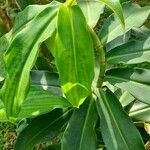
Costus barbatus
Red Tower Ginger · Red tower spiral ginger · Spiral Flag (ginger)
Description
Source: leafsnapCostus barbatus, commonly known as red tower ginger or spiral ginger, is a tropical plant native to Central and South America. Belonging to the Costaceae family, it is notable for its tall, spiral-shaped stems that can grow up to 10 feet high. The plant also features vibrant red flowers that form clusters at the top of its stems. For centuries, Costus barbatus has been utilized in traditional medicine for its anti-inflammatory and analgesic properties. Additionally, it serves as a natural remedy for digestive issues, such as stomach ulcers and diarrhea. Beyond its medicinal uses, Costus barbatus is cultivated ornamentally for its striking appearance. Its tall stems make it an excellent choice for adding vertical interest to gardens or indoor spaces. In summary, Costus barbatus is a versatile plant that offers both medicinal and ornamental benefits and can thrive in tropical climates with proper care.
Care Guide
💧 Water Every 7 days
Spiral ginger, native to tropical rainforests, thrives in high humidity and prefers moist soil. To ensure lush growth, water it weekly. Commonly grown outdoors in warm climates, spiral ginger benefits from rainfall during its growing season, which mimics the conditions of its natural habitat.
☀️ Light Full sun
Spiral ginger primarily does well in settings with plenty of sunlight but can also tolerate locations with reduced light or deep shade. Native to sunny habitats, bright conditions are important for its optimal growth. However, excessive exposure can cause damage, while insufficient light can impede its development.
What are the sunlight requirements for Spiral Ginger (Costus barbatus)?
Spiral Ginger (Costus barbatus) requires full sun, which means it should receive above 6 hours of sunlight daily for ideal growth. It can also tolerate partial sun or full shade environments, where it gets about 3-6 hours of sunlight. It's important to observe how sunlight moves through your garden to choose spots that provide a perfect balance of light and shade for your plants, ensuring their happiness and health.
How does the sunlight affect the growth of Spiral Ginger?
The growth of Spiral Ginger is significantly affected by sunlight, as it thrives essentially in abundant sunlight environments but can also withstand areas with diminished light or heavy shade. Originating from habitats where sunlight is plentiful, illuminated surroundings play a crucial role in its growth. While it benefits from adequate exposure to light, both overexposure and a scarcity of light can lead to potential harm, inhibiting its development. This balance is crucial for the plant's health and vitality.
What artificial lighting requirements do indoor Spiral Ginger plants have?
Indoor Spiral Ginger plants require adequate lighting for optimal growth, especially when natural sunlight is insufficient, like during winter or in less sunny spaces. Artificial lights offer a vital solution, promoting faster, healthier growth. LED lights are popular for indoor plant lighting as they can provide specific wavelengths needed by the plants. Full sun plants need 30-50W/sq ft of artificial light, partial sun plants need 20-30W/sq ft, and full shade plants need 10-20W/sq ft. The artificial light source should be placed 12-36 inches above the plant to mimic natural sunlight, and most plants need 8-12 hours of light per day.
What are the symptoms of light deficiency in Spiral Ginger?
Symptoms of light deficiency in Spiral Ginger include small leaves, leggy or sparse growth, faster leaf drop, slower or no new growth, lighter-colored new leaves, and chlorosis. Excessive sunlight can cause sunscald, leaf curling, wilting, and leaf scorching. These symptoms indicate that the plant is not receiving the appropriate amount of sunlight needed for its overall health and development.
What solutions can address light deficiency or excess in Spiral Ginger?
To address light deficiency or excess in Spiral Ginger, indoor plants may require gradual relocation to sunnier spots, ensuring at least 6 hours of direct sunlight daily or using artificial light for plants that are not easily movable. Outdoor plants should be gradually moved to better sunlight spots to adapt without the risk of sunburn. Obstructions blocking sunlight can be minimized by pruning or transplanting smaller plants to locations with ample sunlight and good drainage. While parts of the plant affected by insufficient sunlight may not recover, new growth after adjusting light exposure will be healthy.
🌡️ Temperature 20–37.8°C
Spiral ginger naturally occurs in regions where temperatures range from 68 to 100 °F (20 to 38 °C). The plant favors warmer conditions, so supplying heat in cooler weather may be required.
What is the native environment and preferred temperature range for Spiral ginger?
Spiral ginger, botanically known as Costus barbatus, thrives in environments that offer a temperate range between 68 to 100 °F (20 to 38 °C). It is a heat-loving plant that prefers higher temperatures. During cooler weather, maintaining a warm environment is crucial for its growth. When temperatures drop in autumn, it is advisable to bring outdoor-grown Spiral ginger indoors, placing it near a bright window but at a safe distance from direct heat sources to avoid damage. Keeping the temperature above 20°C during the winter benefits the plant's health, as any temperatures approaching 0°C are harmful.
How does low temperature affect Spiral ginger and what are the remedies?
Spiral ginger is sensitive to low temperatures and thrives best in warm conditions, ideally above 20°C. Exposure to temperatures below 0°C can be harmful, and when the mercury dips below -5°C, the plant's leaves may start to lighten in color. Following frost damage, leaves can turn brown or black, displaying symptoms such as wilting and drooping. To combat these issues, trim off the frost-damaged parts and move the plant to a warm indoor environment to protect it from the cold. Placing it near a south-facing window ensures it receives sufficient sunlight. However, keep it away from heaters or air conditioning vents to avoid air dryness.
What is the impact of high temperature on Spiral ginger and how can it be managed?
Spiral ginger should ideally be kept below 38°C during the summer months. Temperatures exceeding 43°C can cause the leaves to lighten, making the plant more prone to sunburn. To manage high temperature impacts, trim away sunburned and dried parts of the plant. Relocate the plant to a spot where it can be shielded from the intense midday and afternoon sun. Additionally, watering the plant in the morning and evening helps keep the soil adequately moist, providing relief from the heat.
💨 Humidity
🪴 Soil 5-6
🌱 Fertilizer
Proper feeding is essential for the health and appearance of Spiral ginger. Fertilize Spiral ginger in summer, applying fertilizer once a month throughout the season. Nutrients supply energy for growth and help maintain the plant’s parts. Fertilization improves Spiral ginger’s flower display, ensuring its best blooms.
🪴 Pot & Repot Every 12 months
✂️ Pruning
Spiral ginger is known for its striking red bracts and distinctive spiral stems. To keep it healthy, prune the plant from late winter to early spring. Focus on removing any dead stems and thinning out overcrowded areas to improve air circulation. Make sure to use clean and sharp tools to prevent infections, which will help promote healthy growth and vibrant flowers throughout the growing season.
🌿 Propagating
🐛 Diseases & pets
☠️ Toxicity
Characteristics
- Plant Type
- Herb
- Life Cycle
- Perennial
- Genus
- Costus
- Family
- Costaceae
- Hardiness Zone
- 9-11
- Mature Height
- 1.83 m to 2.44 m
- Mature Spread
- 91 cm
- Leaf Color
- Green
- Leaf Type
- Evergreen
- Flower Color
- Red
- Flower Size
- 5.08 cm to 7.62 cm
- Bloom Time
- Summer, Early fall, Mid fall
- Planting Time
- Spring, Autumn
- Harvest Time
- Late summer, Fall, Early winter
- Native Area
- Costa Rica