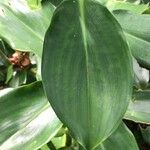
Costus woodsonii
Red cane · Scarlet Spiral-Ginger · Indian-head ginger · Scarlet spiral flag · Lipstick plant
Description
Source: leafsnapCostus woodsonii, commonly known as the Scarlet Spiral Flag, is a tropical plant species belonging to the Costaceae family. It gets its name from the striking red inflorescence that spirals around its central stem. Native to Central and South America, this plant thrives in moist, shaded environments such as rainforests and riverbanks. The Scarlet Spiral Flag can grow to a height of up to 6 feet and features long, lance-shaped, dark green leaves. Its flowers are cone-shaped, with bright red bracts surrounding yellow tubular flowers. For centuries, indigenous people have utilized this plant for its anti-inflammatory properties in traditional medicine. Additionally, its ornamental value makes it suitable for cultivation both indoors and outdoors in warm climates. Costus woodsonii requires regular watering, but it is important not to overwater to prevent root rot. While it prefers partial shade, it can tolerate full sun if adequately watered. During the growing season, the plant benefits from regular fertilization with a balanced fertilizer. In summary, Costus woodsonii is a visually appealing tropical plant with both ornamental and medicinal value. It thrives in warm, moist environments and can flourish indoors or outdoors with proper care.
Care Guide
💧 Water Every 7 days
Red button ginger flourishes in the warm, humid climate typical of tropical regions. It does best with weekly watering but can tolerate short periods of dryness. As an evergreen plant often kept indoors, it requires careful management of soil moisture to prevent root rot and keep its foliage vibrant.
How should I water my Red button ginger plant?
To properly water the Red button ginger, use filtered water at room temperature. Tap water should be avoided because it may contain harmful particles. The Red button ginger prefers warmer water because it originates from a warm environment and cold water may be too much of a shock. Avoid overhead watering as it can cause problems with the foliage. Instead, water the plant by applying filtered room temperature water directly to the soil until it is fully saturated. This helps to moisten the roots and promote nutrient absorption.
What should I do if I give my Red button ginger too much water or too little water?
Overwatering and underwatering can both harm your Red button ginger plant, but overwatering is a more common problem. When this species gets too much water, its stems and leaves can wilt and turn yellow. Extended overwatering can also cause diseases like root rot, mold, and mildew, which can be fatal for your plant. Underwatering is less likely for Red button ginger because it can tolerate dry conditions. However, it can still happen, and in that case, the leaves may become brittle and brown. It's crucial to recognize the signs of overwatering early when taking care of your Red button ginger. Some diseases resulting from overwatering, like root rot, may be irreversible if not addressed promptly. If you notice early signs of overwatering, reduce your watering schedule immediately. You should also check the quality of the soil in which your Red button ginger is planted. If the soil doesn't drain well, replace it with a loose, well-draining potting mix. On the other hand, if you see signs of underwatering, simply water more regularly until the signs disappear.
How much should I water my Red button ginger plant?
If your Red button ginger plant is in a pot, the most precise way to determine if it needs water is by checking the soil. Stick your finger into the soil, and if the top two to three inches feel dry, it's time to water it. If you're growing the Red button ginger outdoors in the ground, the same method can be used to test the soil. Once again, if the top few inches of soil have dried out, it's time to water. In the spring and early fall, following this method will usually lead to watering the plant about once a week. However, during extremely hot weather, you may need to increase watering to twice a week or more. It's worth noting that mature, well-established Red button ginger plants have a remarkable ability to withstand drought.
How much water does my Red button ginger plant need?
To water your Red button ginger effectively, ensure that the top two to three inches of soil are dry before watering. Give the plant a thorough watering, making sure to completely soak the soil. The water should be enough to cause excess water to drain through the holes at the bottom of the pot. If you don't see excess water draining, it means you haven't watered enough. However, be careful not to let the water accumulate inside the soil as it can harm the plant. If there's no water draining, it could indicate poorly draining soil, which is harmful to the plant's health. For outdoor plants, one inch of rain per week is sufficient.
How should I water my Red button ginger as it grows?
The water needs of the Red button ginger can vary depending on its growth stages. When the plant is in its early years or has recently been transplanted, it requires more water than usual. During these stages, the plant uses a lot of energy to develop new roots, which require extra moisture for optimal growth. As the plant matures, it will require less water. Additionally, during the blooming period, the plant may need additional water as flower development requires a significant amount of moisture.
☀️ Light Partial sun
Red button ginger grows best beneath a canopy of mottled light. This closely resembles the light conditions under the forest canopy in its original habitat. Although it can tolerate darker conditions, insufficient light exposure may impede its growth. Conversely, excessive light can scorch the plant's foliage.
What are the sunlight requirements for Red button ginger?
Red button ginger (Costus woodsonii) thrives best in partial sunlight, receiving about 3-6 hours of sunlight daily. However, it's crucial to observe how sunlight moves through your garden to choose spots that offer a perfect balance of light and shade, ensuring the plants' well-being. This species can tolerate full sunlight in cooler weather, but in its natural habitat, it prefers the dappled light conditions similar to those under a forest canopy. Excessive exposure to sunlight can scorch the plant's foliage, while insufficient light can limit growth.
How does artificial lighting benefit Red button ginger indoors?
If natural sunlight is insufficient, especially during winter or in less sunny spaces, artificial lighting becomes critical for the optimal growth of indoor plants like Red button ginger. Artificial lights, such as LED lights, can provide specific wavelengths needed by the plants, supporting faster and healthier growth. For effective use, consider the type of artificial light, ensuring full sun plants receive 30-50W/sq ft, partial sun plants get 20-30W/sq ft, and full shade plants have 10-20W/sq ft. The lights should be placed 12-36 inches above the plant and turned on for 8-12 hours per day to mimic natural daylight hours.
What are the common symptoms of improper light conditions in Red button ginger?
Symptoms of light deficiency or excessive light in Red button ginger include small or lighter-colored new leaves, leggy or sparse growth, faster leaf drop, and slower or no new growth, indicating poor light conditions. Conversely, chlorosis, sunscald, leaf curling, wilting, and leaf scorching signify damage from excessive sunlight. These symptoms highlight the plant's struggle with the light conditions, affecting its ability to photosynthesize and maintain overall health.
What solutions can support healthy growth of Red button ginger with regard to sunlight?
To optimize the growth of Red button ginger in response to sunlight challenges, gradually adapting the plant to changing light conditions is key. For indoor plants, moving them to sunnier spots weekly until they achieve 3-6 hours of direct sunlight or supplementing with artificial light for at least 8 hours daily can be beneficial. Outdoors, avoid sudden changes in light intensity by progressively moving plants to sunnier locations. If necessary, reduce environmental obstructions by pruning or transplanting to ensure ample sunlight access. Remember, parts of the plant damaged by insufficient light may not recover, but new growth will be healthier with improved light conditions.
🌡️ Temperature 20–37.8°C
Red button ginger originates from tropical regions and thrives in temperatures from 68 to 100 °F (20 to 38 ℃). During colder periods, maintaining a warm, steady indoor temperature is recommended to replicate its natural habitat.
What is the native environment of Red button ginger?
Red button ginger, scientifically known as Costus woodsonii, is native to tropical environments. It flourishes in a temperature range of 68 to 100°F (20 to 38°C), thriving in warm climates that mimic its natural habitat. This plant is extremely heat-loving and does not tolerate cold temperatures well.
How should Red button ginger be cared for in cooler seasons?
During the cooler seasons, it is important to provide Red button ginger with a warm, consistent temperature if it's grown indoors, to mimic its tropical origins. If the plant has been growing outdoors, it's recommended to bring it inside in the autumn and place it near a bright window. However, it should be kept at a certain distance from heaters to avoid any damage. Ensuring the temperature remains above 20°C during winter is crucial for the plant's health as temperatures approaching 0°C are detrimental.
What should you do if Red button ginger is exposed to low temperatures?
If Red button ginger is exposed to low temperatures, showing signs such as lightened leaf color when the temperature drops below -5°C or frost damage, immediate action is required. You should trim off the frost-damaged parts and move the plant to a warm, indoor environment to protect it from the cold. Placing the plant near a south-facing window ensures ample sunlight. It's also important to avoid placing it near heaters or air conditioning vents, which can cause excessive dryness.
How can you protect Red button ginger from high temperatures?
Red button ginger should ideally be kept below 38°C during the summer to prevent it from overheating. If temperatures exceed 43°C, the leaves may lighten, and the plant can become more susceptible to sunburn. To deal with sunburn, trim away the sunburned and dried-up parts and move the plant to a spot that offers shade, particularly from the midday and afternoon sun. Watering the plant in the morning and evening will help keep the soil moist and the plant hydrated.
💨 Humidity
🪴 Soil 5-6
🌱 Fertilizer
Proper fertilization is essential for the health and appearance of Red button ginger. Fertilize Red button ginger in summer, applying it monthly throughout the summer. Nutrients drive growth and sustain the plant's parts. Fertilization improves Red button ginger's flower display, ensuring the best blooms.
Why should I use fertilizer for my Red button ginger plant?
Fertilizer and soil nutrients are vital for the healthy growth of your Red button ginger. Plants, including the Red button ginger, rely on these nutrients found in the soil to develop new plant material and maintain their existing components. Specifically for the Red button ginger, fertilization is crucial to enhance the beauty of its flowers. As the flowers are the main attraction of this plant, gardeners typically prioritize providing the best environment for them to thrive. Fertilization is a dependable method to ensure your Red button ginger produces the most vibrant and impressive blooms.
When should I fertilize my Red button ginger for the best results?
The Red button ginger undergoes two main phases each year. The first phase, called the dormant phase, occurs during the winter when there is minimal new growth. The second phase is the active growth phase, which happens in the spring and fall. During this time, it is crucial to fertilize your Red button ginger. It is recommended to start fertilizing in the spring and continue once a month throughout the rest of the spring and most of the summer. As fall approaches, you can gradually decrease the frequency of fertilization.
When is it best to not put fertilizer on my Red button ginger plant?
If you want to help your Red button ginger plant grow, be careful not to cause root burn. The plant needs extra nutrients during the spring and summer when it is actively growing. However, during the fall and winter when it goes into dormancy, you should stop fertilizing.
What kind of fertilizer should I use for my Red button ginger plant?
To help your Red button ginger grow well, it is best to use a fertilizer that contains a balanced mix of the three main plant nutrients. It is especially beneficial if the fertilizer has slightly higher amounts of phosphorus. Another option is to enhance the soil by adding organic materials like compost, worm castings, and manure. There are various types of fertilizers available, and most of them will be suitable for your Red button ginger. However, the top choices are liquid or powdered fertilizers. No matter which type you choose, it is important to dilute the fertilizer and apply it while watering your Red button ginger.
How should I add fertilizer to my Red button ginger plant?
To properly apply fertilizer to your Red button ginger, start by finding a suitable fertilizer and learning the ideal fertilization schedule. Once you have this information, you can move on to understanding how to apply the fertilizer. Mixing your chosen liquid fertilizer with water is the most reliable method. Each fertilizer brand will have specific instructions on how to use their product, so it's best to follow their guidance. These instructions will also cover how to dilute the fertilizer correctly to avoid overfertilization. Mixing the fertilizer with water is a straightforward process, and once done, you just need to pour the mixture into the soil where your Red button ginger is planted.
🪴 Pot & Repot Every 12 months
✂️ Pruning
Red button ginger features vibrant red flowers and lush foliage. It thrives with regular pruning from late winter to early spring. The key techniques include removing dead stems and thinning clusters to improve air circulation, which promotes vigorous blooms and vitality. Using sharp, clean tools is essential to prevent damage to the plant.
🌿 Propagating
🐛 Diseases & pets
☠️ Toxicity
Characteristics
- Plant Type
- Herb
- Life Cycle
- Perennial
- Genus
- Costus
- Family
- Costaceae
- Hardiness Zone
- 9-11
- Mature Height
- 1.22 m
- Mature Spread
- 76 cm
- Leaf Color
- Green
- Leaf Type
- Evergreen
- Flower Color
- Red
- Flower Size
- 2.54 cm
- Bloom Time
- All year round
- Planting Time
- Summer, Autumn
- Harvest Time
- All year round
- Native Area
- Colombia, Nicaragua, Costa Rica, Panama