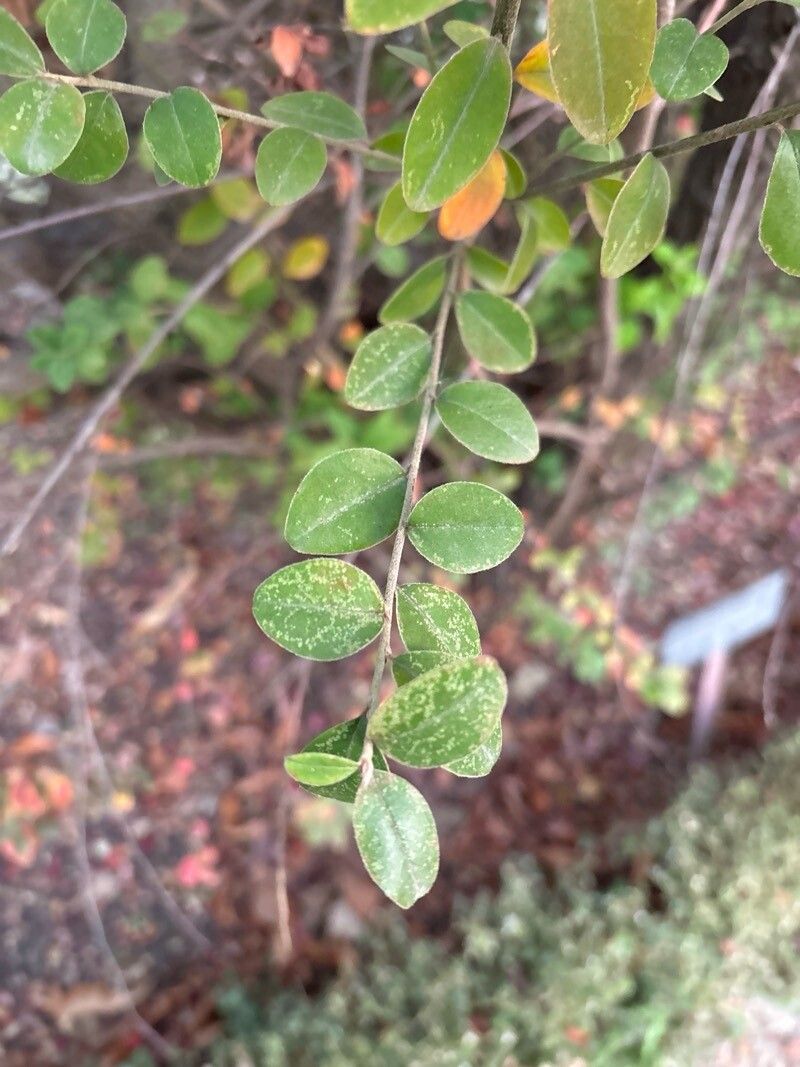
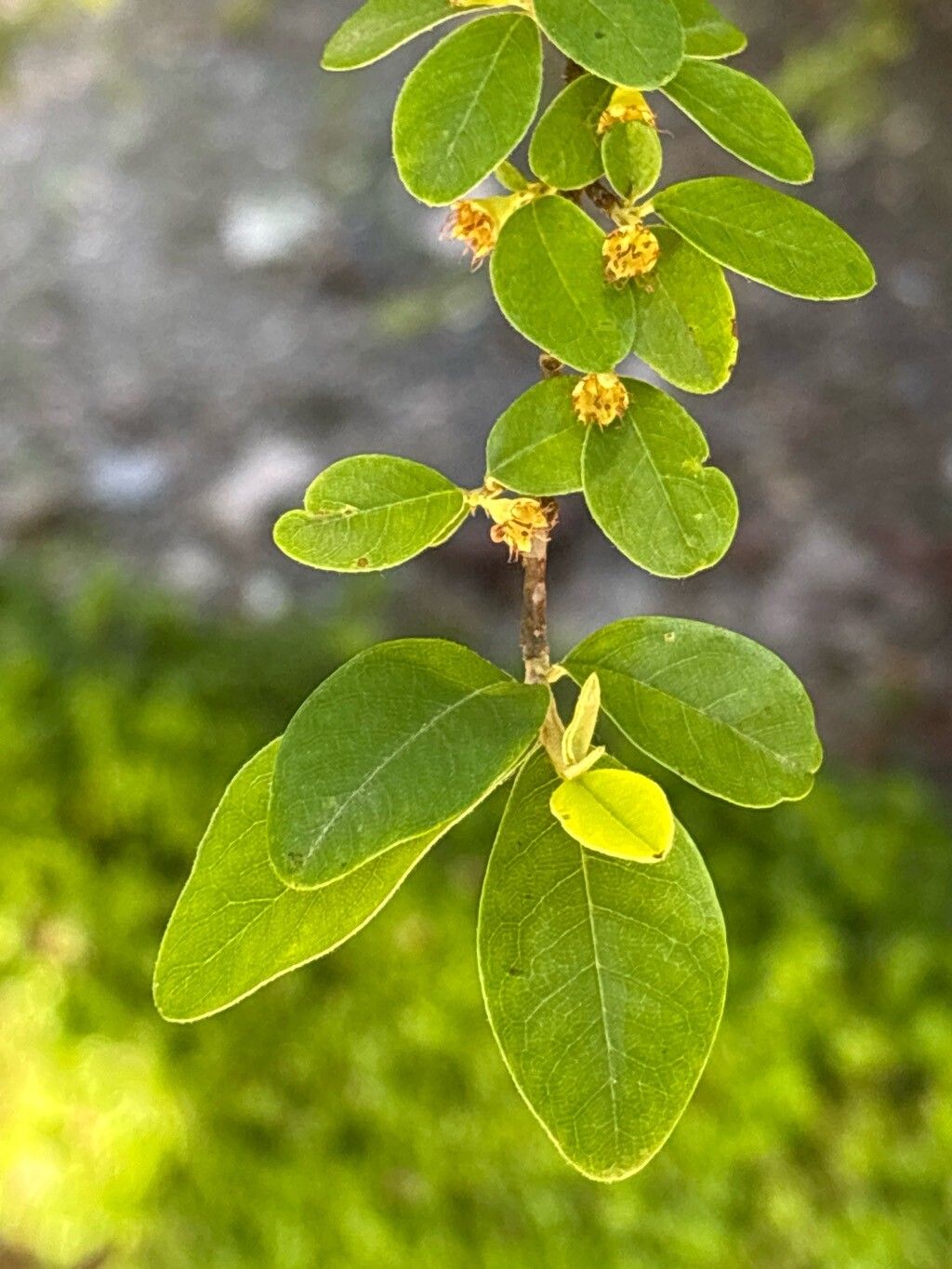
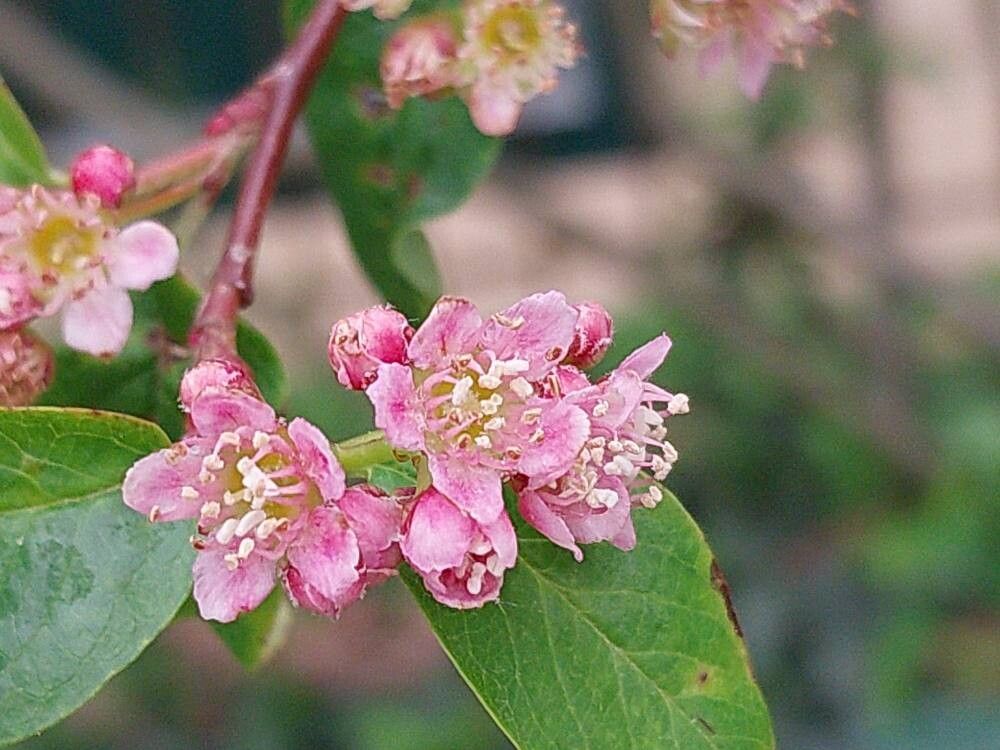
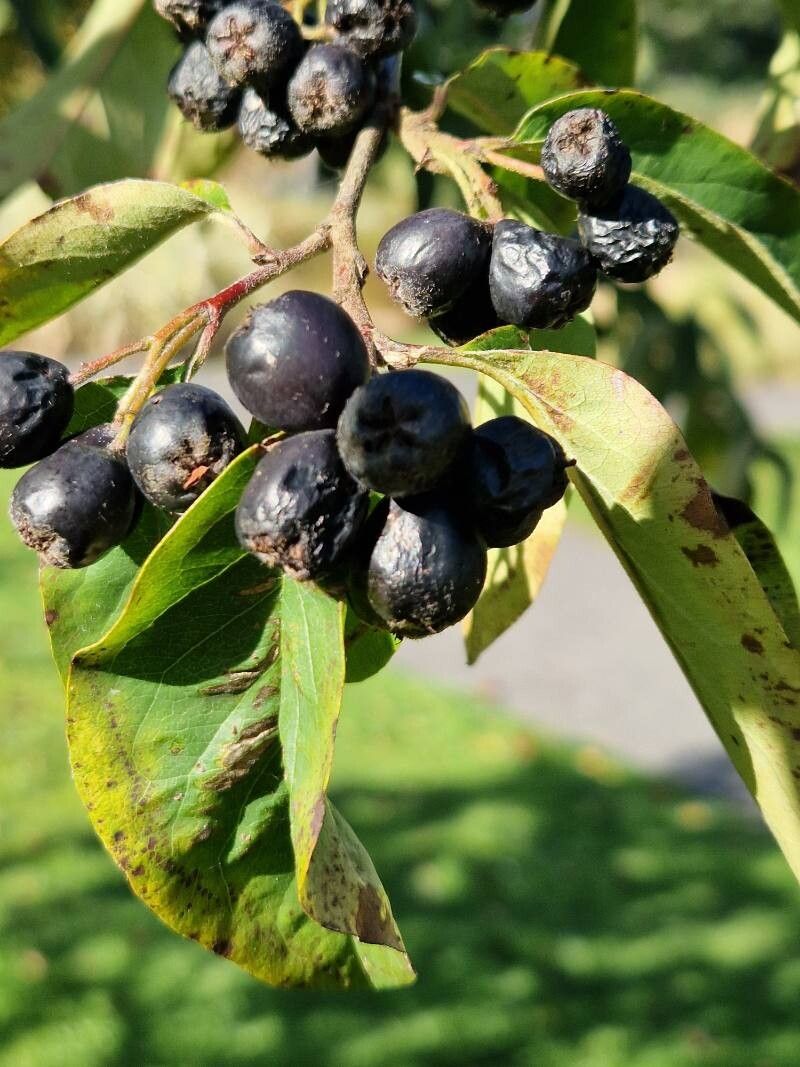
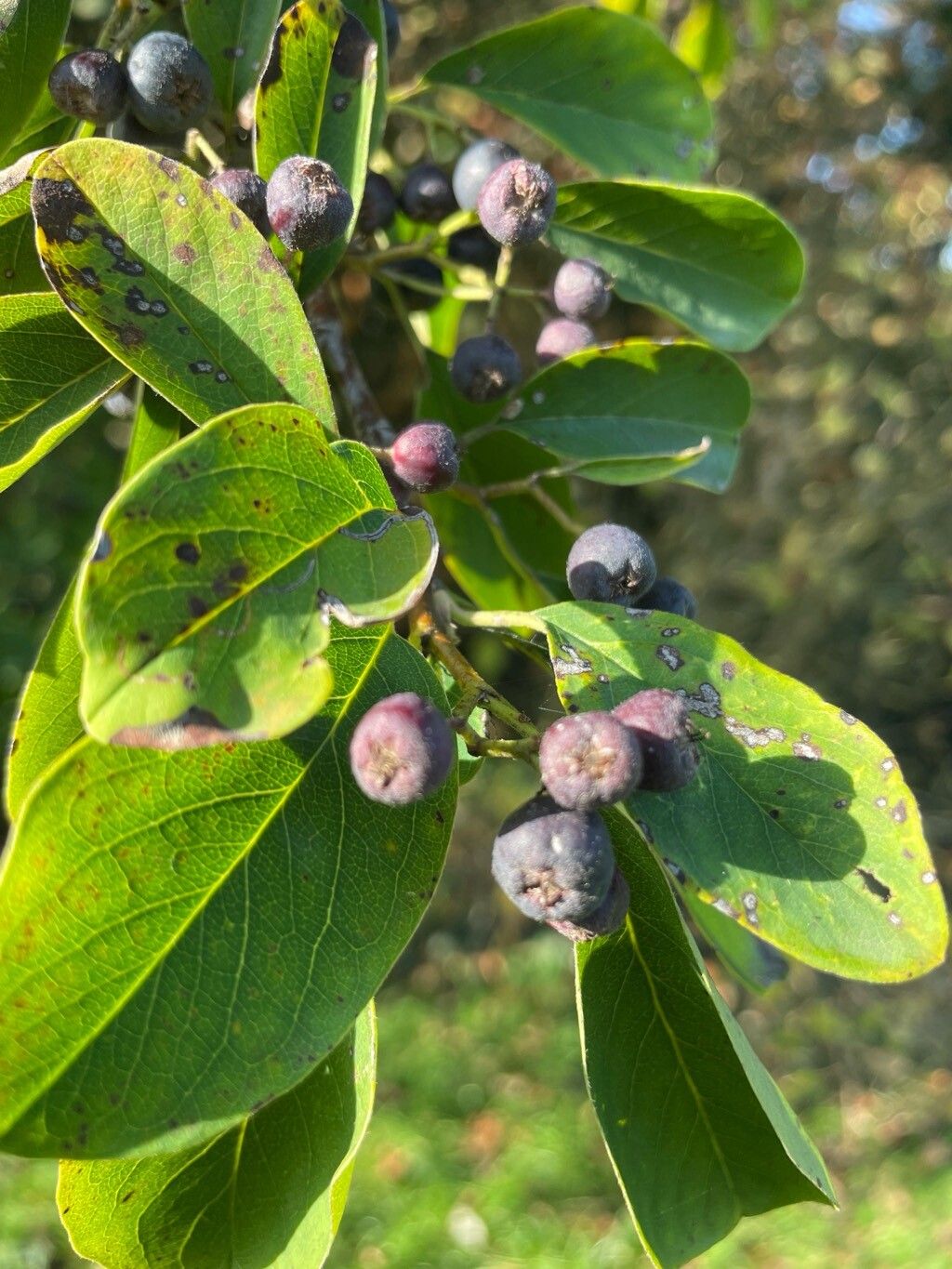
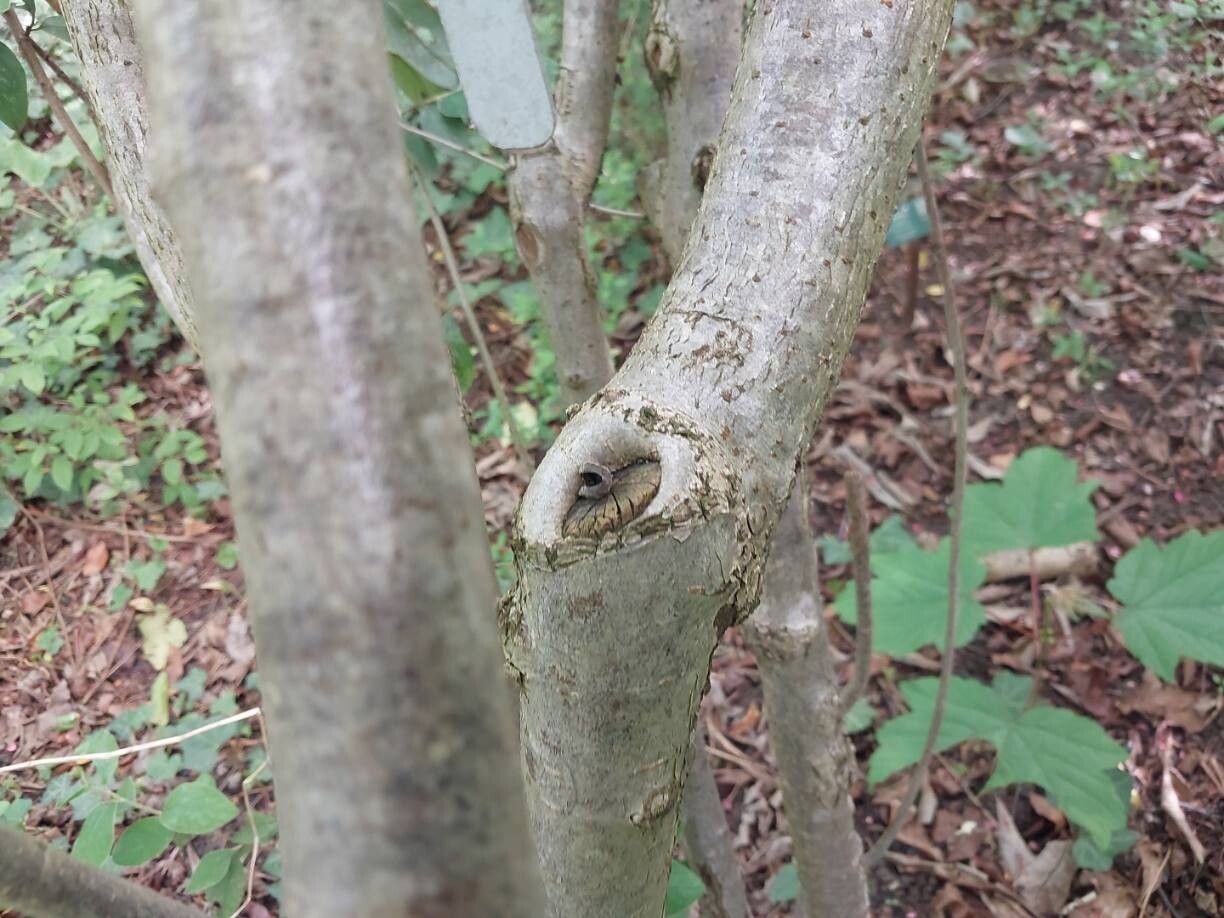
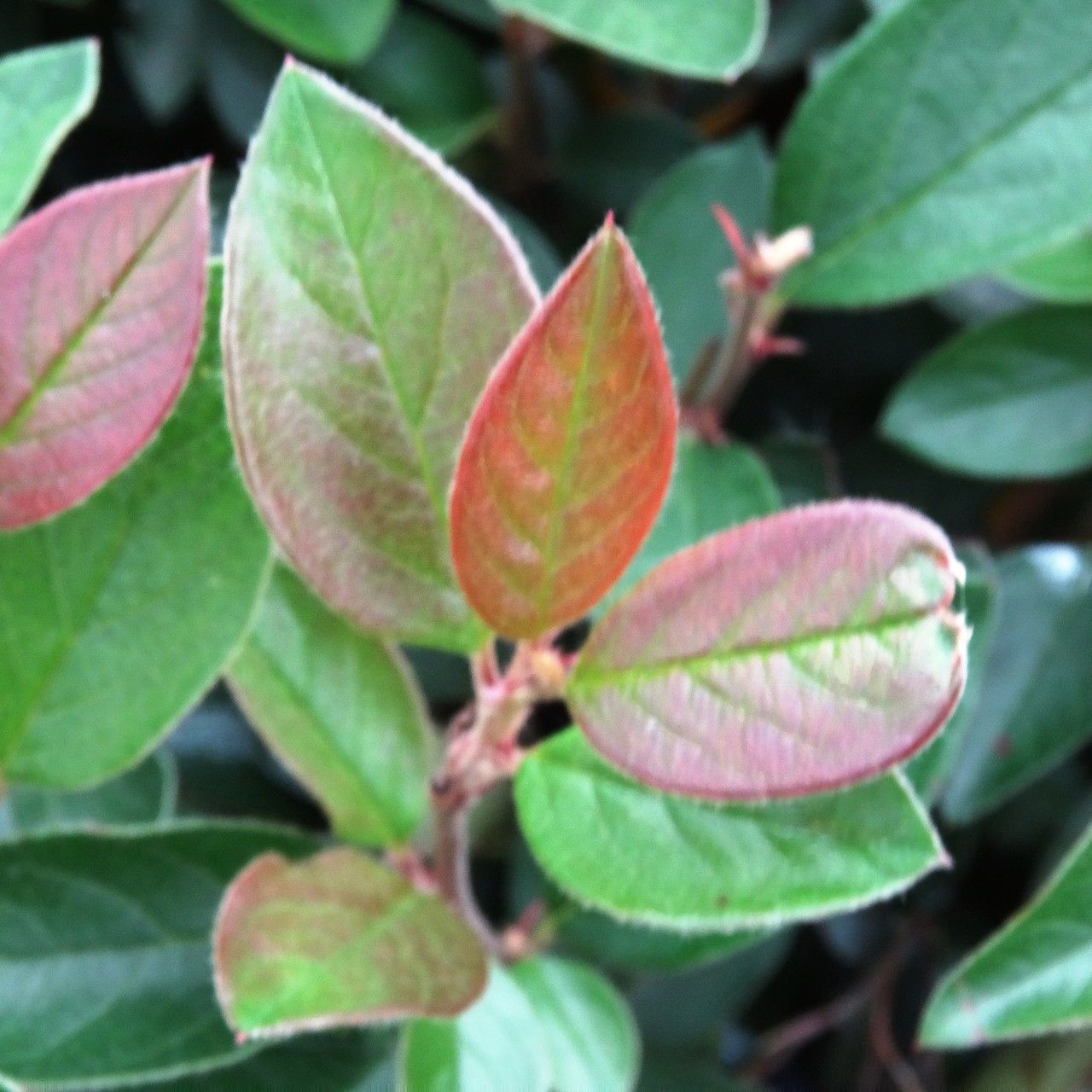
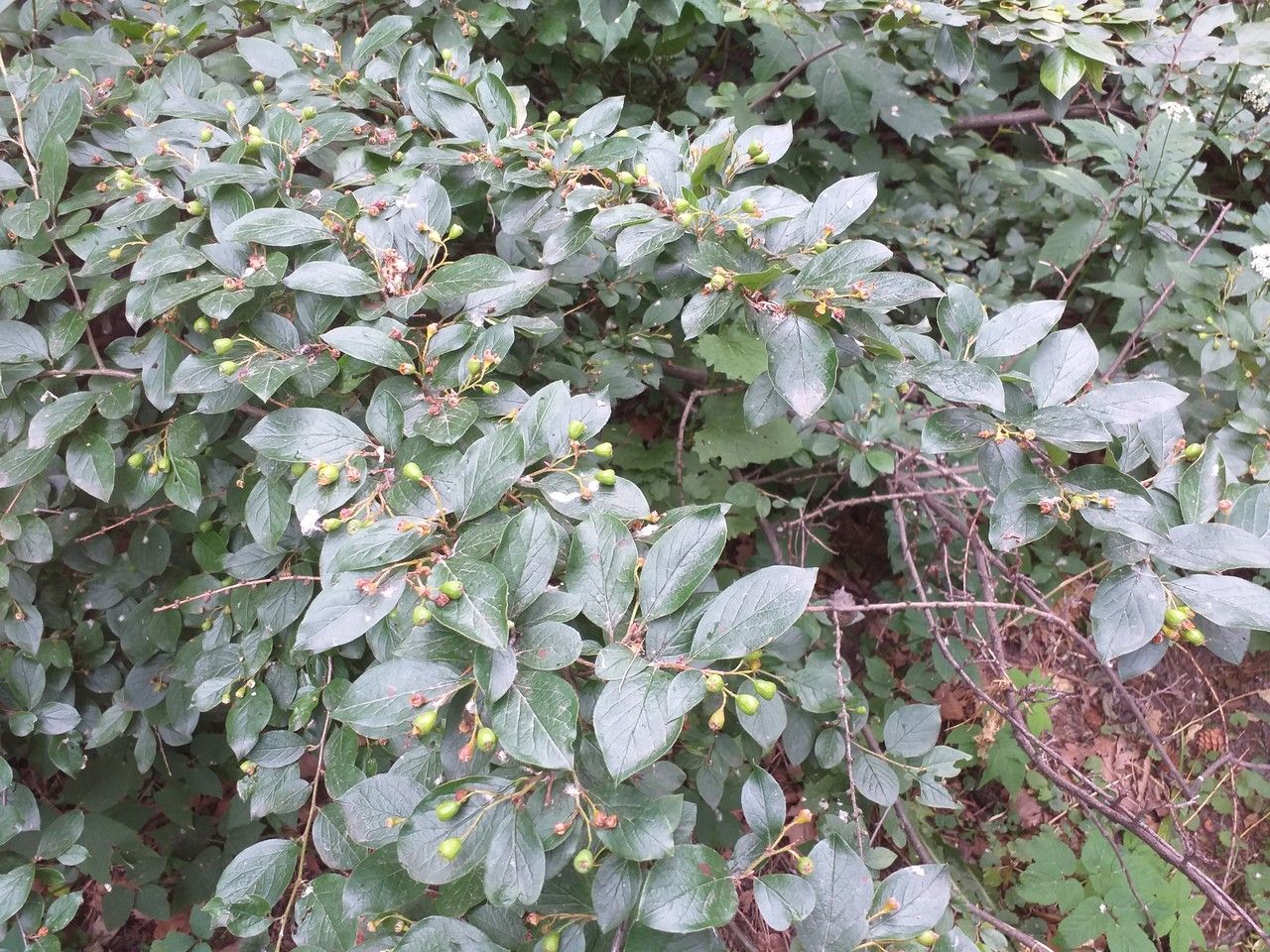
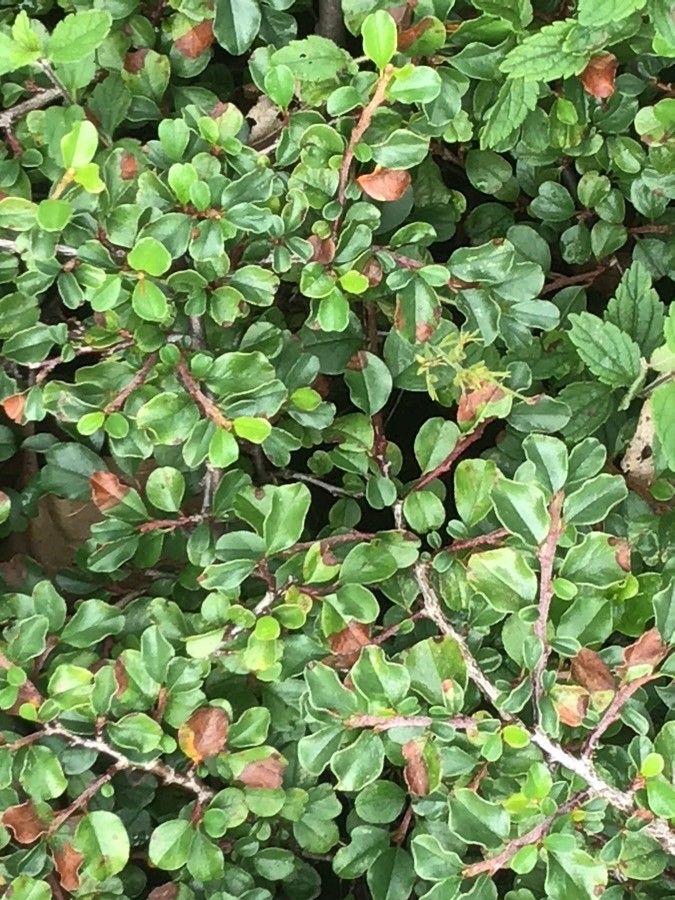
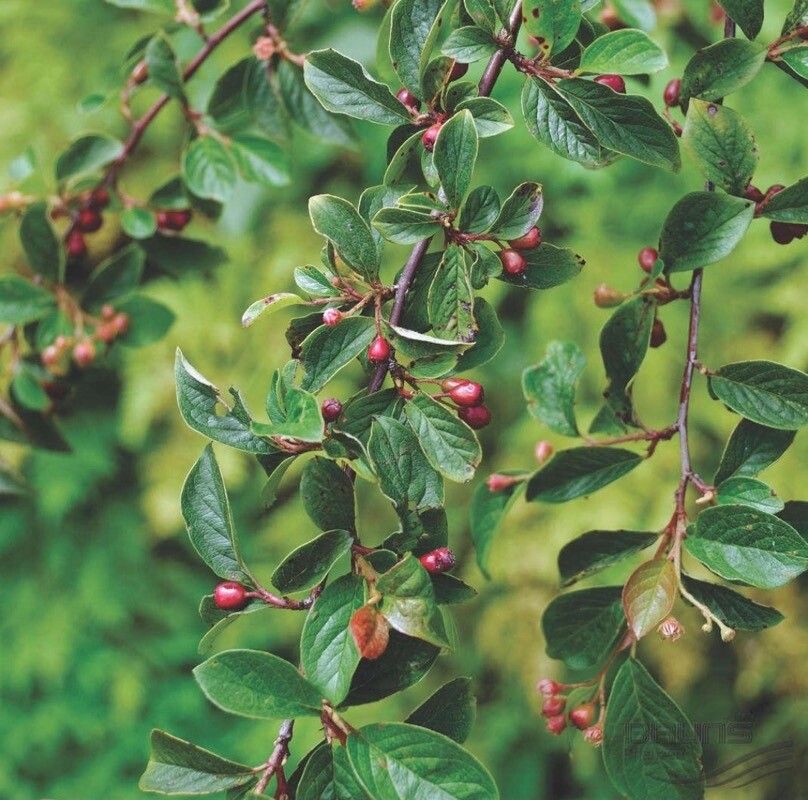
The Himalayan tree cotoneaster has strong disease resistance and is generally not susceptible to diseases. In terms of care, this plant is fairly low-maintenance. When planted outdoors it needs only minimal watering, and larger specimens typically do not require pruning. Smaller plants should be pruned after they have finished blooming. The Himalayan tree cotoneaster is suitable for anyone with an outdoor area, such as a garden or deck, and does not require much experience in plant care.
How to keep Cotoneaster Affinis.
Light
The Himalayan tree cotoneaster does best with plentiful sunlight but will also do well in moderate light. Originating from high-altitude habitats, it needs ample light for healthy growth. Yet too much or too little light can cause reduced growth and vitality.
Temperature
Himalayan tree cotoneaster is naturally found in temperatures between 50 and 95°F (10 to 35℃), reflecting its native Himalayan environment. During winter, adjustments to maintain a cool climate may be necessary. Monitor temperatures regularly to promote optimal growth.
Fertilizer
The timing of fertilizing Himalayan tree cotoneaster is important. Apply fertilizer in early spring and continue monthly until early summer. Fertilizer aids in producing attractive blooms and supplies energy during both dormant and active growth phases.
Pruning
To keep your Purple-berry Cotoneaster healthy, prune it in early spring. Focus on removing any dead or diseased branches. Thin out crowded areas to improve airflow and light exposure. You can shape the plant as desired, but avoid too many cuts to maintain a good berry yield. Make sure your tools are clean to prevent infections and promote new growth.
Botanical profile.
- Plant Type
- Tree, Shrub
- Life Cycle
- Perennial
- Genus
- Cotoneaster
- Family
- Rosaceae
- Hardiness Zone
- 6-9
- Mature Height
- 6.1 m
- Mature Spread
- 4.57 m
- Leaf Color
- Dark Green
- Leaf Type
- Evergreen, Deciduous
- Flower Color
- White
- Flower Size
- 0.51 cm to 1.02 cm
- Bloom Time
- Late spring, Early summer
- Planting Time
- Spring, Autumn
- Harvest Time
- Late summer, Early fall, Mid fall
- Native Area
- Nepal, Bhutan, India, China
Other names.