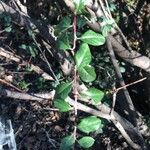
Cotoneaster zabelii
Cherryred Cotoneaster · Zabel's Cotoneaster · Cherry-red cotoneaster
Care Guide
💧 Water
Cherry-red cotoneaster, native to moderate climates, flourishes when watered weekly. It requires a balance between drought tolerance and proper hydration. The plant prefers consistent moisture but should not be waterlogged. Applying mulch outdoors helps retain soil moisture and mimics natural leaf litter, providing significant benefits to the cherry-red cotoneaster.
☀️ Light Full sun
Cherry-red cotoneaster comes from open habitats, such as sunny meadows and forest edges, that provide plentiful light. It prefers Full Sun but can tolerate Partial Sun, adapting well to a range of sunlight conditions.
What are the sunlight requirements for Cherry-red Cotoneaster (Cotoneaster zabelii)?
Cherry-red Cotoneaster (Cotoneaster zabelii) thrives in various sunlight conditions. For full sun exposure and optimal growth, it requires above 6 hours of sunlight daily. It can also grow in partial sun, which means about 3-6 hours of sunlight. It's important to observe how sunlight moves through your garden to find spots that offer the right mix of light and shade, ensuring the plants are happy and healthy.
Are there any specific warnings regarding sunlight exposure for Cherry-red Cotoneaster?
Yes, when growing Cherry-red Cotoneaster (Cotoneaster zabelii), it's crucial to watch how sunlight moves through your garden. This observation helps in choosing locations that provide a perfect balance of light and shade, ensuring the plants' overall happiness and growth. This warning underlines the importance of not just the quantity of sunlight but also the quality and distribution throughout the day.
🌡️ Temperature 5–32.2°C
The cherry-red cotoneaster is highly adaptable to a variety of climatic conditions, from searing summers to frosty winters. Nonetheless, it has a preferred temperature range for healthy growth. If temperatures become too high, the plant may experience stress from heat and humidity, which can be fatal. In areas where temperatures near the lower boundary of its cold tolerance, insulating measures should be taken to protect the plant.
💨 Humidity
🪴 Soil 6-7
🌱 Fertilizer
Proper timing is important for fertilizing the Cherry-red cotoneaster. Apply fertilizer in early spring and continue on a monthly schedule until early summer. Fertilizer promotes attractive blooms and supplies energy during both dormant and active growth periods.
🪴 Pot & Repot
✂️ Pruning
The cherry-red cotoneaster is known for its cascading branches and vibrant red berries. To maintain its health and appearance, prune it between early and late winter. Focus on removing any dead wood and overcrowded branches to improve airflow. Avoid heavy pruning to protect the blooms that develop on old wood. Annual light pruning will encourage growth, enhance fruit production, and maintain its ornamental beauty.
🌿 Propagating
🐛 Diseases & pets
☠️ Toxicity
Characteristics
- Plant Type
- Shrub
- Life Cycle
- Perennial
- Genus
- Cotoneaster
- Family
- Rosaceae
- Hardiness Zone
- 4-8
- Mature Height
- 2.13 m
- Mature Spread
- 3.05 m
- Leaf Color
- Dark Green, Olive Drab
- Leaf Type
- Evergreen
- Flower Color
- White
- Flower Size
- 0.76 cm to 1.02 cm
- Bloom Time
- Mid spring, Late spring
- Planting Time
- Spring, Summer, Autumn
- Harvest Time
- Late summer, Early fall, Mid fall
- Native Area
- China