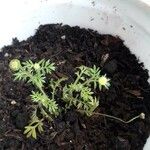
Cotula australis
Annual Buttonweed · Australian waterbuttons · Bachelor's-button · Carrotweed · Common cotula
Description
Source: leafsnapCotula australis, commonly known as Australian Cotula or Brass Buttons, is a low-growing perennial plant in the Asteraceae family. Native to Australia and New Zealand, it has been introduced to other parts of the world as an ornamental plant. The plant features small, round, glossy green leaves and produces yellow, button-like flowers that bloom from spring through summer. These flowers attract bees and other pollinators. Cotula australis prefers moist soil conditions but can tolerate some drought once established. It thrives in full sun to partial shade and can be used as ground cover or in rock gardens. The plant is easy to grow, low-maintenance, and can be propagated by division or from seed. However, it may become invasive if not properly managed. In the traditional medicine practices of Australia's indigenous people (Aboriginals), Cotula australis was used for its antibacterial properties to treat skin infections. Overall, Cotula australis is an attractive ornamental ground cover with yellow, button-like flowers. Its medicinal uses for treating skin infections, along with its aesthetic appeal, make it an interesting addition for gardeners interested in both ornamental and traditional medicinal plants.
Care Guide
💧 Water Every 7 days
Australian Waterbuttons thrive in areas with varying moisture levels and have a moderate tolerance for drought. While they prefer a consistently moist environment, they should not be waterlogged. For optimal growth, water them weekly. When grown outdoors, rainwater can further enhance their development.
How should I water my Australian Waterbuttons?
To water Australian Waterbuttons, you have several options - a garden hose with a spray nozzle, a watering can, or any other common watering tool will do. These plants are not too particular about the type of water they receive - rainwater, tap water, or filtered water will all work. However, it's best to avoid watering them from above as this can harm the leaves and flowers and potentially lead to disease. A drip irrigation system is often the most effective way to water Australian Waterbuttons, as it provides even and direct watering to the soil. If you have a container-grown Australian Waterbuttons, you can follow a similar watering approach, but you may need to switch the tools you use. A cup, watering can, or simply pouring water from your tap directly onto the soil should suffice.
What should I do if I give too much or too little water to my Australian Waterbuttons?
The remedy for underwatering Australian Waterbuttons is simple: water the plant more regularly when you notice it lacks moisture. Overwatering, on the other hand, is a more serious issue that can lead to disease and death. To prevent this, choose a growing location with sunlight and good drainage. If you've overwatered a potted Australian Waterbuttons, consider changing it to a pot with better drainage and loose soil.
How frequently should I water my Australian Waterbuttons?
Australian Waterbuttons require regular watering throughout the growing season. In spring, it's recommended to water the plant once per week. As the season progresses and temperatures rise, you may need to increase watering to two or three times per week. However, be careful not to exceed this frequency as it can harm the plant. Regardless of the watering frequency, ensure that the soil remains moist but not overly wet. When watering Australian Waterbuttons in a pot, it's important to water more frequently than in-ground plants. Potted soil tends to heat up and dry out faster, so watering a container-grown Australian Waterbuttons a few times per week is usually necessary, compared to just once per week for plants in the ground.
How much water does my Australian Waterbuttons plant need?
There are a few ways to figure out how much water to give your Australian Waterbuttons. One way is to feel the soil to check for moisture – you should water until the first six inches of soil feel wet. Another option is to use a specific measurement. Typically, Australian Waterbuttons need about two gallons of water per week, depending on the weather and how quickly the soil dries out. However, be careful not to overwater if your plant needs less. If you're growing Australian Waterbuttons in a container, you'll need a different approach. Make sure to moisten all the dry layers of soil – you can check by sticking your finger in the soil. You can also water until you see a little excess water coming out of the drainage holes.
How can I know if I'm giving enough water to my Australian Waterbuttons plants?
Avoiding overwatering your Australian Waterbuttons can be challenging due to their specific watering requirements. These plants have deep roots that need to be moistened weekly, but they are also highly vulnerable to root rot. Overwatering can lead to browning of the plant, so it is important to strike a balance. While underwatering is less likely to occur, as these plants can survive without much watering for some time, prolonged lack of water can cause wilting and dry leaves.
☀️ Light Full sun
Australian Waterbuttons thrives in full sun, particularly in its native habitats. It can, however, tolerate settings with only partial sunlight during the day. Insufficient light can limit the plant's growth, while excessive sun is generally not a problem.
What are the sunlight requirements for Australian Waterbuttons?
Australian Waterbuttons require comprehensive exposure to sunlight to thrive, ideally flourishing under full sun conditions, which means they need more than 6 hours of sunlight daily. However, they can also grow in partial sun, receiving about 3-6 hours of sunlight each day. It's essential to monitor the movement of sunlight through your garden to find spots that offer the right balance of light and shade, ensuring the plants' well-being. In situations where natural light is insufficient, particularly indoors or during less sunny seasons, artificial lighting can be a beneficial alternative. Effective indoor lighting involves using the correct type of light, such as LED, adjusting the light's intensity and coverage based on the plant's needs (30-50W/sq ft for full sun plants, 20-30W/sq ft for partial sun, and 10-20W/sq ft for full shade), setting the correct distance (12-36 inches above the plant), and timing the light exposure to mimic natural daylight hours, typically 8-12 hours daily.
What signs indicate insufficient or excessive sunlight in Australian Waterbuttons?
Australian Waterbuttons show various symptoms when they receive inadequate or too much sunlight. Insufficient light may lead to smaller leaves, leggy or sparse growth, faster leaf drop, halted or no new growth, lighter-colored or chlorotic leaves. Excessive sunlight can cause issues like chlorosis (leaves turning yellow), sunscald (damage from intense light causing pale or necrotic spots), leaf curling (to reduce surface area exposed to light), wilting (from excessive water loss), and leaf scorching (brown, dry edges from too much sunlight). Identifying these symptoms early can help in adjusting the plant's exposure to sunlight or artificial light accordingly.
How can I adjust my Australian Waterbuttons' light exposure to promote healthy growth?
To promote healthy growth in Australian Waterbuttons, gradually increase their exposure to sunlight if they've been receiving too little, aiming for at least 6 hours of direct sunlight daily. Gradual relocation to sunnier spots can prevent shock from sudden changes. For indoor plants or those too large to move easily, consider artificial lighting, keeping lamps on for at least 8 hours per day. If outdoor plants suffer from insufficient sunlight, gradually moving them to better-lit areas can help, while avoiding drastic changes that could lead to sunburn. Additionally, for plants growing in the ground with sunlight obstructions, you might need to prune blocking trees or transplant the plants during their dormant period to spots with more sunlight and good drainage. It's important to note that parts of the plant already affected by light discrepancies may not recover, but new growth will be healthier following these adjustments.
🌡️ Temperature 20–35°C
Australian Waterbuttons originates from climates in which temperatures commonly range from 68 to 95 °F (20 to 35 ℃). The plant does best in these warmer conditions and may need temperature adjustments in cooler seasons to achieve optimal growth.
What is the optimal temperature range for Australian Waterbuttons?
Australian Waterbuttons, also known as Cotula australis, thrive best in temperatures ranging from 68 to 95°F (20 to 35°C). These conditions are ideal for the plant's growth, indicating its preference for warmer climates. It is crucial to maintain temperatures above 20°C, especially during winter, to ensure the plant's health. In cooler seasons or when temperatures approach 5°C, extra care is needed to prevent harm, such as moving the plant indoors and avoiding placement near heaters to maintain optimal growth conditions.
How should Australian Waterbuttons be cared for in low temperatures?
Australian Waterbuttons prefer warm conditions and do not tolerate low temperatures well. Ideally, the temperature should be kept above 20°C, ensuring it never falls below 5°C. Exposure to temperatures below 1°C can cause the leaves to lighten in color, leading to browning or blackening and symptoms of wilting or drooping after frost damage. To care for Australian Waterbuttons in low temperatures, frost-damaged parts should be trimmed off and the plant immediately relocated to a warm, indoor environment. Placing the plant near a south-facing window ensures ample sunlight, but it should not be placed too close to heaters or air conditioning vents to avoid air dryness.
What measures should be taken when Australian Waterbuttons are exposed to high temperatures?
Australian Waterbuttons should be kept in conditions below 35°C during hot summer months to avoid stress from high temperatures. Exposure to temperatures over 41°C can result in lighter leaf colors and increased susceptibility to sunburn. If the plant experiences sunburn, removing sunburned or dried-up parts is necessary. The plant should then be moved to a shaded location, especially during the midday and afternoon sun, to prevent further damage. Regular morning and evening watering is advisable to keep the soil moist and support the plant's well-being in higher temperatures.
💨 Humidity
🪴 Soil 6-7
🌱 Fertilizer
Australian Waterbuttons respond well to regular, weak fertilizer applications to encourage healthy leaf development. Fertilize Australian Waterbuttons roughly once a month during the summer. Nitrogen is important for the foliage, and adding nitrogen-rich sources helps Australian Waterbuttons do well.
🪴 Pot & Repot
✂️ Pruning
The Australian Waterbuttons plant has a low-growing, mat-forming habit and is adorned with small, daisy-like flowers. To maintain its health and appearance, prune it between early and late spring. This helps remove any damaged parts, improves air circulation, and enhances flowering. Regular maintenance will ensure the plant remains compact and visually appealing, making it an attractive addition to any garden.
🌿 Propagating
🐛 Diseases & pets
☠️ Toxicity
Characteristics
- Plant Type
- Herb
- Life Cycle
- Annual, Perennial
- Genus
- Cotula
- Family
- Asteraceae
- Hardiness Zone
- 10
- Mature Height
- 10 cm
- Mature Spread
- 15 cm to 40 cm
- Leaf Color
- Green, Blue
- Leaf Type
- Evergreen
- Flower Color
- Yellow
- Flower Size
- 0.25 cm to 0.76 cm
- Bloom Time
- Spring, Summer
- Planting Time
- Spring, Autumn
- Harvest Time
- Late spring, Summer, Early fall, Mid fall
- Native Area
- Lesotho, South Africa, Madagascar, New Zealand, Zimbabwe