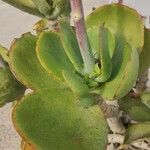
Cotyledon orbiculata
قاشقی · Pig's ear · Pig's-ears · Dog's ears · Round-leaved navelwort
Description
Source: leafsnapCotyledon orbiculata, commonly known as the Pig's Ear plant, is a succulent species native to South Africa. It is a popular ornamental plant due to its attractive appearance and low maintenance requirements. The plant has thick, fleshy leaves that are round and slightly concave, resembling pig ears. These green leaves often feature red or brown margins, which become more pronounced with increased sunlight exposure. During the summer months, Cotyledon orbiculata produces clusters of tubular flowers on tall stems. The flowers are typically orange or yellow and attract pollinators such as bees and butterflies. This succulent species thrives both indoors and outdoors in warm climates with well-draining soil and plenty of sunlight. It requires minimal watering but should be protected from frost during colder months. In addition to its ornamental value, Cotyledon orbiculata has been used for medicinal purposes by indigenous South Africans for centuries, valued for its anti-inflammatory properties.
💡 The round-leafed navel-wort is a drought-resistant plant that requires minimal maintenance. It doesn't need frequent watering but benefits from occasional deep watering and small doses of fertilizer. To keep the plant healthy and help it conserve energy, it's important to remove spent blooms and old stalks regularly.
🌳 The round-leafed navel-wort (Cotyledon orbiculata) is an ornamental succulent appreciated for its uniquely shaped leaves. In addition to its attractive foliage, this species produces vibrant red, yellow, and orange blooms during the summer. It is often used as ground cover in succulent and rock gardens due to its drought tolerance and low maintenance requirements.
Care Guide
💧 Water Every 7 days
The round-leafed navel-wort is ideal for arid climates due to its exceptional drought resistance. It requires minimal watering—about once every 2-3 weeks—and the soil should be allowed to dry out completely between waterings. This plant thrives in well-draining soil and is best suited for outdoor environments, where it adapts well to natural variations in rainfall.
How should I water my Round-leafed navel-wort plant?
To ensure proper watering for this species, it is recommended to water it from the bottom. This allows the roots to efficiently absorb water and circulate nutrients throughout the plant. Avoid spilling water on the top part, as this can lead to diseases and fungal growth. If you have irrigation systems, use small revolving sprinklers, specifically for Round-leafed navel-worted plants. These sprinklers allow you to adjust the water delivery patterns as needed. Avoid using sprinklers on windy days. Whether the Round-leafed navel-wort is in a pot or in your garden, follow the soak and dry method to evenly distribute moisture to the root systems, promoting healthier growth. Some owners might opt for a built-in drainage system, using porous materials like recycled glass or hydro stones below the soil. These layers serve as reservoirs for excess water, but be sure not to overwater these built-in systems.
What should I do if I give my Round-leafed navel-wort plant too much or too little water?
When the Round-leafed navel-wort turns yellow, it may be due to being underwatered or overwatered. If the soil is too wet, there could be fungal infections, so allow everything to dry out and avoid overwatering. Browning and dropping symptoms indicate excessive moisture, while yellow tips on stems and branches suggest insufficient water. Before buying the Round-leafed navel-wort, check if the soil drains properly. Inadequate drainage can lead to water shortage for the plant in the future. Overwatering or excessive rain can cause the plant to die, so use rainwater or distilled water to avoid mineral buildup. Squishy stems, drooping growth, and discolored parts are signs of excessive moisture. Give the plant time to recover by allowing the pot to dry out. Consider transferring it to a different container to prevent root rot and dripping. In winter, transferring it to a pot can aid in recovery if it's planted outside.
How often should I water my Round-leafed navel-wort plant?
Watering frequency for succulents can vary depending on the season. In the summer and spring, you typically only need to water them once every two to three weeks. However, during the winter and fall, it's best to reduce or avoid watering altogether since these plants become dormant. It's important to let the soil dry completely before watering again. It's better to slightly underwater than to overwater. When potted, deep watering at intervals promotes healthier soil growth. When planted outdoors, avoid watering lightly as this encourages shallow root growth. Instead, wait a few weeks and only water when the surrounding soil is too dry.
How much water does my Round-leafed navel-wort plant need?
To efficiently water this succulent, ensure that you cover the entire pot. Place a saucer at the bottom of the pot to provide sufficient moisture to the roots. Once you notice the soil becoming saturated, remove the saucer immediately. The frequency and amount of water needed will be determined by the pot's holes and the amount of soil present. Typically, a can of water is adequate for the Round-leafed navel-wort when planted in pots. In the garden or outdoors, consider the amount of rainwater received. Generally, an inch of rainwater will be sufficient for a few weeks, so avoid additional watering. If the succulent is outdoors, water it in the morning with approximately a gallon of water after the soil has become completely dry. This will allow the excess moisture to evaporate with the assistance of sunlight.
Why do I need to water my Round-leafed navel-wort?
Watering the Round-leafed navel-wort is essential for providing the necessary nutrients from the soil to the entire plant. Insufficient moisture can lead to poor health or even malnourishment in this plant. To determine when to water, look for signs of thirst in the plant. It is important to avoid overwatering, as this can be harmful. It is recommended to use the soak and dry method for watering. When the soil becomes too dry, thoroughly water the plant until the excess water starts to drip from the pot. Then, allow the soil to rest for a few weeks without watering.
☀️ Light Full sun
Although the native habitat of round-leafed navel-wort implies a preference for plenty of sunlight, it has also become adaptable to areas with varying light levels. Too much sun can cause leaf discoloration, while too little may impede its overall growth and health.
What are the sunlight requirements for Round-leafed navel-wort?
Round-leafed navel-wort thrives in conditions ranging from full sun to partial sun. Full sun implies the plant should receive above 6 hours of sunlight, while partial sun suggests about 3-6 hours of sunlight. It's important to observe how sunlight moves through your garden, ensuring the chosen spots offer a harmonious blend of light and shade to meet your plant's needs and promote its well-being.
How does varying sunlight affect Round-leafed navel-wort?
Although Round-leafed navel-wort originates from regions receiving abundant sunlight, it has adapted to tolerate varying light intensities. Too much sunlight can lead to leaf discoloration, while insufficient sunlight might impede its growth and health. For indoor plants, artificial lighting can compensate for the lack of natural sunlight, with different requirements based on the plants' sunlight needs: 30-50W/sq ft for full sun, 20-30W/sq ft for partial sun, and 10-20W/sq ft for full shade plants. Proper artificial lighting involves selecting the right type of light, adjusting the distance from plants, and setting an appropriate duration of light exposure.
What symptoms indicate insufficient light exposure for Round-leafed navel-wort?
Symptoms of insufficient light for Round-leafed navel-wort include small or irregularly colored new leaves, leggy or sparse growth, premature leaf drop, stunted growth, and symptoms of overexposure like chlorosis, sunscald, leaf curling, wilting, and leaf scorching. These signs highlight the plant's struggle with suboptimal lighting conditions, reflecting its need for stronger light to thrive.
How can I address light-related issues in Round-leafed navel-wort?
To mitigate light-related issues in Round-leafed navel-wort, gradually migrate your plant to better-lit locations, ensuring it receives at least 6 hours of direct sunlight daily. For indoor settings, you may use artificial light if the plant is large or immobile, keeping a lamp on for at least 8 hours a day or opting for professional grow lights. For outdoor plants, slowly adapt them to sunnier spots to prevent sunburn, bearing in mind that damaged parts may not fully recover, though new growth should be healthy. Reducing light obstructions and, if possible, transplanting smaller plants during their dormant period to sunnier areas can also significantly improve their exposure to sunlight.
🌡️ Temperature 20–37.8°C
Round-leafed navel-wort grows best in warm conditions, preferring temperatures of 68 to 100 °F (20 to 38 °C). In cooler areas, it is important to protect round-leafed navel-wort from frost by providing a warmer microclimate or sheltering it indoors during cold periods.
What are the ideal growing conditions for Round-leafed navel-wort?
Round-leafed navel-wort, or Cotyledon orbiculata, flourishes in warm environments, requiring higher temperatures during its growing season to enhance growth and metabolism. This heat-loving plant enjoys ample sunlight, appropriate moisture levels, and good ventilation. It's crucial to maintain a balance by providing enough light and avoiding overwatering, as it is susceptible to damage from excessively low temperatures and overly wet conditions. During winter, its growth slows, and the plant enters a dormant state. To maintain its health when the outdoor temperature drops below 0°C, it should be moved indoors, preferably near a south-facing window to maximize sunlight exposure. Supplemental lighting can be used if natural light is insufficient. When temperatures fall under 20°C, reduce or halt watering to prevent root rot. Outdoor plants should not be watered in low temperatures, but insulation methods like a temporary greenhouse or wrapping with fabric can protect them from cold.
How should one care for Round-leafed navel-wort in low temperatures?
Round-leafed navel-wort thrives best in temperatures above 20°C and displays intolerance to low temperatures. Maintenance involves keeping the plant above 0°C during winter to avoid cold damage. Should temperatures plummet below -5°C, the plant could become weak, wilt, and is at risk of root rot. For mild frost damage, symptoms might not appear initially, but the plant could gradually wither after a week. The remedy involves trimming frostbitten areas, checking for and removing any rotted roots, and potentially propagating through cuttings. It's paramount to move the plant to a warmer indoor setting, ensuring it's placed near a south-facing window to receive ample sunlight. If sunlight is inadequate, supplemental lighting is advisable.
What is the response of Round-leafed navel-wort to high temperatures?
In high temperatures, specifically during the summer when it's hotter than 38°C, the Round-leafed navel-wort's growth could halt, leading to water loss, wilting, and an increased risk of sunburn if temperatures exceed 43°C. To care for the plant in such conditions, remove any sunburned or rotten parts and provide protection from the harsh afternoon sunlight until the plant begins to recover and resumes growth. In instances of root rot due to overwatering during high temperatures, cease watering the plant until new roots form and the plant starts to heal.
💨 Humidity dry (<40%)
This plant prefers dry conditions, so don't mist it. However, watering it less often can also thrive in higher humidity.
🪴 Soil 6-7
🌱 Fertilizer
Round-leafed navel-wort needs only light fertilizer applications once or twice a year during the growing season. Avoid fertilizing in winter and in summer when it is dormant. Reduce fertilizer for repotted plants and wait a couple of months after repotting before fertilizing. Fertilizing supports healthy growth and encourages blooms.
Why should I put fertilizer on my Round-leafed navel-wort?
Applying plant food to Round-leafed navel-wort during the growing season adds nutrients to the soil. While it does store water and nutrients, fertilizing helps promote healthy growth and can even stimulate mature plants to produce blooms.
When should I fertilize my Round-leafed navel-wort plant?
Round-leafed navel-wort only requires a light amount of fertilizer during the growing season, about 1-2 times a year. For best results, fertilize your Round-leafed navel-wort in the spring and autumn, avoiding the dormant periods of winter and summer. When repotting, be cautious and decrease the amount of fertilizer used. It is recommended to wait a few months after repotting before applying any fertilizer.
When is the best time to not use fertilizer on my Round-leafed navel-wort?
Round-leafed navel-wort, like other plants, goes through a period of dormancy. During this time, it is important to avoid using fertilizer. This period occurs in both summer and winter when the plant's growth stops. Additionally, it is advisable to wait a couple of months after repotting in the spring before resuming fertilizer applications.
What kind of plant food does my Round-leafed navel-wort need?
When fertilizing Round-leafed navel-wort, it is recommended to use a liquid plant food specifically made for succulents and cacti. Dilute the fertilizer with water to half-strength to avoid build-up in the soil. Apply the fertilizer to the base of the plant and water thoroughly, ensuring any excess moisture drains from the container or seeps into the ground.
How can I make my Round-leafed navel-wort grow better?
When fertilizing Round-leafed navel-wort, liquid plant food is the easier option, but you can also use granules. Just follow the instructions on the packaging and remember to dilute liquid fertilizers to half-strength. Regardless of whether you choose granules or liquid plant food, make sure to apply it to the soil. Afterward, cover the granules with a thin layer of soil and water the plant.
🪴 Pot & Repot Every 2 years
Choose a pot slightly larger than the current one that provides good drainage. Use a gritty, well-draining cactus or succulent mix. Gently remove the plant from its old container, brush off excess soil, and set it back in at the same depth. Wait a few days before watering so any root injury can heal. Repot in spring or fall and keep the plant in a brightly lit spot.
✂️ Pruning
To maintain the shape of round-leafed navel-wort, you should prune any redundant or dense branches during the spring and autumn. Use tools such as knives and scissors for this task, and apply sulfur powder to the cuts. For propagation, choose sturdy stems with 5-6 leaves. Cut these stems, treat the cut ends with sulfur, and allow the wound to heal before planting. Ensure the soil remains slightly moist during this process.
🌿 Propagating
🐛 Diseases & pets
☠️ Toxicity
Characteristics
- Plant Type
- Shrub
- Life Cycle
- Perennial
- Genus
- Cotyledon
- Family
- Crassulaceae
- Hardiness Zone
- 9-12
- Mature Height
- 1.22 m
- Mature Spread
- 61 cm
- Leaf Color
- Green, Silver, Gray
- Leaf Type
- Evergreen
- Flower Color
- Orange
- Flower Size
- 1.02 cm to 2.03 cm
- Bloom Time
- Late spring, Early summer, Mid summer
- Planting Time
- Spring, Summer, Autumn
- Harvest Time
- Mid summer
- Native Area
- Lesotho, Angola, Mozambique, South Africa, Namibia, Eswatini