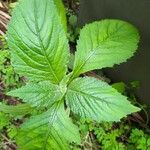
Crassocephalum crepidioides
Ebolo · Redflower ragleaf · Thickhead · Fireweed · Red-flower ragleaf
Description
Source: leafsnapCrassocephalum crepidioides, also called ebolo, thickhead, redflower ragleaf, or fireweed, is an erect annual slightly succulent herb growing up to 180 cm tall. Its use is widespread in many tropical and subtropical regions, but is especially prominent in tropical Africa. Its fleshy, mucilaginous leaves and stems are eaten as a vegetable, and many parts of the plant have medical uses. However, the safety of internal use needs further research due to the presence of plant toxins.
Care Guide
💧 Water Every 3 days
The Redflower Ragleaf originates from tropical regions and thrives in humid environments with consistent moisture. It prefers to be watered weekly but can tolerate short dry spells. While typically grown outdoors, the Redflower Ragleaf benefits significantly from natural rainfall during the growing season, which helps ensure lush growth.
When Should I Water My Redflower Ragleaf?
To maintain the health and vitality of your redflower ragleaf (Crassocephalum crepidioides), observe the plant's leaves and soil for signs of watering needs. Water when leaves begin to wilt or look saggy, indicating dehydration. Check the soil moisture by inserting a finger about 1-2 inches deep; if dry, it's time to water. Stunted growth and changes in leaf color, such as deepening green or yellowing, may also signal the need for water. Avoid both overwatering, which can lead to root rot and fungal growth, and underwatering, which can dehydrate and stunt the plant's growth. Regularly monitoring these indicators is crucial for the plant's health.
How Should I Water My Redflower Ragleaf?
Watering a redflower ragleaf correctly involves using a standard watering can with a long, narrow spout to target the base of the plant, minimizing disturbance to the leaves. Utilize a hand-held moisture meter for precision, focusing on watering the soil directly at the base of the plant. Avoid wetting the foliage and flowers to prevent fungal infections and ensure that water doesn't stagnate around the base. Best practices include watering the soil evenly around the plant, allowing the topsoil to dry slightly between sessions to avoid overwatering.
How Much Water Does Redflower Ragleaf Really Need?
The watering needs of redflower ragleaf vary based on pot size and root depth. Originating from tropical environments, it prefers moderate to high amounts of water. Ensure thorough watering, so water reaches 6 to 8 inches deep for mature plants, approximately 1 liter for a 10-inch pot diameter. The leaves appear fresh and vibrant when adequately watered; wilting or dull leaves may indicate under-watering, while yellowing or dropping leaves suggest over-watering. Deep roots require a good soaking to promote healthy growth, but be cautious of overwatering, which can cause root rot.
What Kind of Water is Best for Redflower Ragleaf?
Redflower ragleaf thrives best with rainwater due to its natural, chemical-free nature and balanced pH. Filtered water is a suitable alternative; tap water is acceptable but contains chlorine which could harm the plant. High sensitivity to chlorine necessitates letting tap water sit out for 24 hours before use to allow chlorine to evaporate. The optimal water temperature is moderate, around 68-72°F (20-22°C). Redflower ragleaf favors well-draining soil and should not be overly saturated.
How Do Redflower Ragleaf's Watering Needs Change with the Seasons?
Seasonal changes affect redflower ragleaf's watering needs. During spring, its active growth phase, maintain consistent soil moisture with regular watering. In summer, reduce watering frequency to reflect its natural dormancy. Autumn requires a gradual decrease in watering frequency as the plant prepares for dormancy, while winter, being a dormant period, demands minimal watering, allowing the topsoil to dry out between sessions. Adjusting your watering practices seasonally ensures the plant remains healthy year-round.
☀️ Light Full sun
Thickhead does best with plentiful, continuous sunlight. It can endure places with limited light, but performs optimally where it has unobstructed access to the sun. Its native environments are bright and sun-filled, and its health can decline if sunlight is insufficient.
What are the sunlight requirements for Redflower ragleaf?
Redflower ragleaf requires abundant, continuous exposure to the sun for optimal growth. It can tolerate lesser light but thrives in full sun conditions. Full sun is defined as above 6 hours of sunlight, while partial sun refers to about 3-6 hours of sunlight a day. It's essential to observe how sunlight moves through your garden to ensure the plants get a balance of light and shade, promoting their health and happiness.
How can artificial lighting benefit indoor Redflower ragleaf plants?
Indoor Redflower ragleaf plants benefit greatly from adequate lighting, especially when natural sunlight is scarce. In less sunny spaces or during winter, artificial lights are crucial for promoting healthier and faster growth. LED lights are recommended due to their ability to provide specific wavelengths needed by plants. The artificial light requirements vary based on the plant's sunlight needs: full sun plants need 30-50W per square foot, partial sun 20-30W, and full shade 10-20W. The correct placement is 12-36 inches above the plant to mimic natural sunlight, with 8-12 hours of light per day being ideal.
What are common symptoms of insufficient light in Redflower ragleaf?
When Redflower ragleaf does not receive enough light, it may show several symptoms: new leaves might grow smaller, the plant could develop a leggy or sparse appearance due to longer spaces between leaves or stems, it may experience faster leaf drop, show slower or no new growth, develop lighter-colored or irregularly patterned new leaves due to insufficient chlorophyll, and exhibit signs of chlorosis, where leaves lose their green color. Additionally, intense sunlight exposure can cause sunscald, leaf curling, wilting, or leaf scorching, indicating the plant's struggle with the light conditions.
What solutions are available for Redflower ragleaf struggling with light conditions?
To address light condition struggles in Redflower ragleaf, consider the following solutions based on the plant's setting: Indoors, gradually shift the plant to a location receiving at least 6 hours of direct sunlight daily, using south-facing windows and keeping curtains open. If relocation isn't feasible, use artificial lighting such as desk, ceiling, or professional grow lights for at least 8 hours daily. Outdoors, transition the plant to sunnier spots gradually to prevent sunburn. Observe which areas block sunlight and consider pruning or transplanting to reduce obstructions and ensure ample sunlight and good drainage for optimal growth. Remember, though parts of the plant damaged by insufficient light may not recover, new growth should flourish under improved light conditions.
🌡️ Temperature 20–37.8°C
The thickhead originates from subtropical and tropical regions and requires warm temperatures between 20 and 38 ℃ (68 to 100.4 ℉) for optimal growth. In winter it can tolerate lows of 15℃ (59℉), but keeping the temperature at 20℃ (68℉) or above is advised. During summer, avoid exposing it to direct sunlight during the hottest parts of the day. Generally, maintaining the temperature within this preferred range will ensure the plant’s health and growth.
What is the native climate of the Redflower ragleaf?
The Redflower ragleaf, or Crassocephalum crepidioides, is native to subtropical and tropical regions. It flourishes in warm temperatures ranging from 20°C to 38°C (68°F to 100.4°F). To maintain its health and growth, it's important to avoid exposing it to temperatures below 15°C (59°F) during winter. In summer, the plant should be protected from direct sunlight during the hottest parts of the day. It's extremely heat-loving, and precautions should be taken in autumn by bringing it indoors and placing it near a bright window, away from heaters, to ensure it stays within its preferred temperature range.
How does low temperature affect Redflower ragleaf and what can be done?
Low temperatures are not tolerated well by Redflower ragleaf, which thrives best above 20°C. Exposure to temperatures below 0°C can be detrimental, and when the temperature falls below -5°C, the leaves may lighten in color, eventually turning brown or black after frost damage. This is often accompanied by wilting and drooping. To mitigate frost damage, it's advised to trim the frost-damaged parts and immediately move the plant to a warmer indoor environment. Placing it near a south-facing window ensures ample sunlight while avoiding proximity to heaters or air conditioning vents, which can cause the air to be excessively dry.
What should be done if the Redflower ragleaf is exposed to high temperatures?
During the summer, it's crucial to keep the Redflower ragleaf below 38°C to prevent heat stress. Exposure to temperatures above 43°C can lead to leaf discoloration and increase the risk of sunburn. In such cases, trimming away sunburned and dried-up parts of the plant, and relocating it to a shaded area during the midday and afternoon sun is recommended. Ensuring the soil stays moist by watering the plant in the morning and evening will also help alleviate stress from high temperatures.
💨 Humidity
🪴 Soil 6-7
🌱 Fertilizer
Thickhead responds well to regular, light fertilization to encourage healthy leaf growth. Fertilize Thickhead roughly once a month during the summer. Since nitrogen is important for foliage, adding nitrogen-rich sources helps Thickhead thrive.
🪴 Pot & Repot
✂️ Pruning
🌿 Propagating
🐛 Diseases & pets
☠️ Toxicity
Characteristics
- Plant Type
- Herb
- Life Cycle
- Annual, Perennial
- Genus
- Crassocephalum
- Family
- Asteraceae
- Hardiness Zone
- 9-11
- Mature Height
- 0.2 m to 1.22 m
- Mature Spread
- 30 cm
- Leaf Color
- Green, Yellow, Gold
- Leaf Type
- Deciduous
- Flower Color
- Pink
- Flower Size
- 1.02 cm
- Bloom Time
- Late spring, Early summer, Mid summer
- Planting Time
- Spring, Summer, Autumn, Winter
- Harvest Time
- Summer
- Native Area
- Angola, Madagascar, Nigeria, Yemen, Kenya, Guinea-Bissau, Uganda, Tanzania, Benin, Zimbabwe, Sierra Leone, Equatorial Guinea, Cameroon, Liberia, Mozambique, Burundi, Ghana, Ethiopia, Central African Republic, Congo, Malawi, South Africa, Zambia, Sudan, Guinea, Togo, Senegal, Eswatini, Côte d'Ivoire, Congo (DRC), Gabon