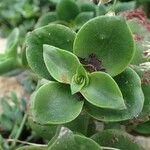
Crassula lactea
Krysna crassula · Taylor's parches · Springtime
Description
Source: leafsnapCrassula lactea, commonly known as the Rattail Crassula, is a captivating succulent belonging to the Crassulaceae family. Native to South Africa, it typically thrives in rocky areas and on cliffs. This plant features long, slender stems that can reach up to 60 cm in length, adorned with small green leaves arranged in opposite pairs. During the summer months, the Rattail Crassula blooms with small white or pink star-shaped flowers that grow on long stalks at the tips of its stems. It prefers well-draining soil and requires moderate watering during its growing season. Known for its unique appearance and easy care requirements, Crassula lactea is a popular houseplant that can also thrive in low-light conditions. The plant can be propagated through stem cuttings or by separating offsets from mature specimens. Overall, Crassula lactea makes a striking addition to any indoor garden or outdoor rock garden, thanks to its distinctive look and minimal maintenance needs.
Care Guide
💧 Water Every 7 days
Krysna crassula is well-suited for arid environments, exhibiting excellent drought tolerance and needing water only once every three weeks. Originally from regions with low humidity, this plant can adapt to a variety of climates. It is also hardy when grown indoors in containers, as long as it is not overwatered.
What do I need to do if I give my Krysna crassula plant too much or too little water?
Krysna crassula and other succulents are capable of surviving without water for long periods, so it is rare to see them suffer from underwatering. However, if you forget to water your Krysna crassula for a month or more, you will likely notice signs of thirst or damage from lack of water. The signs of underwatering include a lacklustre and wrinkled appearance, some leaves drying up completely, turning brown and crispy, or falling off the plant, and dry soil. To remedy this, give your plant plenty of water by submerging the pot in water for 5-10 minutes until the soil is adequately moist. On the other hand, overwatering is dangerous and potentially fatal for Krysna crassula. Excessive moisture can lead to root rot, which hinders the roots from getting nutrients and water from the soil. This occurs when wet conditions enable fungi and bacteria to thrive in the soil and attack the roots. Symptoms of overwatering include yellow, swollen, and translucent organs that may burst open, as well as browning or blackening of the plant, which can easily fall off when touched. To address overwatering, adjust the growing conditions, increase air ventilation, and reduce the frequency of watering. Saving an overwatered plant can be challenging, but not impossible. It is crucial to catch the problem early before significant damage occurs. If the roots have rotted, it may be too late to save the plant. To assess the situation, remove the plant from its pot and inspect the roots and soil. Remove wet soil gently and rinse the roots in room-temperature water to eliminate any fungus. If root rot is present, you will notice dark brown or black, soft, mushy, or slimy roots. If most of the roots are affected, it may not be salvageable. In that case, try using healthy stem segments to propagate a new Krysna crassula. However, if only some roots are affected, remove the unhealthy ones with a sterilized cutting tool. Dip the remaining healthy roots in a fungicide and repot the plant in fresh, well-draining soil. While not always successful, the plant has a good chance of recovering and producing new growth in the next growing season.
How often do I need to water my Krysna crassula plant?
Determining how often to water a Krysna crassula isn't set in stone. The best approach is to check the soil and only water when it's completely dry. You can check the moisture level by sticking your finger or a moisture meter into the pot. When using a deep pot, you can use a stick or chopstick to do this. If the soil feels slightly moist, it's best to wait a few days and check again. Generally, most people will need to water their Krysna crassula every two weeks in summer and once a month in winter. However, there are various factors to consider that can affect the watering frequency. The section below outlines these considerations to assist you in determining the appropriate watering schedule.
What do I need to think about when watering my Krysna crassula?
To properly water your Krysna crassula, several environmental conditions need to be considered, such as the size of the container, soil type, temperature, and humidity. The container you use will determine how often and how much water you should provide. It's important to have a container with drainage holes to prevent water from accumulating. Smaller containers hold less moisture and require more frequent watering, while larger pots retain water for longer periods and need less frequent watering. Avoid using an oversized pot, as this can result in overwatering. When repotting, move to a container that is just one size larger. Using a shallow container is ideal since Krysna crassula has shallow root systems. The watering frequency will also vary depending on the time of year. Krysna crassula needs less water during winter when growth is slowed, and water evaporation is reduced. In contrast, during the active growing seasons of spring and autumn, it will require more frequent watering. The climate of your location is another factor to consider. In humid areas with ample rainfall, watering will be less frequent compared to dry and arid climates. Keep in mind that even within the same geographical area, conditions can differ with the changing seasons and indoor heating or air conditioning usage. If planted in the ground, Krysna crassula typically doesn't require additional watering beyond what it receives naturally through precipitation and dew. However, during prolonged dry periods, occasional watering may be necessary. In locations where Krysna crassula can only be grown in containers, it can be moved outdoors during the appropriate seasons and brought back indoors as temperatures start to drop. When placed outside, potted Krysna crassula will generally require more water due to increased sun exposure, even when placed in a shaded area.
How do you water Krysna crassula?
To water Krysna crassula effectively, soak the plant thoroughly and allow it to dry out before watering again. This type of plant can handle some drought, so it's best to let it get quite dry before watering. When watering, make sure to thoroughly soak the soil throughout the entire pot by watering around the rim of the planter. The amount of water needed will depend on the container size and soil absorption. Allow the water to drain out from the drainage holes and let it sit in the saucer for 20-30 minutes to absorb into dry pockets of soil. Discard any excess water in the saucer to avoid overwatering. Bottom-watering is also a great method for Krysna crassula, as it ensures the soil is thoroughly moistened. Simply place the pot in a saucer of water and let the soil absorb moisture through the drainage holes. When the top layer of soil is moist, you'll know it has enough water. Bottom-watering takes longer than top-watering, but it provides an even distribution of water throughout the pot. Krysna crassula's natural habitat is relatively dry with infrequent rain, so mimicking this by bottom-watering when the soil is completely dry is ideal. Deep soil bathing is better than frequent light watering for this plant.
☀️ Light Full sun
Native to arid areas, Krysna crassula prospers in full sun, since its natural habitat features intense sunlight and little shade. It will also tolerate partial sun, offering some flexibility in its growth.
What are the sun requirements for Krysna crassula?
Krysna crassula, a plant native to arid regions, thrives best in full sun, requiring above 6 hours of sunlight daily to grow optimally. It can also tolerate partial sun, needing about 3-6 hours of sunlight. The ideal spots for these plants should provide a mix of light and shade throughout the day for their happiness. Watching the sunlight's movement through your garden can help in choosing the perfect location.
How should artificial lighting be used for indoor Krysna crassula?
When natural sunlight is insufficient, especially during winter or in spaces without much sunlight, artificial lighting becomes crucial for Krysna crassula's growth. Optimal growth under artificial light can be achieved by selecting the right light type, like LED, which can be customized to the plant's needs. Full sun plants require 30-50W per square foot, partial sun plants need 20-30W per square foot, and full shade plants need 10-20W per square foot. The light source should be placed 12-36 inches above the plant to mimic natural sunlight, and most plants need 8-12 hours of light per day.
What are the symptoms of light deficiency in Krysna crassula?
Krysna crassula exhibits several symptoms when exposed to suboptimal lighting. These include smaller new leaves, leggy or sparse growth due to increased spacing between leaves or stems, faster leaf drop as a conservation effort, slower or stopped growth, lighter-colored or irregularly patterned new leaves indicating chlorophyll and nutrient deficiency, and symptoms of overexposure like chlorosis (leaves turning yellow), sunscald, leaf curling as a defense mechanism, wilting from excessive water loss, and leaf scorching.
What solutions can be applied for Krysna crassula experiencing light issues?
For light issues, a mix of measures can help. Indoors, gradually moving plants to sunnier spots, ensuring they receive at least 6 hours of direct sunlight daily, using a south-facing window, and keeping curtains open during the day are recommended. If natural light is insufficient, using artificial lighting like desk or ceiling lamps for at least 8 hours daily, or investing in professional grow lights can provide supplementary light. Outdoors, plants should be acclimated by gradually moving them to sunnier locations over weeks to avoid sunburn. Removing obstructions or transplanting to sunnier locations with ample sunlight and good drainage can also aid in healthier growth. Note that damage from insufficient light may not reverse, but new growth post-adjustment should be healthy.
🌡️ Temperature 20–37.8°C
Although Krysna crassula tolerates some heat, it primarily performs and grows best in cooler periods, becoming dormant in summer. In hot summer conditions, you should provide shade to prevent scorching from intense sunlight. Watering ought to be reduced or stopped during the hottest part of the year to avoid root rot. Its most vigorous growth occurs in winter and spring. As long as temperatures do not fall too low, it will continue to grow steadily.
How should I care for my Krysna crassula, especially in changing temperatures?
Krysna crassula, or Crassula lactea, prefers warm environments to thrive. During its growing season, it requires higher temperatures to promote growth and metabolism, along with ample sunlight, appropriate moisture, and good ventilation. It's crucial to avoid extremely low temperatures and overwatering as the plant is susceptible to damage under such conditions. Conversely, excessive heat and dryness should also be avoided. In winter, when the temperature drops below 5°C, it's recommended to move the plant indoors and place it near a south-facing window for maximum sunlight exposure. If natural light is insufficient, supplemental lighting can be used. Should temperatures fall below 20°C, reduce or stop watering to prevent root rot. For outdoor plants, cease watering completely in low temperatures. Setting up a temporary greenhouse or wrapping the plant with insulating materials can provide additional protection against cold.
What should I do if my Krysna crassula is affected by low temperatures?
Krysna crassula is best grown in temperatures above 20°C and has a low tolerance for cold. If exposed to temperatures below 1°C, it may start to weaken, wilt, and become prone to root rot. If mild frost damage occurs, symptoms may not be immediately visible, but the plant could gradually wither within a week. In such cases, trim off the frostbitten areas, and if the roots are rotten, they must be cut off. The plant can then be propagated through cuttings. To recover, move the plant to a warmer indoor location, ideally near a south-facing window to ensure it receives ample sunlight. If natural light isn't enough, consider using supplemental lighting to aid its recovery.
How do I protect my Krysna crassula from high temperatures?
During summer, ensure that the Krysna crassula doesn’t get exposed to temperatures above 41°C as it could lead to growth halting, water loss, wilting, and increased susceptibility to sunburn when temperatures exceed 45°C. If the plant suffers any sunburn or root rot, remove the damaged parts. Protect it from the harsh afternoon sunlight until it recovers. In the case of root rot, withhold watering until new roots form. Providing shade and monitoring moisture levels closely can help manage the effects of high temperatures on your Krysna crassula.
💨 Humidity
🪴 Soil 6-7
🌱 Fertilizer
For Krysna crassula, give small amounts of fertilizer once or twice a year during the growing season. Do not fertilize in winter or in summer when the plant is dormant. Cut back on fertilizer for recently repotted plants and wait a few months after repotting before applying fertilizer. Fertilizing helps support healthy growth and encourages flowering.
🪴 Pot & Repot Every 2 years
When repotting Krysna crassula, choose a pot a little larger than the current one with good drainage. Use a well-draining, gritty succulent or cactus mix. Gently remove the plant from its old pot, dust off excess soil, and replant it at the same depth. Wait a few days before watering so any root damage can heal. Repot in spring or fall and place it in a brightly lit area.
✂️ Pruning
To keep the Krysna Crassula in good shape, prune any excess or overly dense branches in the spring and autumn using a knife or scissors. For propagation, choose stems with 5-6 leaves. After cutting the stems, apply sulfur powder to the cuts to protect them, and wait for them to heal before planting. Make sure the soil is kept slightly moist during this process.
🌿 Propagating
🐛 Diseases & pets
☠️ Toxicity
Characteristics
- Plant Type
- Succulent
- Life Cycle
- Perennial
- Genus
- Crassula
- Family
- Crassulaceae
- Hardiness Zone
- 9-11
- Mature Height
- 5 cm
- Mature Spread
- 10 cm
- Leaf Color
- Pale Green, Light Green
- Leaf Type
- Evergreen
- Flower Size
- 0.51 cm to 1.02 cm
- Bloom Time
- Winter, Early spring
- Planting Time
- Summer
- Harvest Time
- Spring, Early summer
- Native Area
- South Africa