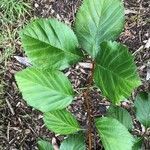
Crataegus calpodendron
Pear hawthorn · Pearthorn · Urn-tree hawthorn · Blackthorn hawthorn · Late hawthorn
Description
Source: leafsnapCrataegus calpodendron is a species of hawthorn native to much of the eastern United States and to Ontario, Canada. The common name late hawthorn refers to the flowering time, which is later than most North American hawthorns.
Care Guide
💧 Water
☀️ Light Full sun
Pear hawthorn comes from open habitats, such as sunny meadows and forest edges, which offer abundant light. It performs best in Full Sun but will also tolerate Partial Sun, adjusting well to different sunlight levels.
🌡️ Temperature 5–32.2°C
Pear hawthorn is highly adaptable to different climatic conditions, coping with both very hot summers and cold winters. However, it does have an optimal temperature range for growth. If temperatures become too high, the plant is vulnerable to heat and humidity stress, which can lead to its death. In areas where temperatures approach the lower limit of its cold tolerance, providing insulation is important to protect the plant.
💨 Humidity
🪴 Soil 6-8
🌱 Fertilizer
The timing of fertilizing Pear hawthorn is important. Apply fertilizer in early spring and then monthly up to early summer. Fertilizer promotes attractive blooms and supplies energy during both dormant periods and active growth.
🪴 Pot & Repot
For pear hawthorn to thrive in pots, it needs excellent drainage.
✂️ Pruning
🌿 Propagating
🐛 Diseases & pets
☠️ Toxicity
Characteristics
- Plant Type
- Tree, Shrub
- Life Cycle
- Perennial
- Genus
- Crataegus
- Family
- Rosaceae
- Hardiness Zone
- 4-8
- Mature Height
- 3.66 m to 10.97 m
- Mature Spread
- 3.96 m to 6.1 m
- Leaf Color
- Dark Green, Olive Drab
- Leaf Type
- Deciduous
- Flower Color
- White
- Flower Size
- 1.02 cm to 1.52 cm
- Bloom Time
- Mid spring, Late spring
- Planting Time
- Spring, Autumn, Winter
- Harvest Time
- Late summer, Early fall, Mid fall