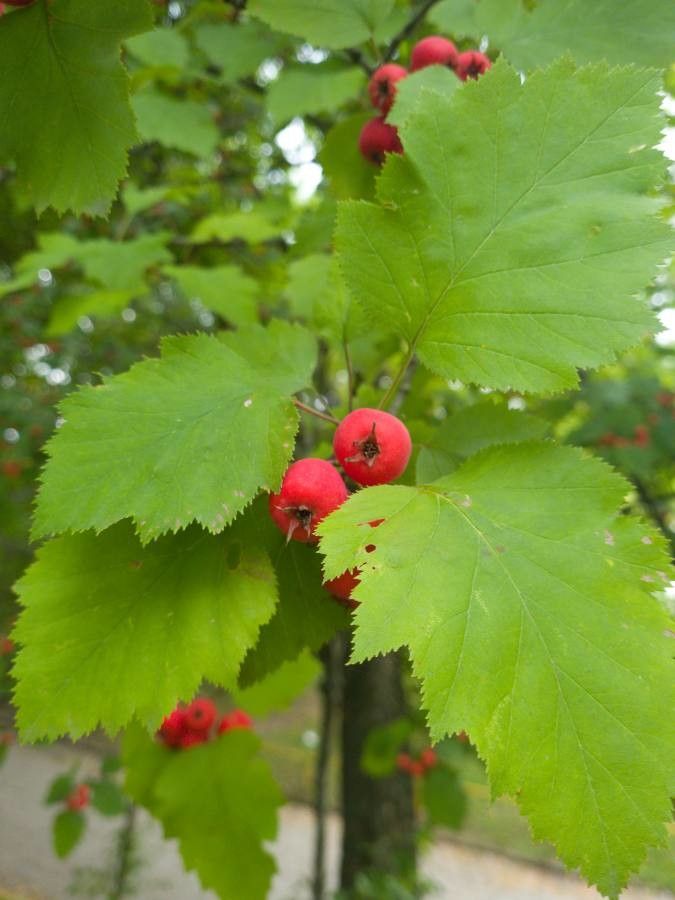
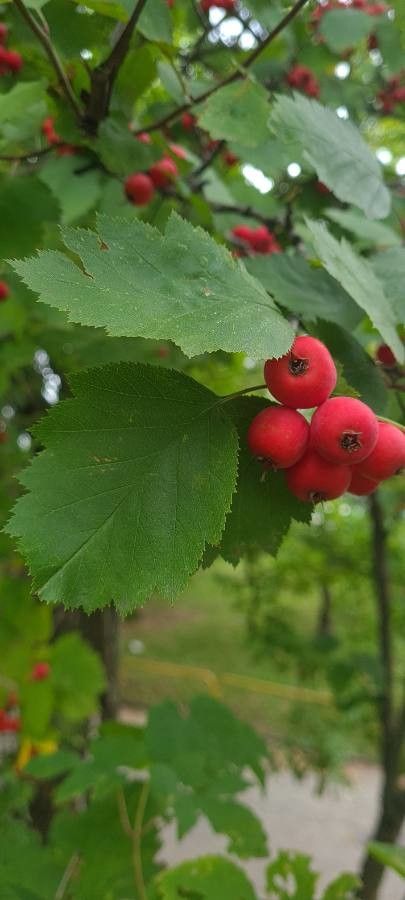
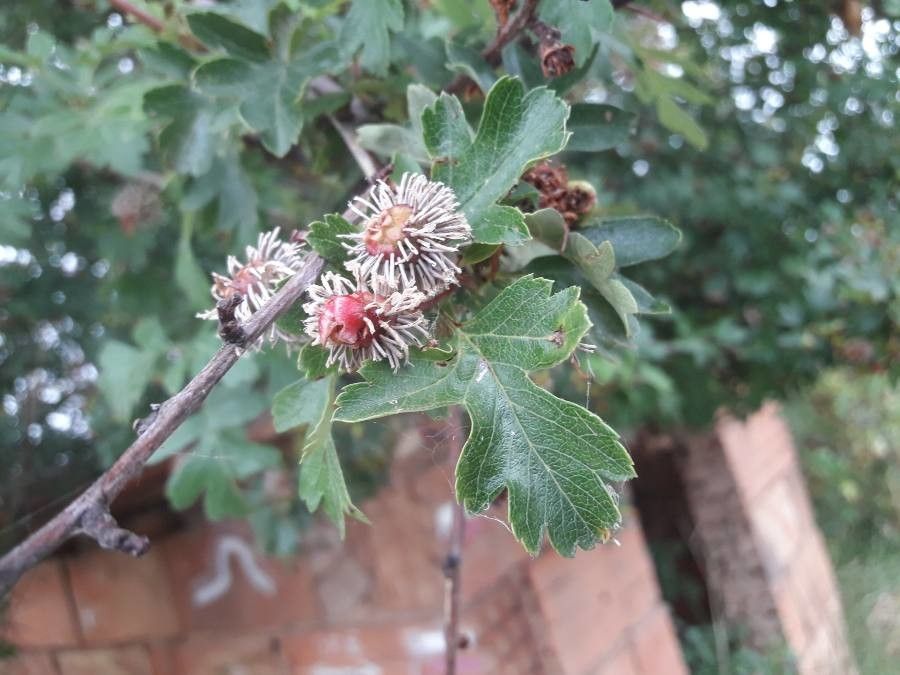
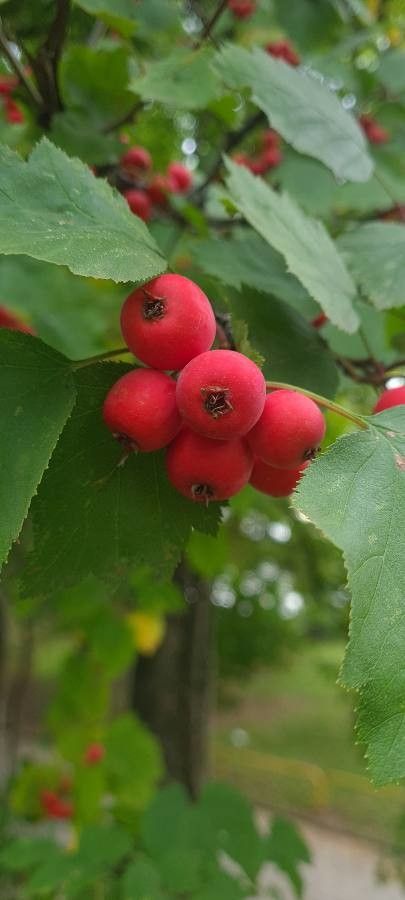
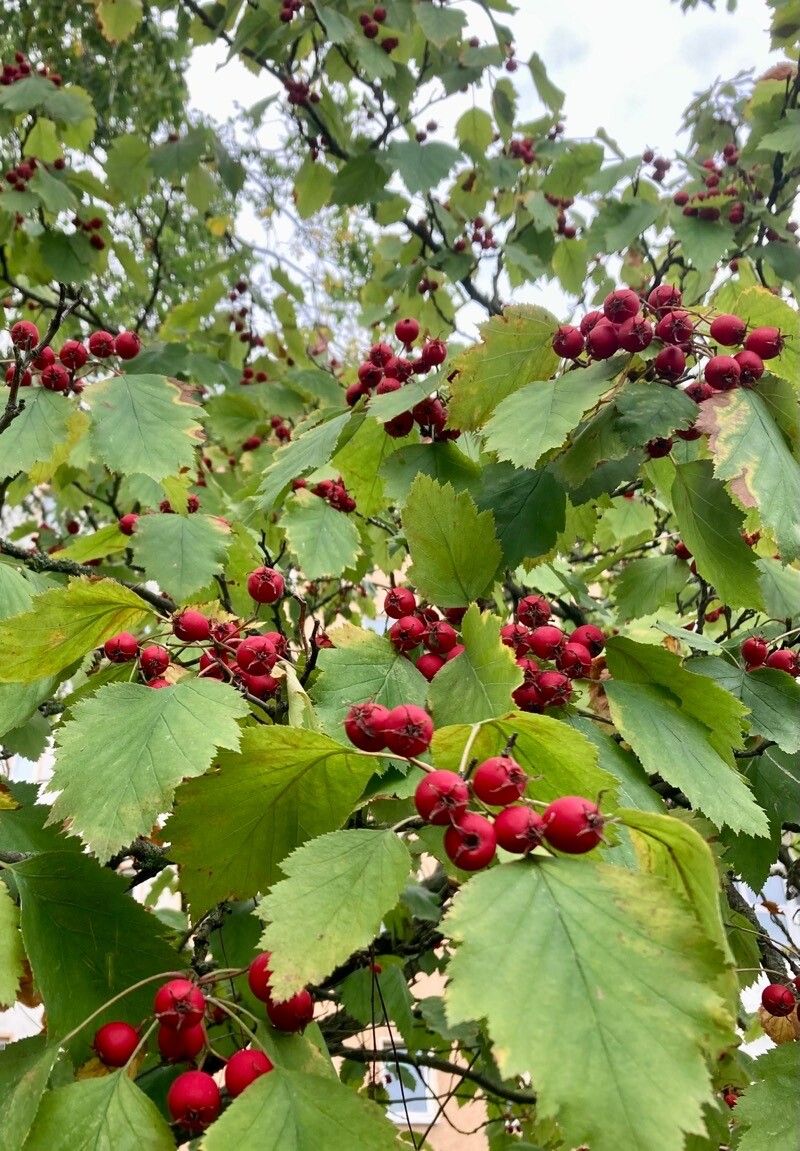
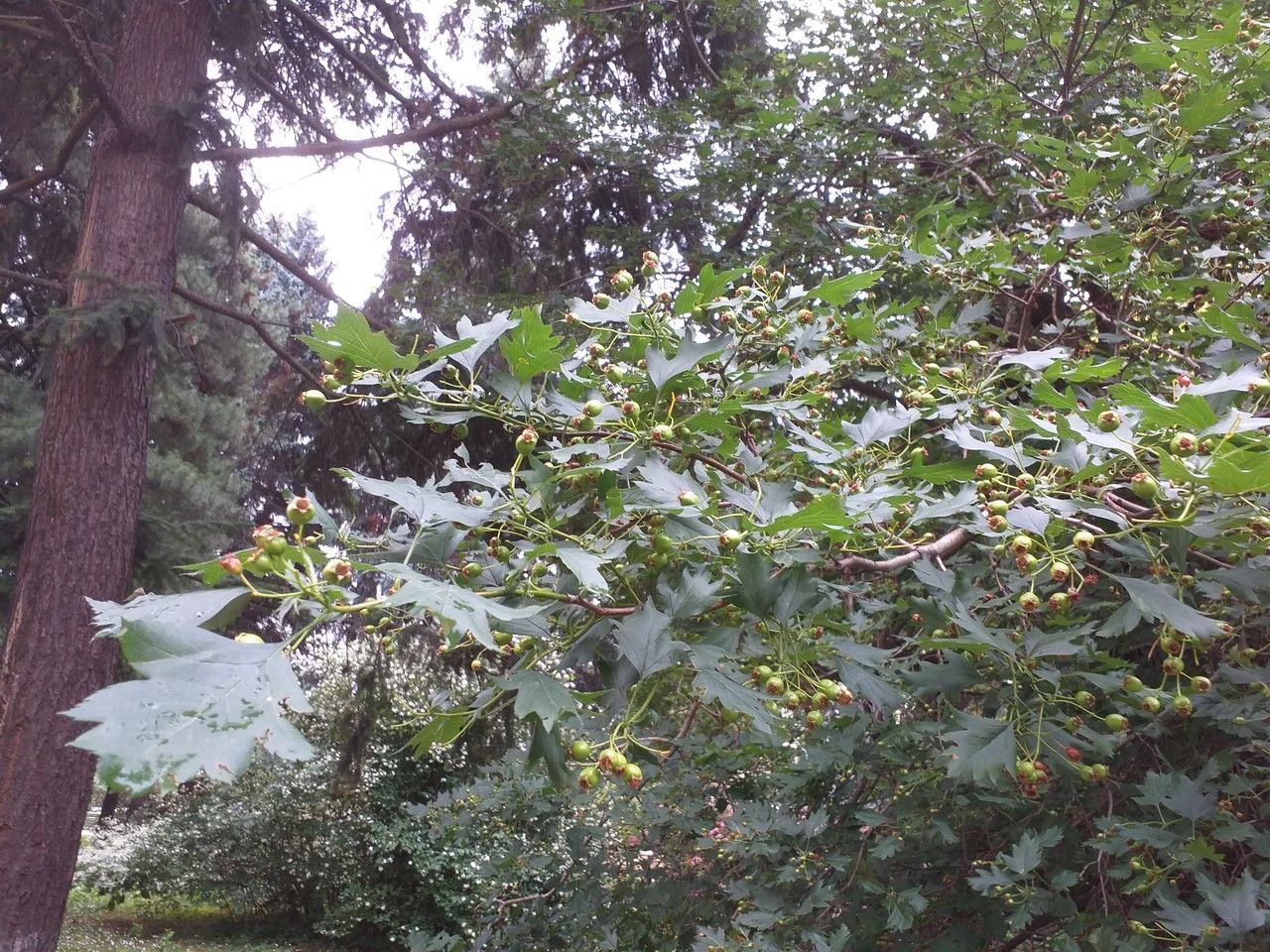
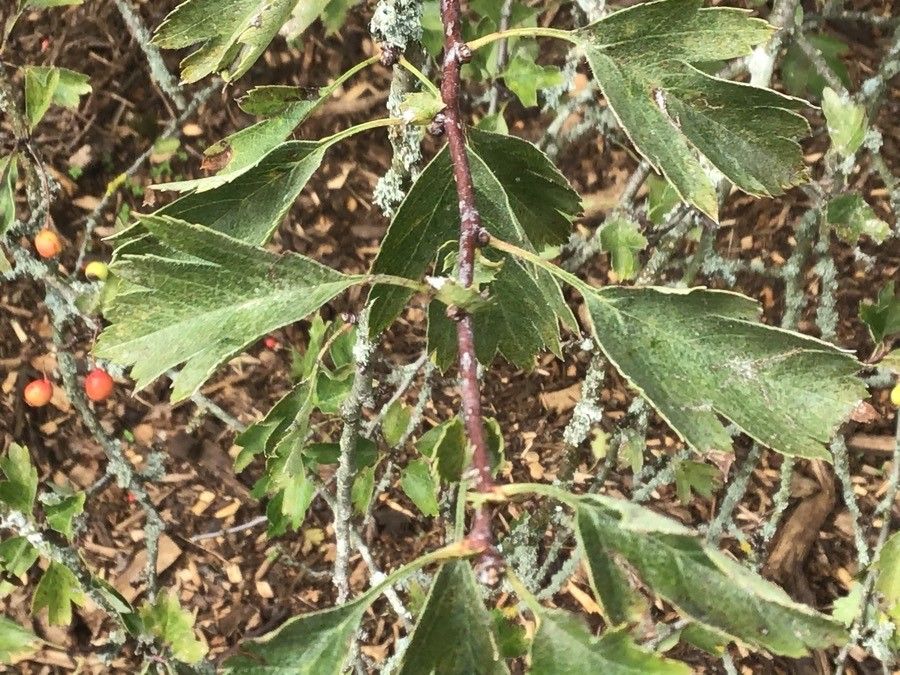
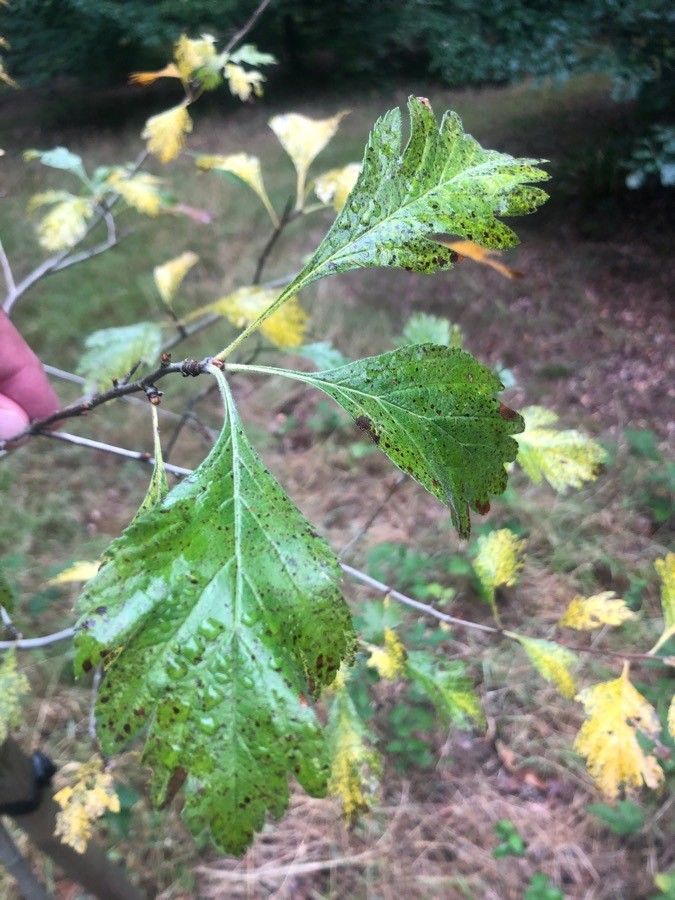
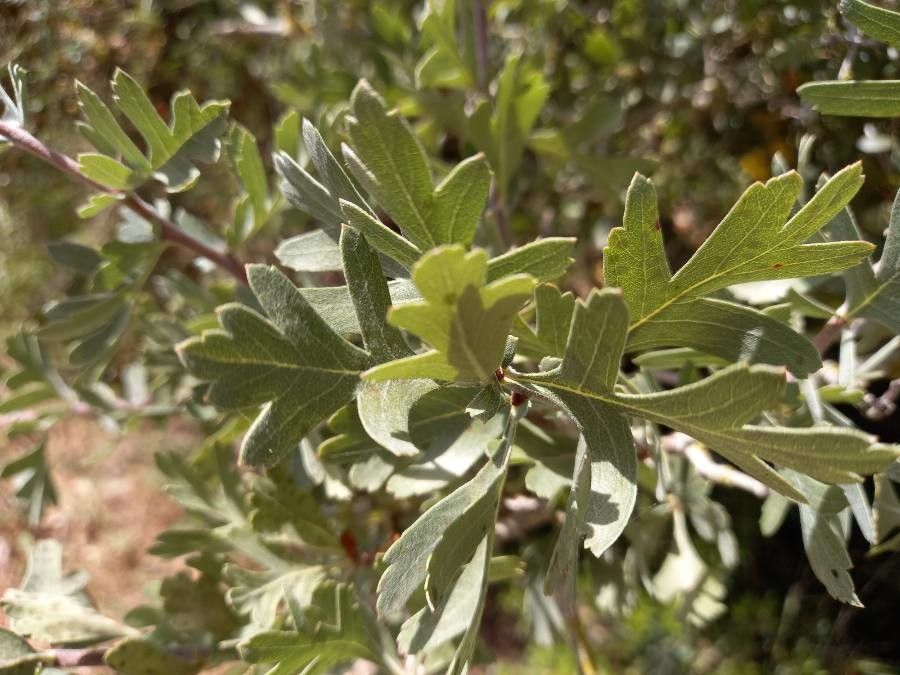
Crataegus coccinioides is a species of hawthorn known by the common names Kansas hawthorn and large-flowered cockspurthorn. Crataegus coccinioides is native from Kansas, to New England, and the southernmost parts of Ontario and Quebec. It has large flowers and leaves and fruit that appear pinkish until polished to reveal the red colour underneath the wax bloom. Crataegus coccinioides (or its var. locuples) is a synonym of Crataegus dilatata.
The large-flowered cockspur thorn is disease-resistant and is generally not susceptible to diseases. In terms of care, this plant is fairly low-maintenance. When grown outdoors it needs minimal watering, and larger specimens typically do not require pruning. Smaller specimens, however, should be pruned after they have finished blooming. The large-flowered cockspur thorn is suitable for anyone with outdoor space, such as a garden or deck, and does not demand extensive care experience.
How to keep Crataegus Coccinioides.
Light
Large-flowered cockspur thorn is native to open habitats, such as sunny meadows and forest edges, which provide abundant light. It performs best in Full Sun but will also tolerate Partial Sun, adapting well to a range of sunlight conditions.
Temperature
Large-flowered cockspur thorn shows strong adaptability to a variety of climate conditions, from blazing summers to freezing winters. Still, it has an optimal temperature range for development. When temperatures rise too high, the plant is susceptible to heat and humidity stress, which can cause its death. In areas where temperatures approach the lower edge of its cold tolerance, insulating measures should be used to protect the plant.
Fertilizer
The timing of fertilization is important for Large-flowered cockspur thorn. Apply fertilizer in early spring and continue monthly through early summer. Fertilizer encourages attractive blooms and supplies energy during both dormant and active growth phases.
Pruning
To ensure the large-flowered cockspur thorn thrives, it's important to prune it in early spring. This helps remove dead wood, improve air circulation, and encourage healthy growth. Regular pruning also maintains the plant's shape and prevents branches from tangling. Be sure to use sanitized tools to prevent disease, which in turn stimulates vigorous flowering and preserves the plant's aesthetic appeal.
Pot & Repot
For healthy growth of large-flowered cockspur thorn, use pots that have excellent drainage. This will help prevent waterlogging and root rot.
Botanical profile.
- Plant Type
- Tree, Shrub
- Life Cycle
- Perennial
- Genus
- Crataegus
- Family
- Rosaceae
- Hardiness Zone
- 4-8
- Mature Height
- 6.1 m to 7.92 m
- Mature Spread
- 4.88 m to 7.01 m
- Leaf Color
- Green, Dark Green
- Leaf Type
- Deciduous
- Flower Color
- White
- Flower Size
- 1.52 cm to 2.03 cm
- Bloom Time
- Mid spring, Late spring
- Planting Time
- Spring, Summer
- Harvest Time
- Late summer, Early fall, Mid fall
Other names.