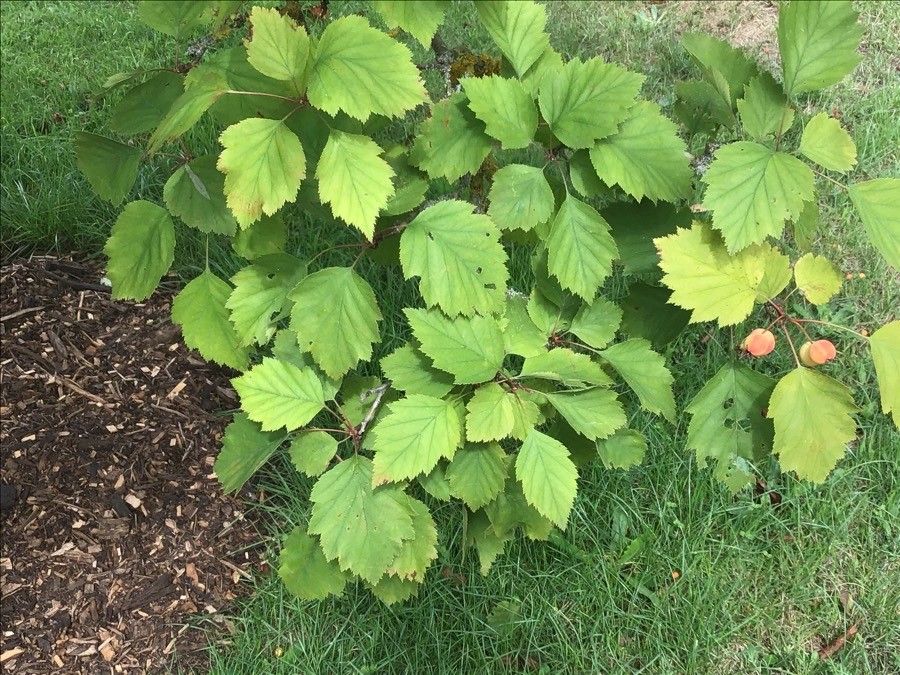
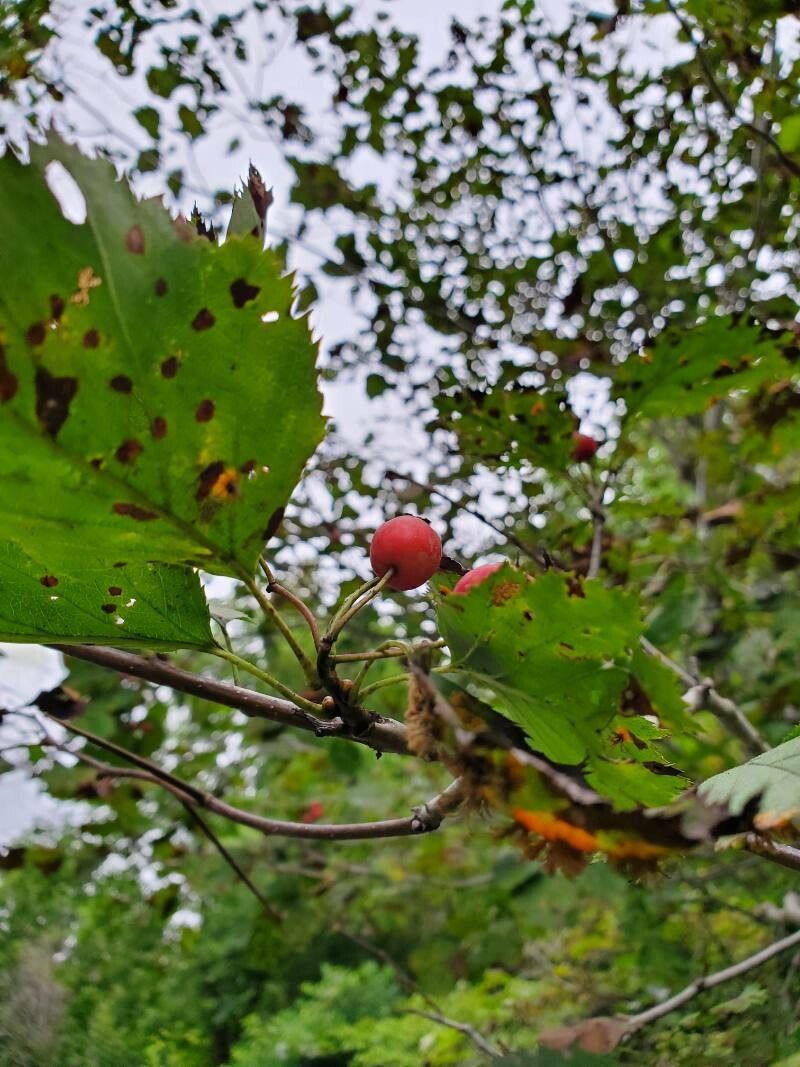
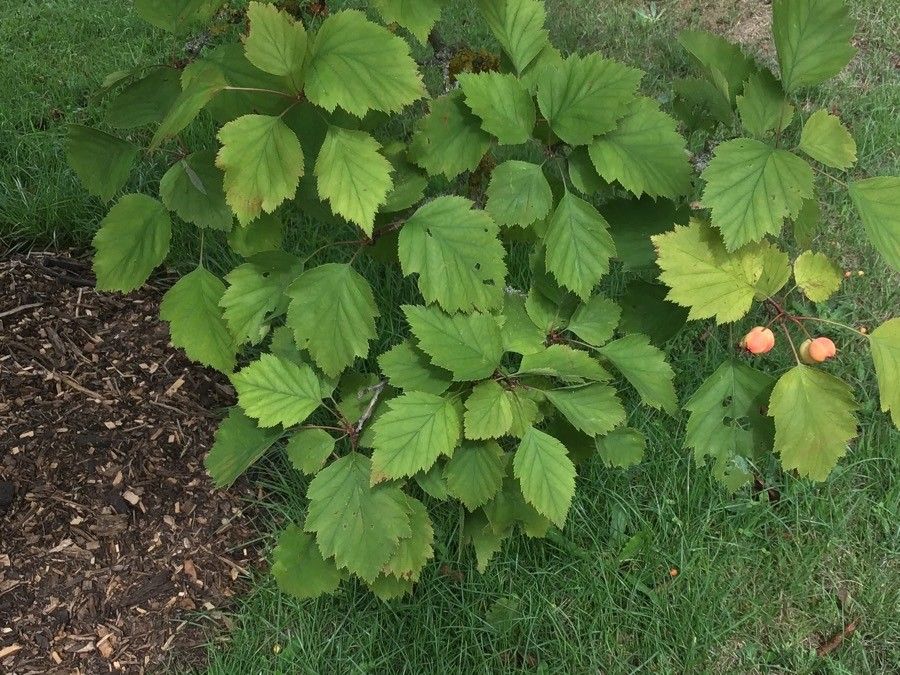
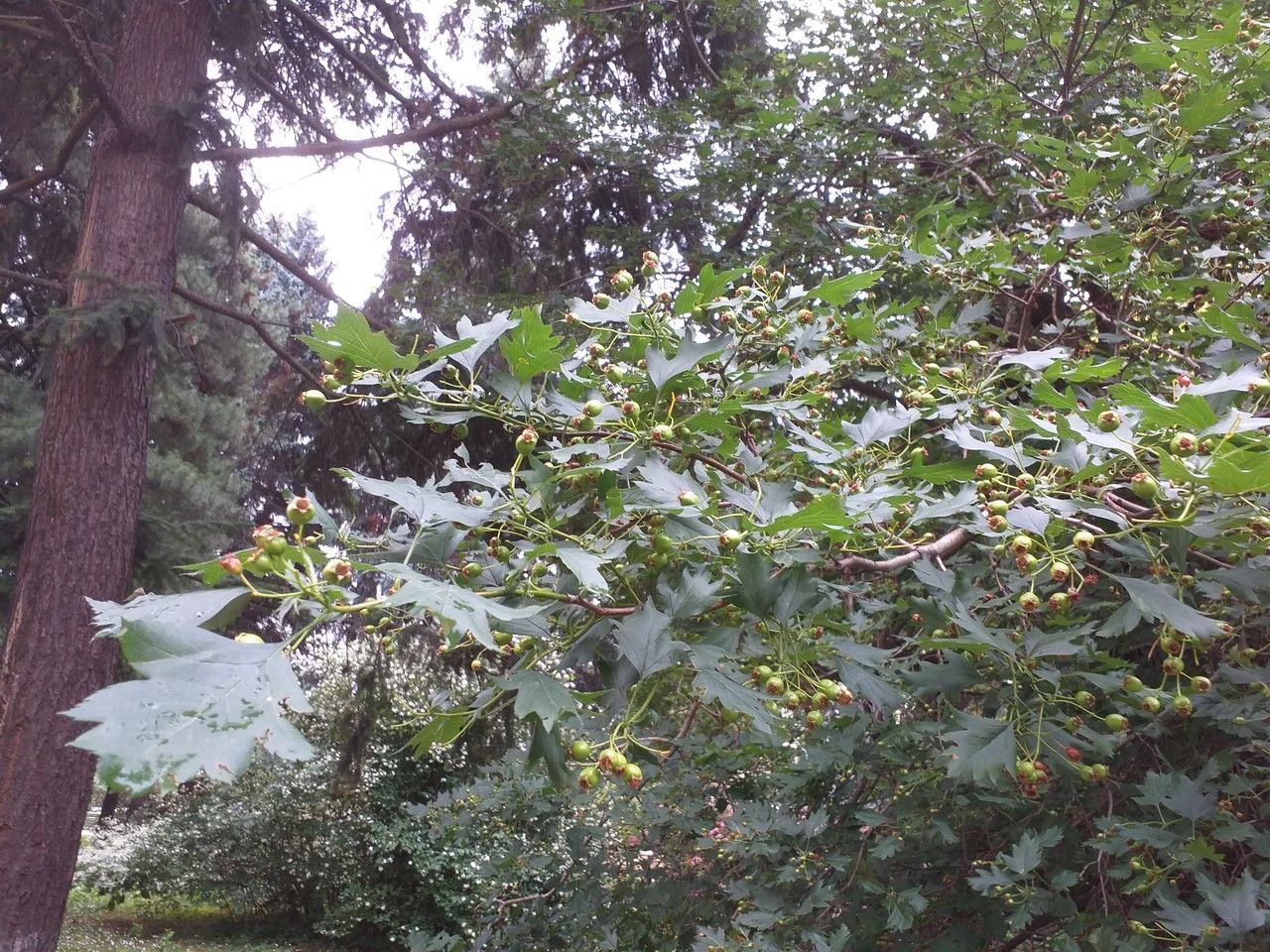
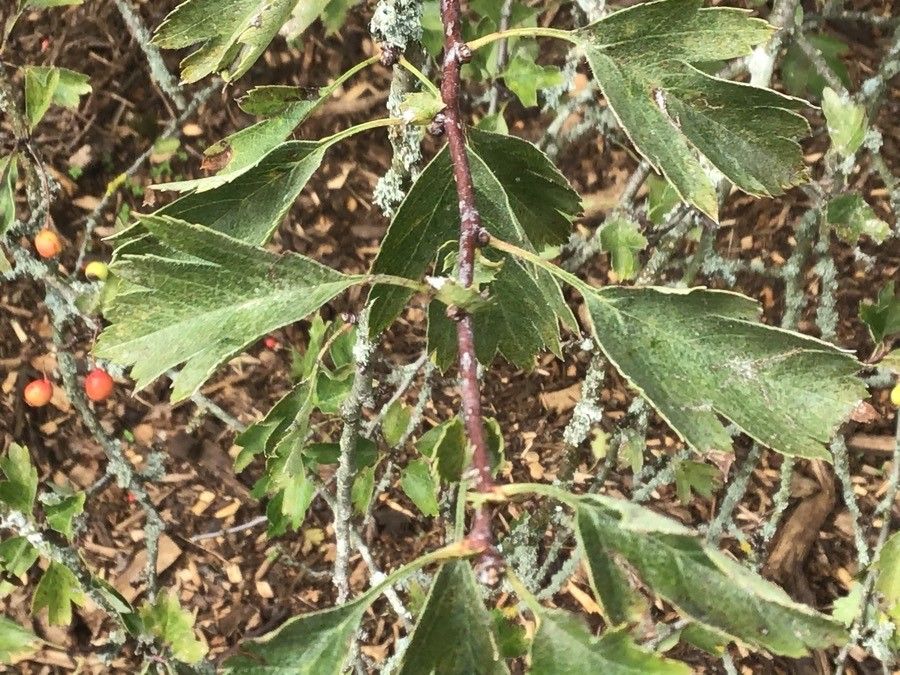
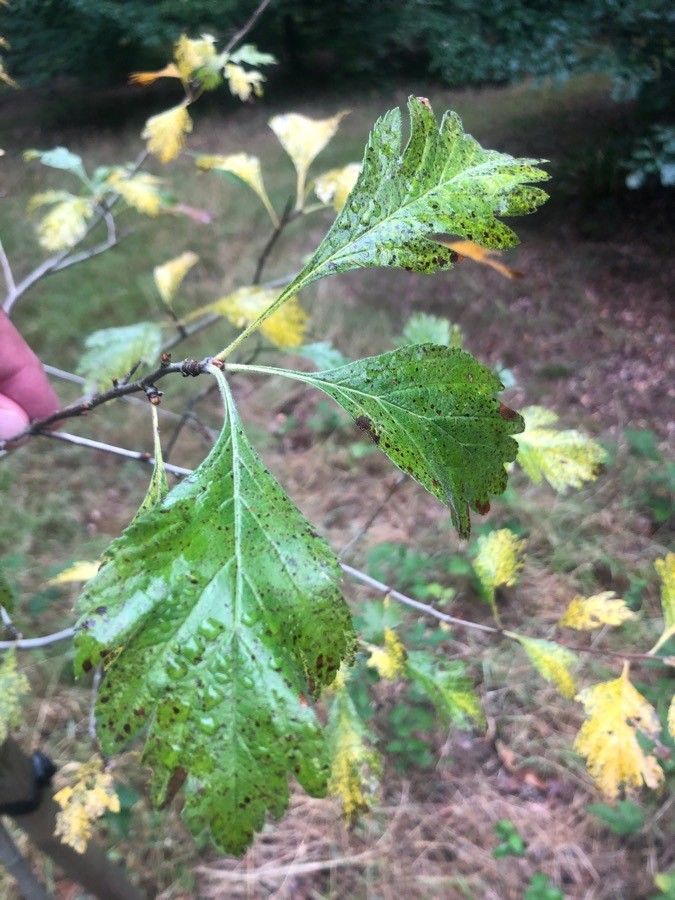
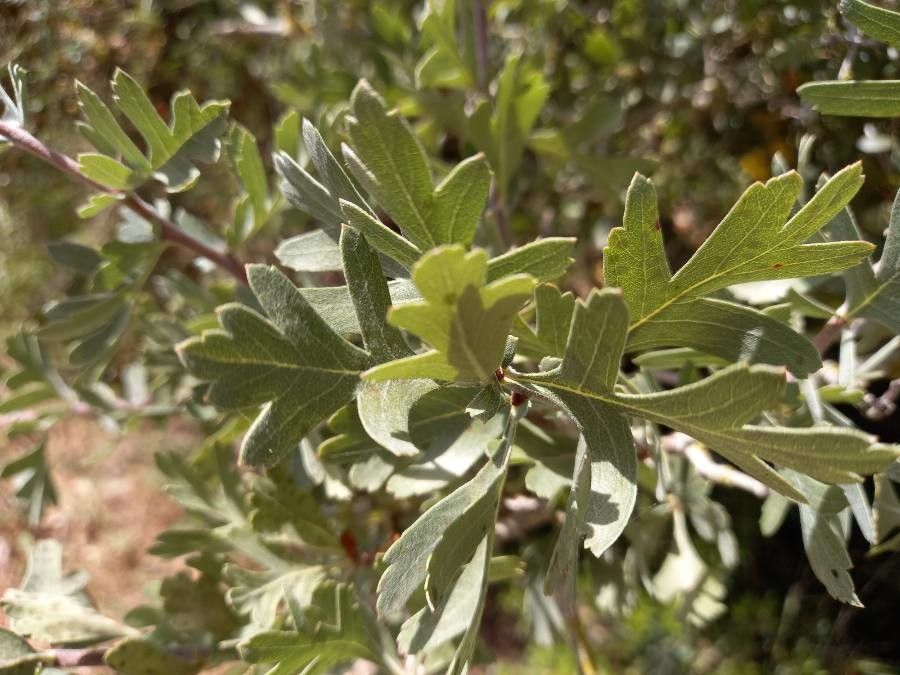
Crataegus holmesiana is a species of hawthorn closely related to Scarlet Hawthorn, C. coccinea (often incorrectly called C. pedicellata), but with more elongated fruit and leaves.
Holmes' hawthorn is highly resistant to disease and, in general, not susceptible to illnesses. Regarding care, this plant is fairly low-maintenance. When grown outdoors it needs only minimal watering, and larger specimens typically do not require pruning. Smaller plants, however, should be pruned after they finish blooming. Holmes' hawthorn is appropriate for anyone with outdoor space—such as a garden or a deck—and does not demand extensive gardening experience.
How to keep Crataegus Holmesiana.
Light
Holmes' hawthorn is native to open habitats, such as sunny meadows and forest edges, which offer plenty of light. It performs best in Full Sun but can also tolerate Partial Sun, adapting well to a range of sunlight conditions.
Temperature
Holmes' hawthorn shows strong adaptability to a variety of climates, whether facing scorching summers or cold winters. It nonetheless has a preferred temperature range for healthy growth. When temperatures become too high, the plant is susceptible to heat and humidity stress, which can lead to its death. In areas where temperatures approach the lower limit of its cold tolerance, it is important to provide insulation to protect the plant.
Fertilizer
The Holmes' hawthorn needs adequate nutrients to produce fruit at its best. Fertilize in early spring to encourage new growth and bloom development. Regular fertilization keeps the plant healthy, results in more delicious fruit, and prevents nutrient-deficiency problems like yellowing leaves and poor fruit production.
Pruning
Holmes' hawthorn is a shrub known for its vibrant red berries. To maintain its health and encourage better growth and fruit production, it is best to prune the shrub in early spring. During this time, remove any dead wood and thin out the branches to improve air circulation. This will promote healthier development. Be sure to use clean and sharp tools to prevent the spread of disease. For the most effective pruning techniques, refer to reliable guides on best practices.
Pot & Repot
For Holmes' hawthorn to thrive in pots, it needs excellent drainage. This prevents root rot and supports the plant's overall health.
Botanical profile.
- Plant Type
- Shrub, Tree
- Life Cycle
- Perennial
- Genus
- Crataegus
- Family
- Rosaceae
- Hardiness Zone
- 3-7
- Mature Height
- 6.1 m to 9.14 m
- Mature Spread
- 3.96 m to 6.1 m
- Leaf Color
- Green, Dark Green
- Leaf Type
- Deciduous
- Flower Color
- White
- Flower Size
- 1.52 cm to 2.03 cm
- Bloom Time
- Mid spring, Late spring
- Planting Time
- Autumn, Winter
- Harvest Time
- Late summer, Early fall, Mid fall
Other names.
Reader questions.
What are the sunlight requirements for Holmes' hawthorn (Crataegus holmesiana)?
Holmes' hawthorn (Crataegus holmesiana) needs specific sunlight conditions to thrive. It requires full sun, which means the plant should receive more than 6 hours of sunlight daily. Alternatively, it can also grow in partial sun, with about 3-6 hours of sunlight. When planting, it's important to keep in mind how sunlight moves through your garden. This ensures that you pick a spot that offers a good balance of light and shade, which is critical for the health and happiness of your plant.
What is Holmes' hawthorn?
Holmes' hawthorn is a species of hawthorn known by its botanical name, Crataegus holmesiana. This plant is part of the family of shrubs and trees known for their distinctive flowers, fruits, and thorny branches.