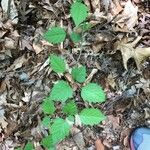
Crataegus mollis
Arnold Hawthorn · Downy Haw · Downy Hawthorn · Red Haw · Red Hawthorn
Description
Source: leafsnapCrataegus mollis, commonly known as the downy hawthorn, is a deciduous shrub or small tree in the Rosaceae family. Native to North America, it thrives in diverse habitats such as woodlands, prairies, and along streams. This plant can reach a height of up to 10 meters and spread out to about 6 meters wide. The leaves of Crataegus mollis are alternate and simple, featuring lobed or toothed margins. The upper surface of the leaves is dark green, while the underside is fuzzy due to fine hairs. The flowers, which bloom in late spring or early summer, are white with five petals and grow in clusters at the ends of branches. The fruit of Crataegus mollis, known as hawthorn berries, turns red-orange when ripe. These berries have been used medicinally for centuries due to their high antioxidant content, which promotes heart health by reducing blood pressure levels. Crataegus mollis thrives in full sun but can also tolerate partial shade. It prefers well-drained soil but is adaptable to various soil types, including clay. With low maintenance requirements, it is an excellent choice for landscaping projects such as hedgerows or wildlife gardens. Overall, Crataegus mollis is an attractive shrub or tree that adds aesthetic value with its flowers and fruit, while also offering medicinal benefits through its antioxidant-rich berries. It is a superb addition to any garden landscape design.
Care Guide
💧 Water Every 7 days
Downy hawthorn, native to the deciduous woodlands of North America, thrives in moderately moist soil and needs regular watering, ideally twice a week. Mulching is beneficial as it helps retain moisture and regulate root temperature, making the plant well-suited for temperate outdoor environments.
☀️ Light Full sun
Downy hawthorn is native to open habitats, such as sunny meadows and forest margins, which offer ample light. It thrives in Full Sun but can also tolerate Partial Sun, performing well under various sunlight conditions.
What are the sunlight requirements for Downy Hawthorn?
Downy Hawthorn, or Crataegus mollis, thrives under specific sunlight conditions to ensure its health and happiness. It requires full sun, which means it should receive more than 6 hours of sunlight daily. However, it can also grow well under partial sun, which involves about 3-6 hours of sunlight each day. When selecting a spot for your Downy Hawthorn, it's important to observe the movement of sunlight through your garden over time. This observation will help you find a location that offers the perfect balance of light and shade, catering to the plant's needs effectively.
🌡️ Temperature 5–32.2°C
Downy hawthorn is highly adaptable to a wide range of climatic conditions, from very hot summers to cold winters. Still, it has a preferred temperature range for healthy growth. If temperatures rise too much, the plant can suffer from heat and humidity stress, which may kill it. In locations where temperatures approach the lower limit of its cold tolerance, providing insulation is important to protect the plant.
💨 Humidity
🪴 Soil 6-7
🌱 Fertilizer
The Downy hawthorn plant needs adequate nutrients to achieve the best fruit production. Apply fertilizer in early spring to promote new growth and flowering. Regular feeding keeps the plant healthy, helps it produce more delicious fruit, and prevents nutrient-deficiency problems such as yellow leaves and poor fruit yield.
🪴 Pot & Repot
For downy hawthorn to thrive in pots, it's essential to provide excellent drainage. This prevents excess water from stagnating, which can cause root rot and other health problems.
✂️ Pruning
To enhance the growth and health of downy hawthorn, early spring pruning is essential. This process allows its downy leaves to flourish and encourages the development of bright red fruit. Key techniques include removing dead wood, thinning crowded branches, and shaping the tree for an open canopy. This improves air circulation and reduces the risk of disease. Using clean, sharp tools is crucial to prevent infection and to stimulate growth and fruit production.
🌿 Propagating
🐛 Diseases & pets
☠️ Toxicity
Characteristics
- Plant Type
- Tree, Shrub
- Life Cycle
- Perennial
- Genus
- Crataegus
- Family
- Rosaceae
- Hardiness Zone
- 4-8
- Mature Height
- 6.1 m to 12.19 m
- Mature Spread
- 6.1 m to 11.89 m
- Leaf Color
- Dark Green, Olive Drab
- Leaf Type
- Deciduous
- Flower Color
- White
- Flower Size
- 2.54 cm to 7.62 cm
- Bloom Time
- Mid spring, Late spring
- Planting Time
- Spring, Autumn
- Harvest Time
- Late summer, Early fall, Mid fall